Can You Bring Blueberry Plants Inside for the Winter?
Usually no: most blueberries should stay cold and dormant for winter, and many varieties tolerate temperatures well below freezing while fully dormant. The right overwintering setup depends on cultivar group, USDA zone, pot size, and whether you can protect the roots without forcing the plant out of dormancy. In practice, container blueberries are often best kept outdoors, heeled in, or held in a cool unheated space that stays cold but protected; a warm room usually reduces flowering because it can interrupt dormancy and chill accumulation.
Why warm rooms break blueberry dormancy
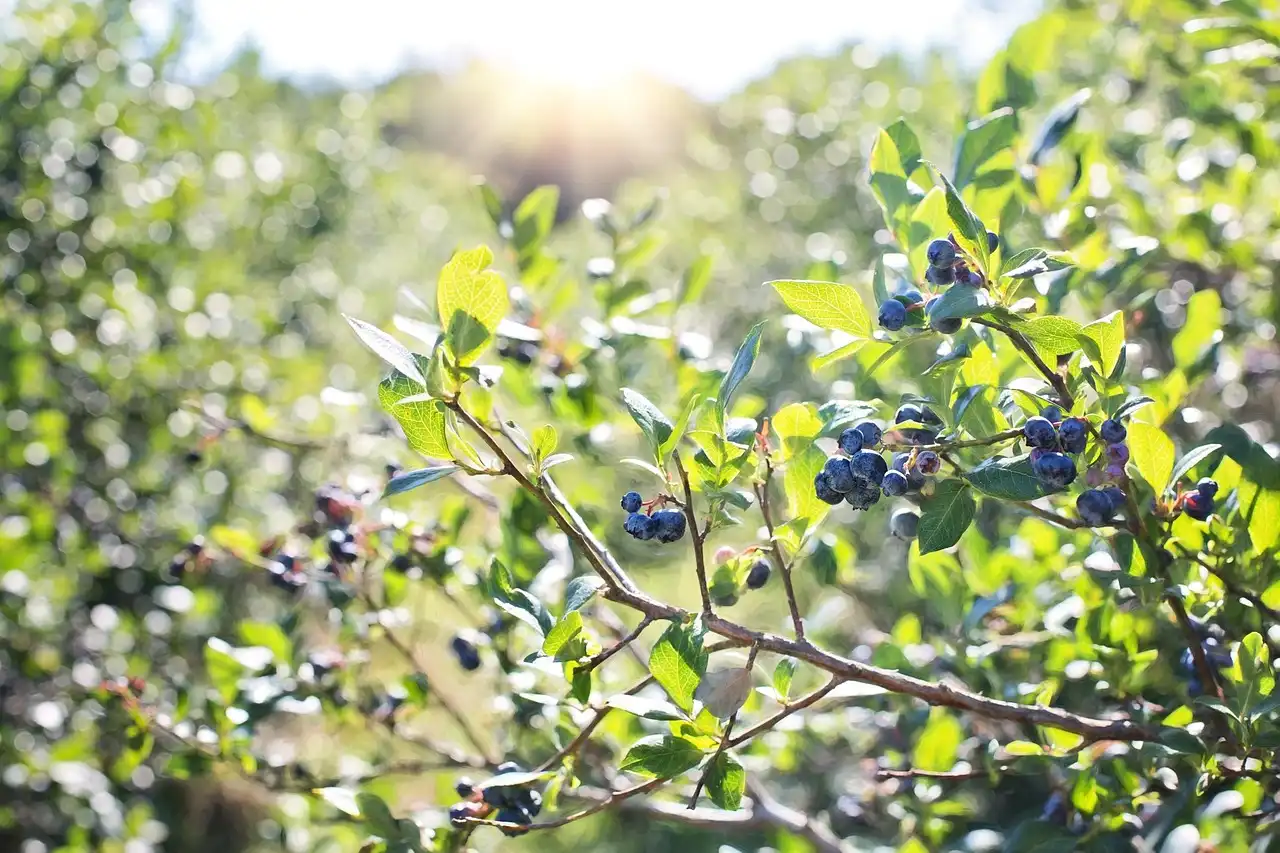


They can survive inside in some cases, but a warm room is usually the wrong winter home. Blueberries need dormancy, and that rest period helps reset the plant for flowering and fruiting. If you move a blueberry into a heated living room, the plant may break dormancy too early, grow weakly, and bloom poorly later. Extension guidance on blueberry culture and dormancy consistently emphasizes that winter rest is part of normal fruiting, not a problem to solve.
For many container plants, the goal is not warmth. It is root protection while the plant stays dormant. A blueberry may live through winter indoors and still fail to fruit well the next season if it misses enough cold exposure or is forced into active growth too soon.
When indoor wintering can work
Indoor overwintering only makes sense when the space is bright and cool enough to keep the plant in a resting state, such as a cool porch, unheated sunroom, or bright garage window area. University extension recommendations for container blueberries commonly point toward cool, protected storage rather than warm indoor growing, because the plant should remain dormant through winter. In practical terms, this means a cool holding space, not active houseplant conditions.
That distinction matters. A cool dormant holding area stays cold enough to preserve rest; active indoor growing conditions are warm, bright, and stimulating, which is exactly what most blueberries should not get in winter. Warm-room overwintering usually harms flowering because it shortens or disrupts dormancy and can reduce effective chill accumulation.
Why a warm room is usually the wrong choice
Blueberries need a cultivar-specific chill requirement, and many groups also need sustained winter cold to complete dormancy. Extension sources and breeder references such as North Carolina State University, University of Minnesota, Oregon State University, and Rutgers note that chill needs vary widely by type and cultivar, ranging from low-chill southern highbush selections to higher-chill northern highbush and lowbush types. The exact number of chill hours depends on the cultivar, but the key point is the same: winter warmth can rob the plant of what it needs to flower well.
Warm indoor air interrupts that cycle. The plant may begin growth early, use stored energy, and then enter spring with weaker flower buds or poor bud survival. A warm room also creates a poor light-to-temperature balance for a dormant blueberry, which is why extension recommendations usually favor cool storage instead of indoor growing unless you are intentionally managing a greenhouse-like environment.
Survival versus fruiting
Keep the distinction clear. A blueberry can survive winter in a protected indoor space and still lose the cold exposure it needs to fruit well later. That is why a warm room is rarely the best answer unless you are deliberately managing a cool, bright, dormancy-preserving setup and the cultivar has a low enough chill requirement to match it.
Say your blueberry is in a 3-gallon nursery pot on an apartment balcony in USDA zone 6. Moving it into a heated kitchen may keep it alive, but it also risks robbing it of the chill and dormancy it needs for strong bloom. An unheated garage, enclosed porch, or sheltered outdoor location with root protection is usually the safer bet if one is available. For container blueberries, the winter strategy should match the plant’s hardiness and chill requirement, not simply the calendar or the first cold night.
Why dormancy and chill matter
Blueberries do not treat winter as dead time. They need a dormant period to fruit again, and many varieties require a certain amount of cold before flower buds develop normally. Extension publications on blueberry production explain that chill requirements vary by species group and cultivar, and breeder references often list those needs separately for each variety. If that cold is missing, bloom can be sparse or delayed, and fruit set can drop.
That is why you should match the plant’s winter site to both its hardiness and its chill needs, not just to room temperature. A plant can be cold-hardy enough to survive outside, yet still lose fruiting potential if it is held too warm for too long.
What dormancy does for blueberries
Dormancy keeps the plant from spending energy on active growth during the cold season. It also protects the timing of the next flowering cycle. Cool winter conditions help buds complete normal rest, while prolonged warmth can stop dormancy from fully setting or can end it prematurely. That is a common reason container blueberries lose vigor the following spring.
How chill hours affect flowering
Chill hours are the cold hours a plant needs before it can resume normal growth and flowering. For blueberries, that need is variety-specific and climate-dependent. University extension sources commonly describe chill accumulation as a key factor in fruiting performance, while breeder references list low-, moderate-, or high-chill recommendations for named cultivars. Low-chill southern highbush varieties may need only a few hundred chill hours, while northern highbush and lowbush cultivars often need substantially more.
What warm indoor conditions change
Heat alone does not solve winter stress. A warm room may keep leaves green for a while, but it can also confuse the plant’s seasonal clock. The result is often soft growth, weaker bud development, and poor bloom timing. If a blueberry has already been brought into a warm room and started to wake up, it is no longer behaving like a dormant shrub; it is being pushed into active growth at the wrong time.
Air circulation can help reduce stagnant moisture indoors, but airflow does not replace cold exposure. It only helps keep conditions cleaner and less wet.
Blueberry winter plan
Use the plant type, pot size, USDA zone, and available winter space to choose the safest option. Container roots are more exposed to freezing and drying than in-ground roots, so potted blueberries usually need extra insulation or a protected site. A practical rule from extension sources is that containers behave as though they are one to two zones colder than ground-planted shrubs, especially when exposed to wind and freeze-thaw swings.
| Blueberry type | Pot size | USDA zone | Available winter space | Safest overwintering option | Fruiting likely preserved? |
|---|---|---|---|---|---|
| Lowbush | 1-3 gal | Zone 3-6 | Unheated garage or shed | Keep cold and sheltered; mulch pot heavily or heel in outdoors | Yes, if dormancy and chill are maintained |
| Half-high | 3-7 gal | Zone 4-7 | Sheltered outdoors or heeled in ground | Outdoor protection with mulch and wind cover; avoid warm indoor storage | Yes, usually |
| Northern highbush | 5-10 gal | Zone 4-7 | Unheated garage, shed, or sheltered outdoors | Keep cold but protect roots from repeated hard freezes and drying | Yes, if chilling is not cut short |
| Southern highbush | 3-7 gal | Zone 7-10 | Cold sheltered spot or bright cool indoor space | Protect from deep cold, but avoid warm rooms that end dormancy too early | Maybe, depends on chill hours |
| Rabbiteye | 5-15 gal | Zone 7-9 | Sheltered outdoors, garage, or shed in colder edge zones | Keep roots protected; avoid long warm indoor storage unless chill needs are still met | Maybe, if chill need is met |
A common first-timer mistake is treating all blueberries the same and moving a shrub into a heated room as soon as cold weather starts. A lowbush in a 2-gallon pot can usually tolerate colder handling than a southern highbush in a decorative planter, because the cultivars have different cold tolerance and different chill-hour needs. Breeder references and extension tables are the best guide for the specific cultivar, not a single temperature cutoff for every blueberry.
Another useful rule: if the plant is already near the edge of its hardiness range, a container makes winter management harder. Root exposure is greater in pots, so the plant effectively experiences colder conditions than the USDA zone might suggest for in-ground planting. That is why a pot size, wall exposure, and wind exposure all matter when deciding whether the plant can stay outside, should be heeled in, or should be held in a cool dormant space.
Which blueberry types handle winter best?
Cold tolerance varies a lot by blueberry group. Lowbush and half-high types are generally the best fit for cold climates and outdoor winter protection. Northern highbush handles winter well in many colder zones too, while southern highbush and rabbiteye are often grown where winters are milder. Cultivar-specific breeder references are still essential, because named varieties can differ within the same group.
Lowbush and half-high
Lowbush blueberries are the hardiest group and are usually the easiest to keep dormant outdoors. Half-high types also handle cold well, especially with mulch and wind protection. For potted plants, these are often the least risky choices for sheltered outdoor overwintering because their hardiness and dormancy patterns are better matched to cold storage.
Northern highbush
Northern highbush needs a solid winter rest, and it often does well in cold but protected locations. In pots, it benefits from extra insulation or a sheltered spot because roots dry and freeze more quickly than planted roots. Cultivars in this group often have moderate to high chill requirements, so a warm indoor winter can be especially damaging to fruiting.
Southern highbush and rabbiteye
Southern highbush and rabbiteye are usually less cold-hardy than the groups above. They may need protection from hard freezes, but they still should not be moved into a warm room unless you can still provide the light, cool temperatures, and chilling pattern they need. For many growers, that means an unheated garage, shed, or very cool bright area rather than a heated room. Because many southern highbush cultivars have lower chill requirements, they are often the best candidates for cool indoor holding if outdoor temperatures are too severe.
How should you winterize a potted blueberry?
For many container plants, the safest plan is to keep the roots cold, not warm. Use mulch, insulation, and a sheltered space. Water during winter dry spells, but do not let the pot stay soggy. The root ball should stay slightly moist, never bone-dry and never waterlogged. Extension recommendations for container fruiting shrubs commonly stress drainage, moisture monitoring, and protection from repeated root-zone freeze-thaw cycles.
Unheated garage or shed
An unheated garage or shed can protect roots while still allowing winter chill, which makes it a better choice than a warm living room for many blueberries. It also works for temporary overwintering when outdoor temperatures swing hard. The key is to keep the plant dormant, not to move it into active indoor growth. A cool, frost-free space is ideal for tenderer pots or edge-of-hardiness cultivars, especially if the roots are likely to be damaged by repeated exposure.
Mulch and insulation
Mulch helps reduce temperature swings around the root zone. For a pot, place mulch over the top of the root ball and around the outside of the container if space allows. For in-ground plants, a thicker mulch ring around the base can help stabilize soil temperatures and protect shallow roots. For more detail, see our winter mulching and container blueberries guides.
Heeling in outdoors
If you have garden space, heeling in is a practical option. Sink the pot into soil so the container walls are less exposed to cold air, then mulch around the pot and crown area. This gives container roots much more insulation than standing the pot above ground. It is often the simplest way to keep a potted blueberry cold enough to stay dormant but protected enough to avoid root injury.
Winter watering and drainage
Extension guidance for container plants stresses periodic monitoring for watering needs during winter. Check the soil when the weather has been dry or windy. Water enough to prevent complete drying, but make sure drainage holes stay open and the mix does not stay saturated. Blueberries prefer acidic, airy media, so good drainage matters even more in winter; our soil acidity guide covers the pH side of that equation.
What temperature is too cold?
Cold injury risk is higher in pots than in the ground, so the warning point comes sooner for container plants. Blueberries can handle well below freezing when dormant, and many hardy cultivars are built to survive severe winter temperatures outdoors. The real risk for containers is not a single magic number; it is repeated root exposure, rapid freeze-thaw swings, drying wind, and a cultivar that is less hardy than the climate demands.
When to move the plant
Use the plant’s hardiness and the container setup as the trigger, not a broad “before 50°F” rule. Many blueberries should stay outside through normal fall cooling because they need cold weather to enter and maintain dormancy. Move a container to a garage, shed, or heeled-in spot when the pot itself needs protection from repeated hard freezes, strong wind, or severe exposure; only bring it into a warmer space if that space still keeps the plant dormant and cold. For tender southern highbush cultivars in marginal zones, that may mean moving them to a cool, protected area before the first severe freeze. For cold-hardy lowbush, half-high, and northern highbush types, outdoor wintering is often the better choice.
Signs of winter stress
Watch for dried leaves, cracked potting mix, wilt despite cold soil, or blackened buds after a freeze. Those signs mean the roots or buds have taken stress. If the pot is drying too quickly, move it to a less windy, less exposed place and water lightly if the mix is dry below the surface. If the container has frozen hard repeatedly, the issue is usually exposure, not the mere fact that the plant experienced winter cold.
Suppose a 7-gallon northern highbush sits on an open deck in zone 5 and the pot freezes solid for several nights in a row. The plant may still survive, but the bud wood can suffer. A sheltered garage, heeled-in spot, or heavily mulched protected area would have reduced that risk while still preserving dormancy.
How do you move it back outside?
Move the plant back outside gradually. Sudden warmth and full sun can shock a blueberry that has spent winter in a cool protected place. Begin when the worst freeze danger is passing, then increase light and outdoor exposure over several days. That slow transition matters most for plants that have been held in a garage, shed, or other cool dormant space.
Late-winter checks
Before moving the plant, inspect buds, stems, and soil moisture. If the mix is dry, water it first. If the roots are still firm and the buds are plump, the plant is likely ready for a slow return to outdoor conditions. If the buds have already begun to swell, handle the plant carefully and avoid a fast jump into hot sun or drying wind.
Acclimation steps
- Set the pot in bright shade or filtered light for a few days.
- Keep the root ball lightly moist, not wet.
- Increase sun exposure over 5 to 10 days if the weather stays stable.
- Watch for scorch, leaf curl, or sudden wilt after each move.
- Return the plant to shelter if a hard freeze is forecast.
Do not rush a blueberry from a cold garage straight into full spring sun. That jump is hard on dormant wood and new buds. A gradual transition is safer and better preserves the plant’s energy for flowering.
What to watch in spring
New bud swell is a good sign that dormancy is ending normally. Uneven bud break, limp growth, or almost no flowering can mean the winter site was too warm or too short on chill. If that happens, the plant may still grow leaves, but fruiting can be thin. This is one reason warm-room overwintering is usually a poor trade for blueberries: the plant may survive, but the crop is often the thing that pays the price.
Frequently asked questions
Can you keep blueberry plants inside for the winter?
Yes, but only in a cool, bright setup that still gives the plant dormancy and enough chill. A warm living room is usually a poor choice because it can interrupt rest and reduce bloom later. A cool porch, unheated sunroom, or garage window setup is better for preserving winter rest.
Should blueberry bushes be brought inside for winter if they are in pots?
Often yes, but not into a warm house. Container roots freeze and dry more easily than in-ground roots, so potted plants usually need extra protection. For many growers, that means an unheated garage, shed, or sheltered outdoor spot rather than a heated room. The exact choice depends on cultivar hardiness, pot size, and how severe the local winter is.
What temperature is too cold for a blueberry plant in winter?
The danger point depends on the cultivar, pot size, and exposure. Potted blueberries are more vulnerable than planted ones, so even a few hard freezes can be risky if the container is exposed. For hardy cultivars, the plant can usually tolerate temperatures well below freezing while dormant; the bigger risk is repeated exposure of the roots and buds, not ordinary winter cold by itself.
Do blueberry plants need dormancy to fruit again?
Yes. Blueberries need a dormant period, and many also need chill hours below a certain temperature range to trigger flowering. If winter is too warm, the plant may survive but produce fewer flowers and less fruit the next season. University extension and breeder references consistently tie fruiting performance to proper chilling and winter rest.
What should I do with a blueberry plant in winter if it is container-grown?
Put the plant where the roots stay cold but protected. Use mulch, keep the pot from drying out completely, and avoid waterlogged soil. If possible, use an unheated garage, shed, or heeled-in spot. Match the plan to the plant’s type, cultivar chill requirement, and USDA zone rather than using one rule for every blueberry.
Can you plant blueberries in the winter?
Usually not in frozen ground, and it is rarely the easiest time to establish them. Winter planting only makes sense in mild conditions where the soil is workable and the plant can settle before deep cold. For most gardeners, spring or fall is a better window. If you are choosing varieties first, our blueberry varieties guide can help narrow down the best cultivar group for your climate.
Sources
- University of Minnesota Extension, Blueberry growing and cultivar selection guidance.
- North Carolina State University Extension, blueberry cultivar and chill-hour references.
- Oregon State University Extension, blueberry dormancy, winter protection, and container culture guidance.
- Rutgers New Jersey Agricultural Experiment Station, blueberry production and winter injury resources.
- Michigan State University Extension, container plant overwintering and root protection guidance.
- Blueberry breeder references for cultivar-specific chill-hour requirements and hardiness group descriptions, including publicly available university and nursery breeder fact sheets.