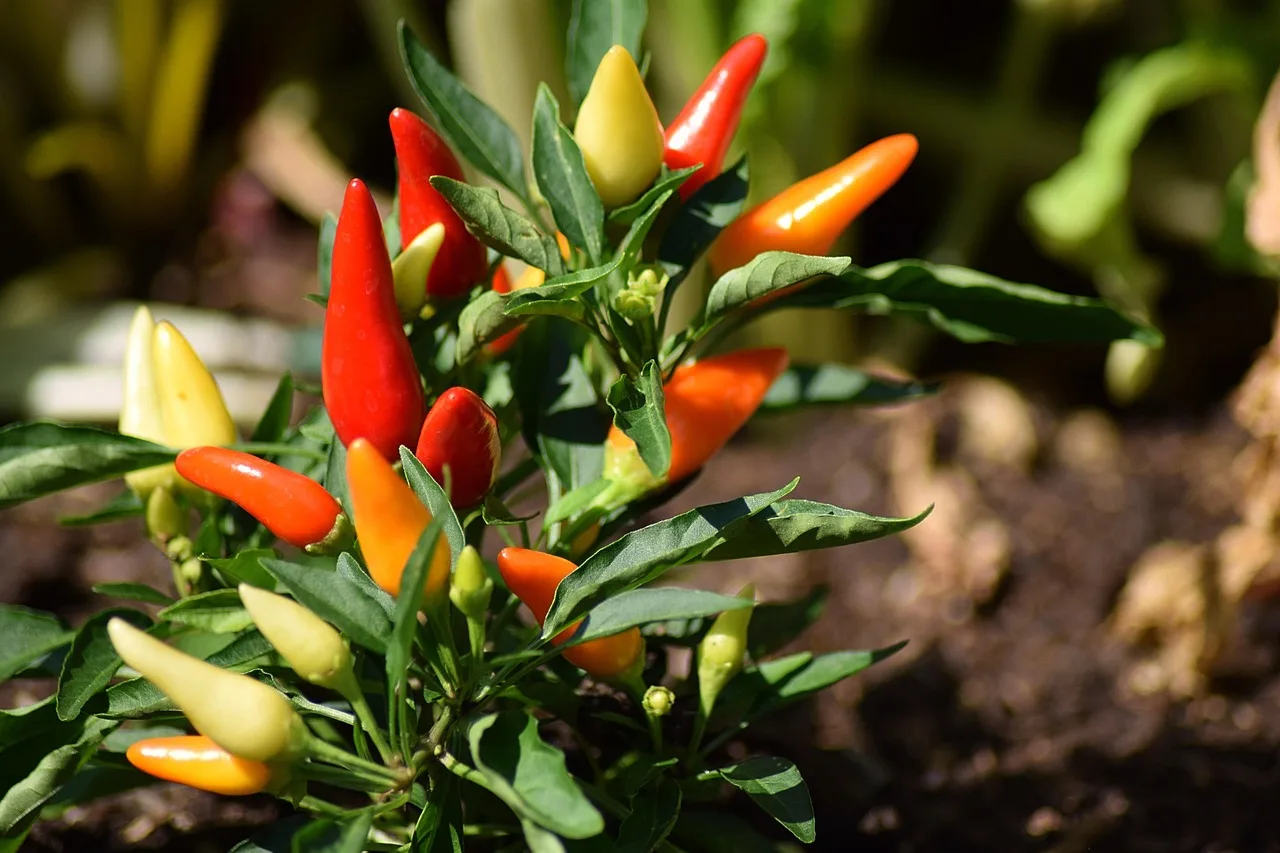
Can You Bring Pepper Plants Inside for the Winter?
Yes, if you have bright light, temperatures above 60°F, and a compact, pest-free plant. Otherwise, buy seed in spring or keep only a favored plant as a dormant or cut-back overwintering project. Handle it poorly, and peppers drop leaves, attract aphids or spider mites, and often fail before spring. This guide helps you choose between full indoor growth, dormancy, or replacement, then gives the steps for each setup. For a broader winter-houseplant transition, see Pepper plants and the seed-saving fallback in dormant plants.
Why pepper plants slow down indoors in winter



Yes. Pepper plants are tender perennials, so they can live for more than one season if you protect them from frost and give them indoor conditions that match the method you choose. Extension sources consistently note that peppers are frost-sensitive warm-season plants, and hard frost will injure or kill them. Move them before nights turn cold and before the first freeze forecast arrives. University of Minnesota Extension and Clemson Home & Garden Information Center both emphasize warm temperatures and frost avoidance.
Once the plant comes inside, growth slows. Leaves may drop, especially if light is weak or temperatures swing. That does not mean the plant is dead. It usually means indoor conditions differ too much from summer.
What changes once the plant comes indoors
Indoors, peppers lose outdoor sun and warm nights, then face less light, drier air, and tighter root space. That is why the same plant can keep growing, rest in dormancy, or decline fast. A sunny window helps, but it usually will not support winter fruiting. University lighting guidance for indoor plants shows why: natural light intensity drops sharply as you move away from the glass, and many fruiting plants need supplemental light to stay productive. See Penn State Extension on supplemental lighting.
What you’ll need
- Pruning shears
- Pot with drainage holes
- Clean saucer
- Labels
- Fresh potting soil
- Grow light, if window light is weak
- Soap and water for cleaning the pot rim and tools
Step 1: Choose the right overwintering method
Pick the method that fits your light, temperature, pest risk, and space. If you can give the plant strong light and steady warmth, keep it growing. If you have a cool, dim, above-freezing spot, dormancy is the simpler path. If indoor space is tight, cuttings may be the better tradeoff.
In practice, compact C. chinense plants like habanero or Scotch bonnet usually respond better to indoor light than sprawling C. annuum types such as bell or jalapeño, because their smaller canopies are easier to keep lit and watered evenly. C. baccatum and C. frutescens can also overwinter well when they are healthy, but they are often more vigorous growers, so they need more trimming and more space.
Whole plant indoors
This works best when you want the fastest spring restart and have room for the pot. Strong indoor light is the priority, and a grow light helps when window light falls short. A sunny window alone usually will not keep fruiting going through winter. Strong light matters because indoor peppers often shed older leaves when the canopy cannot support itself under reduced intensity; that is a common failure pattern in winter.
Cut-back dormant storage
This fits a basement, garage, or closet shelf that stays above freezing. Store the cut-back plant in dim light at roughly 45-60°F and keep water very low. The goal is survival, not growth. Many overwintering guides use this cool, reduced-water approach because pepper growth slows dramatically when temperatures drop and light is limited; the plant can sit in a near-rest state until spring. For dormant handling and spring restart planning, see the in-body guide linked above: dormant plants.
Cuttings instead of the full plant
Take cuttings when the mother plant is too large, too pest-prone, or too valuable to move indoors whole. Pepper cuttings are typically 4-6 inches long, and roots usually appear in about 2-4 weeks. This saves space and avoids bringing in a full pot of pests. Cuttings can be especially useful for vigorous C. frutescens and tall C. annuum plants that would otherwise dominate a windowsill.
Which overwintering method fits your home?
The right method depends more on your house than on the pepper itself. Bright windows, cool storage space, and pest pressure point to different answers. A warm room with weak light favors cuttings or replacement from seed. A cool, dim space favors dormancy. Limited space usually rules out a full-size plant.
Bright window or grow light setup
Use this when you can keep temperatures close to 55-65°F and give the plant several hours of strong light. Even then, winter fruiting is uncertain. The setup is best for keeping the plant alive and lightly growing, not for heavy harvests. A grow light works better than a window because it can deliver consistent intensity regardless of short days and cloudy weather. Penn State Extension explains that horticultural lights are most useful when natural light is not enough for active growth.
Cool basement, garage, or closet storage
Choose dormant storage if you can give the plant a cool, dim place that stays above freezing. This method works when you want the least winter care. It is poor for fruit production, but it can save a plant with very little space and water. A steady cool zone matters more than bright light here; the plant is being held, not grown.
Limited space or high pest pressure
If space is tight or the plant shows repeated pest problems, cuttings are often the cleanest option. You keep the genetics without dragging a full rootball indoors. For many C. annuum plants, starting fresh in spring may be the better use of space, because those types are less consistent indoors and often lose more foliage than smaller, denser varieties when indoor humidity is low.
Step 2: Inspect, clean, and repot the plant
Check the whole plant before it comes inside. Look under leaves, along stems, on the soil surface, and around the pot rim for aphids, spider mites, whiteflies, and scale. Remove damaged leaves and visible pests, then move the plant into fresh potting soil instead of garden soil to cut pest carryover. Extension resources on houseplant pests note that these insects commonly hide on leaf undersides, in stem joints, and on the growth tips, which is why close inspection matters. See University of Maryland Extension on aphids, University of Minnesota Extension on spider mites, Clemson Extension on whiteflies, and University of Minnesota Extension on scale insects.
Use pruning shears to shorten the plant if you need less bulk for indoor space or dormant storage. That reduces leaf mass, cuts pest habitat, and makes the pot easier to move. If the pot is dirty, scrub the rim before bringing it indoors. A smaller canopy also helps the root system match the light level more closely, which reduces the common pattern of leaf drop after move-in.
- Clip off dead, yellowing, or heavily damaged growth.
- Lift the plant from the old mix and shake away loose garden soil.
- Inspect leaf undersides, stems, and pot rims for aphids, spider mites, whiteflies, and scale.
- Set the plant into fresh potting soil in a clean pot.
- Water once to settle the mix, then let excess drain fully.
Pepper winter decision matrix
| Method | Light required | Temperature range | Water frequency | Pest risk | Space needed | Spring payoff |
|---|---|---|---|---|---|---|
| Whole plant indoors | Bright window or grow light | About 55-65°F | When top inch dries | Moderate to high | High | Fast restart, possible winter growth |
| Cut-back dormant storage | Dim light | 45-60°F, above freezing | Very sparing | Lower if cleaned first | Low | Slower restart, but easy on space |
| Cuttings | Bright indoor light | Warm room temperatures | Lightly moist, not wet | Lower than full plant | Very low | New rooted plants in spring or late winter |
- Choose whole-plant indoors if you have bright light, room for the pot, and a plant worth keeping.
- Choose dormant storage if you have a cool, dim, above-freezing space and want the least winter care.
- Choose cuttings if your space is tight or the plant has repeated pest problems.
- Skip overwintering if the plant is large, weak, or heavily infested and seed would be easier in spring.
Quick yes/no checklist
- Is the plant compact enough to fit your brightest spot? Yes for whole-plant indoor growth.
- Can you keep it above freezing in a cool, dim place? Yes for dormant storage.
- Can you provide several hours of strong light or a grow light? Yes for active growth.
- Is the plant repeatedly infested or heavily stressed? Yes for cuttings or replacement.
- Are you mainly trying to save genetics, not winter fruit? Yes for dormancy.
How often do overwintered pepper plants need water?
Much less than in summer. For actively growing plants, water only when the top layer of mix dries. For dormant plants, water sparingly enough to keep the root ball from drying out completely. Overwatering is one of the fastest ways to lose a dormant pepper, and soggy soil also encourages root rot in slow-growing winter plants.
A common first-timer mistake is giving a cool, resting plant the same schedule as a summer pepper in a sunny patio pot. In dormancy, the plant uses far less water, and wet soil can invite rot. Another common pattern is watering by calendar rather than by pot weight or soil feel, which usually leads to overwatering in winter.
Top-up rule for dormant pots
Add only enough water to lightly moisten the root zone, then wait until the mix dries again before checking it. If the pot feels heavy, skip watering. If the stems wrinkle or the mix pulls away from the pot wall, add a little water and stop.
Can peppers survive winter in a sunny window?
Sometimes, yes, but a sunny window often is not enough for fruiting during winter indoors. It can keep a plant alive and slowly growing, especially if the room stays warm and the plant is compact. For strong indoor production, a grow light is the better tool. The window-versus-light split is where many winter attempts fail: plants in windows often survive, but they do not hold enough usable light to keep a dense canopy or set much fruit.
Put a pepper in a south-facing window and keep the room cool at night, and the plant may hold leaves but still drop flowers or stall before setting fruit. Light and temperature have to work together. Many gardeners see the best results with compact C. chinense plants near glass and a supplemental light, while larger C. annuum plants commonly thin out and stop performing.
When a window is enough
A window can work for maintenance growth if it gets strong direct light for much of the day and the plant is not oversized. It is more likely to keep a healthy plant than to produce a steady winter harvest. Small plants with short internodes and a modest canopy usually fare better than tall, leggy plants that already need pruning.
When you need a grow light
Use a grow light when the window is shaded, the days are short, or the plant needs to fruit. Set the light close enough for strong coverage without scorching leaves, and keep the plant in the 55-65°F range if you want active growth. Supplemental lighting is especially useful for C. baccatum and C. frutescens selections that keep trying to grow through winter but cannot do it on weak natural light alone.
How do you keep pests from coming inside with pepper plants?
Inspect before entry and clean thoroughly. Aphids, spider mites, whiteflies, and scale often hide on leaf undersides, at stem joints, around pot rims, and in damp surface soil. Remove anything visibly infested before the plant crosses the threshold. Extension pest guides consistently show these insects are easiest to miss when you inspect only the top of the canopy. See University of Maryland Extension on aphids, University of Minnesota Extension on spider mites, Clemson Extension on whiteflies, and University of Minnesota Extension on scale insects.
Use fresh potting soil when you repot. Garden soil can carry more pest material than a clean indoor mix. If a plant has repeated infestations, cuttings may be safer than moving the full pot inside.
Bring pepper plants inside checklist
- Check the undersides of every leaf.
- Inspect stem joints for scale and whitefly eggs.
- Look at the soil surface for crawling insects.
- Wipe down the pot rim and saucer.
- Remove any leaf litter caught in the pot.
Common mistakes
Bringing in a plant with pests is the biggest problem. A second mistake is watering dormant plants too often. A third is skipping spring acclimation, which can scorch leaves when the plant goes back outside.
Do not assume every pepper type deserves the same effort. C. annuum plants are less consistent indoors and are usually grown as annuals, so limited indoor space may be better spent on a more dependable plant or on cuttings. By contrast, compact C. chinense plants often hold their shape better under indoor light, while C. baccatum and C. frutescens may need more pruning but can reward the effort if the specimen is strong.
Another common problem is trying to force winter fruit from a weak windowsill setup. If the plant is not getting enough light, it may survive without producing much. That is a survival setup, not a harvest setup. Winter losses usually come from one of three patterns: too much water, too little light, or a pest population that was never cleaned off before the plant came inside.
If that didn’t work, try this next
If the plant keeps dropping leaves after moving indoors, move it closer to light, check again for mites under the leaves, and reduce watering. If the room is still too warm and dim, switch the plant to dormancy or take cuttings instead of pushing full indoor growth.
Frequently asked questions
Can you bring pepper plants inside for the winter?
Yes. Pepper plants can be brought indoors to overwinter them, but they need enough light, reduced watering, and pest cleanup first. If your home cannot provide those conditions, saving a cutting or starting fresh in spring is usually simpler and more reliable.
When should you move pepper plants indoors before frost?
Start prep when overnight temperatures dip into the mid-40s Fahrenheit, about 7°C. That is the cue to inspect, prune, repot, and move plants before freeze weather arrives. Do not wait for hard frost, because pepper plants cannot tolerate it. This timing lines up with extension guidance on moving warm-season plants before damaging cold. See University of Minnesota Extension and Clemson HGIC.
Do pepper plants need to be cut back before overwintering?
Often, yes. Cutting back reduces leaf mass, space needs, and pest habitat. It is especially useful before dormant storage or when moving a large plant indoors. Use pruning shears and leave only the healthiest growth needed for the method you chose.
Can pepper plants survive winter in a sunny window?
They can survive there, but a sunny window usually is not enough for fruiting during winter indoors. Use a grow light if you want better growth or any real chance of flowers and fruit. A window alone is better for keeping the plant alive.
Which pepper varieties overwinter best indoors?
Compact, healthy plants are usually easier to save than large, leggy ones. C. annuum types are less consistent indoors and are often better replaced in spring, while other Capsicum varieties may be worth saving when indoor space is limited. Favor the healthiest plant, not the oldest one. As a practical rule, choose smaller chinense plants first, then the best-bred baccatum or frutescens specimen, and treat sprawling annuum types as second-tier candidates unless they are unusually compact.
Sources
- University of Minnesota Extension: Growing peppers
- Clemson Home & Garden Information Center: Pepper
- Penn State Extension: Artificial lights for horticultural plants
- University of Maryland Extension: Aphids on houseplants
- University of Minnesota Extension: Spider mites
- Clemson Home & Garden Information Center: Whiteflies
- University of Minnesota Extension: Soft scale insects