Can You Bring Tomato Plants Inside for the Winter?
Yes, you can bring tomato plants inside for winter, but only if the plant is worth saving and you can give it strong light. Otherwise, take cuttings or start fresh in spring. Survival is usually easier than heavy winter fruiting, especially in a normal home window.
Tomatoes are frost-tender. In cold climates they are often treated as annuals, even though they can live as perennials in their native tropical range. Nights below about 50°F are often a warning sign, and freeze injury becomes a serious risk below 32°F. (Wikipedia)
Tomato plants indoors for winter
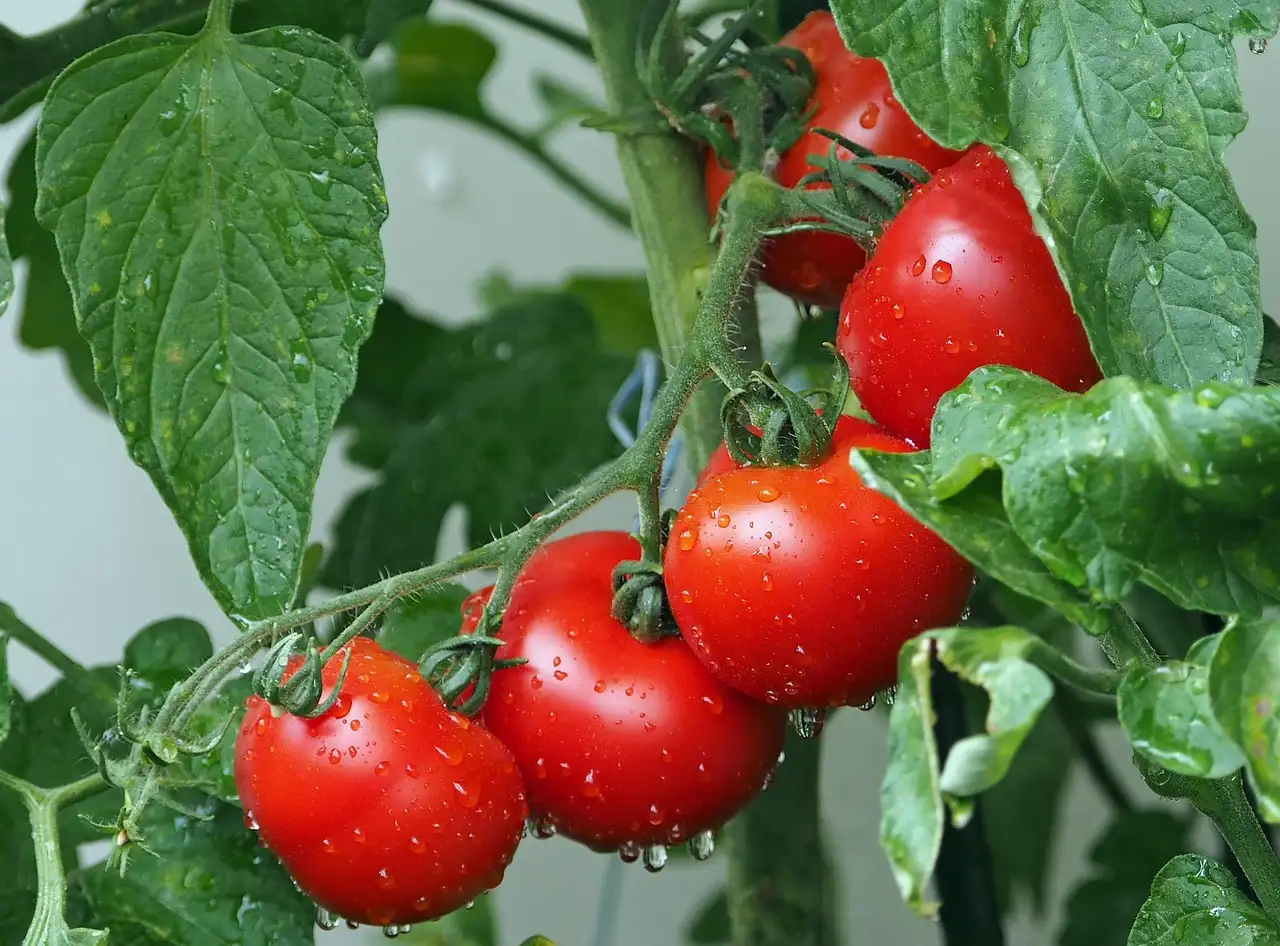


If the plant is compact, healthy, and mostly pest-free, overwintering can work. If it is large, infested, or already declining, the better move is often to save genetics with cuttings or skip the effort and reseed later.
What you’ll need
- Clean pruners or scissors
- A pot or container with drainage holes
- Fresh potting mix or nutrient-dense soil for rooted cuttings
- Gloves
- Sticky traps
- A hand lens or close inspection method
- A bright windowsill or the strongest available window
- Grow light, if your window is weak or you want more than survival
- Watering can or cup with a narrow spout
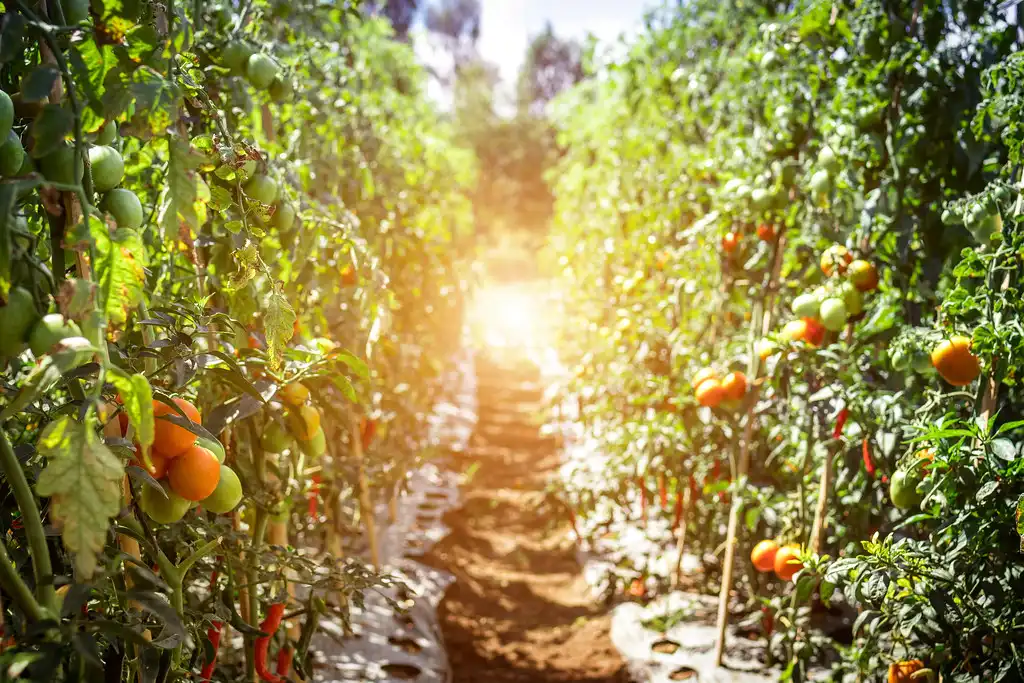
Can you bring tomato plants inside for the winter?
Yes, but the best candidates are potted, compact, healthy plants that can handle indoor light and space. Potted tomatoes are easier to move than in-ground plants, and a container with drainage gives you more control over watering and root health.
Poor candidates include plants with aphids, whiteflies, mites, mildew, or other disease pressure, plus oversized plants that cannot fit a window or indoor shelf. A plant in a container that is rootbound or too large may need repotting first, but only if that move will not stress it further.
Best fit: indeterminate plants, dwarf types, and micro dwarf types. Those are the easiest to keep compact enough for indoor growing.
Best candidates
Look for an indeterminate plant in a pot, or a dwarf or micro dwarf variety that already stays compact. These plants are easier to prune into a manageable shape and are more realistic for a bright windowsill.
Poor candidates
Skip plants that are heavily infested, badly diseased, or so large that they shade themselves in the house. A plant that needs high humidity, intense light, and constant pruning is usually better replaced than rescued.
Bring tomato plants inside in 4 steps
- Move the plant indoors before nights drop below 50°F, because tender plants should be brought in in the 50 to 55°F range and before freeze damage starts.
- Inspect leaves, stems, soil, and drainage holes for aphids, whiteflies, mites, mildew, and other problems, then prune out dead, unhealthy, and overly leggy growth.
- Repot only if needed. If the root ball is crowded or the container is oversized, shift it into a pot with drainage and fresh mix; otherwise, leave the roots alone.
- Place it in the brightest window you have, then add a grow light if the window is weak or the plant needs to keep growing.
Say your tomato is a 10-inch indeterminate in a 12-inch pot and the night forecast is 49°F. Move it in now, cut back the longest stems, and check the undersides of the leaves before it ever reaches your kitchen floor.
Suppose an in-ground tomato has a thick main stem but several whiteflies. Bringing the whole plant inside is usually a poor bet; rooting cuttings from clean sections gives you a much cleaner reset.
Should you keep the whole plant or start with cuttings?
Keep the whole plant when it is compact, healthy, and already in a movable pot. Start with cuttings when the plant is too large, lightly infested, or in the ground. In many cases, cuttings are the safer backup because they take less space and are easier to keep clean indoors.
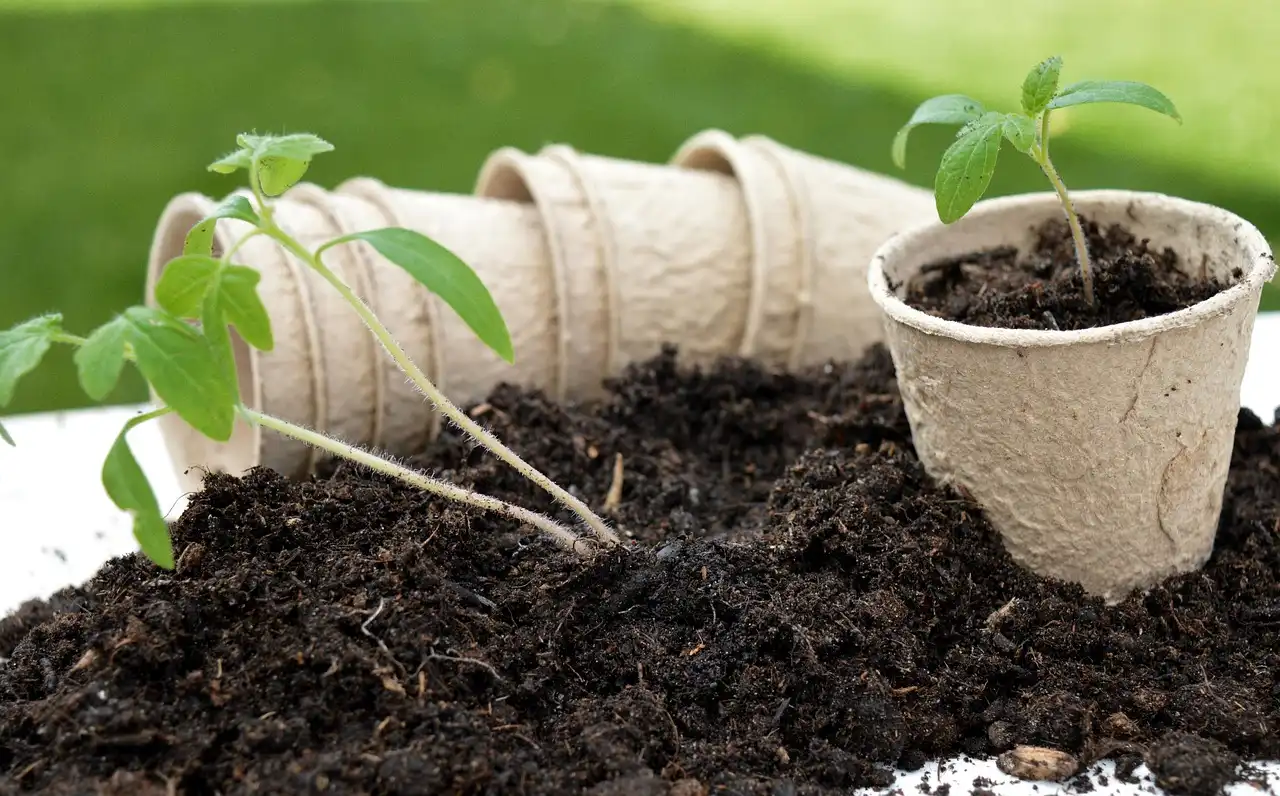
For cuttings, take about 3 to 4 healthy tips as insurance. Root them in water, then move the rooted cuttings into nutrient-dense soil. That approach often beats trying to nurse a sprawling plant through low winter light.
Whole-plant overwintering
Choose this for indeterminate or compact potted plants that can be pruned into a smaller shape. It gives you the fastest start in spring if the plant stays healthy.
Cuttings as backup
Choose this when indoor space is tight or pest risk is high. If the mother plant fails, the rooted cuttings still carry the variety forward.
Why dwarf and micro dwarf types are easiest
Dwarf and micro dwarf tomatoes are recommended for windowsill growing because they stay small enough for indoor light and air movement. They are the easiest option when you want a winter houseplant that can still grow rather than merely survive.
Tomato winter care indoors
Indoor care is simpler than outdoor care, but it is less forgiving. Keep the plant warm, bright, and dry enough to avoid rot, yet not so dry that the root ball collapses. Most homes can maintain survival; fewer can support strong fruiting.
Tomatoes indoors often do best around 65 to 70°F, though some guidance places the range at about 70 to 80°F. Either way, avoid cold drafts from doors, windows, and vents. Humidity and air circulation matter, because stagnant air can lead to stress and disease.
Water less, but do not let it dry out
Water when the top layer of mix dries. Do not use a fixed schedule. Containers need drainage, and the goal is evenly moist soil, not a saturated pot.
Use the strongest light you have
A bright windowsill is the minimum. Winter indoor light is often too weak for heavy fruiting, so a supplemental light is the realistic choice if you want flowers or new growth to continue.
Expect survival first
Tomatoes can grow indoors over the winter, but fruit production is usually limited unless the light is strong and consistent. Treat winter as a maintenance period unless you have a dedicated grow setup.
Tomato decision table
Use this table to choose between the whole plant, cuttings, or starting over. The best answer depends on plant size, whether it is in a pot or the ground, how much light you have, and how much pest pressure is already present.
| Plant type | Indoor light level | Pest pressure | Expected outcome | Best winter strategy |
|---|---|---|---|---|
| Potted, indeterminate, compact | Strong window or supplemental light | Low | Good chance of survival; limited winter fruit possible | Overwinter the whole plant |
| Potted, determinate, compact | Strong window | Low | Survival is possible, but regrowth may be less useful | Take cuttings or keep only if space is ample |
| In-ground, indeterminate | Moderate to strong | Low | Whole plant is hard to move; recovery can be slow | Take 3 to 4 cuttings |
| Any plant with aphids, whiteflies, or mites | Any | High | Indoor spread risk is high | Discard or take clean cuttings only if you can isolate them |
| Dwarf or micro dwarf | Bright windowsill | Low | Best indoor fit; easiest to keep compact | Keep the whole plant |
Common mistakes
Waiting until after frost is the biggest one. Another is bringing in a plant without checking for insects first. Both problems are easier to prevent than to fix.
- Waiting too long: move plants before nights fall below 50°F.
- Ignoring pests: check leaves, soil, and drainage holes before the plant crosses the threshold.
- Expecting too much fruit: winter light usually supports survival better than production.
- Overwatering: slowed growth means the plant uses less water.
- Keeping an oversized plant: if it cannot fit your indoor space, it will struggle there.
A common first-timer mistake is bringing in a leggy plant and leaving every stem intact. That leaves too much foliage for too little light, so the plant drops leaves and stalls. Shorter, cleaner growth adjusts better.
Frequently asked questions
Can you grow tomato plants in the winter indoors?
You can keep them growing, but strong indoor fruiting is uncommon without supplemental light. Place the plant in the brightest window available, keep temperatures steady near 65 to 70°F, and expect survival or modest growth before harvest.
How do you bring tomato plants inside for winter?
Prune dead or leggy growth, inspect for pests, and move the plant before nights drop below 50°F. If the pot is rootbound, repot into a container with drainage. Then place it in the strongest light you have.
What temperature should you bring tomato plants inside?
Use the 50 to 55°F night range as your trigger. Move the plant before nights dip below 50°F, because that is the point where tender tomatoes are at growing risk and freeze injury becomes more likely if temperatures keep falling.
Will tomato plants produce fruit indoors during winter?
Sometimes, but usually not heavily. Winter windows are often too weak for high fruit set, so fruiting improves only with very strong light or a supplemental grow light. A healthy plant is more realistic than a productive one.
Can you save a garden tomato plant by bringing it inside?
Often yes, if the plant is healthy enough and the pest load is low. In-ground plants are harder to move than potted ones, so cuttings are often the better backup. Keep about 3 to 4 cuttings in water as insurance.