Can You Bring Aloe Vera Inside for the Winter?
Bring aloe vera inside before frost or when nighttime temperatures are around 50°F (10°C). Cold stress can show up fast, and a plant that looks fine one day can collapse after a cold night. Indoors, keep it out of cold air, water less often, and give it bright light so it does not stretch.
Byline: This guide reflects common indoor overwintering outcomes for aloe in cool, low-light homes: leaves soften after cold exposure, roots rot after winter overwatering, and plants stretch when light is too weak. In colder climates, the timing matters more than the calendar; in mild climates, sheltered outdoor placement may buy only a short reprieve before a frost.
What you’ll need
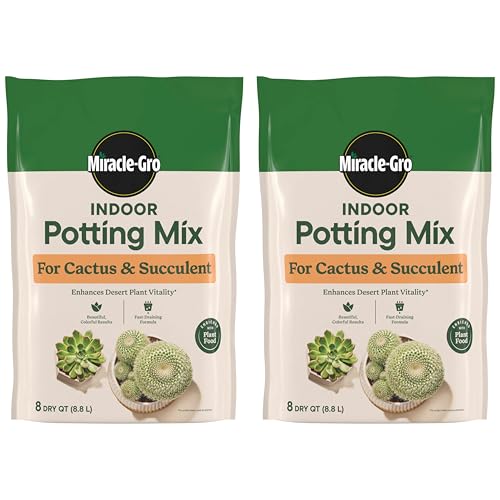


- A pot with drainage holes
- Fast-draining cactus or succulent mix
- A dry saucer or tray to catch runoff
- A bright window with indirect light
- A grow light for dim homes or short winter days
- Sterilized scissors or snips
- Insecticidal soap or neem oil
How to overwinter aloe indoors
- Check the night forecast first. Move the plant before the first frost or before lows reach 50°F (10°C). The 50°F/10°C caution is widely used in extension and horticulture guidance for tender succulents.
- Choose the brightest safe spot. Aim for a south-, west-, or east-facing window with bright indirect sun. Winter light is weaker, so a bright window matters even more than in summer (Royal Horticultural Society).
- Keep it off cold glass. Set the pot back from the pane so leaves do not touch chilled surfaces. Cold leaves can be damaged even when the room itself feels comfortable (University of Minnesota Extension).
- Set the temperature zone. Keep the room roughly between 59°F and 75°F, away from drafts, vents, and radiators. Stable indoor temperatures reduce stress and help avoid cold shock (NC State Extension).
- Water only after the mix dries. Wait until the top 1 to 2 inches of soil are dry, then water thoroughly and empty the saucer. Winter watering should be sparing because aloe uses less moisture in cool, low-light conditions (University of Arizona Cooperative Extension).
- Inspect weekly. Check leaf bases and undersides for pests, then treat early if you see them. Mealybugs and spider mites commonly show up on stressed indoor succulents.
- Skip fertilizer for winter. Resume only when new growth starts in spring. Fertilizing while the plant is dormant or light-starved can push weak growth and stress roots (RHS).
When should I bring my aloe vera inside for winter?
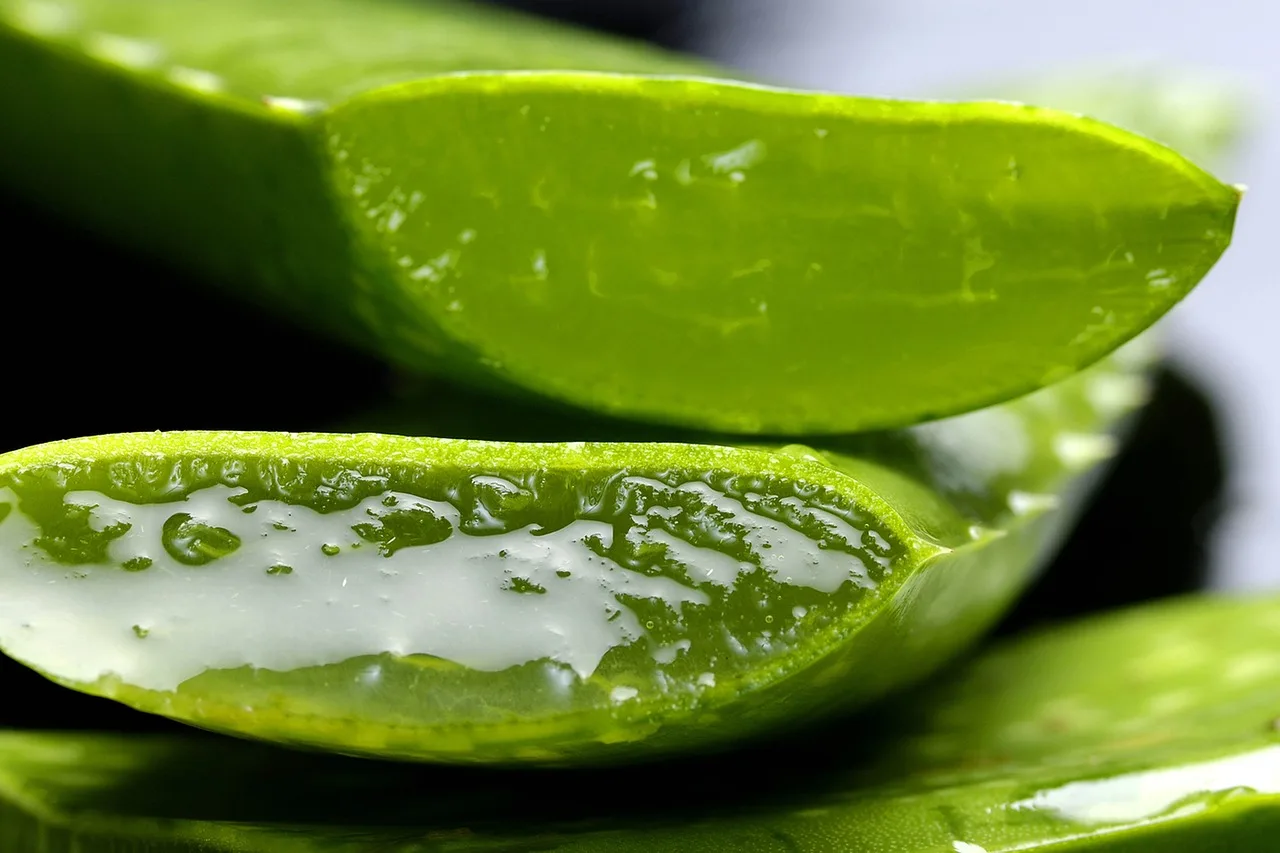
Bring aloe inside before the first frost, or sooner if nighttime temperatures keep falling near 50°F (10°C). That threshold is a practical warning line for tender aloe because repeated cold nights can trigger injury even if the days stay mild. Do not wait for visible damage before moving it indoors.
If your climate is mild, a protected transition spot can work only when it stays bright, dry, and above the cold threshold. A covered porch or sheltered entry can buy time, but it should not be the final place for a cold snap. In colder regions, moving early is safer than trying to “stretch” the season.
Aloe winter checklist
| Condition | What to do | Why it matters | Symptom-to-cause diagnostic |
|---|---|---|---|
| Nights near 50°F (10°C) | Move the plant indoors | Cold exposure below 10°C (50°F) can injure aloe tissue; extension and horticulture guides use this as a practical caution threshold | If leaves later look glassy or limp after a cold night, suspect cold damage rather than thirst |
| Frost forecast | Bring it inside before the cold event | Frost can damage aloe leaves fast and may cause collapse after the exposure | If damage appears immediately after a freeze, cold injury is the likely cause; overwatering usually does not appear overnight after frost |
| Bright window available | Place it near south-, west-, or east-facing glass | Aloe needs bright winter light to avoid stretching and weak growth; indirect bright light is preferred in indoor care guidance (RHS) | If the plant stretches, leans, or pales without soggy soil, low light is the likeliest trigger |
| Top 1 to 2 inches dry | Water only then, and drain excess | Winter roots stay active at a slower pace, so moisture should dry between waterings; succulents are prone to rot in persistently wet soil (University of Arizona Cooperative Extension) | If leaves soften while soil is wet or cool, suspect overwatering or early root rot rather than cold alone |
| Leaves soft and glassy after cold | Hold water, move to a warmer spot, and inspect tissue | Cold-damaged cells lose structure and can collapse after exposure | Soft leaves plus a recent cold snap points to frost/cold injury; soft leaves with dry soil point elsewhere |
| Leaves soft plus soggy soil | Stop watering, improve drainage, and check roots | That pattern points to overwatering or root rot, especially in winter when evaporation slows | This is the clearest overwatering signal: mushy leaves plus wet mix and possibly a sour smell at the roots |
| Brown edges with stretching | Add more light and reduce shaded placement | Weak light often causes leggy growth and leaf stress indoors | If the plant is stretching but the soil is dry, low light is more likely than rot; if the soil is wet, check both |
| Mealybugs, spider mites, or scale | Isolate the pot and treat with soap or neem oil | Indoor winter plants can pick up pests quickly, especially when stressed by dry air and low light | If damage is speckled, sticky, or clustered on leaf joints, pests are more likely than cold injury or rot |
What temperature is too cold for aloe vera?
Aloe vera can suffer harm if exposed to temperatures below 10°C (50°F). That threshold is a useful practical line for indoor growers, and some care guides also recommend keeping aloe in the 15°C to 21°C range. If your space falls under that line, move the plant or add protection. Frost risk is a separate emergency trigger (University of Minnesota Extension; RHS).
For indoor overwintering, a warm room with steady temperatures works better than a chilly hallway or window ledge. Sudden swings are rough on succulent leaves, especially when the pot is already drying more slowly. In cold climates, a plant that tolerates a sunny autumn day can still fail after one cold night.
Where should I place aloe vera inside during winter?
Put aloe in a warm, bright room near a south-, west-, or east-facing window, with bright indirect light and no cold drafts. Keep the leaves away from cold glass, because chilled tissue can soften even when the room itself feels comfortable. A plant stand often helps, especially in homes where the windowpane gets much colder than the room air (University of Minnesota Extension).
Avoid heating vents and radiators. Dry hot air can stress leaves, and the constant blast can make the pot dry unevenly. In apartments with limited window light, a grow light is a practical backup. If the plant is near a drafty window in a cold climate, move it back several inches from the glass rather than assuming the room temperature alone is enough.
Should you use grow lights for aloe vera in winter?
Yes, use a grow light if the home is dim, the apartment faces away from strong winter sun, or the plant begins stretching toward the window. Aloe vera needs bright light in winter, and weak light is one of the fastest ways to get lank growth and pale leaves. The goal is steady light, not heat.
Mount the light so the plant gets consistent coverage without heat damage, and keep the schedule regular each day. A grow light is especially useful in low-light homes where a bright window alone does not provide enough usable light. If leaves are stretching while the soil stays wet, address both problems together: increase light and reduce watering.
How often do you water aloe vera indoors in winter?
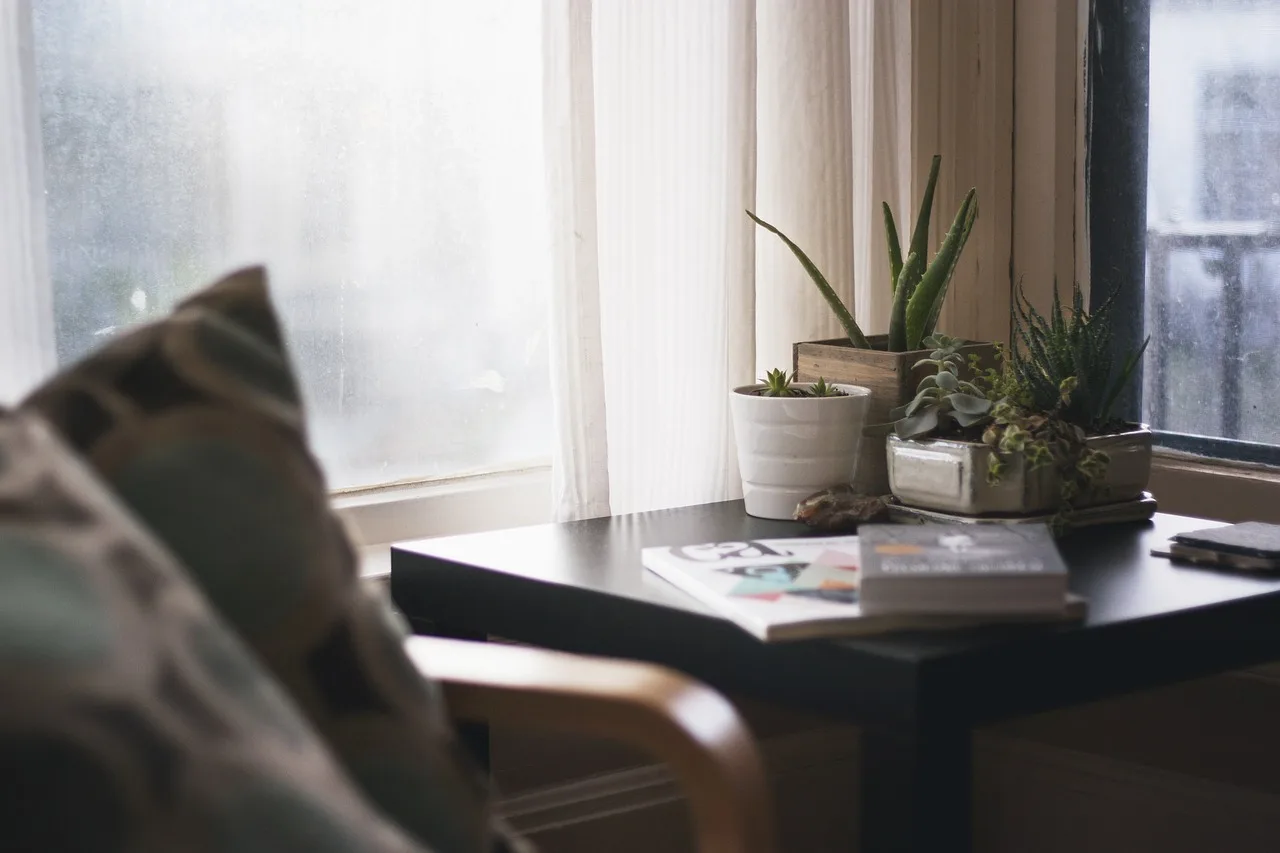
Water less often in winter. A common rule is to wait until the top 1 to 2 inches of soil are dry, and one guide says to water only when the top 5 cm of soil feels dry. Watering about every 3 to 4 weeks indoors, but dryness should decide timing, not the calendar alone (University of Arizona Cooperative Extension; RHS).
Empty runoff after each watering, and do not let the pot sit in standing water. A well-draining mix matters here, because winter roots take up moisture more slowly and soggy soil raises the risk of root rot. In low light, the soil can stay damp for much longer than expected, which is a common winter failure case in indoor care.
Watering examples that fit winter conditions
Say your aloe sits in a bright south window and the top 2 inches of soil are dry after 18 days. Water until moisture runs through the drain holes, then dump the saucer. If the soil is still cool and damp at day 18, wait longer. The plant’s needs should track the drying rate, not the calendar.
Suppose your plant is in a dim apartment and the mix is still moist after 4 weeks. Do not water on a schedule alone. Check the soil again, because low light slows drying and watering too early can lead to mushy leaves and rot. This is especially common when winter temperatures are mild indoors but light is poor.
Can aloe vera survive frost?
No, aloe vera is not frost-tolerant. Frost can soften leaves, make tissue look glassy, and trigger collapse after the cold event. If frost is in the forecast, move the plant inside rather than testing how much cold it can take. Waiting until after a freeze often means accepting irreversible leaf damage.
If the plant has already been exposed, act quickly. Keep it warm, dry, and out of direct sun for a short recovery period while you assess the damage. In real winter care, the most common mistake is assuming a plant that still looks upright after frost is safe; the collapse often comes later.
Why are my aloe vera leaves turning soft or mushy in winter?
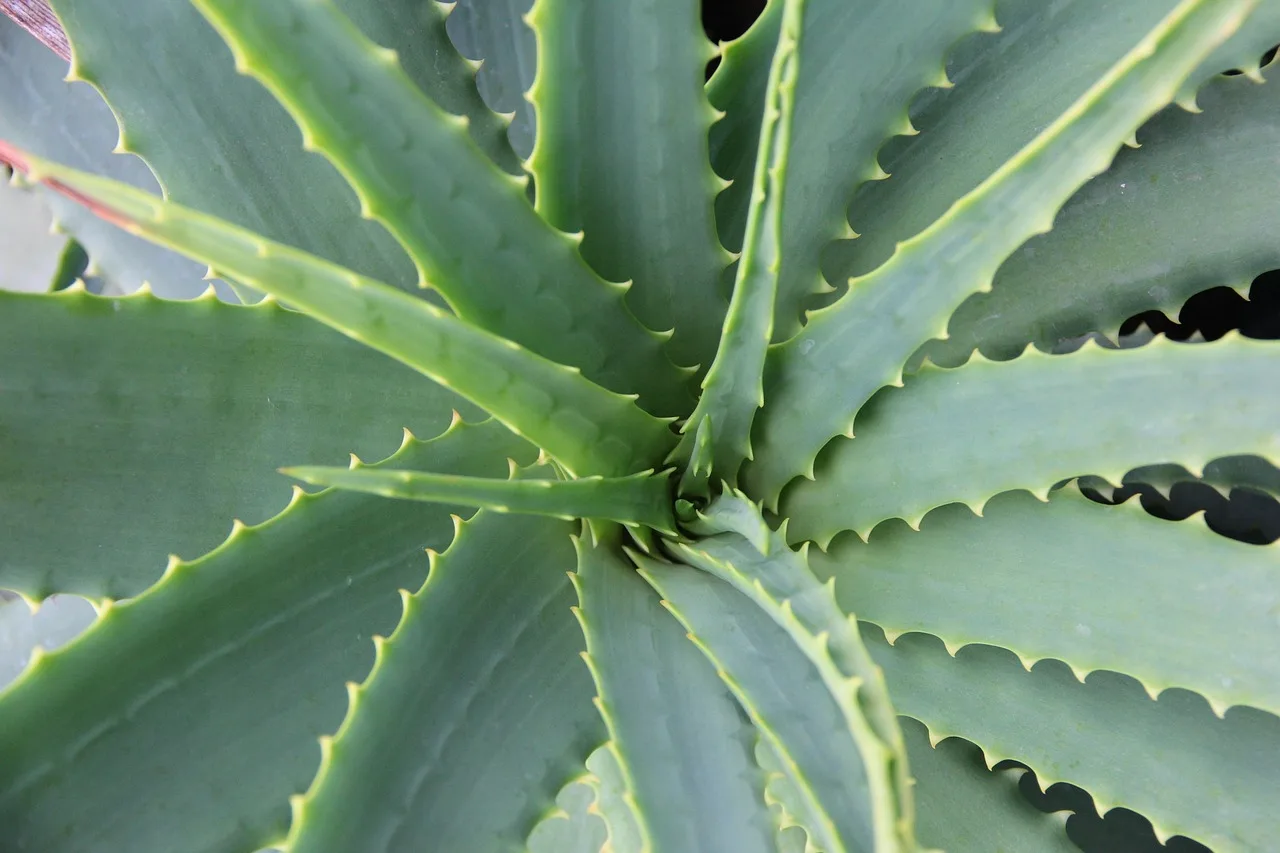
Soft or mushy leaves can come from cold damage or from too much water, so check the soil and recent temperatures before you guess. If the plant sat below 50°F (10°C), the tissue may turn softened or glassy. If the soil stayed wet, overwatering is more likely. The distinction matters because the fixes are different.
Yellowing leaves, brown tips, and root rot usually point toward excess moisture or poor drainage. Leggy growth points more toward weak light. A single symptom rarely tells the whole story, so match the leaves with the pot and the room conditions. In practice, cold damage is the better fit when symptoms follow a freeze; root rot is the better fit when symptoms follow weeks of wet soil.
If that didn’t work, try this next
- Check the soil depth. Push a finger into the top 2 inches. If it is still damp, stop watering.
- Inspect the pot. Make sure drainage holes are open and the plant is not sitting in a saucer of water.
- Move the plant to brighter light. If growth is stretching, shift it to a brighter window or add a grow light.
- Check the base and roots. If the stem or roots feel soft, remove the plant from the pot and trim rotten tissue.
Common mistakes
- Waiting for visible frost damage. Move the plant before cold nights arrive, not after leaves are already harmed.
- Watering on a summer schedule. Winter growth slows, so the soil should dry more fully between waterings.
- Using a pot without drainage holes. That traps water and pushes roots toward rot.
- Placing the plant against glass. Cold windows can chill leaves even in a heated room.
- Ignoring stretch. Long, thin growth means the plant needs more light.
How do I save aloe vera after frost damage?
Start by moving the plant to a warm indoor spot and keeping it dry. If leaves are badly damaged, trim them with sterilized scissors. If roots have rotted, repot in fresh, well-draining succulent mix and let the plant settle before watering again. Damage from cold is often most obvious in the days after exposure, so do not rush to water or fertilize.
Do not rush the first watering. Give the root zone a dry-out period first, then resume cautious winter care. If the plant still has firm tissue, bright light and dry soil can help it recover over the next few weeks. If the crown or roots are soft and collapsing, recovery becomes much less likely.
Should I fertilize aloe vera during winter?
Usually, no. Aloe vera is slowed down in winter, so fertilizer is generally unnecessary. Sparse monthly feeding, but that is not the default for home overwintering and can do more harm than good if the plant is stressed or short on light. Fertilizer pause is a standard winter-care step for dormant or semi-dormant succulents (RHS).
Wait until spring, then resume feeding only when new growth starts. If the plant is still recovering from cold, root rot, or low light, skip fertilizer until it is actively growing again. Feeding a stressed aloe can push weak tissue and increase the chance of further decline.
Frequently asked questions
Can you bring aloe vera inside for the winter?
Yes. That is the standard move for home growers, especially before the first frost or once nights begin dropping near 50°F (10°C). Indoors, keep it in a bright window, use fast-draining soil, and water far less than you do in summer.