Why houseplant leaves curl and what it means for care
Curling leaves often point to water stress first: if the curl is crisp and upward, dryness is a likely suspect; if it is soft, downward, or paired with yellowing, it can be worth checking for overwatering, root issues, or pests next. If you chase the wrong cause, the plant keeps declining. This guide shows how leaf direction, texture, and age narrow the diagnosis fast, then tells you what to check and fix first.
Why houseplant leaves curl


Leaf curl is a symptom, not a diagnosis. The same shape change can come from underwatering, overwatering, low humidity, excess light, temperature shock, or sucking pests, so the pattern matters more than the curl itself. Start with soil feel, then inspect the leaves and growing points.
Direction helps. Inward curl can point to dryness, heat, or light stress. Upward curl can suggest water loss, scorching, or pest damage. Puckering and distorted new growth often point toward insects or uneven watering. Limp, soft curl usually shifts suspicion toward excess moisture or root trouble.
Leaf age matters too. Curl on newer leaves points you toward pests, humidity, or a recent watering problem. Curl on older leaves, especially on the sunniest side, can come from excess light or an older root problem that is already spreading.
Start with the fastest checks
- Feel the top inch or two of soil.
- Look at the undersides of leaves and the growing tips.
- Check where the plant sits for direct sun, vents, or cold drafts.
- Note whether the curled leaves are new growth or older leaves.
Dust also matters. It can slow a plant’s gas exchange and light capture, which adds stress on top of another problem.
What does the curl pattern tell you?
The curl pattern often separates the likely cause before you touch the watering can. Inward curl, upward curl, and puckering do not mean the same thing. Pair the shape with leaf texture, age, and soil feel, then the list of possible causes gets much shorter.
Inward curl versus upward curl
Inward curl often means the leaf is trying to reduce exposed surface area. That can happen with dry soil, hot windows, or low humidity. Upward curl, especially when the tips feel crisp, can point to direct sun scorch or a plant that is losing water faster than its roots can replace it.
Puckering usually reads differently. It often shows uneven expansion in new growth, which can happen after pest feeding or irregular watering. Brown edges raise the odds of light stress, dry air, or a severe moisture imbalance.
New leaves versus older leaves
New leaves are the better clue for recent stress. If the newest growth is curled, distorted, or smaller than normal, check pests, humidity, and watering first. If older leaves curl first, especially on the side facing a window, excess light becomes more likely.
Suppose a pothos by a bright south window starts to make smaller new leaves with brown edges. That points more toward light stress than simple thirst. A different plant in a shaded corner with crispy inward curl and dry soil points the other way.
| Curl direction and leaf age | Soil feel and watering history | Visible pests or damage | Most likely cause | First fix to try |
|---|---|---|---|---|
| Upward, crisp, mostly older leaves | Dry top inch or two, missed watering | None seen | Underwatering | Water deeply until drainage; use room-temperature water |
| Soft curl, yellowing, older and newer leaves | Soggy soil or pot feels heavy for days | None seen | Overwatering or root rot risk | Pause watering; check roots and consider fresh soil |
| Distorted new leaves, puckering, tip damage | Soil feel normal | Undersides or tips show insects | Aphids, thrips, or whiteflies | Inspect and treat the pests on contact |
| Older leaves curl on the brightest side | Moisture is stable | Brown edges, smaller new leaves | Excess light | Move the plant out of direct sun |
Is it underwatering or overwatering?
Those are the top two causes, but they look different. Underwatering often starts with dry soil and wilting before the curl becomes crisp. Overwatering often brings soggy soil, softer curling, yellowing, and can raise the risk of root rot. Soil feel gives you the first split.
Underwatering signs and fix
Dry soil, limp stems, and leaves that curl inward or upward all fit underwatering. The fix is a deep watering until excess drains from the pot. Use room-temperature water, and then let the top inch or two of soil dry before watering again.
Do not give tiny sips if the root ball is dry. They wet only the top layer. Water the whole mix so moisture reaches the roots evenly, then empty the saucer if water collects underneath.
Overwatering signs and fix
Too much water can cause curled leaves and root rot. If the potting mix stays wet, the plant may wilt even while the soil feels heavy. Pause watering, improve drainage, and check whether the roots are brown, mushy, or smell sour. Fresh soil may be needed if the mix stays wet too long.
Always use pots with drainage holes. They let excess water escape and help prevent waterlogging. Without them, the root zone stays saturated longer than most houseplants can handle.
When the potting mix holds water too long
A mix that retains too much moisture can mimic overwatering even when you are not watering often. Fine peat-heavy mixes and compacted soil can stay soggy and keep roots starved of air. If the mix dries slowly after each watering, cut back frequency and consider repotting into a faster-draining blend.
Can light, humidity, or temperature make leaves curl?
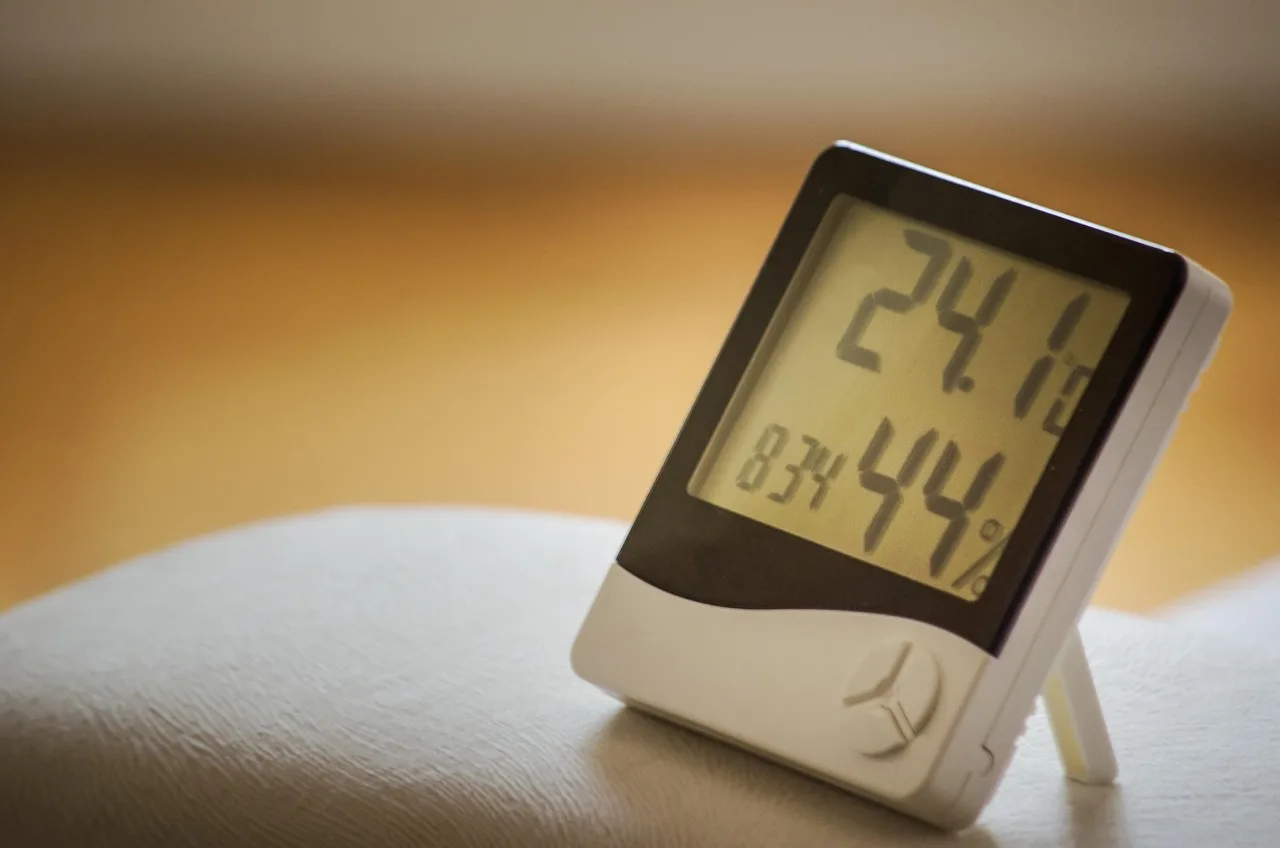
Yes. Environmental stress can curl leaves even when watering is reasonable. Direct sun can scorch tissue, dry air can pull moisture from thin leaves, and drafts or sudden temperature swings can trigger curling on plants that otherwise look healthy.
Excess light and direct sun scorch
Too much light can cause older leaves to curl at the tips. Newer leaves may be smaller than normal with brown edges under light stress. If the plant sits in direct sun for hours, move it back from the glass or filter the light with a sheer curtain.
Dust on the leaf surface can make this worse by interfering with gas exchange and light capture. A gentle wipe can help if the plant tolerates it.
Low humidity in tropical houseplants
Low humidity is often a cause in many tropical houseplants, including calatheas, ferns, and prayer plants. Dry air often shows up as curling, edge crisping, and faster moisture loss from thin leaves. A humidifier is a direct fix, and a pebble tray may help a little in a small area.
Misting can help only briefly. It raises humidity only briefly and rarely changes the room enough for a lasting fix. If the air stays dry, the curling usually returns.
Drafts, cold shock, and heat stress
Cold drafts from windows or vents, a sudden chill from moving a plant near a door, or heat from a radiator can all trigger curl. Keep plants in a stable indoor range and away from abrupt airflow. Even a healthy plant can react fast to a temperature swing.
What pests should you inspect for?
Sucking pests can distort leaves and cause curling. Aphids, thrips, and whiteflies are common culprits. Check the undersides of leaves and the growing tips first, because those are the spots where insects hide and feed before the damage becomes obvious.
What pest damage often looks like
Aphids often cluster on soft new growth and distort it. Thrips can leave silvery scarring, specks, and curled or puckered leaves. Whiteflies may lift off in a small cloud when disturbed, and their feeding can leave leaves weak, sticky, and misshapen.
A common first-timer mistake is spraying a plant for humidity when the real problem is pests on the new growth. If the newest leaves look twisted or cramped while the soil feels normal, inspect before you water again.
When should you repot or change the soil?
Repot when the mix stays wet for too long, when roots are damaged, or when root rot is suspected. If the pot lacks drainage holes, the odds of waterlogging rise sharply. If the plant stays wet, smells sour, or droops despite moist soil, a fresh container and mix may be the next step.
How to tell if curled leaves are from root rot
Root rot usually starts below the surface. The plant may look thirsty even though the soil is wet, and leaves can curl, yellow, or collapse. Remove the plant from the pot and inspect the roots if the symptoms point that way. Healthy roots are firm; rotted roots are soft, dark, and damaged.
When repotting is the next step
If the mix remains soggy after watering and the container has poor drainage, repotting can stop the cycle. Trim damaged roots if needed, move the plant into fresh soil, and use a pot with drainage holes. If the roots are still mostly firm, the plant often has a better chance of recovery.
Will curled leaves uncurl again after fixing the problem?
Sometimes, but not always. Soft curl caused by thirst, dry air, or mild heat stress may improve once the problem is corrected. Leaves with brown edges, scarring, rot damage, or severe distortion often stay marked even after the plant recovers, so watch the new growth for the real sign of progress.
If the curl came from pests or root rot, the damaged leaves may remain deformed while healthier leaves emerge later. That is normal. Focus on preventing the next flush of growth from repeating the same stress.
Frequently asked questions
Why are my houseplant leaves curling?
Houseplant leaves curl because the plant is stressed, not because one single problem is always present. The main causes are underwatering, overwatering, pests, light stress, low humidity, and temperature shock. Direction, texture, leaf age, and soil feel narrow the cause faster than a generic symptom list.
What does it mean when houseplant leaves curl up?
Upward curl often points to dryness, excess light, or heat stress. If the curl is crisp and the soil is dry, underwatering moves to the top of the list. If older leaves curl first on the sunniest side, direct light is a stronger suspect.
Can low humidity cause leaves to curl on indoor plants?
Yes. Low humidity is a frequent cause of curl in tropical houseplants with thin leaves. Dry air can lead to edge crisping, inward curl, and smaller new growth. A humidifier is the best fix, while a pebble tray offers a smaller, local effect.
What pests cause houseplant leaves to curl?
Aphids, thrips, and whiteflies can all cause curling by feeding on sap and deforming new growth. Inspect the undersides of leaves and the growing tips first, because those are common hiding places. Distorted, puckered, or scarred new leaves are a strong clue.
When should I repot a houseplant with curled leaves?
Repot when the mix stays wet too long, the container lacks drainage holes, or root rot seems likely. If the plant wilts in wet soil, has a sour smell, or shows soft brown roots, fresh soil and a better-draining pot are often the next move.
Will curled leaves uncurl again after fixing the problem?
Some leaves will flatten if the stress was mild and recent, especially with underwatering or low humidity. Leaves that are brown-edged, scarred, or badly distorted usually stay that way. New growth is the better measure of recovery than old damaged leaves.