How to Propagate Houseplants From Stem Cuttings
Take stem cuttings with at least one node, cut just below that node so it stays on the cutting, remove lower leaves, and root them in water, perlite, or potting mix. Use soft, green growth for fast rooters and firmer stems for slower woody types. Bad cutting choice or a soggy medium usually leads to rot, weak roots, or a dead cutting. This guide shows how to match cutting type, rooting medium, and method to common houseplant growth habits so your odds are good on the first try.
Start with stem cuttings

Propagation means making new plants from stem, leaf, or root pieces taken from an existing plant. With stem cuttings, the new plant is a clone of the parent plant, so the leaf shape, color, and habit stay the same. Stem cuttings work well for many hanging or vining plants, but they are not the right method for every houseplant.
Use stem cuttings when the plant has a flexible stem, visible nodes, and healthy new growth. Cut just below a node so the node remains on the cutting, because roots typically emerge from nodes. If you want the parent plant to regrow, leave at least one node on the stump as well.
What you’ll need
- A sterile cutting tool such as pruning shears, scissors, or an X-Acto knife
- Rubbing alcohol or diluted bleach for sanitizing tools
- Small containers with drainage holes, preferably shallow
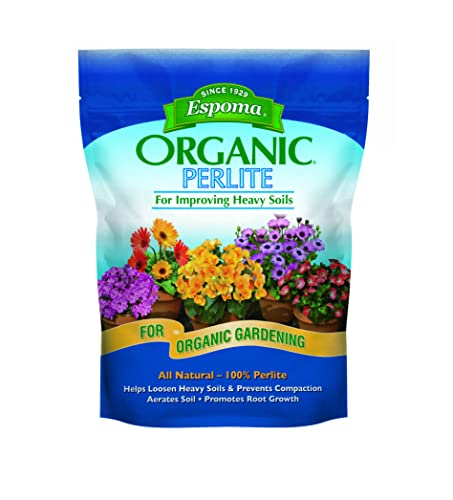
- Light potting mix with drainage amendment such as perlite or vermiculite
- Seed-starting mix if you want a finer rooting medium
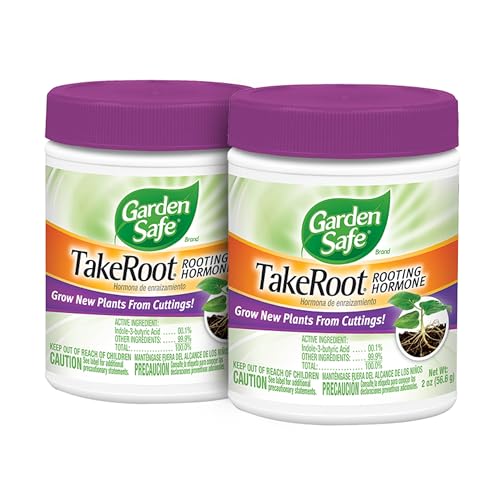
- Optional rooting hormone powder for a dip before planting
- Clean water for water propagation
- Bright, indirect light near a window or grow light
- Sanitize the blade before each plant or batch of cuttings.
- Fill small pots with a light, well-draining mix that will not stay soggy.
- Set the containers where the cuttings will get bright, indirect light.
- If you plan to root in water, choose a clear container that holds the stem upright.
- Keep rooting hormone ready only if the species benefits from it; many do fine without it.
Which houseplants root best from cuttings?
Pothos, philodendron, coleus, monstera, hoya, and many vining plants are commonly used candidates for stem cuttings. Jade can also be propagated from stem or tip cuttings, though its stems are firmer than a vine. Snake plant usually needs leaf section cuttings, not stem cuttings, and peperomia may need a different cutting type depending on the species. Early spring through the main growing season is the best window for most houseplants because active growth supports rooting, while cool, dim months slow recovery and raise rot risk (yardandgarden.extension.iastate.edu; Late fall and winter houseplant care).
The growth habit tells you which method fits. Vining and hanging plants usually root from stem cuttings with ease. Cane plants and thicker-stemmed houseplants need a firmer cutting and more attention to rot control. Succulents often need a dry rest or a very airy medium before watering, and some species root better from leaves than from leafy stem pieces.
Match plant habit to cutting type
Use soft stem cuttings for fast-rooting vines. Use firmer pieces for woody or thick-stemmed plants. If the plant stores water in thick leaves or stems, a standard leafy stem cutting may fail even if the plant is healthy. A few species also root more reliably from a leaf, cane section, or tip cutting than from a typical vine segment.
Know which plants need another method
Snake plant is a good example. It does not fit the usual stem-cutting approach. If the plant’s stem is hollow, woody, or leafless, look for a leaf, tip, or section method that matches the species instead of forcing a leafy stem cutting. Succulent cuttings also need species-specific handling: many should callus before planting, and some should not be watered right away.
How do you take a good cutting?
Take a cutting that includes at least two nodes, because new roots form near node tissue. For many houseplants, a stem piece about 3 to 6 inches long is a common practical target for stem cuttings. Remove the lower leaves so the bare nodes can contact water or mix.
Cut between nodes and internodes with a sterile blade. That keeps damage clean and lowers disease spread. If the stem is weak, hollow, or brown inside, skip it. That tissue usually rots before it roots. Sanitation matters because unclean tools can spread bacteria and fungal disease from one plant to the next.
Find the nodes
Nodes are the points where leaves attach. They often look like small bumps, leaf scars, or joints along the stem. Roots develop from this area, so the node must stay on the cutting.
Cut between nodes
Make the cut in the smooth section just below a node, not through a node itself. That leaves intact node tissue on the cutting and gives the plant the best chance to root. If you want the parent plant to regrow, keep at least one node on the remaining stump so new growth can emerge.
Trim to the right length
Shorter cuttings are easier to handle, but they still need enough nodes to root well. For many vines, keep 3 to 6 inches with at least two nodes. If the stem is long and leggy, separate it into several cuttings rather than keeping one oversized piece.
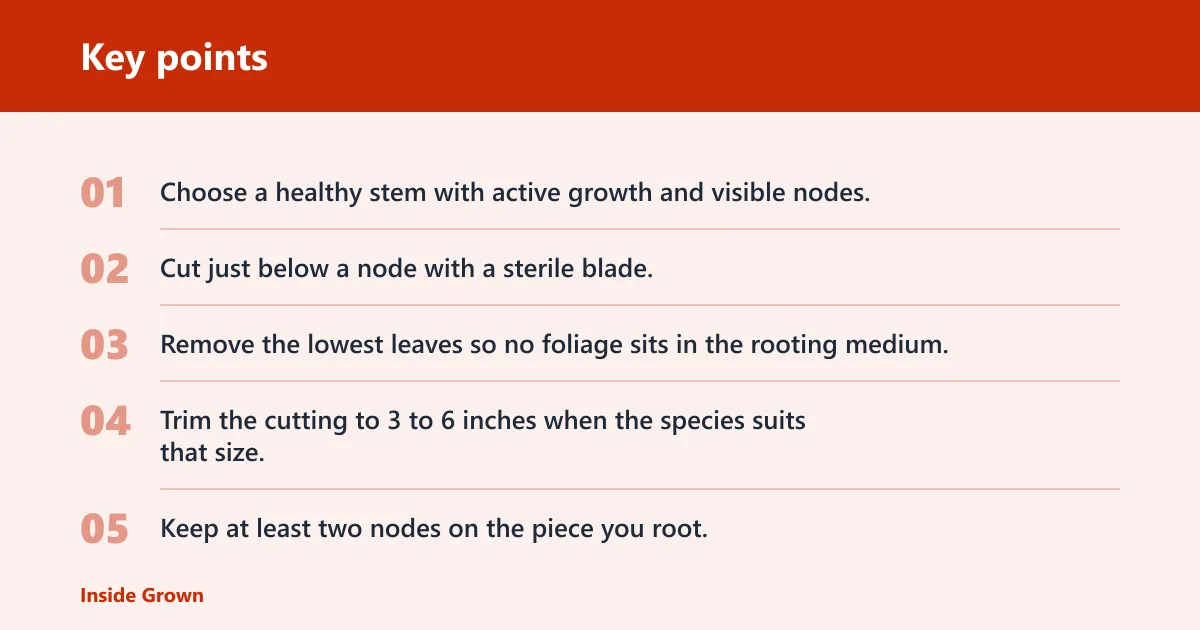
- Choose a healthy stem with active growth and visible nodes.
- Cut just below a node with a sterile blade.
- Remove the lowest leaves so no foliage sits in the rooting medium.
- Trim the cutting to 3 to 6 inches when the species suits that size.
- Keep at least two nodes on the piece you root.
Should you root cuttings in water or soil?
Both methods work for many stem cuttings. Water is easier to monitor because you can see roots forming along the stem, which helps beginners spot progress and problems early. Soil or mix rooting usually means less transplant shock later, because the roots form in the medium the plant will keep growing in. Water is best for observing roots; soil is often better for species that react poorly to long, wet exposure or that need a more direct transition into potting mix.
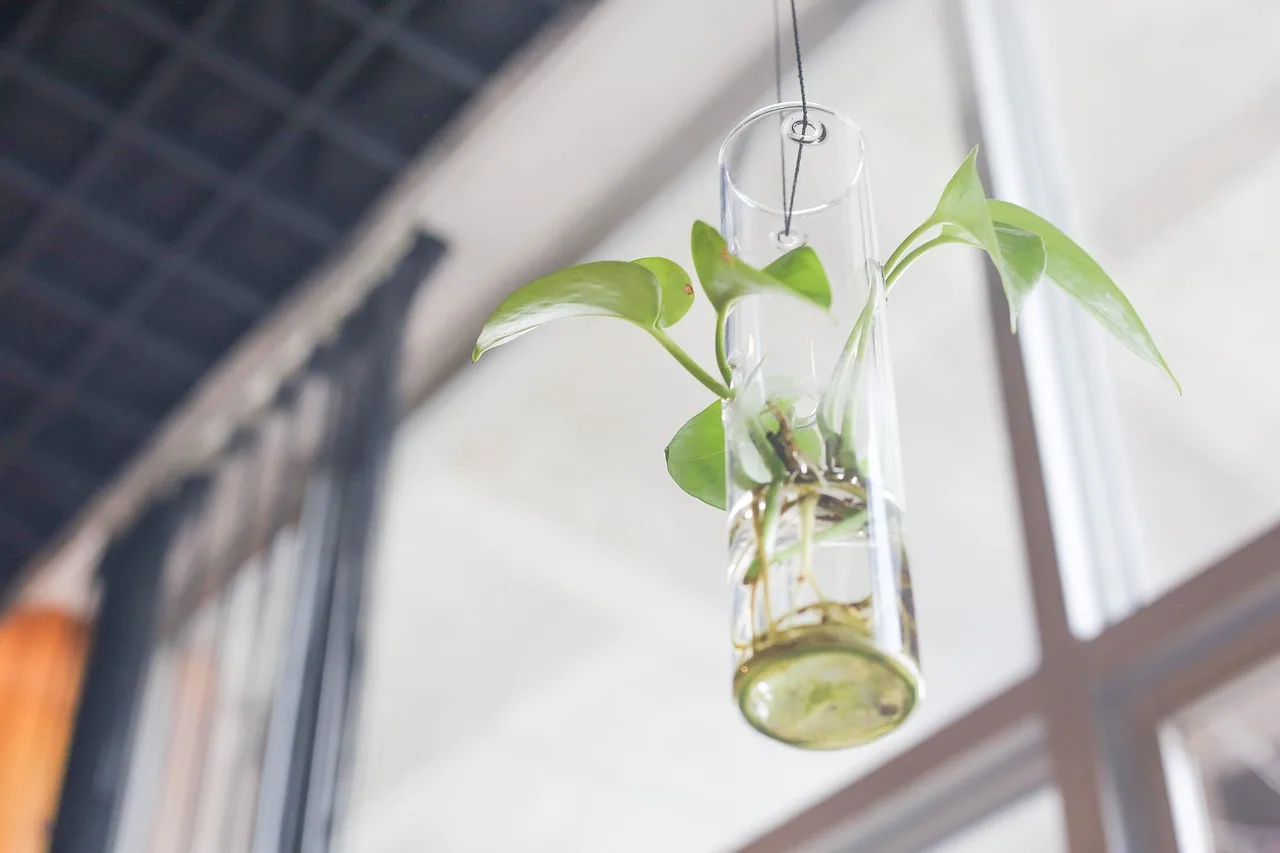
Water suits simple, leafy vines like pothos and philodendron. Soil suits species that dislike long water rooting, or cuttings that rot when held wet too long. Use the method that matches the plant habit and your monitoring style.
Use water for simple monitoring
Water propagation is useful when you want to watch root growth and change water often. Keep only the node area submerged. If the cutting softens, darkens, or smells sour, move it out of the jar and recut into firmer tissue. New water should stay clean and fresh, because stagnant water encourages decay.
Use soil for a faster transplant
Soil rooting avoids the switch from water to mix later. Put the cutting into a light potting mix with perlite or vermiculite, and keep it just barely moist, like a wrung-out sponge, not wet or muddy. This is often better for cuttings that drop leaves or rot in standing water. If you do start in water, move the cutting to mix once roots are a few inches long and have begun to branch, not after they become long and brittle.
Stem cutting decision table
| Plant habit | Example species | Best cutting method | Ideal node placement | Ideal cutting length | Node count | Rooting hormone help? | Rooting medium | Expected rooting window | Most likely failure signal | Best correction | Best for beginners |
|---|---|---|---|---|---|---|---|---|---|---|---|
| Vining plants | Pothos, philodendron, monstera adansonii, hoya | Soft stem cutting with nodes | Cut just below a node; keep one or more nodes above the cut | 3 to 6 inches | At least 2 nodes | Usually not necessary, but may help slower pieces | Water or light potting mix | 1 to 4 weeks | Cloudy water, mushy node, or blackened base | Recut to firm tissue, refresh water, or move to a lighter mix | Yes, especially pothos and philodendron |
| Cane plants | Dracaena, dieffenbachia, aglaonema | Stem section with a node | Place the node just above or at the medium line so it can form roots | 3 to 4 inches | At least 2 nodes | Can help, especially on slower cane sections | Light mix with perlite | 3 to 8 weeks | Leaf drop before roots form | Increase humidity slightly, keep the mix barely moist, and wait for new root growth | Sometimes, if stems stay firm |
| Succulents | Jade, kalanchoe, string of hearts, some echeveria types | Firmer stem piece or tip | Keep the lowest node or stem end just on or above the surface; let the wound callus first | 3 to 4 inches | At least 2 nodes if present | Usually unnecessary and often not helpful | Very airy mix with drainage | 2 to 6 weeks | Soft, translucent tissue or base collapse | Let the cutting dry longer, remove any mushy tissue, and restart in a drier airy mix | No, unless the species is known to root easily |
| Thick-stemmed plants | Jade, croton, rubber plant, some woody houseplants | Firm stem cutting or section | Keep at least one healthy node on the cutting and avoid burying too much stem | 3 to 6 inches | At least 2 nodes | Sometimes helps, especially with woody tissue | Seed-starting mix or light potting mix | 4 to 10 weeks | Hollow stem, dried-out cut end, or rot at the cut end | Recut to sound tissue, reduce moisture, and give bright indirect light | No, unless you can control moisture closely |
How do you plant rooted cuttings?
Pot rooted cuttings when roots are visible and sturdy enough to hold the cutting upright. Move water-rooted cuttings into mix once roots have several branches instead of only a single thread. Use a small pot with drainage holes, because extra wet media around a tiny root system raises rot risk.
Set the cutting in a shallow container first, especially if the root ball is still small. Keep the medium lightly moist after potting, then reduce watering as the plant starts pushing new growth. Water roots adapt best when the move happens before they become overly long, brittle, or crowded in the jar.
Pot up at the right root stage
Do not wait until the roots are tangled and long in water. Move the cutting to mix while the roots are still young and flexible. That makes the transition easier and lowers the chance of transplant shock.
Move into brighter light gradually
Keep new cuttings in bright, indirect light while they root. Avoid harsh direct sun, which can dry tender leaves and stress the cutting. After roots form, move the plant toward stronger light little by little.
- Fill a small pot with drainage holes using a light mix with perlite or vermiculite.
- Make a hole in the center so the roots do not bend sharply.
- Set the cutting at the same depth it rooted.
- Top up with mix in 1 tablespoon increments, then recheck the stem height.
- Water lightly until the mix settles, then let the top layer dry slightly before watering again.
Common mistakes
Soft rot usually starts when the medium stays wet and the stem stays cold or crowded. Hollow stems, blackened cut ends, or a sour smell mean the cutting has already been damaged. Remove the failed piece, sterilize the tool again, and restart with firmer tissue.
Spot soft rot early
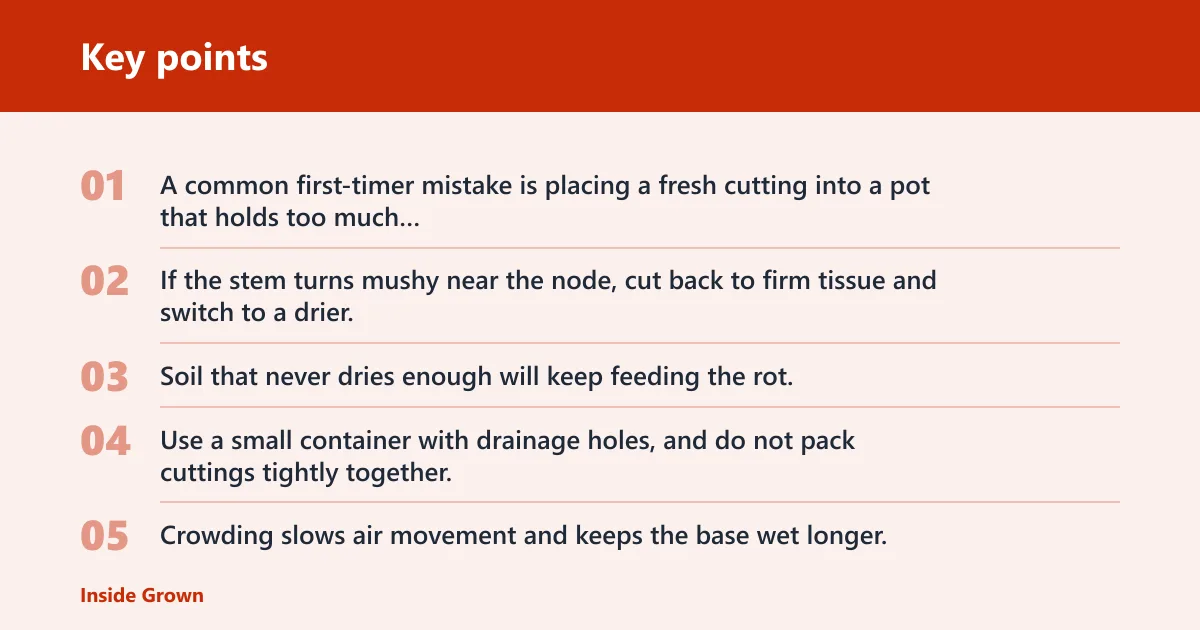
A common first-timer mistake is placing a fresh cutting into a pot that holds too much water. If the stem turns mushy near the node, cut back to firm tissue and switch to a drier, airier medium. Soil that never dries enough will keep feeding the rot.
Avoid wet media and crowded pots
Use a small container with drainage holes, and do not pack cuttings tightly together. Crowding slows air movement and keeps the base wet longer. A shallow pot is often better than a deep one for fresh cuttings.
Watch for leaf drop and hollow stems
Leaf drop can happen when the cutting loses more water than it can replace. If the stem is hollow or soft, it may not recover. Cut above the damaged area and restart with healthy tissue if any firm section remains.
Picture a 4-inch pothos piece sitting in water on a dark shelf. The stem stays firm for a week, then the water goes cloudy and the lowest node softens. The fix is to refresh the water, trim below the damaged tissue, and move the jar to bright, indirect light.
Suppose a jade cutting sits in a dense mix that stays wet for days. The leaves may wrinkle even though the pot feels damp, because the stem has started to fail. In that case, recut the stem, let the wound dry briefly, and restart in a lighter mix with more perlite. Succulents generally need a longer dry/callus period before watering than leafy vines do.
When is the best time to propagate houseplants?
The best time to take cuttings is during the growing season. Early spring is ideal, and spring and summer are common rooting windows. Late fall and winter houseplant care raise rot risk because growth slows and wet media stays wet longer.
If you can choose only one season, start in early spring. Active growth gives the cutting more energy to produce roots and new leaves. (Iastate)
Frequently asked questions
How do you propagate houseplants from stem cuttings?
Cut a healthy stem below a node, keep at least two nodes on the piece, and root it in water or a light mix. Place the cutting in bright, indirect light, then move it to a small pot with drainage holes after roots form and begin branching.
How do you properly propagate plant cuttings?
Use a sterile blade, choose a stem with firm nodes, and avoid soggy media. Rooting hormone is optional, not required for many plants. The safest setup is a shallow container, a light mix with perlite, and steady bright, indirect light.
How do you take cuttings from houseplants?
Look for a healthy stem with visible nodes, then cut just below a node so the node stays on the cutting. Remove lower leaves so they do not sit in water or mix. For many stems, 3 to 6 inches is a practical length, and 3 to 4 inches is a common target.
How long should a stem cutting be for propagation?
A 3- to 4-inch piece is a common target, and many stem cuttings do well at 3 to 6 inches. More important than length is node count: keep at least two nodes, because roots form near node tissue and the cutting needs enough growth points.
How do you stop cuttings from rotting?
Keep the medium light and draining, use small containers with drainage holes, and avoid burying too much stem. Bright, indirect light helps cuttings stay active without drying out. If the cut end softens, recut to firm tissue and restart in a drier setup.