How to Keep Basil Alive Indoors Longer
Keep basil alive indoors longer by giving it 12–16 hours of strong light, watering when the top inch of mix dries, pinching stems back to just above a pair of leaves, and removing flower buds at once. Skip those steps and basil turns leggy, flowers early, and drops flavor fast. This guide covers light, watering, pruning, feeding, temperature, and the fixes that slow bolting.
Can basil live indoors year-round?


Basil can stay productive indoors for months, and sometimes longer, but it behaves like a short-lived annual herb rather than a permanent houseplant. The goal is extended leaf production, not indefinite survival. In winter and low-light rooms, growth slows, stems stretch, and flowering often starts sooner.
Why basil fades indoors
Basil needs strong light, warm temperatures, and frequent trimming. Indoors, one of those usually slips. Short winter days cut photosynthesis. Cool glass can chill roots. If light drops and harvests stop, the plant shifts from leaf growth to flowering.
Say your basil sits on a north window in January and gets only a few weak hours of sun. It may stay green for a while, then thin out at the top and stall. That is a light problem, not a mystery disease.
When to keep it going and when to restart
Keep a basil plant going while the stems are still firm, the center is producing new leaves, and the base has not collapsed into bare wood. Restart from cuttings when the plant is mostly leggy, flowering hard, or rootbound and declining faster than it can recover.
Give basil enough light indoors
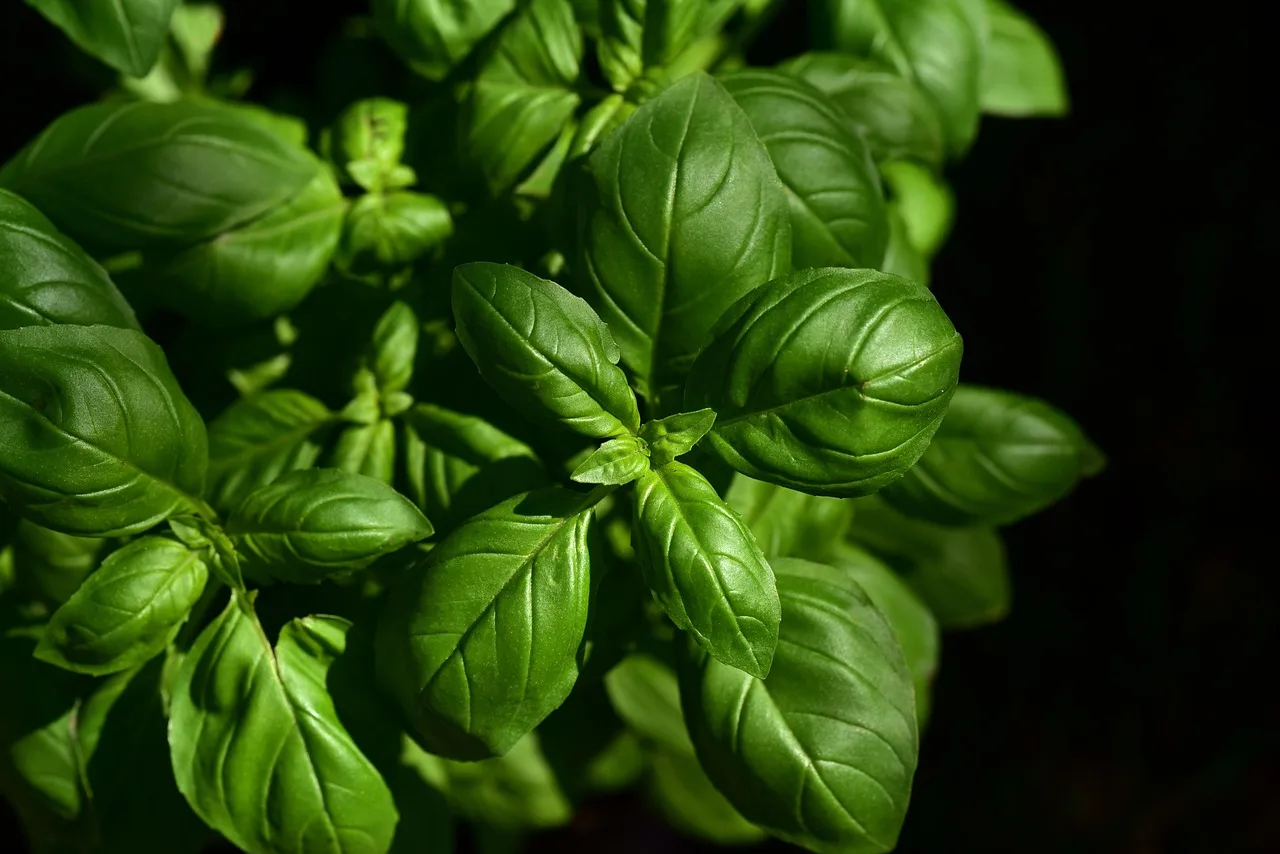
Basil needs bright light to stay compact and leafy. A common rule of thumb is 12–16 hours of strong light each day indoors. A south- or west-facing window can work in spring and summer, but winter and dim rooms usually need a grow light to keep basil productive.
How many hours of light basil needs
For steady indoor growth, basil does best with about 12–16 hours of light each day. Less than that often leads to long gaps between leaves, thin stems, and slow regrowth after cutting. The stronger the light, the less basil stretches toward it.
When a window is enough
A south-facing window is usually the strongest indoor option. A west-facing window can also work if it gets several hours of direct sun. An east window may support basil in bright seasons, but it often falls short in winter. North-facing light is usually too weak on its own.
How to use a grow light for basil
Use a full-spectrum grow light when the room is dim, the season is dark, or the plant starts stretching toward the glass. Most setups work best when the bulb or panel sits about 6 to 12 inches above the foliage. Raise the light as the plant grows so the top leaves do not scorch.
| Light source | When it can work | Typical placement |
|---|---|---|
| South window | Bright spring and summer rooms | As close to the glass as practical, with no cold draft |
| West window | Moderate light rooms | Within a few feet of the glass, with direct afternoon sun if possible |
| Grow light | Winter, shaded rooms, short-day conditions | About 6 to 12 inches above foliage |
What pot and soil does basil need?
Basil needs a pot with drainage holes and enough volume for roots and top growth. A container that is too small dries too fast and crowds the roots; one without drainage traps water and invites root rot. Use a well-draining potting mix that still holds some moisture.
Why drainage holes are non-negotiable
Drainage holes prevent standing water at the bottom of the pot. That matters because basil roots need oxygen as well as moisture. If water collects in the saucer or pot base, roots can suffocate and rot, especially in cool indoor conditions.
Best pot size for a basil plant
For one basil plant, a pot holding about 1 gallon is a practical minimum. Bigger is often better indoors because basil grows fast aboveground and belowground. If several seedlings share a pot, they will compete for light, water, and root space.
Choosing a well-draining potting mix
Use a potting mix made for containers, then look for a texture that drains freely instead of staying muddy. Herb mixes often work better than dense houseplant mixes because they dry more evenly. If a mix feels heavy or compacted, add perlite or coarse bark to open it up.
How often should you water basil indoors?
Water basil when the top inch of mix is dry, rather than on a fixed calendar. That usually means checking the pot before every watering. Basil hates soggy soil, but it also droops quickly when roots go dry, so the goal is even moisture without standing water.
Use soil dryness, not the clock
Stick a finger into the top inch of soil. If it feels dry, water. If it still feels damp, wait. The exact timing changes with pot size, light, room temperature, and season. A bright warm room may need water more often than a cool winter sill.
How to water without soaking the roots
Water until a little runs from the drainage holes, then empty the saucer after the pot drains. Do not leave the pot sitting in runoff. That is one of the quickest ways to create root rot indoors. Keep the soil moist, not swampy.
How watering changes in warm and cool seasons
In warm, bright months, basil drinks faster and may need checking every day or two. In winter, growth slows and the pot stays wet longer, so watering usually becomes less frequent. The same plant can need very different care across seasons.
A common first-timer mistake is watering on Saturdays because that sounds “regular.” If the top inch is still damp, the plant does not need another dose. Basil responds better to a dryness check than to a rigid schedule.
How do you harvest basil so it keeps growing?
Harvest basil by pinching or cutting just above a node, the point where a pair of leaves meets the stem. That tells the plant to branch from that spot. Regular trimming keeps basil bushier, delays flowering, and extends the productive phase indoors.
Pinch above a node to trigger branching
Find a stem with at least two sets of leaves. Cut or pinch just above the upper pair. New side shoots form below the cut, which gives you more stems to harvest later. Never strip only the biggest lower leaves and leave the top untouched for long.
How often to trim the plant
Trim often enough that no stem gets too tall and bare. A light harvest every 1 to 2 weeks is common when the plant is growing well. The exact pace depends on light and warmth. If growth slows, harvest less and wait for new pairs of leaves to form.
Why flower buds should come off fast
Flower buds often signal bolting. Once basil starts flowering, leaf flavor often gets sharper and less sweet, and new leaf growth slows. Remove buds as soon as they appear. If a stem has already flowered, cut it back to a healthy node below the bloom.
Basil rescue checklist
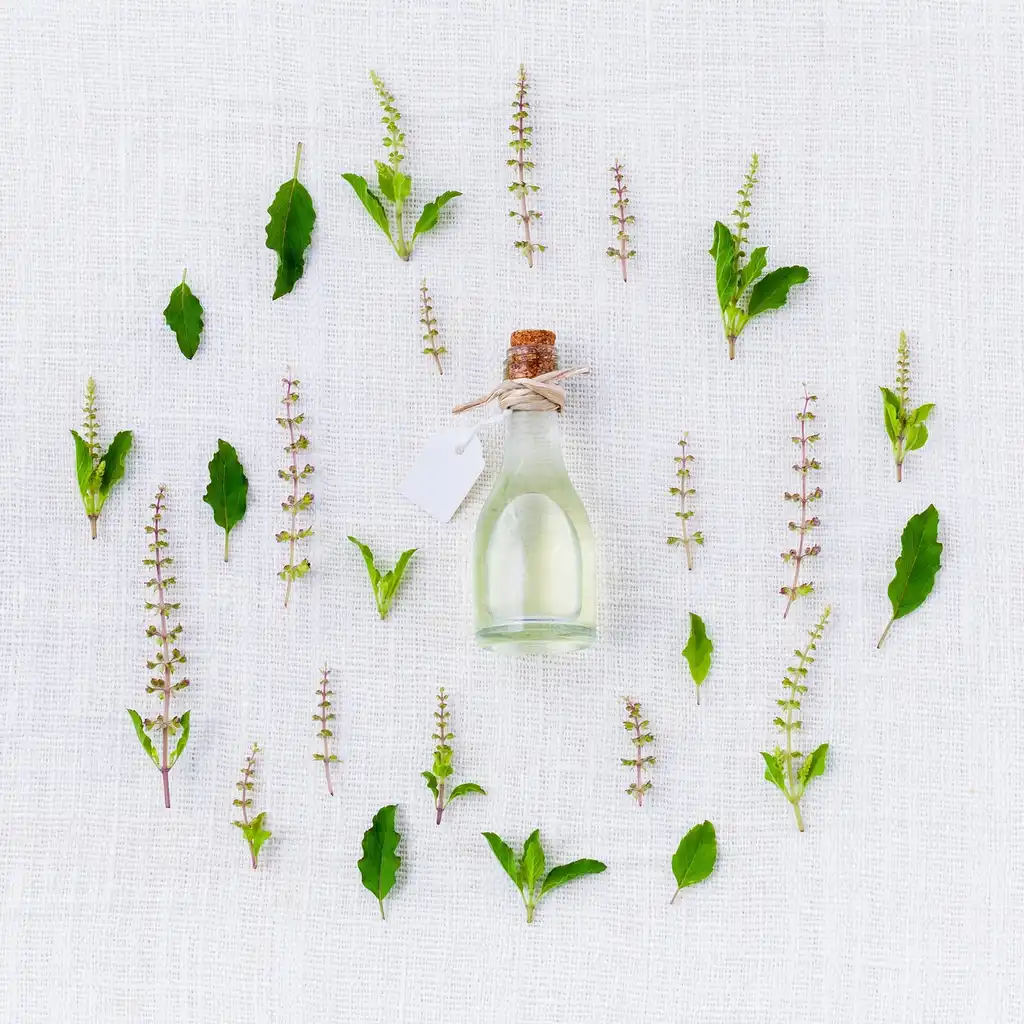
When basil declines indoors, treat the symptom you see instead of guessing. Leggy growth, yellowing, wilting, flowering, and rootbound roots usually point to different problems. Use the checklist below to choose one action path and avoid piling on fixes that make the plant weaker.
| Failure state | Likely cause | Change today | What to avoid for 7 days | Prune, repot, or restart? |
|---|---|---|---|---|
| Leggy growth | Too little light | Move to brighter sun or add a grow light 6–12 inches above the foliage; pinch stems above a node | Heavy watering, fertilizer, and leaving long stems uncut | Prune now; restart from cuttings if stems are bare and weak |
| Yellowing leaves | Too much water, poor drainage, or low light | Check drainage holes, let the top inch dry, and move the plant to stronger light | Watering on a fixed schedule and feeding heavily | Repot if soil stays wet; prune damaged leaves |
| Wilting | Dry soil, heat stress, or root damage from soggy mix | Water thoroughly if the soil is dry; if soil is wet, improve drainage and wait | More fertilizer, cold drafts, and repeated overwatering | Repot if roots are damaged; restart if stems collapse |
| Flowering | Plant is shifting from leaf growth to reproduction | Remove flower buds and cut stems back to healthy nodes | Letting flowers open and skipping harvests | Prune immediately; restart from cuttings if flavor has declined sharply |
| Rootbound plant | Roots have filled the pot | Move to a larger pot with drainage holes and fresh mix | Keeping it cramped and watering more often to compensate | Repot now; restart from cuttings if roots are circling tightly and growth is stalled |
Suppose a 6-inch pot basil plant looks tall and thin, with four inches between leaf sets. The fix is not more water. Move it under stronger light, pinch back the tallest stems above a node, and wait for side shoots to fill in.
Say the lower leaves turn yellow while the soil stays damp two days after watering. That points more toward excess moisture or poor drainage than hunger. Ease up on watering, confirm that the pot drains freely, and repot if the mix stays wet for too long.
- Check the top inch of soil.
- Inspect the drainage holes.
- Look for flower buds at the tips.
- Measure light exposure against the 12–16 hour target.
- Decide whether to prune, repot, or restart from cuttings.
How to keep basil healthy indoors long term
Keep basil in a warm room, feed lightly, and keep air moving around the leaves. A daytime indoor range around 65 to 75°F often works well, and nights should stay above about 55°F. Cold drafts, hot vents, and stale air all push basil toward stress.
Temperature range and draft avoidance
Basil slows down in cool rooms and can suffer near cold windows at night. Keep it away from drafty glass and from heat sources that blast dry air. The goal is steady warmth, not a hot corner.
How to fertilize without overdoing it
Use a balanced fertilizer at light strength during active growth. Too much fertilizer, especially nitrogen-heavy feeding, can make basil lush but weak, with soft stems and less concentrated flavor. In winter or during slow growth, feeding should be reduced or paused.
Why airflow matters
Gentle air movement helps leaves dry after watering and reduces the odds of fungal issues. It should not dry the plant out. If the room is still, a small fan on low across the area, not blasting the plant, is usually enough.
One practical split matters here: living basil care is about keeping the plant productive, while cut basil storage is about slowing wilt after harvest. Once stems are cut, water in a glass or wrap them for the fridge if you need short-term storage. That does nothing for the potted plant itself.
Frequently asked questions
How to keep basil growing all year
Use supplemental light in winter, because natural day length and intensity usually drop too far for steady basil growth. Keep temperatures warm, avoid cold drafts, and trim regularly. Even then, expect slower growth in darker months and be ready to restart from cuttings if needed.
How much light does basil need indoors?
Basil generally needs about 12–16 hours of bright indoor light to stay compact and leafy. A south-facing window may be enough in sunny months, but winter or shaded rooms usually need a grow light placed about 6 to 12 inches above the foliage.
Why does indoor basil keep dying?
Indoor basil most often fails from too little light, overwatering, cold stress, or letting it flower unchecked. Yellowing, drooping, and legginess usually point to one of those issues. The fastest rescue is better light, drainage, and pruning at nodes.