Spider Plant Care Indoors: Light, Water, and Fixes
Water spider plants when the top 1 inch of soil is dry, keep them in bright indirect light, flush the pot monthly if you use hard water, and trim brown tips only after fixing the cause. Skip that routine and the plant often thins, tips burn, and the soil swings between soggy and dry. This guide covers light, watering, winter changes, propagation, and brown-tip fixes.
What you’ll need


- A pot with drainage holes and a saucer
- A loose, airy potting mix that drains fast and is often kept close to neutral pH
- Room-temperature distilled, bottled, purified, or rainwater
- Clean snips for baby plants
- A small pot for rooting spiderettes
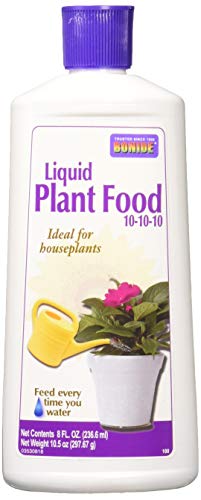
- Optional, a light houseplant fertilizer for active growth
📊 Spider plants are commonly kept between 50°F and 80°F indoors. Source: Wikihow.
Start with bright indirect light. Spider plants tolerate lower light, but growth slows there and baby production drops. An east- or west-facing window is usually a good fit. Keep the plant out of direct midday sun, which can scorch leaves.
Use lower light only when growth can slow
Lower light works if survival is the goal, not steady new growth. Variegated, green, and curly forms all want the same basic light pattern, but curly types often look best with brighter indirect light because the leaves stay tighter when growth is stronger.
If a spider plant sits several feet from a bright window and starts making fewer spiderettes, light is usually too low, not fertilizer too weak. Move it closer to the window, but keep it out of direct sun.
How should you water a spider plant indoors?
Water when the top 1 inch, or 2 to 3 cm, of soil is dry. Water thoroughly, then empty the saucer so the roots do not sit in runoff. In many homes, winter watering can stretch to 10 to 21 days, because lower light and cooler indoor air slow drying.
- Check the top 1 inch of soil with a finger.
- If it feels dry, water until moisture runs from the drainage holes.
- Wait a few minutes, then pour off any water left in the saucer.
- Recheck the top layer before the next watering so you respond to soil, not the calendar.
A common first-timer mistake is watering on a fixed weekly schedule even when the mix is still damp. That keeps the pot too wet and raises the risk of root rot.
Spider plant care checklist
| Care area | Exact threshold or decision point | What to do |
|---|---|---|
| Light placement | Bright indirect light, near an east- or west-facing window | Keep out of direct midday sun; move closer if growth slows and babies are sparse |
| Watering trigger | Top 1 inch, or 2 to 3 cm, of soil is dry | Water thoroughly, then empty the saucer |
| Winter adjustment | Drying slows in many homes | Expect longer gaps, often 10 to 21 days, before watering again |
| Soil and drainage | Loose, airy, fast-draining mix in a pot with drainage holes | Use a slightly snug container if needed, and never leave water standing under the pot |
| Fertilizer timing | Active growth only | Feed lightly every 3 to 4 weeks in spring and summer, or skip if growth is slow |
| Brown-tip triage | Tips are brown while the rest of the plant still looks firm | Switch to distilled, bottled, purified, or rainwater, then flush the pot monthly if needed |
| Baby-plant rooting | Spiderettes have small roots or root bumps | Root while attached or after snipping, in a small pot with lightly moist mix |
How do you care for spider plant babies indoors?
You can root spiderettes while they are still attached to the parent plant, or snip them and root them separately. Put each baby in a small pot of mix, keep it in bright light, and hold the mix lightly moist until roots take hold. A tiny container helps because excess wet soil slows rooting.
Root while attached or after cutting
Set the baby’s base against the mix if roots are visible, or pin the node onto the soil surface while it remains attached. If you cut it free, use clean snips and plant the base just deep enough to stay upright. Bright indirect light helps new roots form.
Then water in about 2 to 4 tablespoons for a 3- to 4-inch pot, then recheck the mix after a day or two. Add more only if the top layer starts to dry. That keeps the baby moist without turning the pot soggy.
How to care for spider plants indoors in winter
In winter, keep the same light target but water less often because growth slows and the mix dries more slowly. The main change is timing, not a new routine. Check soil before each watering, move the plant away from cold drafts and AC vents, and avoid feeding unless active growth is clear.
Reset the routine for slower drying
When indoor air is drier or the days are shorter, a spider plant may stay damp for longer than expected. That is normal. Use the soil test every time, then wait until the top 1 inch is dry before watering again.
If your plant is in a warm room near an east-facing window and the pot still feels heavy after 12 days, do not water on schedule. Wait until the top layer dries, then water thoroughly and drain the saucer.
What soil is best for an indoor spider plant?
A loose, airy, fast-draining potting mix is the safest choice. Neutral pH is preferred, and the pot should have drainage holes. Slightly snug containers are fine because spider plants do not mind being a bit root-bound. Dense soil traps water and makes root problems more likely.
Pick drainage over density
If the mix stays wet for too long after watering, replace it with a lighter potting blend rather than adding more water between checks. A hanging basket or tabletop pot both work, as long as excess water can leave the container.
Why does my spider plant get brown tips?
Brown tips are often tied to water stress, salts or minerals in tap water, overfertilizing, or dry air. Fix the likely cause first, then trim the damaged tips if you want a cleaner look. If the plant also wilts or smells sour, check for root rot rather than treating it as a tip-only problem.
Start with water quality and feeding
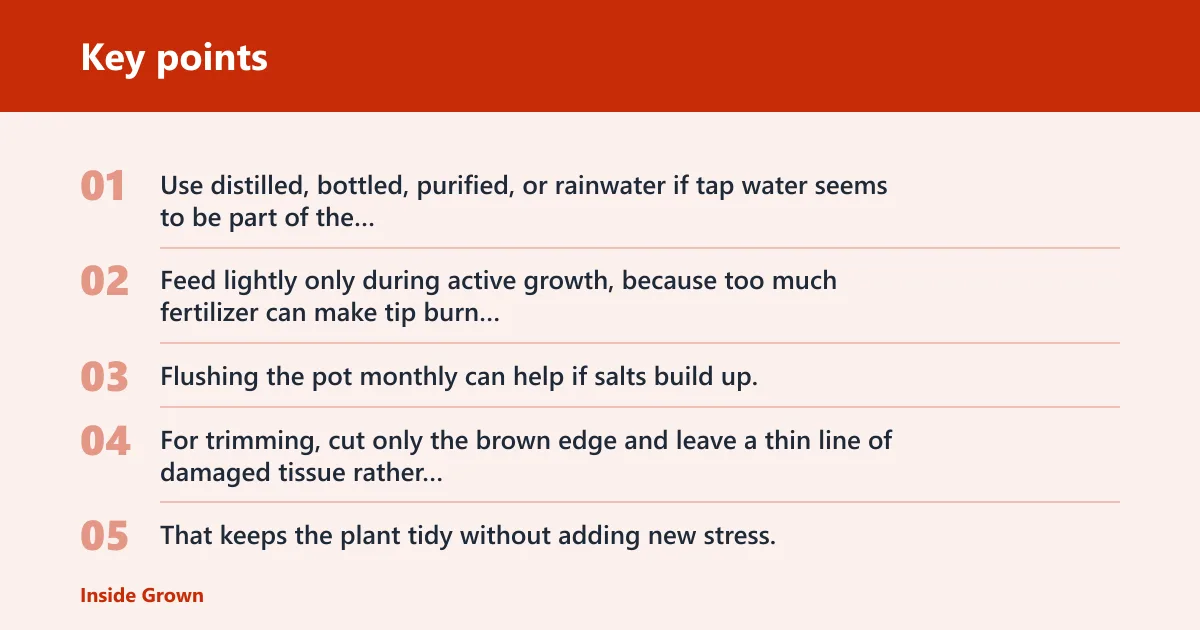
Use distilled, bottled, purified, or rainwater if tap water seems to be part of the problem. Room-temperature water is the better choice. Feed lightly only during active growth, because too much fertilizer can make tip burn worse. Flushing the pot monthly can help if salts build up.
For trimming, cut only the brown edge and leave a thin line of damaged tissue rather than clipping deep into green leaf tissue. That keeps the plant tidy without adding new stress.
Should I repot a spider plant when it gets root bound?
Not always. Spider plants can stay in slightly snug containers, so a mildly root-bound plant is not a problem by itself. Repot when roots crowd the pot so tightly that water runs through too fast, growth stalls hard, or the mix breaks down and holds water poorly.
Repot when drainage slips
Move the plant to fresh, well-draining mix if the old soil stays wet for too long or smells sour. Choose a pot only one size up, because a much larger container holds extra moisture and can slow recovery.
If a 6-inch spider plant dries in two days after repotting into a wide 10-inch pot, the extra soil can hold too much water at the root zone. A smaller jump usually works better.
Common mistakes
- Letting the pot sit in water after drainage. Empty the saucer every time.
- Using dense soil with no drainage holes. Switch to a loose mix in a pot that drains.
- Feeding too often. Light monthly feeding is enough during active growth.
- Chasing brown tips without fixing the cause. Check water quality, feeding, and dryness first.
- Missing root rot signs. Brown, mushy roots need cleanup and fresh mix, not just less water.
If root rot is present, remove damaged roots, repot into fresh, freer-draining mix, and reduce watering frequency after the move. Simply watering less does not fix roots that have already rotted.
Frequently asked questions
How do you take care of spider plants indoors?
Place the plant in bright indirect light, water when the top 1 inch of soil dries, and use a pot with drainage holes. Feed lightly during active growth, and switch to less frequent watering in winter. If tips brown, check water quality and fertilizer before trimming.
How often should you water a spider plant indoors?
Use the soil test, not a fixed weekly schedule. Water when the top 1 inch, or 2 to 3 cm, of soil is dry. In many homes, winter watering stretches to 10 to 21 days, while brighter and warmer spots may need more frequent checks.
How much light does a spider plant need indoors?
Bright indirect light is the preferred condition. East- or west-facing windows usually work well, while direct midday sun should be avoided. Spider plants can handle lower light, but growth slows and baby production drops, so move the plant closer if you want fuller growth.
Can spider plants handle low light indoors?
Yes, but they will not grow much there. Low light is fine for survival, not for fast growth or lots of spiderettes. If the plant stretches, thins out, or stops producing babies, move it to brighter indirect light before changing anything else.
How do you care for a curly spider plant indoors?
Care for curly spider plants the same way as other spider plants, but give them brighter indirect light if possible so the leaves keep their shape and growth stays steady. Water only after the top 1 inch dries, and avoid dense soil that holds extra moisture.