Snake Plant Care Indoors: Water, Light, and Soil
For indoor snake plants, water only when the potting mix is dry all the way through and the pot feels light. In bright rooms, that often means every 2–4 weeks, and in low light it is usually longer. Give too much water, and roots rot fast. This guide shows how light, pot type, soil, and watering should match your room.
Start with your room


What changes indoors
Dracaena trifasciata, formerly Sansevieria, handles a wide range of indoor spots, but the care changes with the room. Bright windows dry soil faster than a shaded hallway. Drafts, HVAC blasts, and low humidity also speed drying, while bathrooms and cool corners slow it down.
That means a snake plant near a south- or west-facing window will usually need water sooner than one in a low-light corner. Pot size matters too. A small pot dries faster than a large one, and terracotta dries faster than plastic.
Where snake plants slow down indoors
Snake plants can grow well in shady corners and other low-light areas, but growth slows there. That slower growth means the plant uses less water, so the soil should stay dry longer between waterings. In winter, that slowdown is even stronger.
What you’ll need
- A pot with drainage holes in the bottom
- Cactus or succulent potting mix
- A terracotta pot or a plastic pot, depending on how fast your room dries soil
- A clean cloth for leaf care
- A finger or wooden chopstick to check moisture a couple of inches down
- Clean pruners for division or damaged roots, if needed
How much light does your room have?
Snake plants do best in bright, indirect light. They tolerate some direct sun, and they can survive in low light, but growth slows and watering needs drop. Match placement to the room before you change anything else.
Bright, indirect light placement
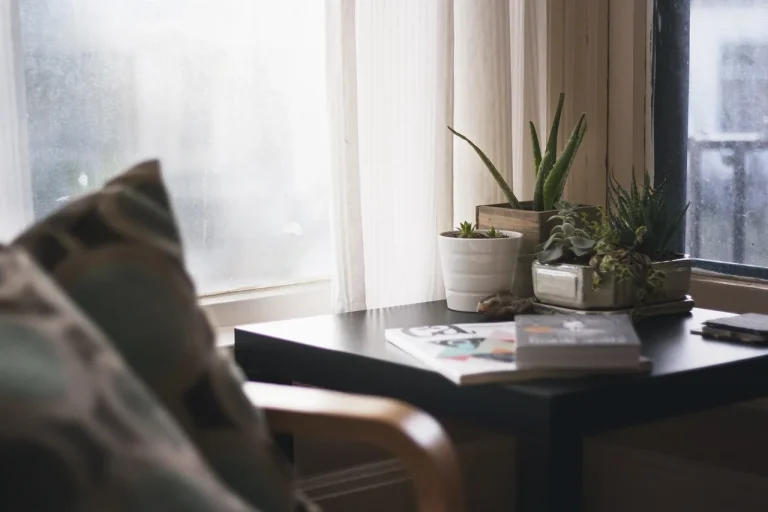
Set the plant a short distance from a bright window, or use a sheer curtain if sun falls hard on the leaves. This is the most reliable setup for steady growth indoors. Bright rooms also dry the mix faster, so check the soil more often.
When some direct sun is fine
Short periods of direct sun are usually fine, especially near an east-facing window or filtered afternoon light. Watch for scorching on the leaf surface if the sun is strong through glass. If the pot heats up quickly, terracotta can help move moisture out faster.
Low light and slower growth
Low-light corners are workable, but they call for a lighter hand with water. A plant in a dim room may need far less frequent watering than the same plant in a bright window. Do not water more to compensate for low light.
How often should you water it?
Water only after the mix has mostly dried out. Less water is needed in winter than in spring and summer, and the exact cadence changes with pot size, light, and airflow. Let the soil tell you first, not the calendar.
- Stick a finger or wooden chopstick 2 inches into the mix.
- Water only if it comes out dry or nearly dry.
- Add water slowly until it runs from the drainage holes, then stop.
- Check again in a few days if the room is warm, bright, or very dry.
Adjust for season and pot size
A plant in a small terracotta pot near a bright window may dry on a shorter schedule than a plant in a deeper plastic pot in shade. In winter, wait longer than you would in spring or summer. In a room with HVAC heat or dry air, the soil can dry faster than expected.
When bottom watering makes sense
Bottom watering can be useful when the top layer dries too fast but the root zone still needs moisture, or when you want the roots to grow downward more evenly. Set the pot in a shallow tray of water, then remove it once the upper mix feels evenly moist. Skip this method if the pot already stays wet too long.
Snake plant care decision table
This table ties watering, light, and pot choice to common indoor setups. Use it as a quick adjustment guide when a plant sits in a room that does not behave like a textbook window.
| Indoor setup | Watering cue | Light placement | Pot type | Rescue action |
|---|---|---|---|---|
| Bright window | Water when dry 2 inches down and the pot feels light | Near bright, indirect light with brief direct sun only if leaves stay firm | Terracotta if the room dries slowly; plastic if the mix already dries very fast | Check weekly; if the mix stays wet longer than 10–14 days, move the plant farther from glass |
| Low-light corner | Wait longer between waterings; let the mix dry mostly through | Shady corner or interior room, with growth expected to slow | Plastic can work if you are careful; terracotta gives more margin against overwatering | If leaves pale or stretch, move it to brighter indirect light before changing the watering rhythm |
| Bathroom | Check for lingering dampness after showers before watering again | Only if the room has bright indirect light from a window | Terracotta is safer in humid rooms | Raise the pot, improve airflow, and stop watering until the center of the mix dries |
| Drafty window | Soil may dry faster, but check the root zone before watering again | Keep away from cold glass and air leaks | Terracotta helps, especially in winter | Move the pot a few feet back if cold drafts chill the leaves or soil |
| Warm dry room | Check more often because heat and low humidity pull moisture fast | Bright indirect light is still ideal | Either works, but terracotta usually gives more control | Use a chopstick test before each watering and recheck after 24 hours if unsure |
| Overwatered plant | Stop watering until the mix dries and the pot feels much lighter | Bright indirect light while it recovers | Move to a pot with drainage holes if the current one traps water | Unpot, trim rotten roots, and repot in fresh cactus mix if the base is mushy or smells sour |
What kind of soil is best for a snake plant?
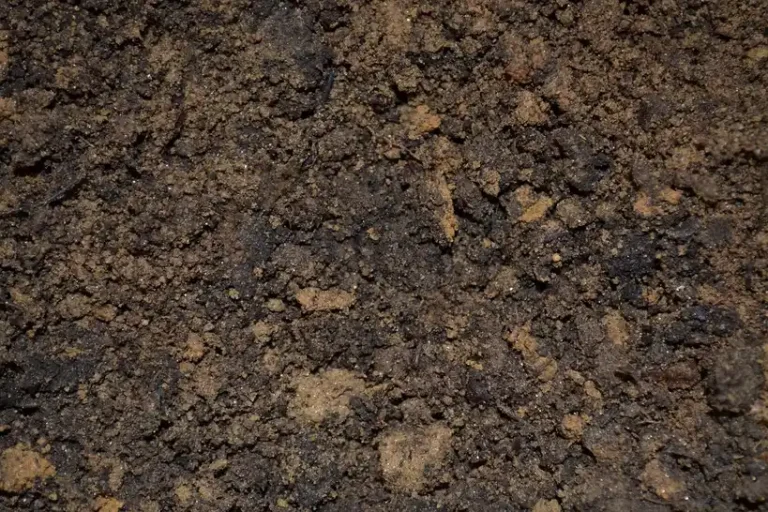
A well-draining potting mix is the best match, and a cactus or succulent mix is ideal. The goal is to keep the roots from sitting in oversaturation. Heavy general-purpose soil holds water too long and raises the chance of root rot.
Soil texture that works
Choose a mix that drains quickly and does not stay sticky after watering. If a standard potting mix is the only option, blend in perlite or coarse material so water moves through faster. The mix should be airy enough that the chopstick test gives a clear read.
Terracotta versus plastic
Terracotta dries soil faster than plastic, which helps if you tend to water often or the room stays humid. Plastic keeps moisture longer, which can be useful in a very warm, dry room with bright light. The pot choice should match your room, not just the plant label.
Do snake plants need drainage holes?
Yes. A pot with a drainage hole in the bottom is recommended because it reduces waterlogging and helps prevent root rot. Without a drain path, water can pool at the base even when the top of the mix looks dry.
Why the hole matters
Drainage holes let excess water escape after a full soak. That matters most in winter, in plastic pots, and in rooms with low airflow. A cachepot with a decorative outer shell is fine, as long as the inner pot drains fully and does not sit in runoff.
When should you repot or divide it?
Repot or divide in spring when roots crowd the pot, water runs through too fast, or the clump pushes against the sides. Division means separating a section with leaves and roots, then placing it in fresh well-draining soil. Spring is the easiest time for recovery.
How to divide a clump
- Remove the plant from the pot and shake off loose soil.
- Find a section with both leaves and its own roots.
- Separate the section with a clean knife or by hand if it parts easily.
- Set each piece into fresh cactus mix in a pot with drainage holes.
- Wait several days before watering so cuts can dry.
Signs the pot is too small
Roots circling the bottom, a plant that tips over, or soil that dries too fast are common signs. If water runs straight through in seconds, the root mass may be taking over the pot. Move up one pot size, not several.
Common mistakes
The biggest problems come from water that sits too long or from containers that trap moisture. Catching the issue early is easier than repairing root rot after the base turns soft.
Yellow leaves from too much water
Yellowing often starts after repeated overwatering. Check the soil smell first; sour or stagnant odor points to trouble. If the leaves feel soft instead of firm, stop watering and inspect the roots. A healthy snake plant leaf should stay solid.
Mushy base and root rot
Root rot is one of the most common snake plant problems. It usually comes from soggy soil or overwatering. If the base feels mushy and the roots are brown and slimy, cut away damaged parts, let healthy tissue dry, and repot in fresh mix.
Plastic pot, heavy mix, and no drainage
This combination keeps water around too long. If the plant sits in dense soil inside a pot without a drainage hole, fix the container first. That change often matters more than any watering schedule.
Dusty leaves and ignored buildup
Wipe the leaves with a damp cloth as needed. Dust can block light and make the plant look dull. Clean leaves also make it easier to spot early yellowing, soft spots, or pest damage.
Frequently asked questions
How do you care for a snake plant indoors?
Give it bright, indirect light if possible, use cactus or succulent mix, and water only after the soil mostly dries out. A pot with drainage holes is the safest choice. In winter, wait longer between waterings than you would in spring or summer.
How often should you water a snake plant indoors?
Use the dry soil test instead of a fixed schedule. Many indoor plants need water every 2–4 weeks in bright rooms, but low light, cool air, or a larger pot can stretch that longer. Water less often in winter.
How much light does a snake plant need inside?
Bright, indirect light is the best indoor setup, though the plant tolerates some direct sun and can live in low light. In dim rooms, expect slower growth and longer drying time. Move it closer to a window if leaves stretch or fade.
Why are my snake plant leaves turning yellow or mushy?
Yellow, soft, or mushy leaves usually point to too much water. Check for a sour soil smell and a soft base, then stop watering and inspect the roots. If the roots are rotten, cut away damaged sections and repot in fresh mix.
When should you repot a snake plant?
Repot in spring if roots crowd the pot, the plant tips over, or water stops soaking in evenly. Move it into fresh well-draining soil and only one pot size up. Division works well at the same time if the clump has several rooted sections.