How to Prune Houseplants Without Hurting Growth Safely
Prune houseplants by cutting soft stems just above a node and woody stems back to a side branch, removing no more than 25% at once so regrowth stays strong. Bad cuts leave bare stubs, slow recovery, and push energy into weak new growth. This guide shows how to prune by growth goal and stem type, plus how to clean up correctly.
What you’ll need before you make a cut



- Pruning shears for most soft-stem houseplant cuts
- 70% isopropyl alcohol for blade sterilizing after washing
- Warm, soapy water for cleaning blades first
- Lopping shears for woody stems between 1/4 and 3/4 in thick
- Pruning saw for branches thicker than 3/4 in
- Gloves for spiny or irritating stems
- A clean cloth or paper towel
- A trash bin or bag for cut material
Why pruning helps growth, and when it can slow a plant down
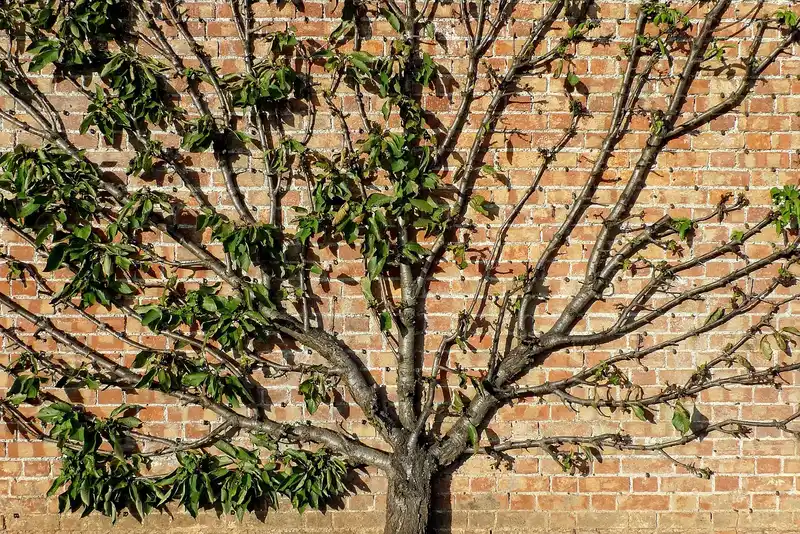
Pruning removes dead, dormant, and old growth, which helps many plants put energy into newer stems, leaves, and flowers. It also keeps long stems and branches manageable. But pruning at the wrong time, with the wrong tool, or too hard can slow recovery instead of guiding fuller regrowth.
The difference comes down to stress. A plant already handling a fresh repot, pest damage, or low-light winter slowdown has less spare energy. In that state, even a clean cut can be one stress too many. Healthy, actively growing plants usually handle shaping cuts better.

When should you prune houseplants?
Prune when a plant is actively growing, the stems are extending, and the plant has enough light to replace what you remove. That is the safest time for shaping, shortening vines, and thinning crowded growth because new buds can respond more quickly.
Wait if the plant was recently repotted, is recovering from pests, or is already slowing down in low light. A light trim may still be fine, but major cuts are more likely to stall growth. If the plant looks dull and stops pushing new leaves, hold off.
A common first-timer mistake is trimming a stressed plant because it looks messy. Suppose a ficus drops leaves after a move to a dimmer corner. That is not the time for a hard reshape; move it into better light and wait for steadier growth first.
Signs a plant is ready for a light trim
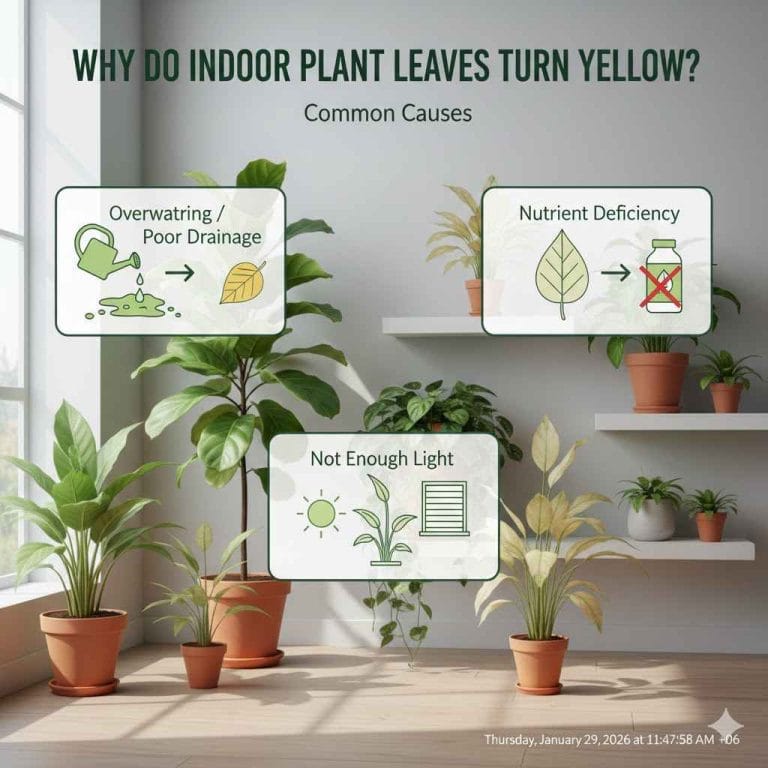
Look for long internodes, a few yellow or dead leaves, and stems reaching beyond the shape you want. A plant that is still producing new leaves can usually handle selective pruning. If the potting mix stays wet for too long or the plant has just been repotted, wait.
How do you decide where to cut?
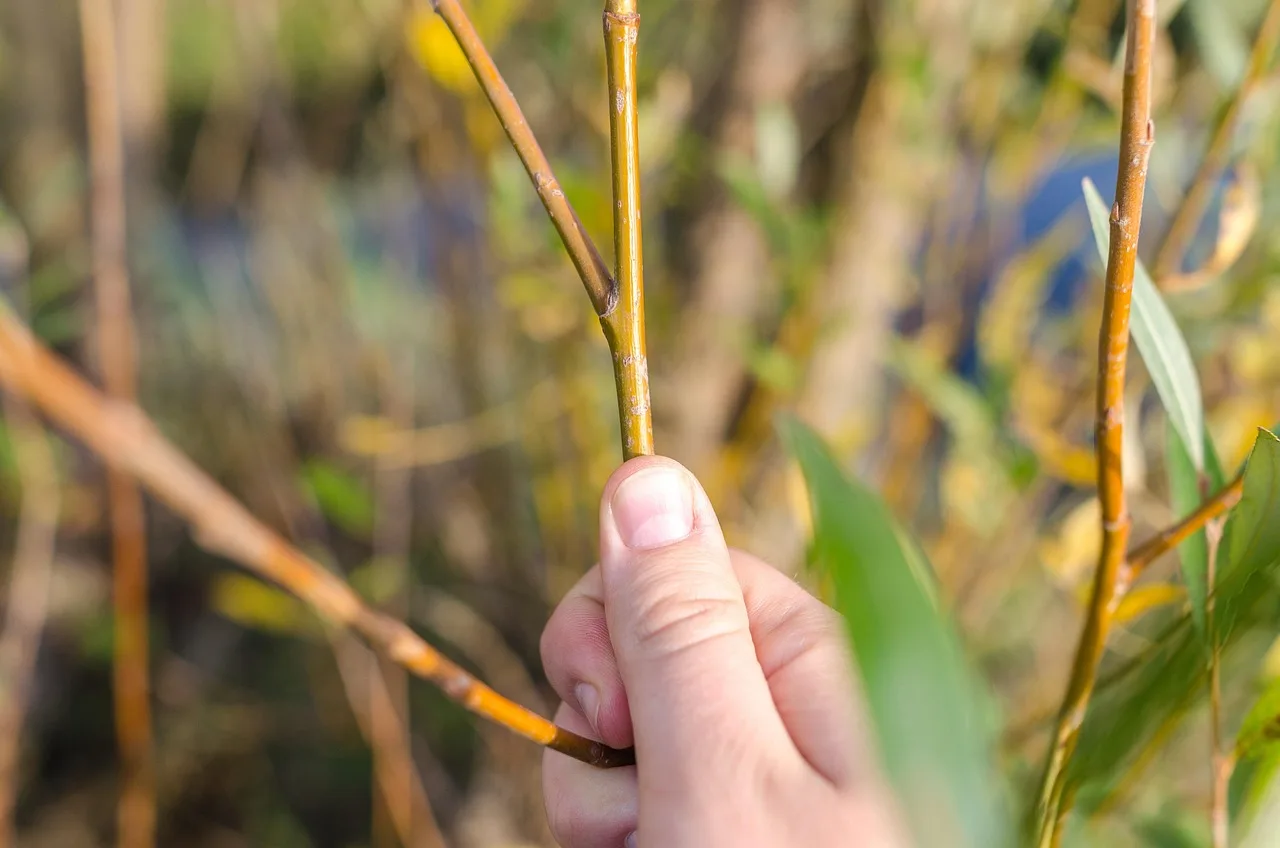
Cut above a node on soft stems so the plant can usually send new growth from that point. Remove dead leaves and dead flowers first, then decide whether the goal is bushier regrowth, shorter vines, or a cleaner shape. For woody stems, cut back to a side branch rather than leaving a stub.
Houseplant pruning decision table
| Stem type | Growth goal | Where to cut | Tool | Maximum cut size |
|---|---|---|---|---|
| Soft stem, vine, or leafy tip | Bushier growth | Just above a node | Pruning shears | Up to 25% of stems, vines, or branches |
| Soft stem with a dead tip | Remove damage | Back to healthy tissue above the next node | Pruning shears | Only the damaged portion |
| Woody stem, 1/4 to 3/4 in thick | Reduce height or spread | To a side branch or node | Lopping shears | One branch at a time if the plant is already stressed |
| Branch thicker than 3/4 in | Major structural cut | Back to a branch junction | Pruning saw | Only when the plant is actively growing |
How to prune houseplants step by step
- Inspect the plant and mark dead, crowded, or long stems and branches.
- Wash tools with warm, soapy water, then sterilize blades with 70% rubbing alcohol.
- Cut soft stems just above a node, and woody stems back to a side branch or junction.
- Remove dead or dying leaves, and trim only the dying portion if a leaf is partly damaged.
- Deadhead wilted flowers by cutting above the next bud down on strong flowering stems.
- Stop before you remove more than 25% of stems, vines, or branches.
- Clean fallen debris, then check each cut for jagged edges or split bark.
- Adjust water, light, and fertilizer after pruning so the plant can recover without extra stress.
How to remove dead leaves and dead flowers
Remove dead or dying leaves during routine pruning because they no longer feed the plant. If only part of a leaf is damaged, trim only the dying portion instead of taking the whole leaf off. That keeps more living tissue in place.
For flowering plants indoors, pinch off faded blooms or deadhead them once they look wilted and past their prime. On strong flowering stems, cut above the next bud down. That shifts energy away from spent flowers and toward healthier blossoms.
How much can you trim at once?
Cut away up to 25% of stems, vines, or branches in one session. That amount gives most plants room to recover without stripping away too much leaf area. For a light shape-up, remove only the tips, dead growth, and a few crowded stems.
If a plant is leggy, weak, or already stressed, stay well under that limit and spread the pruning over time. Heavy reduction can trigger sparse regrowth, leaf drop, or a long pause before new growth starts. Bigger cuts belong on bigger, healthier plants with active growth.
If that didn’t work, try this next
- Stop pruning immediately and leave the plant alone for 2 to 4 weeks.
- Move it to brighter indirect light, because weak light slows recovery after cuts.
- Water only when the top layer of mix dries, so roots are not asked to repair and sit wet at the same time.
- Hold fertilizer until new growth appears, then return to a normal feeding schedule.
How do you sterilize pruning shears before pruning plants?
Wash pruning shears with warm, soapy water first, then sterilize the blades with 70% rubbing alcohol. Clean blades reduce the chance of spreading disease from one plant to another. If you are pruning multiple houseplants, disinfect between plants.
That matters most when a plant has pests, leaf spots, or mushy tissue. A quick wipe with alcohol is not a substitute for washing off sap and grime first. Clean first, sterilize second, then let the blades dry before the next cut.
What tools should I use to prune indoor plants?
Use pruning shears for most houseplant cuts. Choose lopping shears for woody stems between 1/4 and 3/4 in thick, and use a pruning saw for branches thicker than 3/4 in. The tool should match the stem, not your preference.
Sharp tools make cleaner cuts, which matter because ragged cuts heal poorly. Dull blades crush soft stems and tear bark on woody plants. If a stem resists, switch to the correct heavier tool rather than forcing the cut.
Common mistakes to avoid
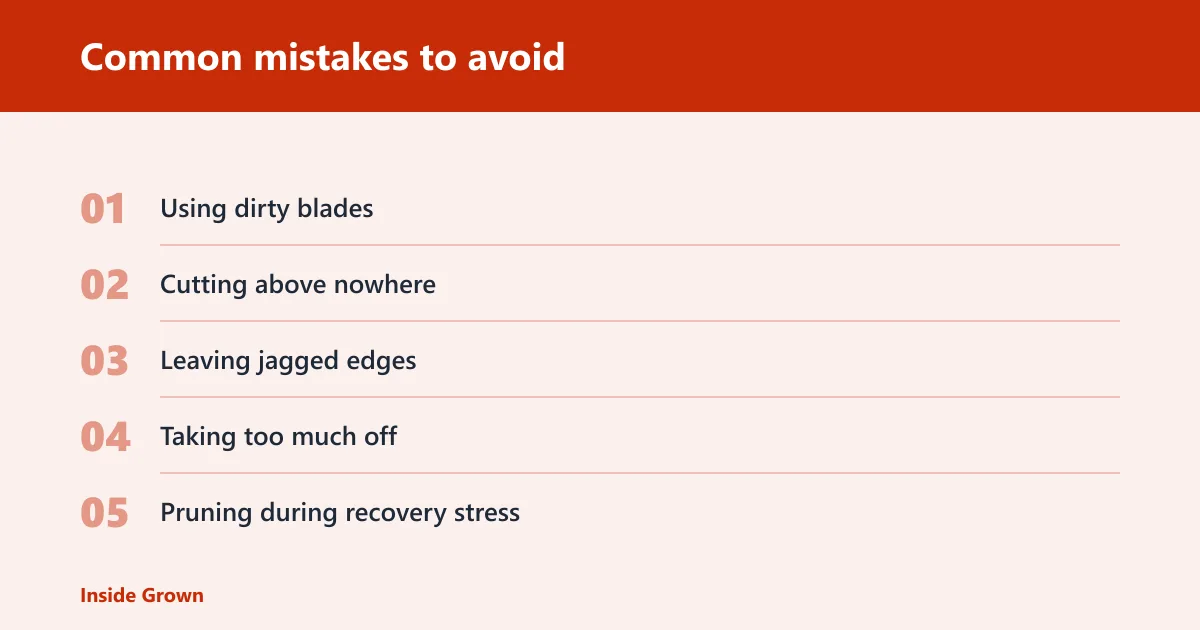
Pruning problems usually come from poor timing, dull tools, or cutting in the wrong place. A clean, well-placed cut supports regrowth. A torn, misplaced cut can leave stubs, invite damage, or send growth in an awkward direction.
- Using dirty blades: Wash, then sterilize with 70% alcohol, and disinfect between plants.
- Cutting above nowhere: On soft stems, cut just above a node, not halfway between nodes.
- Leaving jagged edges: Use sharper shears or switch to lopping shears or a saw.
- Taking too much off: Stay at or below 25% in one session.
- Pruning during recovery stress: Wait after repotting, pest treatment, or winter slowdown.
Say your pothos has long bare stems with leaves only at the ends. A top cut above a node can push new side shoots closer to the pot, while random leaf removal only makes the vine shorter without fixing the bare section.
Suppose a small ficus has one branch thicker than 3/4 in and several thin tips. Use a pruning saw on the thick branch, then finish the finer tips with pruning shears. Matching the tool to the stem avoids crushed tissue.
What should you do after pruning?
Give the plant bright indirect light, water only as needed, and hold fertilizer until new growth starts. That reduces stress while buds form. Keep checking cut points for drying, splitting, or mushy tissue, especially on woody stems.
Prevention: make pruning a small, regular task rather than a rescue job. Light trims are easier for the plant to replace, and they reduce the chance of a hard cut after a long period of crowding.
Frequently asked questions
How do you prune a houseplant without killing it?
Make small cuts above a node on soft stems, use the right tool for woody growth, and stop at 25% or less of the plant’s stems, vines, or branches. Keep the plant in bright indirect light afterward and avoid heavy fertilizer until new growth appears.
When is the best time to prune houseplants?
Prune during active growth, when the plant is producing new leaves and has enough light to replace removed growth. Wait after repotting, pest recovery, or during a winter slowdown. Those are the times when pruning is more likely to stall recovery than help shape the plant.
How much can you trim off a houseplant at once?
Use 25% as the upper limit for one session. If the plant is already weak, trim less and spread the work over time. When in doubt, remove only dead growth, a few crowded stems, and the longest tips first. (wikihow.com)
Where do you cut a houseplant to encourage new growth?
Cut just above a node on soft stems. On woody stems, cut back to a side branch or junction. The bud or branch below the cut is what helps direct new growth, so leaving a clean, close cut matters more than just shortening the plant.
Should I prune yellow leaves off houseplants?
Yes, remove yellow, dead, or dying leaves during routine pruning. If only part of a leaf is damaged, trim only the dead section. That keeps living tissue in place while removing the part that no longer helps the plant.
Can I prune a houseplant with woody stems?
Yes, but match the tool to the stem thickness. Use lopping shears for woody stems between 1/4 and 3/4 in thick, and a pruning saw for branches thicker than 3/4 in. Make the cut back to a side branch or junction, not into a long stub.