How to Care for Herbs Indoors on a Sunny Windowsill
Give basil, parsley, and cilantro the brightest sill. Keep rosemary, thyme, and oregano in fast-draining pots, and water only when the top inch dries. If you treat every herb the same, some wilt, others rot, and flavor drops fast. This guide shows how to care for herbs indoors on a sunny windowsill, herb by herb, with the light, watering, and pot setup each one needs.
What herbs grow best on a sunny windowsill?


A sunny windowsill works best for herbs that handle bright light and container culture without constant moisture. Basil, rosemary, thyme, oregano, parsley, sage, chives, and cilantro can all work indoors, but they do not belong in one generic setup. South-facing windows are usually warmer and recommended for many herbs, while east- and west-facing windows can work for herbs that prefer less intense sun.
North-facing windows are usually too dim unless you add grow lights. Rotate pots about weekly so growth stays more even and plants do not lean strongly toward the glass.
What you’ll need
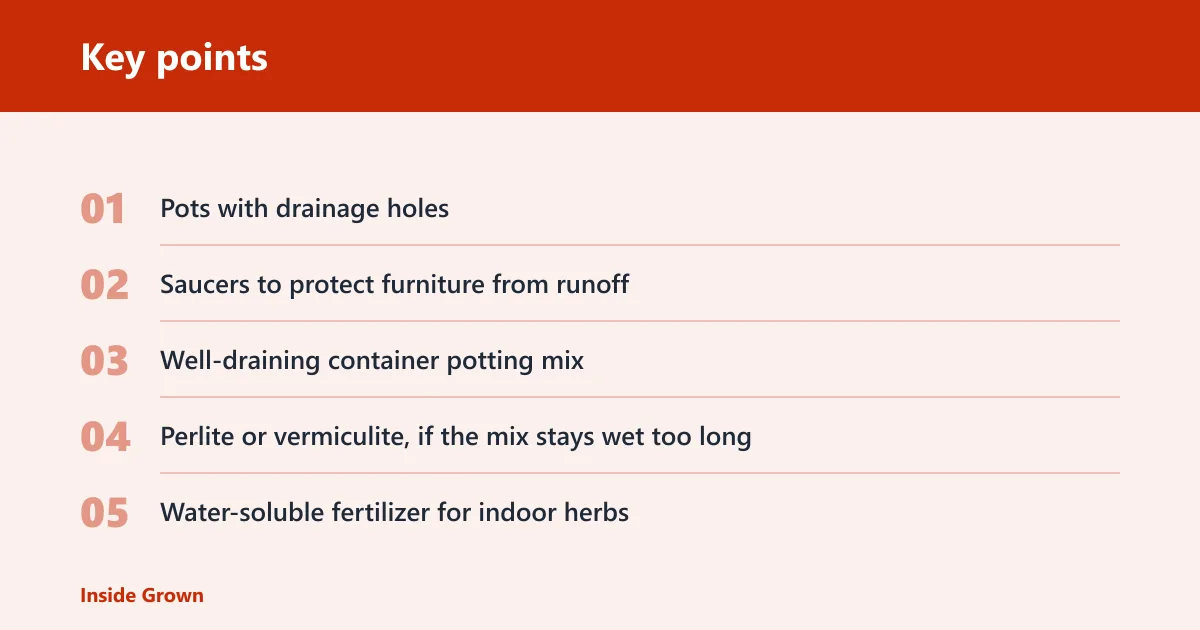
- Pots with drainage holes
- Saucers to protect furniture from runoff
- Well-draining container potting mix
- Perlite or vermiculite, if the mix stays wet too long
- Water-soluble fertilizer for indoor herbs
- A pebble tray for dry winter air
- Grow lights, if the window does not provide 6 to 8 hours of bright light
- Clean pruners or scissors for harvest and cleanup
How should you group herbs together?
Group herbs by water needs first, then by pot depth and root behavior. Basil, parsley, chives, and cilantro are commonly kept a bit moister than rosemary, thyme, oregano, and sage, which generally do better in drier, better-drained pots. Shared planting becomes a problem when one plant wants frequent watering and another wants the soil to dry out between drinks.
Basil, parsley, chives, cilantro: keep these together only if the pot can hold moisture without staying soggy. Rosemary, thyme, oregano, sage: keep these together in a fast-draining mix and a deeper pot if the roots need room. Skip mixed plantings when root depth or watering needs conflict.
How do you set up pots and soil?
Match the pot to the rootball first, then check the leaf spread. A 6-inch container is a common size for most herbs, but shallow-rooted herbs and deeper-rooted herbs may need different depths even if the top diameter looks similar. Use a pot with drainage holes so water cannot pool near roots, and set it on a saucer to protect the sill or furniture.
Use container potting mix, not garden soil. Garden soil compacts in pots and slows drainage. If the mix holds too much water, amend it with perlite or vermiculite so it stays open and fast-draining.
- Choose a pot that matches the rootball, not just the leaf spread.
- Make sure the pot has drainage holes.
- Fill it with container potting mix.
- Add perlite or vermiculite if the mix feels dense or heavy.
- Set the pot on a saucer before watering.
How much sun do indoor herbs need?
Indoor herbs need 6 to 8 hours of bright light daily. South-facing windows usually provide the strongest light, while east- and west-facing windows can still work for some herbs. If a plant stretches toward the glass, that new growth is telling you the spot is too dim. Move it closer to the light or add a grow light.
Keep grow lights within about a foot of the foliage. If the fixture is farther away, herbs often stretch and thin out even when the room seems bright.
How often should I water herbs indoors?
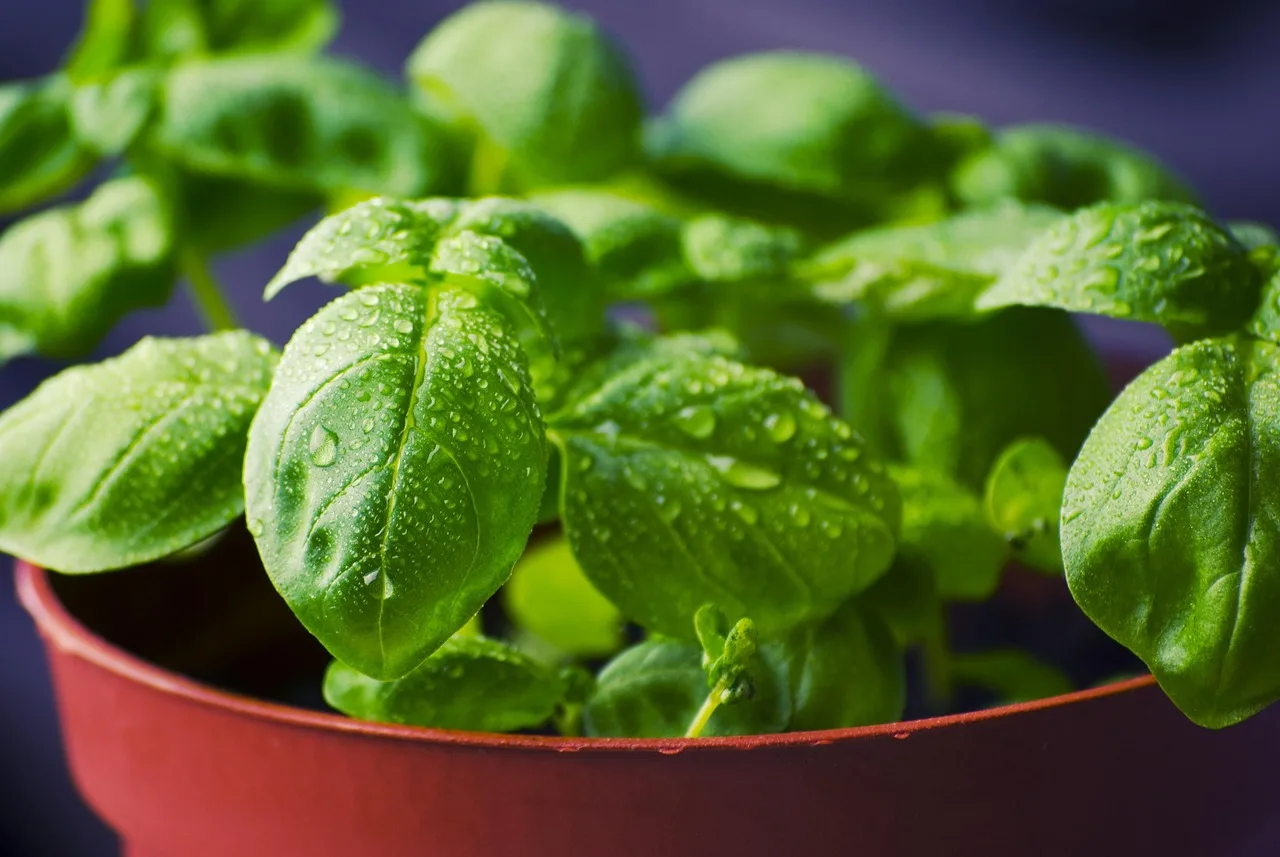
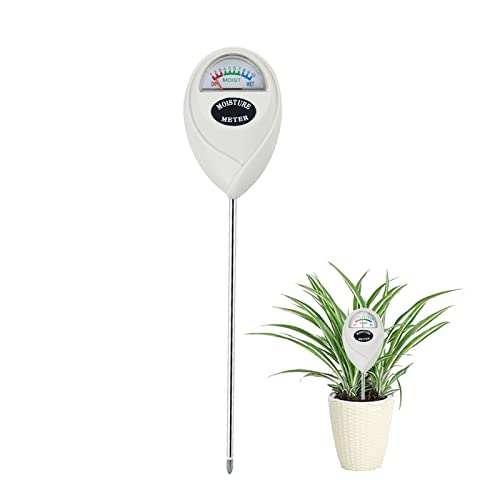
Water when the first inch of soil feels dry. That rule fits most indoor herbs better than a fixed calendar schedule, because pot size, light, temperature, and plant type all change how fast soil dries. Do not let pots sit in water, and do not keep roots constantly wet.
Herbs in brighter windows usually dry faster than herbs in east-facing light or in winter. Basil and cilantro often need more frequent checks than rosemary and thyme, which prefer a drier cycle.
Windowsill herb care matrix
| Herb | Light needs | Watering frequency | Pot depth | Group or separate? |
|---|---|---|---|---|
| Basil | Brightest sill; 6 to 8 hours | Check often; water when top inch dries | 6 to 8 inches | Group with other moisture lovers |
| Rosemary | Very bright, sunny window | Less often; let soil dry more between waterings | At least 8 inches | Keep separate from basil |
| Thyme | Bright sun, not shaded | Moderate to low; dry slightly between waterings | 6 to 8 inches | Group with drier herbs |
| Oregano | Bright sun | Moderate to low; avoid soggy soil | 6 to 8 inches | Group with rosemary and thyme |
| Parsley | Bright but not harsh all day | More even moisture | 6 to 8 inches | Group with basil or chives |
| Sage | Bright sun | Let soil dry between waterings | 8 inches or deeper | Keep with drier herbs |
| Chives | Bright light, can take less intense sun | Even moisture, not soggy | 6 inches | Group with parsley or cilantro |
| Cilantro | Bright light, often happier in less intense windows | Moist but not wet | 6 to 8 inches | Group with parsley and chives |
What should you do about leggy, crispy, or wet herbs?
Leggy growth usually means too little light. Crispy leaves often point to dry air, hot vents, or a pot that dries too fast. Soil that stays wet too long usually means the pot lacks drainage, the mix is too dense, or the planter is too large for the rootball.
Suppose a basil pot on a west-facing sill starts leaning hard toward the glass after a week. Move it closer to the brightest spot, rotate it weekly, and add a grow light if the room still leaves the stems thin. If the leaves stay limp after the light change, check the roots and the potting mix next.
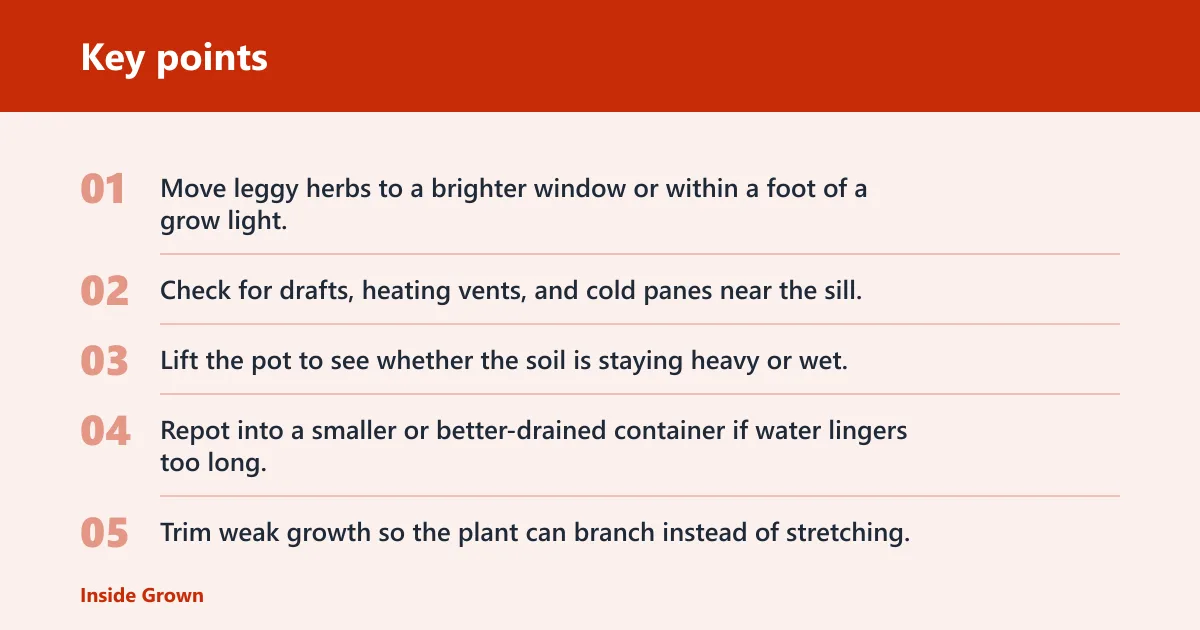
- Move leggy herbs to a brighter window or within a foot of a grow light.
- Check for drafts, heating vents, and cold panes near the sill.
- Lift the pot to see whether the soil is staying heavy or wet.
- Repot into a smaller or better-drained container if water lingers too long.
- Trim weak growth so the plant can branch instead of stretching.
Picture a rosemary plant in an 8-inch pot that still feels wet three days after watering. In that case, the fix is not more water. Move it to a faster-draining mix, confirm the drainage holes are clear, and empty the saucer after each watering.
Prevention: rotate all windowsill herbs weekly and keep them away from heating vents, since uneven light and dry blasts both push indoor herbs out of shape.
How do you care for herbs indoors?
Start with a bright window, a pot with drainage holes, and a mix that drains freely. Keep indoor herbs around 65 to 75 F, away from drafts, heating vents, and cold panes. Water when the first inch of soil feels dry, feed lightly during active growth, and check the leaves for pests when new plants arrive.
Inspect new or dug-up plants for aphids and spider mites, then keep them separate for a short period before placing them with established herbs. That step matters because indoor herbs sit close together, and pests spread fast in a warm window.
- Place the herb in the brightest appropriate window.
- Set the pot on a saucer and keep it off standing water.
- Check soil moisture before every watering.
- Feed with a half-strength water-soluble fertilizer about once a month.
- Inspect leaves and stems for aphids or spider mites.
What kind of pot is best for windowsill herbs?
A pot with drainage holes is the best starting point. It prevents pooled water near roots, which is especially important on a windowsill where evaporation changes with sun and temperature. Clay pots often dry faster than plastic, and clay pots and saucers can leave water stains on furniture, so use protection under them.
Choose pot size based on the rootball and growth habit. A common 6-inch container works for many herbs, but rosemary and sage often appreciate deeper pots, while basil and cilantro may stay happier in medium-depth containers that dry at a normal rate.
Should I fertilize herbs growing indoors?
Yes, but lightly. A half-strength water-soluble fertilizer about once a month is enough for most indoor herbs during active growth. Too much fertilizer can push soft, weak growth and reduce flavor, especially in herbs that already like bright light and modest moisture.
Hold fertilizer back if growth slows in winter or if the plant is struggling with low light. Fix light and watering first, then feed once the herb is growing steadily again.
How to plant herbs in kitchen window
Use the brightest section of the kitchen window, then match each herb to the light and moisture it can handle. South-facing windows are usually the best choice, but east- and west-facing windows can still support parsley, chives, cilantro, and some basil if the glass gets enough uninterrupted sun.
Do not crowd the sill. Leave space for air movement and for weekly rotation, because leaves that stay pressed against glass or packed shoulder to shoulder dry unevenly and lean toward the light.
- Measure the sill and leave space between pots.
- Place taller herbs behind shorter ones only if light is still reaching all leaves.
- Group herbs by watering needs.
- Rotate each pot once a week.
- Watch the leaf angle for signs that the window is too dim.
Common mistakes
One shared planter can hide problems until one herb declines. Basil and rosemary are the clearest example: basil wants more frequent moisture, while rosemary needs a faster-drying mix. Put them together only if you are willing to water for the drier herb and accept that the basil may suffer.
Another common mistake is relying on a north-facing sill without supplemental light. That window is usually too dim for compact indoor herb growth. A grow light placed within a foot of the foliage can make the difference between usable leaves and thin, stretched stems.
- Overcrowding one planter with herbs that need different care
- Letting pots sit in water after watering
- Using garden soil instead of container potting mix
- Skipping pest checks on new plants
- Ignoring winter dryness and hot vents
Frequently asked questions
Can I grow basil, rosemary, and thyme together?
They can share a planter only if you are prepared to compromise on watering. Rosemary and thyme prefer drier roots and faster drainage, while basil usually wants more even moisture. A mixed planter is more reliable when herbs with similar water needs share the same container.
Why are my indoor herbs getting leggy or floppy?
Leggy or floppy growth usually means the plant is reaching for more light. Move it to a south-facing window if possible, or place a grow light within a foot of the leaves. Rotate the pot weekly so stems do not bend in one direction.