Can You Bring a Hibiscus Inside for the Winter?
Yes, tropical hibiscus should come inside before nights dip below 50°F, while hardy hibiscus usually stays outdoors and can handle winter cold after dormancy. Miss the timing or move a stressed plant into poor light, and you can trigger leaf drop, pests, and weak spring growth. This guide helps you identify the type, decide whether indoor overwintering is necessary, and choose the lowest-risk winter plan.
This guide is part of our Bringing Plants Inside for Winter: Which Plants, When and How series.
What you’ll need


- A bright south- or west-facing window, or a full-spectrum grow light
- Clean pruners or snips
- A hand lens, flashlight, or other way to inspect leaf undersides and soil
- A spare room or shelf for a short quarantine check
- A saucer or tray to catch runoff
- Well-draining potting mix only if you must repot
Can you bring a hibiscus inside for the winter?
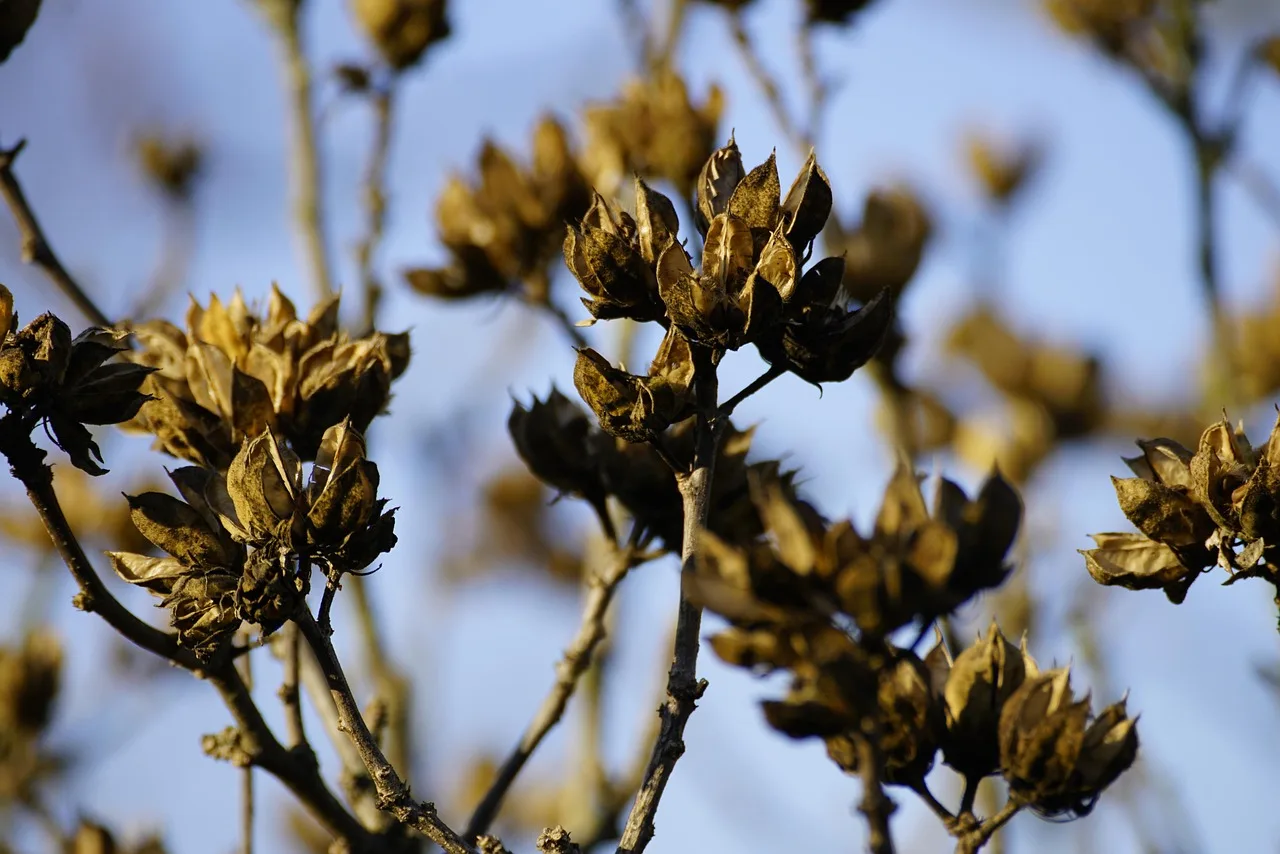
Yes, if it is tropical hibiscus in a pot and you can give it enough light. Hardy hibiscus usually stays outside because it is meant to go dormant in cold weather. Potted plants are the gray area: the pot chills faster than garden soil, so some need shelter even when the same species would be fine in a bed. For frost timing and temperature planning, see first-frost planning.
Tropical hibiscus: usually yes
Hibiscus rosa-sinensis is frost-sensitive and best treated as a houseplant for winter in colder areas. University extension guidance typically treats it as a warm-climate plant that should be protected before frost, and botanical garden guidance likewise places it in frost-free or near-frost-free conditions. In practice, bring it in when nighttime lows settle near 50-55°F; if frost is forecast, that is too late. For light setup ideas, see grow lights.
Hardy hibiscus: usually no
Hibiscus moscheutos and H. syriacus are different cases. University extension and botanical garden sources distinguish these hardy types from tropical hibiscus: they are bred to survive winter outdoors, die back, and return after dormancy. In most gardens, that means winter protection outside, not a trip indoors to a window. If you are deciding whether to prune before winter, see pruning hibiscus.
Potted plants need a different call
A container changes the answer because roots in a pot lose protection faster than roots in the ground. A hardy hibiscus in a patio tub can need more shelter than the same plant planted in a bed, especially in colder zones. That is why container size, exposure, and room for overwintering matter as much as species. For other container shrubs, see overwintering potted shrubs.
How do you tell what kind of hibiscus you have?
Start with the plant label or cultivar name if you still have it. If not, use flower behavior and growth habit as clues. Tropical hibiscus stays leafy and evergreen in mild conditions, while hardy species are built to die back and return from the roots or woody framework after winter. That distinction matters most for overwintering decisions in pots versus in the ground.
Use the label first
The fastest answer is usually on the tag. Look for Hibiscus rosa-sinensis if it is tropical, or Hibiscus moscheutos and H. syriacus if it is hardy. If the label is missing, do not guess from flower color alone. Red, pink, yellow, and white appear in both groups.
Check the growth habit
Tropical hibiscus is often sold as a patio plant that keeps growing through warm weather and needs bright indoor light later. Hardy hibiscus is the plant many gardeners know as rose mallow or rose of Sharon. Botanical garden and extension references commonly separate the two by winter behavior: tropical stays frost-tender, hardy is deciduous and cold-hardy. For pest triage before bringing plants inside, see spider mites on houseplants.
Hibiscus winter decision checklist
| Plant type | Trigger temperature | Light | Pest check | Pruning | Winter plan |
|---|---|---|---|---|---|
| Tropical hibiscus in a pot | Move at 50-55°F nighttime lows; some extension guidance uses 55°F for several nights, and botanical-garden style guidance often recommends moving before frost | Bright window or full-spectrum grow light for 12-16 hours per day; 4-6 hours of direct sun is another cited target | Check undersides of leaves and soil for aphids, spider mites, mealybugs, and thrips | Remove dead, leggy, or crowded growth; sources vary around 25-40% or 30-40% | Keep inside |
| Hardy hibiscus in a pot | Protect before hard freeze sets in; use local nighttime lows and first frost timing | Not an indoor light case unless you are forcing the plant; bright light is less relevant once dormant | Inspect before storing under cover | Cut back only if the plant needs cleanup; keep living crowns intact | Keep outside under protection, or move the pot to a sheltered cold spot |
| Hardy hibiscus in the ground | Usually no indoor move needed | No indoor light needed | Check before winter if pests are active | Wait for natural dieback unless the species or site needs cleanup | Keep outside |
When should you move hibiscus indoors?
Use nighttime lows, not daytime highs. Tropical hibiscus should move before cold stress builds, with 50-55°F as the practical warning range and frost as too late. Extension and botanical-garden guidance generally converges on “before frost,” while some sources use 55°F for several nights and others use the low 50s as the cue. If you want a faster decision rule, take action when forecast lows hold near 50°F and the plant is still actively growing.
Watch the night forecast
If the forecast shows repeated cool nights, act before the plant is shocked. A single chilly evening may not finish the job, but repeated exposure raises risk fast. Frost is a hard line for tropical hibiscus. Do not wait for the first damaged leaves to tell you it is time.
Use first frost as your deadline
Plan ahead of the first anticipated frost date, not after it arrives. Frost can injure tropical hibiscus quickly, especially in a pot that cools faster than soil in the ground. If the plant is already stressed or yellowing, move earlier rather than later.
Bring it in: the step-by-step move
- Check leaf undersides and the soil surface for aphids, spider mites, mealybugs, and thrips.
- Rinse visible pests off with water, or treat them before the plant comes inside.
- Prune out dead, crowded, and leggy growth; remove about 25-40% if the plant is dense, or 30-40% of foliage where that is the local recommendation.
- Move the plant indoors before the final cold snap, not after frost.
- Place it in the brightest spot you have, close to the window glass if the room is dim.
- If your home is much darker than outside, use a full-spectrum grow light for 12-16 hours per day.
Say your hibiscus is in a 12-inch pot on a patio and the overnight lows are dropping into the upper 40s. Move it now, prune out the thin outer growth, and place it within a few feet of a south window. Waiting another week can mean more stress, more leaf drop, and a harder adjustment.
Suppose the plant is in a large tub and still looks healthy, but a cluster of white cottony spots shows up under the leaves. That is enough reason to delay the move for a quick pest cleanup. A few minutes spent checking now is cheaper than spreading mealybugs to every indoor plant nearby.
How do you care for hibiscus indoors all winter?
Keep the plant in bright light, water less often, and expect some leaf loss as it adjusts. Indoor soil dries more slowly than outdoor soil, so overwatering becomes the bigger risk. A tropical hibiscus can stay alive indoors all winter, but it still needs close light, careful watering, and pest checks. In lower-light homes, moving it right next to a bright window often helps more than placing it deeper in the room; in very dim rooms, a grow light becomes the more reliable option.
Give it the brightest light available
A south- or west-facing window is the first choice. If indoor light is insufficient, use a full-spectrum grow light for about 12-16 hours per day. One source also calls for at least 4-6 hours of direct sunlight daily, which fits sunnier indoor setups well. Keep the foliage close enough to the light to matter, but not so close that leaves scorch.
Water by soil depth, not by the calendar
Check the top about 1 to 2 inches of mix before watering. If it still feels damp, wait. Cool indoor conditions slow evaporation, and soggy soil can lead to root rot. Water thoroughly when needed, then let excess drain away instead of leaving the pot in standing water.
Expect some leaf drop
Leaf drop after the move is common, especially if the plant went from bright outdoor sun to lower indoor light and lower humidity in one step. That is one reason a gradual transition helps. Keep the plant stable after it comes in, and avoid frequent moving between rooms.
Common mistakes
Moving too late: frost or repeated cold nights can damage tropical hibiscus before it reaches the house. Move by nighttime lows, not by daytime warmth.
Overwatering cool soil: indoor pots dry more slowly. If the mix is still moist, wait.
Skipping pest checks: aphids, spider mites, mealybugs, and thrips can spread indoors fast. Inspect leaf undersides and soil before the plant crosses the door.
Putting tropical hibiscus in a dim room: that often leads to decline. Use the brightest window you have, or install a grow light right away.
Giving up on leaf drop too early: some shedding is normal after the move. The goal is steady recovery, not perfect foliage.
Ignoring winter risk by zone and location: hardy hibiscus in the ground usually tolerates winter dormancy, but the same plant in a pot can be exposed to faster root freezing. Match the plan to both species and container situation.
Frequently asked questions
When should I bring hibiscus indoors for winter?
Use nighttime lows as your trigger. Move tropical hibiscus when lows are trending toward 50-55°F, or earlier if your source uses 55°F for several nights. Frost is too late. If the plant is already stressed, move it before the weather turns unstable.
How do I tell if my hibiscus is tropical or hardy?
Check the label for Hibiscus rosa-sinensis if it is tropical, or Hibiscus moscheutos and H. syriacus if it is hardy. Tropical hibiscus stays leafy and frost-sensitive. Hardy types are built for outdoor dormancy and are generally perennial in USDA zones 4-9.
Will a hibiscus drop leaves after moving indoors?
It often will, especially if the indoor light is weaker than outdoor sun or the air is much drier. That is common, not a sign of failure by itself. Keep the plant in bright light, water only when the mix starts to dry, and avoid moving it around repeatedly.
How much light does an indoor hibiscus need in winter?
Give it the brightest window you have, ideally south or west. If the room is still dim, use a full-spectrum grow light for 12-16 hours per day. One source also cites 4-6 hours of direct sunlight daily, which is a useful minimum to aim for when natural light is strong.
What pests should I check for before moving hibiscus inside?
Check the undersides of leaves and the soil surface for aphids, spider mites, mealybugs, and thrips. A quick rinse can remove some pests, but visible infestation should be treated before the plant comes indoors. Quarantine the plant briefly if you need time to monitor it.