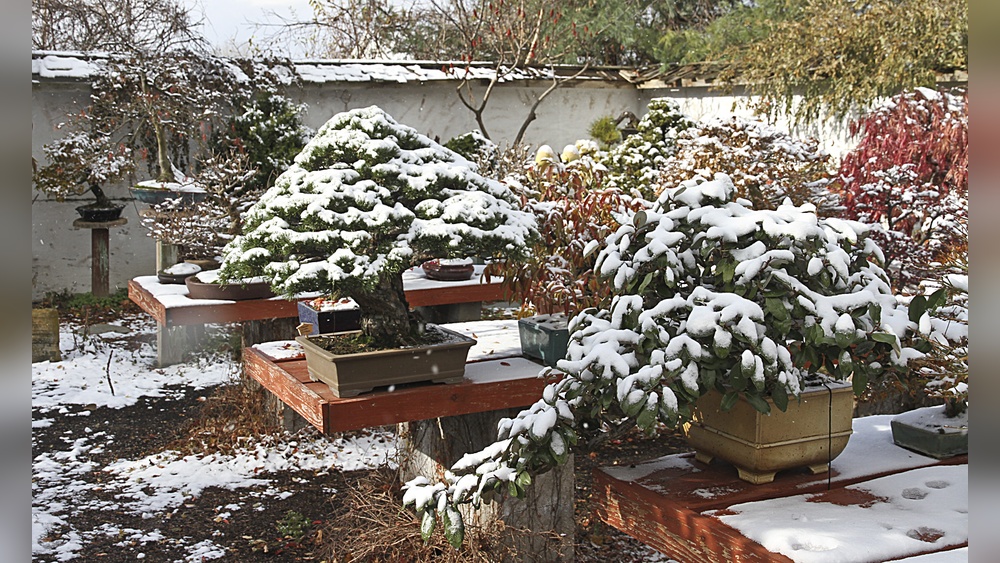
How to Store Your Juniper Bonsai Trees for Winter
When winter approaches, bonsai enthusiasts face a crucial challenge: protecting their prized juniper bonsai trees from the season’s harsh elements. Junipers, known for their beauty and resilience, still require special care to survive cold temperatures, fluctuating humidity, and reduced sunlight. Mishandling winter storage can lead to weakened trees, pest infestations, or even death. Understanding the right storage techniques is essential for anyone wanting to enjoy healthy, vibrant juniper bonsai year after year.
This comprehensive guide distills expert knowledge and real-world experience to help you store your juniper bonsai trees properly for winter. Whether you’re a seasoned bonsai grower or just beginning your journey, you’ll find actionable strategies backed by data, clear comparisons of storage methods, tips for different climates, and answers to the most common questions.
Protect your investment—and the artistry of your living tree—by following these best practices for winter storage.
Key Takeaways
- Juniper bonsai trees need protection from extreme cold, wind, and fluctuating moisture during winter.
- There are several proven storage methods, each suited to different climates and resources.
- Proper preparation—including root pruning, pest checks, and soil management—is vital before winter sets in.
- Monitoring temperature, humidity, and tree health throughout winter is essential for survival.
- Real-world examples illustrate the effectiveness of different storage strategies.

Understanding Juniper Bonsai Winter Dormancy
Juniper bonsai trees, like their wild counterparts, enter a dormant state during winter. This biological pause slows growth and conserves energy, allowing the tree to survive adverse conditions. However, potted bonsai are more vulnerable because their roots lack the insulation of deep earth. Understanding the dormancy process and its implications is the foundation of successful winter storage.
The Dormancy Cycle Explained
Junipers sense the shortening daylight and cooler temperatures, responding by reducing metabolic activity. This triggers:
- Leaf color changes, often to bronze or purple hues, which is a natural adaptation and not a sign of decline.
- Halting of new growth ensures that the tree does not expend unnecessary energy during inhospitable conditions.
- Decreased water uptake protects the roots from damage due to freezing moisture in the soil.
Dormancy is essential for the health and longevity of juniper bonsai. Without a proper cold period, trees can suffer from weak growth, increased pests, and reduced longevity. The chilling hours accumulated during dormancy are necessary to set buds and regulate the tree’s annual growth cycle.
Without this, even healthy-looking trees may fail to thrive in subsequent years.
Risks Of Improper Winter Storage
Failing to provide a suitable winter environment exposes your bonsai to:
- Root freeze: Roots in shallow pots freeze faster than those in the ground. Once roots freeze, they may become mushy and unable to transport nutrients when thawed.
- Desiccation: Cold winds and low humidity can dry out foliage and roots. This often manifests as brittle needles or bark that can crack, reducing the tree’s vitality.
- Fungal diseases: Poor ventilation and excess moisture promote mold and rot, especially in damp conditions or enclosed storage.
- Premature awakening: Inconsistent temperatures can cause early bud break, damaging the tree. If the tree awakens before spring, it may not survive another cold snap.
Regional Climate Considerations
Where you live determines your juniper’s winter needs. For example:
- USDA Hardiness Zones 3–6: Extended freezes require more insulation, as repeated freeze-thaw cycles can be particularly damaging to shallow root systems.
- Zones 7–9: Milder winters allow for less intensive protection, but sudden cold snaps still pose a risk, especially during unusual weather patterns.
According to the Arbor Day Foundation, most junipers are hardy to zone 4, but containerized trees are more susceptible to cold. This is because the soil in pots cools down and heats up faster than ground soil, increasing the likelihood of damage from temperature fluctuations.
Case Study: Winter Survival In Minnesota
A bonsai hobbyist in Minneapolis (zone 4b) stored his juniper bonsai in an unheated garage, surrounded pots with straw bales, and monitored soil moisture weekly. Despite -20°F lows, all trees survived with minimal needle browning, demonstrating the effectiveness of proper insulation and monitoring.
This approach also helped prevent rodent damage, as the straw bales were checked regularly for signs of nesting, and traps were placed as a precaution.
Preparing Your Juniper Bonsai For Winter
Preparation begins weeks before the first frost. Proper planning ensures your tree enters dormancy healthy and ready to withstand winter’s rigors.
Health Check And Pest Management
- Inspect for pests and disease: Use a magnifying glass to check for spider mites, aphids, and fungal spots. Look under leaves and along branch junctions, where pests often hide.
- Treat as needed: Apply neem oil or horticultural soap for pests and prune any diseased branches. If scale insects are found, remove them manually or use a systemic insecticide if infestations are severe.
Early intervention is critical: pests can overwinter in the smallest crevices and reemerge in spring, causing rapid damage to a weakened tree.
Root And Soil Preparation
- Avoid major repotting in late fall. Repot only in early spring or after the last frost, as root disturbance can shock the plant before winter.
- Mulch the soil surface with a thin layer of pine needles or bark to moderate temperature swings. This also helps retain soil moisture and provides an extra layer of protection against sudden cold snaps.
Check the drainage of your soil: compacted or poorly draining media can hold excess water, increasing the risk of root rot during the cold, damp months.
Watering And Fertilizing
- Reduce fertilization by mid-fall; feeding during dormancy can stress the tree. Nutrient uptake is minimal in cold conditions, and excess fertilizer can build up as harmful salts.
- Water thoroughly before storage but avoid waterlogged soil, which increases rot risk. Ensure the soil is moist but not saturated, as freezing water expands and can damage delicate root hairs.
In particularly dry climates, consider misting the foliage lightly before storage to help maintain humidity.
Pruning And Wiring
- Light pruning is acceptable to remove weak growth, but avoid heavy cuts. Severe pruning late in the season can leave wounds that don’t heal before winter, increasing disease risk.
- Remove wire that could dig into swelling branches as the tree contracts during dormancy. Check all wired sections, as cold can cause branches to shrink, making wire bites more likely.
Example: Fall Preparation In North Carolina
A bonsai club in Raleigh (zone 7b) holds annual fall checkups. Members clean foliage, remove old needles, lightly prune, and inspect for wire marks. Trees are then grouped according to size for tailored winter care, minimizing losses each year. By organizing trees by size and species, the club can provide specific microclimates, such as placing smaller or younger trees closer to heat-retentive walls for additional protection.
Choosing The Best Winter Storage Method
Selecting the right storage method is crucial. Consider your regional climate, available space, and the number of trees. Here are the most effective techniques, with a comparison table for quick reference.
Outdoor Ground Storage
Ideal for: Cold-hardy junipers in zones 6 and warmer.
- Bury the pot: Dig a hole and sink the pot so the rim is level with the ground. This maximizes natural insulation from the earth.
- Mulch heavily: Surround with 4–6 inches of straw, leaves, or bark. Mulch not only insulates but also helps moderate soil moisture.
- Shield from wind: Use a burlap screen or place near a building. Wind barriers reduce dehydration caused by cold, dry winds.
Pros: Mimics natural conditions, provides excellent root insulation.
Cons: Not suitable for severe freeze/thaw cycles, potential for rodent damage. In areas with heavy snowfall, ensure snow accumulation does not break branches or compact the tree.
Unheated Garage Or Shed Storage
Ideal for: Areas with severe winters (zones 3–6).
- Keep trees dormant: Choose a spot where temps stay between 25–40°F.
- Elevate pots: Use shelving or pallets to prevent direct contact with cold floors, which can draw heat away from the roots.
- Monitor humidity: Use a hygrometer; aim for 30–50% to prevent desiccation.
Pros: Protects from extreme cold and wind.
Cons: Requires monitoring to avoid drying out or mold. Lack of light may weaken trees if storage lasts more than three months, so supplemental lighting may be necessary.
Cold Frame Or Poly Tunnel
Ideal for: Those seeking controlled protection with light access.
- Construct a frame: Use wood and polycarbonate panels or heavy plastic. Double-walled polycarbonate provides excellent insulation.
- Ventilate on warm days: Prevents overheating and fungal growth. Automatic vent openers can be installed for convenience.
- Insulate base: Add straw, leaves, or foam board beneath pots to reduce heat loss through the ground.
Pros: Maintains stable temps, allows some light.
Cons: Can overheat in sun, requires regular checks. Ensure the structure can withstand snow loads if you live in an area with heavy winter precipitation.
Indoor Storage: Not Recommended For Junipers
Juniper bonsai require a dormant period and cannot survive winter indoors at room temperature. Indoor storage is only suitable for tropical bonsai species. Even cool basements are generally too warm and dark, leading to weak, etiolated growth and poor health.
Storage Method Comparison Table
| Method | Best for Zones | Light Access | Temperature Control | Root Protection | Cons |
|---|---|---|---|---|---|
| Outdoor Ground Storage | 6–9 | Partial | Low | Excellent | Rodents, freeze/thaw risk |
| Unheated Garage/Shed | 3–6 | None | Moderate | Good | Humidity, no light |
| Cold Frame/Poly Tunnel | 4–8 | Yes | Moderate | Very Good | Overheating |
| Indoor (Heated) | Not advised | Yes | High | Poor | No dormancy, tree decline |
Case Study: Poly Tunnel Success In Oregon
A professional grower in Eugene (zone 8a) utilizes a poly tunnel with automated vents and base insulation. Over five winters, losses dropped from 12% to under 2%, and the trees emerged with more vigorous spring growth. The ability to control both temperature and humidity inside the tunnel allowed for fine-tuning conditions, which also reduced the occurrence of fungal diseases.

Managing Temperature And Humidity
Controlling environmental factors during winter storage is critical for juniper bonsai health. Both temperature and humidity have direct effects on survival rates.
Optimal Temperature Ranges
- Dormancy maintained: 25–40°F
- Below 20°F: Risk of root freeze increases sharply, especially in small pots.
- Above 45°F: Risk of premature budding. Trees may break dormancy too early, leaving them vulnerable if another cold snap occurs.
According to a study published by the Journal of Horticultural Science, potted evergreens experienced 80% higher survival rates when kept between 28–38°F compared to those exposed to repeated freeze/thaw cycles. This illustrates the importance of maintaining consistent, cool temperatures.
Humidity Considerations
- Low humidity: Increases risk of needle desiccation, especially in heated or windy environments.
- High humidity: Promotes fungal growth and can cause root rot if the soil remains too wet.
A digital hygrometer is a vital tool. Aim for 30–50% humidity in storage areas. If needed, add water trays or a humidifier in dry spaces, and ventilate when humidity exceeds 60%. In especially dry climates, periodic misting may be necessary, but avoid saturating the foliage or soil.
Light Requirements During Dormancy
Junipers can tolerate low light but benefit from indirect sunlight or filtered light. In dark garages, supplemental LED lighting on a timer (6–8 hours/day) can help maintain vigor, though growth should remain minimal. Avoid high-output grow lights that may trigger premature growth; soft, cool white LEDs are best.
Some growers use clear plastic panels or frosted windows in sheds to provide natural light without excessive heat gain. Even during dormancy, light helps maintain chlorophyll and prevents excessive needle drop.
Insulation And Airflow
- Insulate pots: Wrap with bubble wrap or foam to buffer against temperature swings. You can also use old blankets or frost cloths for an extra layer.
- Allow airflow: Avoid sealing storage spaces completely; stagnant air fosters disease. A small, battery-powered fan can help circulate air in enclosed spaces.
Proper airflow is especially important in humid or wet climates, as it reduces the risk of mold and fungal infections.
Real-world Example: Humidity Management In Boston
A grower in Boston (zone 6a) noticed browning needles when storing trees in a dry basement. By placing shallow trays of water under the pots, he increased local humidity from 20% to 40%. Needle browning stopped, and spring recovery improved.
The grower also found that opening a window briefly each week helped refresh air without drastically changing temperature.
Monitoring And Maintenance During Winter
Even in dormancy, juniper bonsai require regular attention. Proactive monitoring can mean the difference between a thriving tree and a costly loss.
Weekly Inspection Checklist
- Check soil moisture: Soil should be slightly damp, not wet. Insert a wooden chopstick into the soil—if it comes out clean and dry, it’s time to water.
- Look for pests: Dormant pests like scale can survive winter. Check branch crevices and under the rim of the pot.
- Inspect for mold or rot: Remove affected leaves or branches immediately. Mold often appears as fuzzy white or gray patches, while rot will cause soft, discolored bark.
- Verify insulation: Replenish mulch or adjust covers after storms. Heavy winds or snow can displace protective layers.
Watering Protocol
- Water sparingly: Every 2–4 weeks, depending on humidity and temperature. Trees in unheated storage will use less water than those in cold frames exposed to sunlight.
- Use room-temperature water: Avoid shocking roots with cold water, which can exacerbate freeze damage.
- Never let soil dry completely: Dried roots are difficult to revive and may not recover in spring.
Remember, overwatering is just as dangerous as letting the soil dry out. Monitor conditions and adjust as needed.
Dealing With Temperature Fluctuations
If an unseasonal warm spell occurs:
- Open vents or doors to allow air circulation in cold frames or garages.
- Monitor for bud swelling and reduce exposure if premature growth is observed. If buds begin to swell, move the tree to a cooler, shaded spot until temperatures normalize.
Preventing And Managing Disease
- Remove fallen needles: They can harbor fungi. Clean the soil surface regularly.
- Apply preventative fungicide if mold appears, following product instructions carefully.
- Increase ventilation at first sign of mildew. A small fan or opening a vent can make a significant difference.
Data Table: Common Winter Storage Problems And Solutions
| Problem | Symptoms | Solution |
|---|---|---|
| Root freeze | Sudden needle browning, mushy roots | Add insulation, move to warmer spot |
| Desiccation | Brittle needles, shriveled bark | Increase humidity, water lightly |
| Fungal disease | White/gray mold, black spots | Improve airflow, remove affected tissue, fungicide |
| Pest infestation | Sticky residue, visible insects | Apply insecticidal soap, prune infested areas |
Example: Weekly Checks Save A Collection
A collector in Chicago (zone 5b) lost two junipers to root rot one winter due to neglected checks. The following year, weekly inspections caught a fungal issue early, and all trees survived. This experience highlighted the importance of regular, hands-on attention even when the trees appear dormant.
Transitioning Out Of Winter Storage
Properly re-acclimating your juniper bonsai to outdoor conditions in spring is as important as winter storage.
Timing Spring Transition
- Wait until risk of hard frost has passed: Consult local frost dates or resources like the National Weather Service. A late frost can undo months of careful storage.
- Gradual exposure: Move trees to a sheltered, shaded outdoor spot for a week before full sun. Abrupt changes can result in sunburn or shock.
Steps For Safe Acclimatization
- Uncover gradually: Remove mulch or insulation over several days. Sudden removal can expose roots to temperature swings.
- Increase watering: As temperatures rise, water more frequently. Trees will begin to use more water as they exit dormancy.
- Check for pests/diseases: Dormant issues may become active. Treat any problems immediately to avoid rapid spread.
- Resume feeding: Begin fertilizing once buds swell and new growth appears. Use a balanced fertilizer, diluted to half strength for the first few feedings.
Avoiding Spring Shock
Rapid temperature and light changes can stress your juniper bonsai. Use shade cloth or place under a deciduous tree until consistent spring temperatures are established. Gradually increase sunlight exposure to help the tree adjust and avoid needle scorch.
Real-world Example: Successful Spring Awakening In Colorado
A horticulturist in Denver (zone 5a) reported best results by moving junipers outdoors on overcast days, preventing sunburn and shock. Trees transitioned smoothly, with robust new growth by late April. The gradual process also allowed early identification of any lingering winter damage.
Special Considerations For Different Climates
Climate dictates the nuances of winter storage. Tailor your approach to local conditions for optimal results.
Cold, Dry Regions (e.g., Midwest, Northern Plains)
- Prioritize insulation: Use straw bales, foam, or earth berms. In extreme cold, double layers of insulation may be necessary.
- Humidify storage spaces: Prevent needle desiccation by adding water trays or misting sparingly.
- Watch for freeze/thaw: Avoid south-facing exposures that warm during the day and freeze at night, which can stress both roots and foliage.
Mild, Wet Winters (e.g., Pacific Northwest, Uk)
- Focus on drainage: Ensure pots don’t sit in standing water. Use gravel trays and check drainage holes before storage.
- Prevent fungal issues: Increase airflow, monitor closely for mold. Remove any fallen debris that may harbor pathogens.
- Less insulation required: But still mulch to prevent root temperature swings, especially during occasional cold snaps.
Urban Microclimates
- Use sheltered courtyards or rooftops: Block wind, but beware reflected heat from buildings which can cause erratic temperature changes.
- Monitor for rapid temperature changes: Urban heat islands may delay dormancy, so be prepared to adjust your storage approach accordingly.
Table: Climate-based Storage Recommendations
| Climate | Main Risk | Storage Focus |
|---|---|---|
| Cold, Dry | Root freeze, desiccation | Insulation, humidity |
| Mild, Wet | Root rot, fungal disease | Drainage, airflow |
| Urban | Temperature swings | Wind protection, monitoring |
Example: Adapting In Seattle
A bonsai artist in Seattle (zone 8b) keeps junipers on benches with gravel trays for drainage, under a translucent roof to limit rain but allow light. Fungal issues dropped by 80% after implementing this setup. The artist also uses a small fan to promote air movement, reducing mold growth even in persistent wet weather.
Tools, Supplies, And Resources For Winter Bonsai Storage
Having the right tools and materials makes winter storage more effective and less stressful.
Essential Supplies
- Mulch material: Straw, pine needles, bark, or even shredded newspaper in a pinch.
- Burlap or frost cloth: To cover trees and shield from wind.
- Digital thermometer and hygrometer: For accurate monitoring of climate conditions.
- Shelving or pallets (for elevated storage): Keeps pots off cold floors and improves airflow.
- Plastic cold frames or poly tunnels: For controlled environment protection.
- Watering can (with fine rose): For gentle, even watering without disturbing soil or roots.
Optional Equipment
- LED grow lights: For dark garages or sheds, using a timer for 6–8 hours of light per day.
- Heated cables: For extreme cold, use with care and temperature monitoring to prevent overheating.
- Humidifier: For dry indoor spaces, especially in heated or air-sealed garages.
Recommended Resources
- Books: “The Complete Book of Bonsai” by Harry Tomlinson, “Bonsai Techniques” by John Yoshio Naka.
- Websites:
- Bonsai Empire
- Bonsai Nut Forum
- Royal Horticultural Society
- Local clubs: Seek out regional bonsai societies for tailored advice, workshops, and hands-on help during seasonal transitions.
Example: Efficient Storage Setup
A small bonsai nursery in Ontario installed a cold frame with digital climate monitoring. By using data loggers, they adjusted insulation and venting in real time, reducing winter losses by 90% over three years. The data also helped them fine-tune watering schedules, resulting in healthier, more resilient trees come spring.
Frequently Asked Questions
How Cold Is Too Cold For Juniper Bonsai In Winter?
Juniper bonsai can typically withstand temperatures down to -10°F (-23°C) if their roots are well-insulated. However, potted trees are more vulnerable than those in the ground. If local lows drop below 20°F (-6°C) for extended periods, provide extra insulation or move to an unheated but protected space. For younger or recently repotted trees, additional protection is strongly recommended.
Can I Keep My Juniper Bonsai Indoors During Winter?
No, juniper bonsai require a cold dormancy period and will not thrive indoors at room temperature. Storing them inside can cause weak, leggy growth and eventual decline. Only tropical bonsai species should be overwintered indoors. Attempting to overwinter junipers inside often results in pest outbreaks and poor spring recovery.
How Often Should I Water My Juniper Bonsai In Winter Storage?
Check soil moisture every 1–2 weeks. Water only if the soil is dry to the touch, and use just enough to keep it slightly damp. Overwatering can lead to root rot, especially in cold conditions. In extremely dry climates, monitor more frequently, and in humid areas, reduce watering intervals.
What Should I Do If My Juniper Bonsai Starts Growing In Winter?
If buds swell or new growth appears during storage, temperatures may be too high or the tree is receiving too much light. Move the tree to a cooler, darker spot to restore dormancy. Premature growth can weaken the tree and should be addressed immediately.
Monitor closely and avoid fertilizing until true spring arrives.
How Do I Protect My Bonsai From Mice Or Rodents During Winter?
Rodents may chew on roots and bark. Use hardware cloth or wire mesh around pots and mulch. Avoid using food-based mulches and regularly inspect for signs of gnawing. Setting humane traps nearby can also help manage rodent populations. Sprinkling some cayenne pepper or peppermint oil can also deter rodents without harming the tree.
Winter storage for juniper bonsai trees is both an art and a science, requiring a thoughtful blend of preparation, environmental control, and ongoing care. By understanding the unique needs of your tree, adapting to your local climate, and using proven storage techniques, you can ensure your bonsai emerges from dormancy healthy and ready to thrive. Remember, the investment you make in winter protection pays dividends in the vitality and longevity of your living work of art. For more expert tips and community support, explore resources like Bonsai Empire and connect with fellow enthusiasts through regional clubs and online forums. Your juniper bonsai’s winter success begins with the right knowledge and dedicated care.