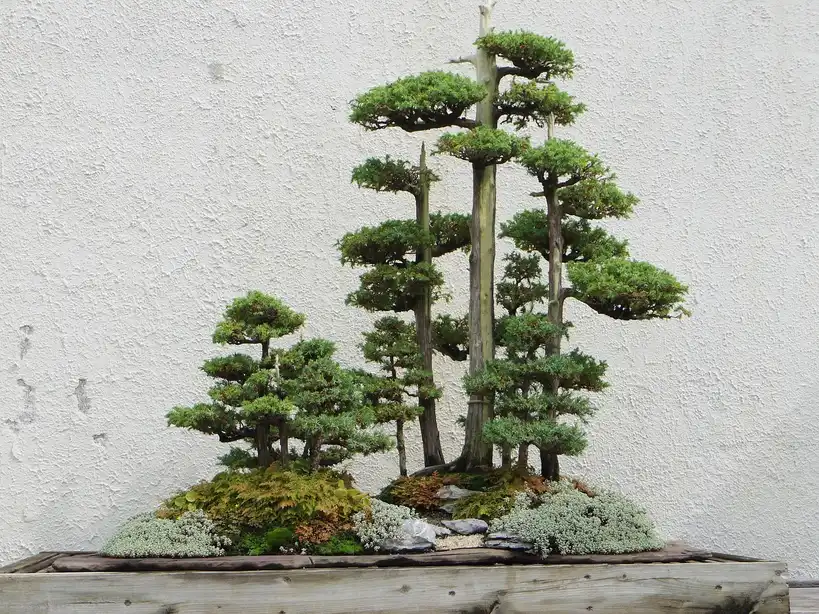
Bonsai Moss Care: How to Grow and Maintain a Top Dressing
Use a thin, living moss layer on moist, well-drained soil. Remove it if it stays soggy or hides the root collar. Used badly, moss traps water, masks root rot, and makes it harder to spot compacted soil or pests before they spread. This guide shows how to choose moss, attach it without smothering the tree, and keep the top dressing healthy through seasonal care.
What bonsai moss top dressing does
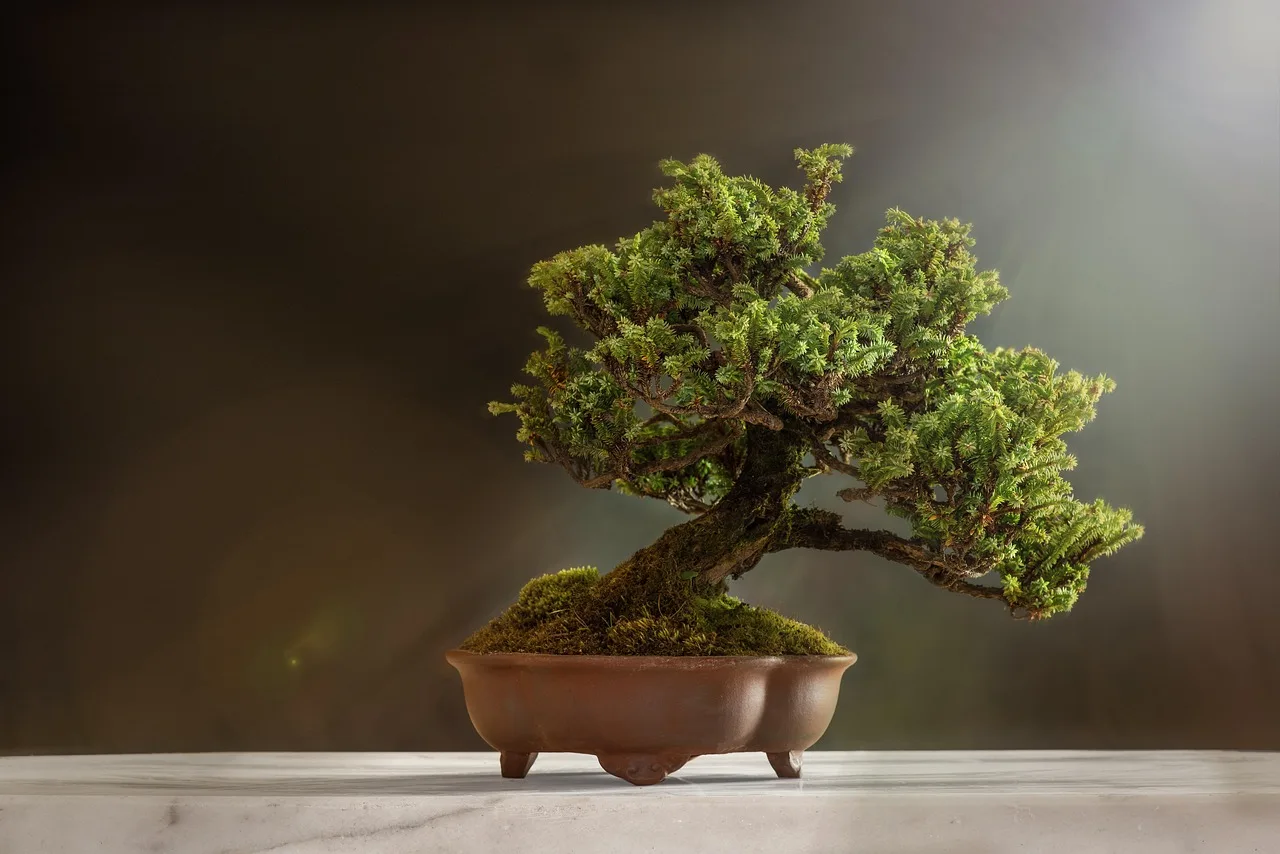

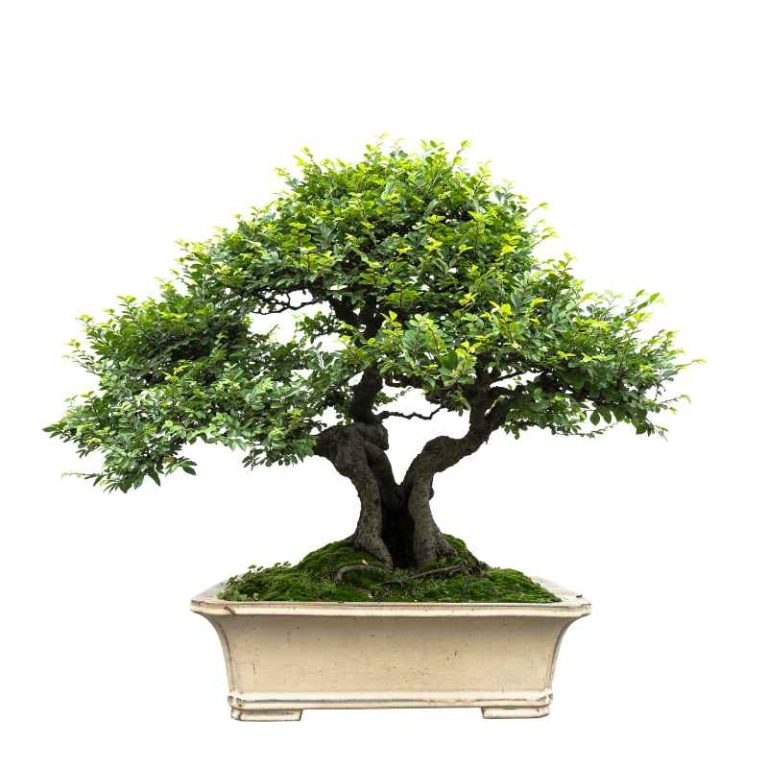
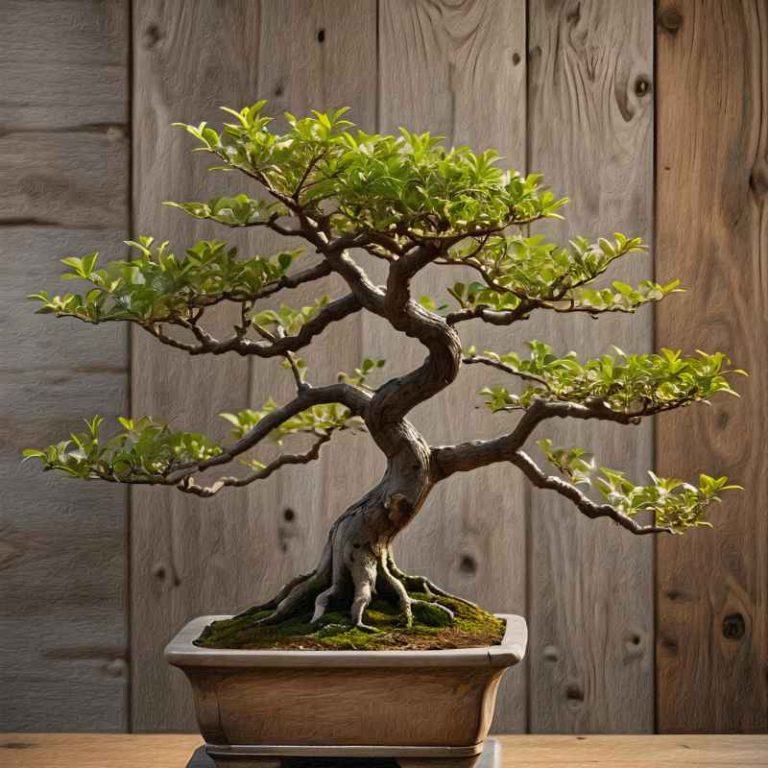
Bonsai are trained trees grown in shallow pots, and moss is a surface dressing, not a rooted companion plant. It softens the finish, holds moisture near the top of the soil, and reduces splash during watering, but it should never replace drainage, airflow, or regular root checks.
That matters because moss changes how fast the pot dries. A thin layer can look dry while the soil below is still damp, so you need to read both the top dressing and the soil, not one or the other.
How moss changes moisture and inspection
On a healthy bonsai, moss can help the surface stay evenly moist between waterings, which helps shallow pots that dry fast. It also improves the visual finish, especially on exhibition trees or smaller containers where bare soil can look rough or uneven.
It can also complicate care if the layer is too thick. Dense moss can hide fertilizer residue, bugs, crusted soil, or a widening gap around the root flare, so keep at least part of the collar visible and lift the edge when you need to inspect drainage or the soil surface.
Which moss type fits your bonsai?
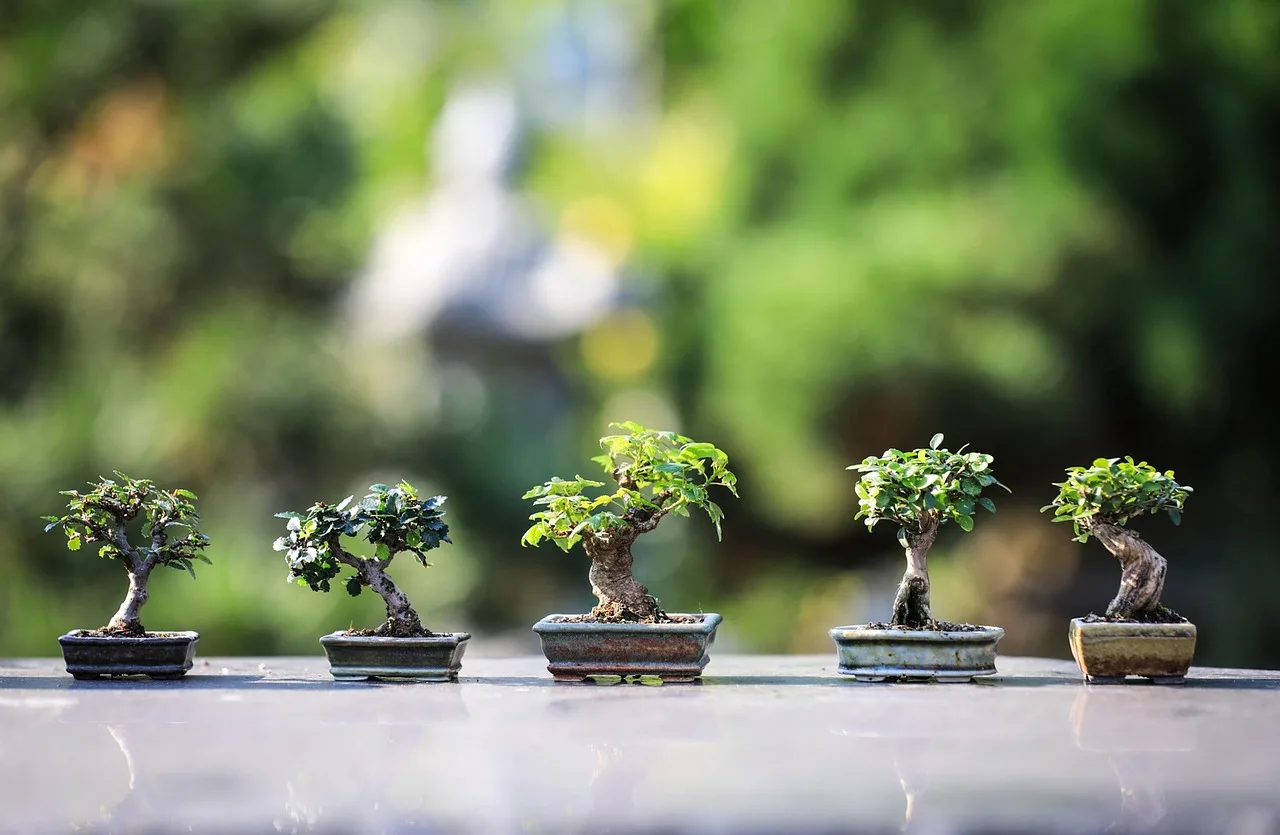
The best moss depends on the tree, the pot, and the setting. Choose the type that matches your light, watering rhythm, and how often you need to inspect the soil.
Sheet moss gives flat coverage and suits shallow pots. Cushion moss gives tighter texture and works well on miniature compositions. Sphagnum moss holds more water and is useful for short-term recovery work where extra moisture is needed. Mixed native moss often adapts best to local outdoor conditions.
Sheet moss
Sheet moss spreads in a low, flat layer, so it works when you want even coverage without a raised texture. It usually prefers bright shade or filtered light and suits shallow pots where a smooth finish matters more than a mound-like look.
Cushion moss
Cushion moss forms small mounds and reads well at miniature scale, but it is the most likely to dry at the edges in heat. It suits small pots and refined displays, yet it needs closer monitoring because hot sun and dry air can turn the outer layer brown quickly.
Sphagnum moss
Sphagnum moss has high water-holding capacity, so it is often used for recovery work. It can stay wetter than cushion moss and is useful when a tree needs a more forgiving surface during stress, but it also breaks down faster and can stay too damp if airflow is poor.
Mixed native moss
Mixed native moss is usually the best match for outdoor trees because it already tolerates the local light and moisture pattern. It can look less uniform than sheet moss, but it often holds up better across seasonal changes than a moss chosen only for appearance.
| Moss type | Light | Watering frequency | Drought tolerance | Attachment method | Common failure signs |
|---|---|---|---|---|---|
| Sheet moss | Bright shade to filtered light | Moderate; check daily in warm weather | Low to moderate | Pressed in place, then secured with cotton thread or fine mesh | Edges lift, center thins, surface yellows in sun |
| Cushion moss | Bright shade; brief softer sun only | Frequent in heat; surface dries first | Low | Small patches, lightly tied or pinned with mesh | Brown tips, shriveling mounds, heat scorch |
| Sphagnum moss | Filtered light, shaded recovery zones | Less frequent than cushion moss, but never waterlogged | Moderate | Loose layer over soil, sometimes held with thread | Compression, sour smell, algae, fast decay |
| Mixed native moss | Matches local outdoor light | Seasonal; adjusts with weather | Moderate to good | Collected fragments, secured with thread or slurry | Patchy growth, weed contamination, uneven dieback |
Best-fit recommendation: use sheet moss for tropical and show-tree displays, mixed native moss for temperate outdoor benches, sphagnum moss for short-term recovery work where extra moisture is needed, and cushion moss only where you can monitor heat and drying closely.
How do you attach moss to bonsai soil?
Attach moss with the least disturbance possible. Press it onto the surface, do not dig into the root zone. A thin hold is enough if the soil is already moist and the pot drains properly.
Using moss thread or fine mesh
Cotton thread or fine mesh can anchor moss while the roots settle under it. Moss can be anchored with cotton thread, and that is a useful temporary method for shallow pots where you do not want to disturb the soil surface.
Lay small patches close together, then secure them lightly so the material stays in contact with the soil. Remove the thread or mesh once the moss has taken hold, because permanent restraint can trap debris and make inspection harder.
Using soil paste or slurry
A thin slurry made from sifted bonsai soil and water can help bind fragments to bare spots. Spread a small amount only where needed, then press the moss into it so the base touches the soil without burying the stems.
Use this as a temporary hold, not a permanent crust. Too much paste can seal the surface and slow drying, which is the opposite of what a bonsai pot needs.
How to secure moss without disturbing roots
- Water the bonsai first so the surface is flexible, not dusty and loose.
- Clear old fertilizer crust and dead debris from the top layer.
- Press moss into place in thin pieces rather than one thick mat.
- Anchor with cotton thread, fine mesh, or a light slurry if the pot is shallow.
- Leave the root collar and drainage path visible.
How much water does bonsai moss need?
Bonsai moss needs moisture near the surface, but the pot should still drain freely and dry enough to protect the roots. Water when the soil feels dry just below the top, not when the moss merely looks dull or papery.
Surface misting is useful for short-term refreshment. Thorough watering is what actually rehydrates the root zone. If the moss is wet but the soil below still feels damp, hold off on more water and check again later.
Surface misting versus thorough watering
Misting buys time in hot, dry air and helps keep fragile tips from crisping, but it does not replace a full soak. Use it as a surface aid, especially for cushion moss or newly attached patches, while still giving the pot a proper watering when the soil begins to dry below the top.
Thorough watering should wet the whole root ball and drain out of the holes. Bonsai should not sit in water, and standing moisture under moss invites root problems even when the top layer looks attractive.
Summer heat and seasonal adjustment
Water more often in summer heat because moss dries faster than the soil beneath it. On warm, windy days, the top dressing may need attention before the tree itself looks thirsty, especially on shallow pots and in bright exposure.
Feeding schedules vary by species, climate, fertilizer strength, and whether the tree is dormant, so adjust fertilizer to the bonsai rather than following a fixed calendar. Less feeding and cooler weather usually mean slower dry-down.
Say your shallow 4-inch pot has sheet moss in bright shade and the top looks pale by midday. If the soil just below the surface still feels cool and slightly damp, mist lightly and wait. If the soil is dry just below the top, water thoroughly until it drains freely.
Sun, shade, and indoor placement
Light exposure changes the moss you can keep. Moss needs enough light for photosynthesis, and strong lights can burn it. For bonsai, that means bright shade or filtered light is safer than harsh direct sun for most top dressings.
Most bonsai should actually be placed outside, and indoor placement is generally best reserved for tropical or subtropical bonsai grown under protected conditions. Indoor air is usually drier and less stable, so moss there often needs more careful watering and better airflow than an outdoor bench.
Which moss types tolerate more sun?
Mixed native moss usually handles local light changes better than a chosen ornamental patch. Sheet moss may tolerate more light than cushion moss if it is kept moist, while sphagnum moss is often better suited to brighter shade or recovery areas than to hot, exposed displays.
Why harsh direct sun can scorch moss
Direct harsh sun can damage delicate moss even when the bonsai species itself tolerates sun. The moss surface dries first, then turns tan, brittle, or patchy, and that damage often starts at the most exposed edges of the pot.
Repotted bonsai should be put in the shade after root pruning, and that applies to the moss layer too. Shade helps the new top dressing settle without losing moisture faster than the tree can use it.
Fertilizer salts, algae, and mold
Fertilizer helps the tree, but residue on the moss surface can brown the top dressing and crust over the soil. Feed on the bonsai schedule, not on the moss itself, and keep the surface clear enough to see if salts are building up.
Algae and mold usually show up when the surface stays wet for too long and airflow is weak. These problems matter even more on shallow bonsai pots.
How fertilizer residue browns moss
Granular or liquid feed can leave salts on the moss after watering. If residue stays on the surface, it can dry into a white crust and cause browning where the moss touches it most closely.
Flush the pot with plain water after feeding if you see residue building up, especially on shallow containers. That helps move salts through the drainage holes instead of leaving them in the top dressing.
When wet moss becomes a problem
Wet moss is a problem when it stays soggy after the soil underneath should be drying, when it smells sour, or when algae spreads across the surface. At that point, remove the worst patches and improve airflow before the layer starts affecting the roots.
Open drainage holes still matter with moss on top. If drainage is blocked, moss can hold too much water against the soil, which raises the risk of root rot and makes root health harder to judge.
How do you revive dry or browned moss?
Dry or browned moss can recover if the base is still alive and the soil below has not stayed bone dry for too long. If the moss is brittle through the whole patch, or if mold and salt crust have taken over, replacement is usually better than waiting for a comeback.
Rehydration, trimming, and patch repair
Rehydrate slowly with a thorough watering, then give the pot filtered light and better airflow. Trim dead tips so the living base can spread into the gap, and patch bare spots with small pieces of matching moss rather than laying down a thick new mat.
If the moss browned from heat, move the tree to bright shade and reduce surface stress. If it browned from fertilizer salts, rinse the pot and let the surface dry a little between waterings so the residue does not return immediately.
When to replace moss instead of trying to save it
Replace the moss if it stays brown after rehydration, if the layer smells sour, or if algae and mold keep returning after cleanup. A fresh layer is often safer than a thick, failing one that blocks inspection and holds too much water.
Frequently asked questions
How do you grow moss on a bonsai top dressing without killing the tree?
Start with a thin layer on moist, well-drained soil and keep the drainage holes open. Use bright shade or filtered light, water when the soil feels dry just below the top, and keep part of the root collar visible so you can inspect root health and remove failing moss before it smothers the surface.
What kind of moss is best for bonsai pots?
Sheet moss is often a versatile choice for flat coverage, cushion moss can work well for miniature texture, sphagnum moss can be useful when extra water retention is needed, and mixed native moss may perform well outdoors. The right choice depends on light, pot depth, and how closely you can monitor moisture.
How often should you water bonsai moss in summer?
Check it daily in hot weather. Water when the soil feels dry just below the top, not when the moss only looks pale. In summer heat, surface misting may be needed between full waterings, but the pot still needs a thorough soak whenever the root zone begins to dry.
Can moss on a bonsai cause root rot or soil problems?
Yes, if it stays wet too long or blocks drainage and inspection. Moss itself is not the problem; trapped moisture, blocked airflow, and hidden soil issues are. Keep the layer thin, avoid standing water, and lift patches often enough to check for compaction, salts, or pests.
Do you need to fertilize moss on a bonsai?
No. Fertilize the tree, not the moss. Moss can brown from residue, especially if salts sit on the surface after feeding. Feed the bonsai according to its needs, then flush the pot if you see crust or discoloration around the top dressing.
How do you attach moss to bonsai soil so it stays in place?
Press small pieces onto moist soil and secure them lightly with cotton thread, fine mesh, or a thin soil slurry. The hold should be temporary and gentle. Do not disturb the roots, and do not bury the moss so deeply that it blocks drying or covers the root collar.
Should bonsai moss be kept in sun or shade?
Bright shade or filtered light is the safest general choice. Some moss types tolerate more light than others, but strong direct sun can burn moss quickly, especially on shallow pots. Outdoor placement is usually better than indoor placement, except for tropical or subtropical bonsai that can live indoors under protected conditions.
How do you revive dry or browned bonsai moss?
Rehydrate it, then move the tree to gentler light and better airflow. Trim dead tips and patch only the living sections. If the moss stays brittle, smells sour, or keeps growing algae and mold, replace it rather than trying to force a recovery from a failing layer.