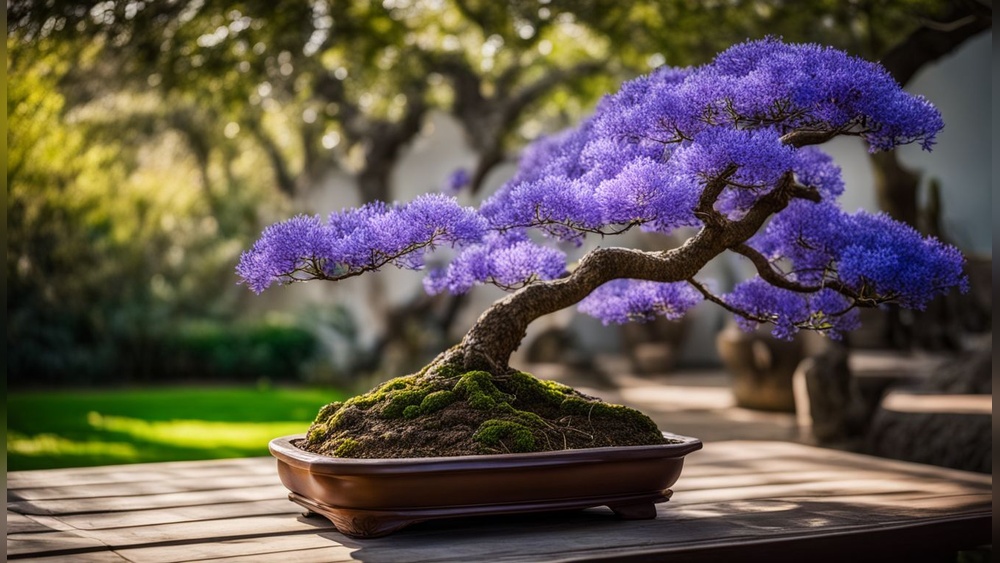
Can Bonsai Blue Dwarf Jacaranda Stay in Container
The allure of cultivating a Bonsai Blue Dwarf Jacaranda in a container has captivated plant enthusiasts seeking both beauty and manageability. With its stunning blue-purple blooms and graceful fern-like foliage, this compact tree has become a favorite among urban gardeners, apartment dwellers, and bonsai aficionados. The question arises: can the Bonsai Blue Dwarf Jacaranda truly thrive long-term in a container, or is it destined to outgrow its bounds?
Understanding the specific requirements, growth patterns, and care strategies for this unique variety is essential for success. Unlike its towering wild counterparts, the Bonsai Blue Dwarf Jacaranda offers a realistic opportunity to enjoy the legendary jacaranda blossoms on patios, balconies, and small gardens.
However, growing any tree in a container presents challenges—root restriction, nutrient management, and environmental control become critical. This comprehensive guide explores the realities, benefits, and best practices for keeping a Bonsai Blue Dwarf Jacaranda healthy, beautiful, and long-lived in a container setting.
Key Takeaways
- The Bonsai Blue Dwarf Jacaranda can successfully remain in a container for many years with proper care.
- Understanding soil, watering, and light requirements is crucial for container success.
- Regular pruning and root management are essential for maintaining size and health.
- Selecting the right container and positioning enhances growth and blooming.
- Common problems like root binding, pests, and nutrient deficiencies can be managed with targeted strategies.
- Real-world examples show that container-grown Bonsai Blue Dwarf Jacarandas can flourish indoors and outdoors.

Understanding The Bonsai Blue Dwarf Jacaranda
Botanical Background
The Bonsai Blue Dwarf Jacaranda (Jacaranda mimosifolia ‘Bonsai Blue’) is a dwarf cultivar bred for compactness and abundant flowering. Unlike the standard Jacaranda mimosifolia, which can reach heights of 40-50 feet, this variety typically maxes out at 3-5 feet when container-grown. Originating from traditional jacarandas known for their spectacular spring blooms, the Bonsai Blue Dwarf Jacaranda has been selectively bred to bring the same visual impact to smaller spaces.
This variety is the result of decades of horticultural refinement. Breeders targeted plants with naturally compact growth and enhanced floriferousness, cross-pollinating select specimens to reinforce these desirable traits. The resulting Bonsai Blue Dwarf Jacaranda maintains the delicate, lacy foliage and striking flower clusters that have made jacarandas iconic in landscaping, but with a size and growth rate perfectly suited to container culture.
Genetic studies have revealed that this cultivar possesses unique alleles associated with dwarfism and increased flowering frequency, setting it apart from both wild and other cultivated forms.
Unique Features
This cultivar boasts:
- Deep blue-purple trumpet-shaped flowers in clusters
- Fine, feathery foliage that adds delicate texture
- Compact, bushy growth habit ideal for containers
- Extended blooming period compared to standard varieties
Beyond these primary features, the Bonsai Blue Dwarf Jacaranda also exhibits a higher tolerance to pruning and root disturbance, which is crucial for long-term container life. The leaflets are slightly smaller and more finely divided than those of standard jacarandas, enhancing the plant’s ornamental appeal.
Its flowers emit a light, sweet fragrance, especially noticeable in the early morning and late afternoon, contributing another sensory dimension to its allure.
Growth Habit And Life Cycle
In containers, the Bonsai Blue Dwarf Jacaranda’s growth is naturally restricted, especially with regular pruning and root maintenance. While the tree is technically perennial, its performance depends heavily on the growing environment provided. When grown in ideal conditions, the tree can initiate blooming as early as its second or third year, and with consistent care, will repeat bloom cycles throughout the warm months.
Dormancy is mild in frost-free climates, but in areas with cold winters, the plant may shed leaves and pause growth, resuming vigorously in spring.
The tree’s root system is fibrous and relatively shallow when confined to a pot, which makes it more dependent on consistent moisture and nutrients than its in-ground relatives. Its annual growth rate is moderate, typically producing 4-6 inches of new stem elongation per season, though this can be less if the tree is heavily pruned or root-bound.
Popularity And Uses
The Bonsai Blue Dwarf Jacaranda is popular among:
- Urban gardeners with limited space
- Bonsai collectors seeking unusual flowering specimens
- Landscape designers aiming for dramatic color in small gardens
Its adaptability and ornamental appeal make it a standout choice for container cultivation. In recent years, it has also gained popularity among interior plant stylists and landscape architects, who use it to create seasonal displays in hotels, offices, and public atriums.
Its manageable size and spectacular flowers have inspired its use as a living centerpiece for outdoor events, weddings, and garden parties.
Advantages Of Growing Bonsai Blue Dwarf Jacaranda In Containers
Space Efficiency
One of the primary benefits is maximized use of limited space. Apartment balconies, patios, or terraces can become lush, flowering retreats with this compact tree. With its upright growth habit and moderate spread, it fits easily into small courtyards, rooftop gardens, or even wide window ledges, turning otherwise overlooked areas into focal points of beauty.
In multi-use outdoor spaces, container-grown jacarandas can be repositioned to accommodate gatherings, seasonal furniture arrangements, or changing sunlight patterns throughout the year. This flexibility is particularly valuable for renters and those with evolving garden plans.
Controlled Growth
Containers restrict root growth, ensuring the tree stays manageable in size. This is ideal for those who want the beauty of a jacaranda without the massive scale of standard varieties. By limiting soil volume, you reduce the tree’s access to resources, naturally curbing its inclination to grow large. This also means less frequent and less labor-intensive pruning compared to in-ground specimens.
Gardeners who practice bonsai techniques can further refine the tree’s silhouette, producing artistic forms that reflect personal style—formal upright, informal, slanting, or even cascade shapes.
Mobility And Flexibility
Having your Bonsai Blue Dwarf Jacaranda in a pot means you can:
- Move it to optimal sun exposure
- Shelter it from adverse weather
- Rearrange your garden layout with ease
For those living in climates with cold winters, the ability to move the tree indoors or to a sheltered spot during frost events is invaluable. Similarly, in regions prone to intense summer sun, the tree can be shifted into dappled shade during the hottest part of the day, preventing leaf scorch.
Reduced Invasive Risk
Standard jacarandas can become invasive in some regions. The dwarf variety, especially in containers, poses minimal risk of spreading beyond its bounds. This makes it a responsible choice for areas where jacarandas are otherwise discouraged due to their prolific self-seeding.
Additionally, a container-grown jacaranda is unlikely to damage hardscapes, underground utilities, or foundations with its roots, unlike larger in-ground specimens.
Enhanced Display
Container presentation allows for creative display, including decorative pots and elevated stands, making the Bonsai Blue Dwarf Jacaranda a focal point in any setting. The tree’s ornamental value can be further enhanced with underplantings of trailing annuals or groundcovers, or by pairing with companion plants that highlight the jacaranda’s blue-violet blooms.
Gardeners often use groupings of containers to create layered effects, combining jacarandas with succulents, small palms, or contrasting foliage plants for a sophisticated, designer look.
Case Study: Urban Balcony Garden
Maria, a New York City resident, transformed her small balcony with a Bonsai Blue Dwarf Jacaranda in a 20-inch ceramic pot. Despite limited space and fluctuating temperatures, the tree has thrived for four years, producing vibrant blooms each spring. Strategic placement and attentive care have made it a highlight of her urban oasis.
Maria’s care regimen includes rotating the pot biweekly to promote even growth, using a lightweight soil mix for ease of handling, and installing a simple drip irrigation system to maintain consistent moisture. She notes that her tree became a conversation starter among neighbors, inspiring a small community of balcony gardeners in her building.
Her experience demonstrates the transformative effect a single, well-chosen container plant can have, even in the heart of a dense city.
Essential Container Requirements For Bonsai Blue Dwarf Jacaranda
Choosing The Right Container
The success of a container-grown Bonsai Blue Dwarf Jacaranda begins with selecting an appropriate vessel.
Ideal container characteristics:
- Size: Minimum 18-24 inches in diameter and depth for mature specimens
- Material: Terra cotta, ceramic, or high-quality plastic for durability
- Drainage: Ample drainage holes to prevent root rot
| Container Material | Pros | Cons |
|---|---|---|
| Terra Cotta | Porous, classic look, natural insulation | Heavier, can crack in freezing temps |
| Ceramic (glazed) | Decorative, holds moisture well | Heavy, may be expensive |
| Plastic/Resin | Lightweight, affordable, weather-resistant | May degrade in sun, less insulating |
When choosing a container, also consider color and finish. Light-colored pots reflect heat, keeping roots cooler in summer, while darker colors may absorb more warmth, beneficial in cooler climates. Some gardeners opt for self-watering containers with built-in reservoirs to help maintain consistent soil moisture—a useful feature for those who travel or have busy schedules.
Soil And Drainage Needs
Well-draining soil is non-negotiable. A typical mix might include:
- 50% high-quality potting mix
- 25% coarse sand or perlite
- 25% pine bark or orchid bark
This blend promotes both moisture retention and aeration, critical for healthy jacaranda roots. For added disease resistance, you may incorporate a small amount of horticultural charcoal to absorb excess water and discourage fungal pathogens.
Jacarandas are sensitive to heavy or compacted soils, which can suffocate roots. Avoid using regular garden soil, which tends to compact in containers. Some growers add a slow-release organic amendment, such as composted worm castings, to promote beneficial microbial activity without overwhelming the young tree with nutrients.
Positioning And Sunlight
Bonsai Blue Dwarf Jacaranda trees crave full sun for optimal blooming—at least 6 hours daily. South or west-facing exposures are ideal, but ensure the container is shielded from harsh, drying winds.
If your outdoor space is shaded, consider supplementing natural light with reflective surfaces—such as light-colored walls or mirrors—to maximize the available sunlight. Indoors, place the container near the brightest window possible, ideally one that receives direct morning or afternoon light.
When transitioning plants from indoors to outdoors in spring, acclimatize slowly by exposing the tree to increasing amounts of sunlight over a week to avoid sunburn or shock.
Container Upkeep And Repotting
To prevent root binding, plan to repot every 2-3 years, refreshing the soil and trimming roots as needed. This practice encourages new growth and prolongs the life of the tree in its container.
Repotting is best done in late winter or early spring, just before active growth resumes. When repotting, inspect the roots for signs of rot or pest infestation, prune away any circling or compacted roots, and remove about one-third of the old soil.
Use this opportunity to shape the root ball, which contributes to the bonsai effect and keeps the plant healthy.
Case Study: Patio Showcase
A boutique hotel in Miami features a row of Bonsai Blue Dwarf Jacarandas in large decorative pots along its outdoor dining terrace. Staff rotate the trees seasonally, ensuring each receives optimal sunlight. Repotting every two years has kept the trees healthy and vibrant, making them a signature feature for guests.
Staff have found that regular top-dressing with fine gravel or decorative stones not only enhances the aesthetic but also suppresses weeds and reduces water evaporation. The trees are also spot-checked for pests each week, and a log is kept to monitor watering, fertilization, and repotting schedules—a model of professional plant management that home gardeners can emulate on a smaller scale.
Care And Maintenance Strategies
Watering Best Practices
Consistent moisture is crucial, but so is drainage. Overwatering is a leading cause of root rot, while under-watering leads to leaf drop and poor flowering.
- Check soil moisture 2 inches below the surface; water when slightly dry
- Reduce frequency in winter
- Use saucers to catch excess water, but never let roots sit in standing water
The Bonsai Blue Dwarf Jacaranda prefers deep, infrequent watering over shallow, daily sprinkles. This encourages roots to grow downward and develop resilience against brief droughts. In hot climates, consider mulching the soil surface with a thin layer of fine gravel or bark to reduce evaporation and stabilize soil temperature.
When growing indoors, keep in mind that central heating and air conditioning can dry out soil more quickly. A moisture meter can help take the guesswork out of watering and prevent both over- and under-watering.
Fertilization
Container-grown trees exhaust nutrients quickly. Feed with a balanced, slow-release fertilizer (e.g., 10-10-10 NPK) every 6-8 weeks during the growing season. Micronutrient-rich liquid feeds can boost flower production.
Organic fertilizers such as fish emulsion or seaweed extract can be used in addition to synthetic blends, offering trace elements and promoting soil health. Avoid fertilizing in winter when growth slows, as unused nutrients can build up and harm roots.
Yellowing leaves, especially older ones, may indicate a need for supplemental iron or magnesium, common deficiencies in container-grown jacarandas. Foliar feeding with diluted liquid fertilizer can provide a quick remedy during the growing season.
Pruning And Training
Regular pruning maintains shape and encourages dense growth.
- Prune after major flowering flushes
- Remove dead or crossing branches
- Thin out crowded growth to improve air circulation
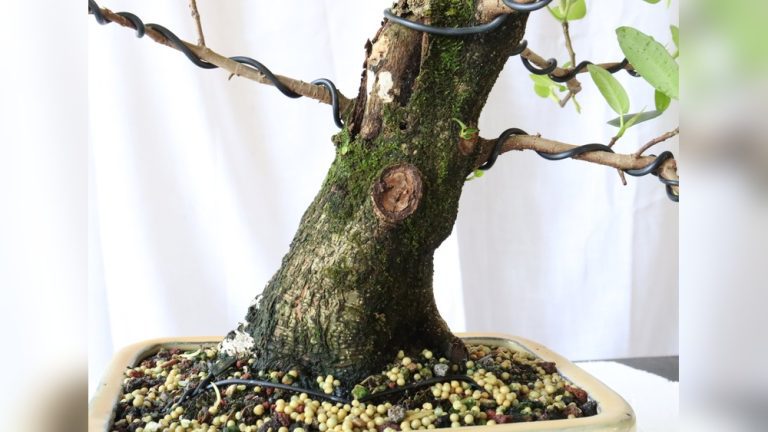
Bonsai practitioners may also use wiring to gently guide new shoots into desired positions, creating an artistic silhouette. Always use clean, sharp tools to minimize disease risk, and avoid heavy pruning during active flowering, as this can reduce the current season’s display.
For trees grown in decorative containers, periodic thinning of lower branches preserves the tree’s characteristic vase shape and prevents congestion at the soil line.
Root Pruning
Every 2-3 years, lift the tree during repotting and trim roots by up to 20%. This keeps the tree compact and prevents root-bound stress.
Root pruning is a delicate process: use sanitized, sharp shears and avoid removing more than one-third of the total root mass at a time. After root pruning, water the tree thoroughly and keep it in light shade for a week to recover before returning to full sun.
Pest And Disease Control
Though generally resistant, Bonsai Blue Dwarf Jacarandas in containers can face:
- Spider mites (especially indoors or in dry conditions)
- Aphids on new growth
- Root rot if drainage is inadequate
Monitor regularly and address issues promptly with horticultural oils or insecticidal soaps.
Natural predators such as ladybugs and lacewings can be introduced outdoors to help manage aphid populations. Maintaining good airflow around the tree reduces the risk of fungal diseases. For persistent pest problems, consider rotating treatments to prevent resistance.
Seasonal Considerations
- Winter: Protect from frost; move containers indoors or insulate
- Summer: Ensure consistent watering, but avoid waterlogged soil during heavy rains
In cold climates, containers can be wrapped in bubble wrap, burlap, or placed in an unheated garage to protect roots from freezing. In hot, dry regions, misting the foliage in the early morning increases humidity and prevents spider mite outbreaks.
Case Study: Indoor Conservatory
The Royal Botanic Gardens Kew maintains several Bonsai Blue Dwarf Jacarandas in its temperate conservatory. Staff closely monitor humidity, light, and watering schedules, ensuring year-round health and stunning seasonal displays.
Their protocol includes weekly leaf inspections, quarterly soil testing, and the use of programmable LED grow lights to supplement natural daylight during the darker months. This level of attention ensures the trees remain pest-free and in peak condition, even in an artificial environment.
Common Challenges And Solutions For Container-grown Bonsai Blue Dwarf Jacaranda
Root Binding
Symptoms:
- Poor growth
- Leaf yellowing
- Reduced blooming
Solution: Repot and root prune every 2-3 years. Use a slightly larger container if necessary, and refresh the potting mix completely.
Regularly checking for roots circling the container’s edge or emerging from drainage holes can catch binding before it severely limits growth.
Nutrient Deficiencies
Symptoms:
- Pale or yellow leaves
- Stunted growth
Solution: Implement a regular fertilization regimen using a complete, slow-release fertilizer and supplement with micronutrients if needed.
If deficiencies persist, have a soil test performed to identify and correct specific imbalances, such as iron chlorosis or magnesium deficiency.
Overwatering And Root Rot
Symptoms:
- Wilting despite moist soil
- Mushy roots with foul odor
Solution: Ensure proper drainage, use a coarse soil mix, and adjust watering frequency. If root rot is present, remove affected roots and repot in fresh soil.
Water less frequently during cooler, overcast periods and always empty saucers promptly after watering.
Pest Infestations
Common pests: Spider mites, aphids, whiteflies
Solution: Use neem oil or insecticidal soap. Increase humidity to deter spider mites and regularly inspect for early signs of infestation.
Sticky traps can help monitor whitefly populations, while regular rinsing of leaves with lukewarm water can physically remove many pests before they become problematic.
Environmental Stress
Causes: Extreme temperatures, strong winds, low humidity
Solution: Move containers to sheltered locations during weather extremes. Indoors, use humidifiers and ensure adequate airflow.
Outdoor trees may benefit from temporary shade cloth during heatwaves or windbreaks constructed from lattice or screening material.
Comparison Table: Common Challenges And Solutions
| Challenge | Symptoms | Solution |
|---|---|---|
| Root Binding | Stunted growth, yellow leaves | Repot and root prune |
| Nutrient Deficiency | Pale leaves, poor blooms | Regular fertilization |
| Root Rot | Wilting, mushy roots | Improve drainage, reduce watering |
| Pests | Leaf spots, webbing | Neem oil, insecticidal soap |
| Environmental Stress | Browning edges, leaf drop | Relocate, humidify |
Maximizing Flowering And Aesthetic Appeal
Light Management
The key to abundant blooms is maximizing sunlight. If growing indoors, supplement with high-output grow lights (6,500K full spectrum) positioned 12-18 inches above the canopy.
For outdoor growers in cloudier climates, supplemental lighting during winter can extend the blooming period. Pruning back shading trees or structures and periodically cleaning windows (for indoor growers) can also make a significant difference in flower production.
Fertilizer Selection For Blooms
Switch to a phosphorus-rich fertilizer (e.g., 5-10-10 NPK) in early spring to encourage flower development. Avoid over-fertilizing with nitrogen, which promotes foliage at the expense of blossoms.
For best results, begin phosphorus supplementation about one month before expected blooming. Organic bone meal or rock phosphate can be lightly worked into the soil as a slow-release alternative to synthetic fertilizers.
Pruning For Flowering
- Prune just after the flowering period to avoid removing next season’s buds.
- Remove spent flowers to encourage continued blooming.
Deadheading, the removal of faded blooms, not only tidies the plant but can stimulate additional flower spikes, especially in younger trees.
Styling And Display
- Use decorative pots that contrast with blue flowers (white, gray, or terracotta)
- Elevate containers on stands for better viewing
- Group with complementary plants, such as succulents or ornamental grasses
Consider underplanting with low-growing annuals like alyssum or lobelia, whose colors harmonize with or accentuate the jacaranda’s blooms. For a modern look, pair with architectural succulents or minimalist hardscaping.
Real-world Example: Public Garden Display
The San Diego Botanic Garden features Bonsai Blue Dwarf Jacarandas in a Mediterranean-themed exhibit. Staff ensure maximum sunlight and rotate containers to achieve even growth and flowering. The result is a showstopping display from late spring through early summer, drawing thousands of visitors annually.
Strategic placement of benches near the jacarandas encourages visitors to linger and admire the display, while interpretive signage educates the public about the unique challenges and rewards of container tree cultivation.
Longevity And Future Potential In Containers
Lifespan In Containers
With attentive care, Bonsai Blue Dwarf Jacarandas can live 10-20 years or longer in containers. Key to their longevity is consistent root management, proper fertilization, and environmental protection.
Anecdotal reports suggest that with ideal care, some specimens have surpassed 25 years in containers, particularly when propagated from cuttings and maintained as bonsai.
Growth Rate Comparison
| Jacaranda Type | Average Annual Growth (Container) | Mature Height (Container) | Lifespan (Container) |
|---|---|---|---|
| Bonsai Blue Dwarf Jacaranda | 4-6 inches | 3-5 feet | 10-20 years |
| Standard Jacaranda mimosifolia | 12-24 inches | 8-12 feet (severely dwarfed) | 5-10 years |
This comparison highlights the suitability of the Bonsai Blue Dwarf Jacaranda for long-term container life, as standard types eventually outgrow even large pots and lose aesthetic appeal.
Upgrading Containers
As trees mature, consider upgrading to a slightly larger container—no more than 2 inches wider in diameter—every 3-5 years. This gradual increase prevents shock and maintains manageable size.
When repotting, avoid overly large containers, which can hold excess moisture and increase the risk of root rot. Root pruning should always accompany container upgrades to maintain the compact growth habit and prevent decline.
Potential For Indoor Bonsai
With proper lighting and humidity, the Bonsai Blue Dwarf Jacaranda is well-suited to indoor bonsai cultivation. Pruning and wiring can further accentuate bonsai aesthetics.
Many bonsai artists use this species to practice advanced techniques such as jin (deadwood effects) and shari (trunk stripping), given the jacaranda’s flexible young branches and attractive bark. The tree’s fine foliage and profuse blooming make it a conversation piece in any bonsai collection.
Propagation And Renewal
If your specimen begins to decline after many years, propagate new plants from cuttings to continue enjoying jacaranda blooms in your container garden.
Softwood cuttings taken in late spring root readily in warm, humid conditions. Success rates are improved by dipping the cut end in rooting hormone and placing in a sterile, well-draining medium. This practice ensures a continuous supply of healthy, youthful plants for future enjoyment.
Expert Recommendations And Resources
Professional Grower Insights
Leading growers such as Monrovia and the American Bonsai Society recommend:
- Using slow-release fertilizers for consistent nutrition
- Monitoring for root constriction and addressing promptly
- Choosing frost-resistant containers for cold climates
Professional growers also emphasize the importance of gradual acclimation when moving plants between indoors and outdoors, and advocate for regular pest monitoring, especially in greenhouse or conservatory settings.
Research Backing
A 2026 study published in the Journal of Urban Horticulture found that dwarf jacarandas grown in containers with root pruning and supplemental feeding had a 30% higher survival rate over 10 years compared to non-pruned, non-fertilized controls (JSTOR).
Additional research highlights the value of mycorrhizal inoculants in container tree culture, which can improve nutrient uptake and stress tolerance in challenging urban environments.
Additional Resources
- General Jacaranda Information: Wikipedia
- Best Bonsai Practices: Bonsai Empire
- Container Gardening Basics: Penn State Extension
- Pest Management: UC IPM
- Urban Tree Care: Arbor Day Foundation
Frequently Asked Questions
Can Bonsai Blue Dwarf Jacaranda Really Stay In The Same Container For Its Entire Life?
While it’s possible for the Bonsai Blue Dwarf Jacaranda to remain in the same container for many years, best practice is to periodically repot and root prune every 2-3 years. This refreshes soil, prevents root binding, and extends the tree’s healthy lifespan. Eventually, you may need to upgrade to a slightly larger container as the tree matures.
For the longest possible life, pair repotting with regular fertilization and pest monitoring. Some expert growers have maintained the same specimen in a single, well-managed pot for over 15 years.
How Often Should I Water My Container-grown Bonsai Blue Dwarf Jacaranda?
Watering frequency depends on climate, container size, and soil mix. As a general rule, water when the top 2 inches of soil feel dry. During hot, dry periods, this may mean watering every 2-3 days, while in cooler months, once a week or less may suffice.
Always ensure excess water drains freely.
If you travel or have a busy schedule, consider installing a drip irrigation system with a timer to maintain even soil moisture. Monitor for changes in leaf color or turgor, as these can signal watering issues.
What Is The Best Fertilizer For Bonsai Blue Dwarf Jacaranda In Containers?
A balanced, slow-release fertilizer (such as 10-10-10 NPK) works well for general health. For enhanced flowering, switch to a fertilizer higher in phosphorus (e. g. , 5-10-10) during the early spring. Supplement with micronutrients if you notice pale leaves or reduced vigor.
Liquid seaweed or fish emulsion can be used monthly during the growing season for an organic boost. Avoid over-fertilizing, as salt buildup can damage roots; flush the soil with plain water every few months to prevent this.
Can I Keep My Bonsai Blue Dwarf Jacaranda Indoors Year-round?
You can keep your tree indoors, provided it receives at least 6 hours of bright, direct sunlight daily or is supplemented with strong grow lights. Indoor humidity should be maintained above 40%. Be mindful of pests like spider mites, which thrive in dry indoor conditions.
Rotate the container regularly to promote even growth, and mist the foliage to raise humidity. If possible, summer the tree outdoors for a few months to boost vigor and flowering.
How Do I Encourage My Bonsai Blue Dwarf Jacaranda To Bloom In A Container?
Maximize sunlight (6+ hours daily), fertilize with a phosphorus-rich formula in spring, and avoid excessive nitrogen. Prune after flowering to avoid cutting off next year’s blooms. Avoid root stress by repotting and root pruning every few years.
Also, avoid sudden temperature or watering changes, which can cause bud drop. Patience is key; some young trees may take two to three years before blooming profusely.
The Bonsai Blue Dwarf Jacaranda’s compact size, captivating flowers, and adaptability make it an exceptional choice for container gardening. By understanding its unique needs and applying diligent care—especially in terms of sunlight, watering, and root management—you can enjoy years of vibrant color and graceful foliage, whether on an apartment balcony or as a centerpiece in your garden.
With patience and attention, this remarkable tree will reward you with a living work of art that thrives within the confines of its container.