How to Revive a Stressed Bonsai Tree Step by Step
If the trunk or roots are firm and you see green under a scratch, keep the tree steady, water the root zone correctly, and remove only dead growth. If wood is brown and dry through the stem, it is usually too late. Bad timing can turn a recoverable bonsai into a dead stump or root rot. This guide shows the triage steps for indoor and outdoor trees.
What you need


- A clean blade or fingernail for the scratch test
- A chopstick or your fingers for checking soil moisture
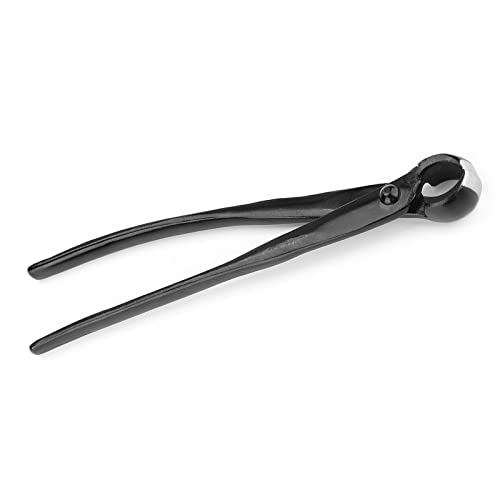
- Clean scissors or pruners for dead tissue only
- Fresh bonsai soil mix with akadama, pumice, and lava rock
- A pot with drainage holes
- Optional: a humidifier or pebble tray for indoor tropical trees
- Paper towels or a small brush for cleaning roots and debris
Is my bonsai dead or dormant?
Run the scratch test on several branches and on the trunk. Green cambium under the bark means the tissue is alive; brown, dry tissue means that section is dead. Leaf drop alone does not prove death, especially on deciduous bonsai that can lose all leaves in autumn and still be healthy.
Read the scratch test correctly
Test several branches, not just one tip. Branch tips can fail first while the trunk still lives. If the scratch test shows green on at least part of the tree, treat it as stressed, not dead. If every tested area is brown and dry, the chances drop sharply.
Check flexibility and bark condition
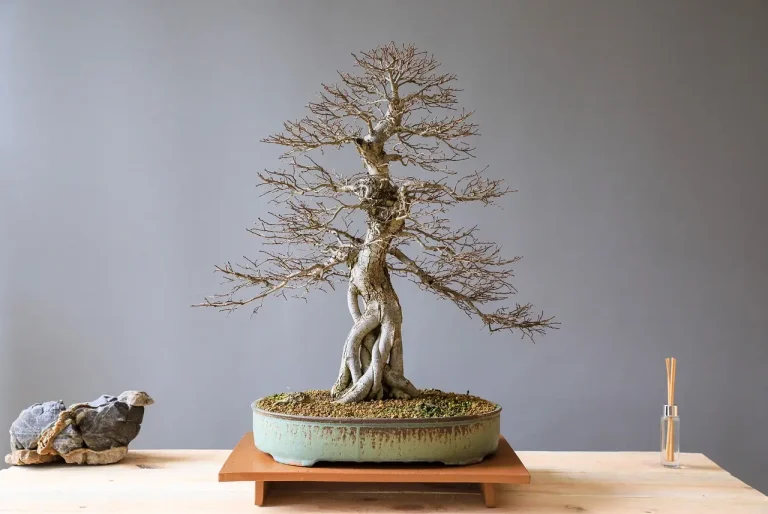
Live twigs usually bend a little before they snap. Brittle twigs that break cleanly point to severe dehydration or death. Use that check with the scratch test, not instead of it. A leafless bonsai with firm wood may still be dormant.
What to do first when a bonsai starts dropping leaves
Move the tree to bright indirect light, keep it in one stable spot, and stop styling, wiring, and fertilizing. Sudden changes add stress. For outdoor species, morning sun and afternoon shade are safer during recovery. For indoor bonsai, bright indirect light is the right starting point.
Stabilize the environment
Do not keep shifting the pot from window to window or from shade to sun. Pick one suitable place and leave it there while you diagnose the cause. A stressed tree needs consistency before anything else.
- Set the bonsai in bright indirect light.
- Hold the temperature and placement steady.
- Pause pruning, wiring, and any repotting until the cause is clear.
Do I water a stressed bonsai more or less?
Water more or less only after you check the soil. Soggy soil points to overwatering; powder-dry soil points to underwatering. The leaf color alone is not enough. A quick first step is to test soil moisture and inspect visible pests.
Use touch or a chopstick
Push a chopstick into the root zone and pull it out after a minute. If it comes out wet and dirty, the soil is still holding water. If it comes out dry and clean, the root zone has dried out. Use this check before changing the watering schedule.
Match the fix to the symptom
Overwatered bonsai can smell sour and have yellow leaves with mushy roots. Underwatered bonsai often show dry soil, crispy leaves, and brittle twigs. Watering blindly can make either problem worse.
- Check the soil surface and root zone.
- If soil is soggy, hold water until the top layer begins to dry.
- If soil is powder-dry, water thoroughly until it drains from the bottom.
- Recheck the pot before watering again.
Check roots and repot if needed
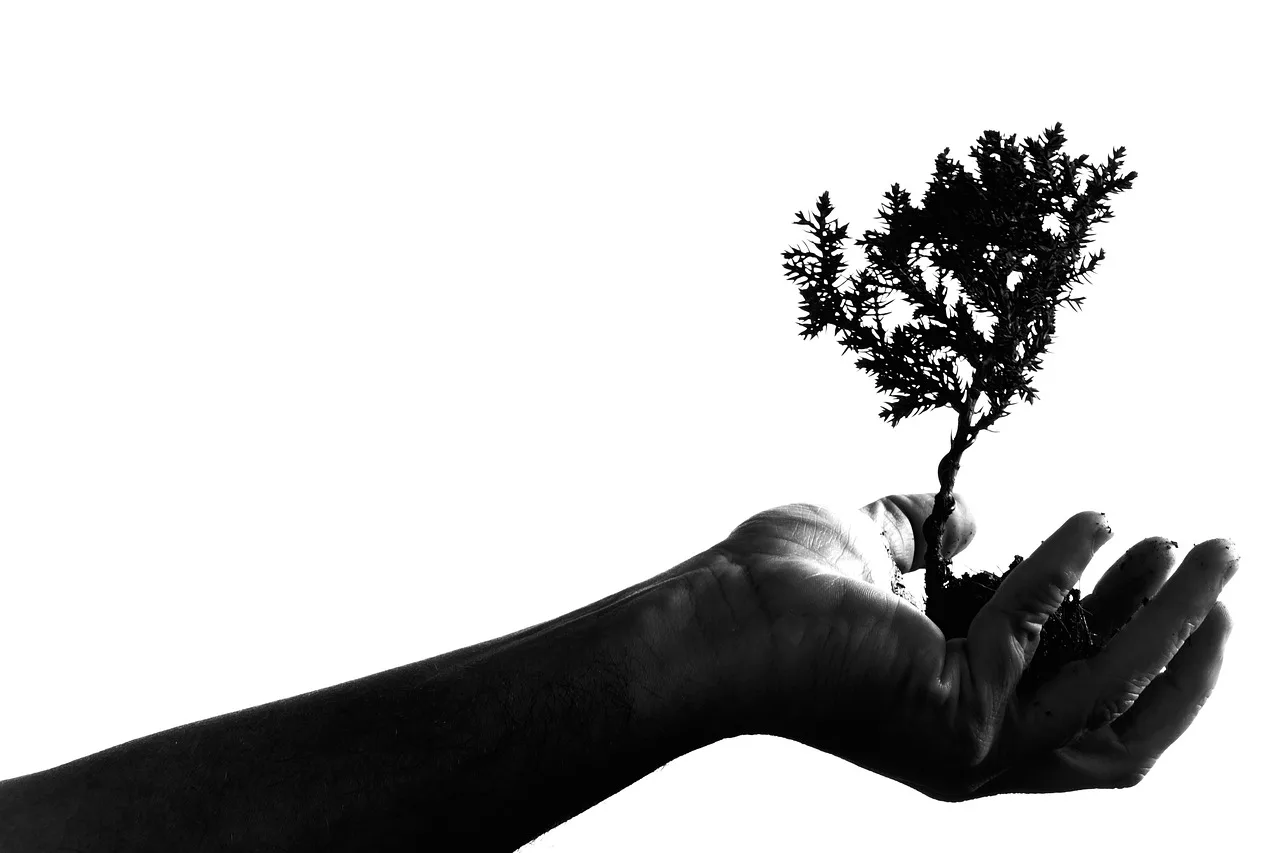
Lift the tree only if root rot signs are present or the soil has failed. Root rot usually comes from overwatering and poor drainage. Look for mushy, dark roots and sour-smelling soil. If the tree is still salvageable, remove dead roots and repot into a fresh, airy mix.
When emergency repotting is justified
Emergency repotting makes sense when the root ball is collapsing, the soil stays wet for too long, or the roots smell sour. It is not the first move for every stressed bonsai. Many deciduous bonsai are repotted every 2–4 years, while slower-growing species may be repotted every 3–5 years, usually in early spring.
Use the right soil
A bonsai soil mix must drain fast and keep air spaces around the roots. Common ingredients include akadama, pumice, and lava rock. Standard garden soil holds too much water and can suffocate roots. A common bonsai recipe is 40% akadama, 30% pumice, and 30% lava rock.
- Remove the tree from the pot if roots smell sour or feel mushy.
- Trim only black, soft, dead roots.
- Set the tree in fresh bonsai mix.
- Keep it in shade recovery after repotting.
Bonsai rescue triage table
| Symptom cluster | Likely cause | What to do in the first 24 hours | What not to do | Recovery odds: indoor tropical | Recovery odds: outdoor temperate |
|---|---|---|---|---|---|
| Yellow leaves, soggy soil, sour smell, mushy roots | Overwatering and poor drainage | Stop watering, check roots, repot only if rot is present | Do not add more water or fertilizer | Fair if trunk is firm and some roots are white | Fair if the trunk and branch cambium are still green |
| Crispy leaves, dry soil, brittle twigs | Underwatering or root damage | Water thoroughly, then recheck after drainage | Do not soak repeatedly without checking the soil | Good if foliage loss is recent and the trunk is firm | Good if the scratch test shows green tissue |
| Leaf drop with firm stems and green scratch marks | Dormancy or light stress | Keep stable light and watch for new buds | Do not repot or heavily prune right away | Good for tropical trees if light and humidity improve | Good for deciduous trees entering seasonal dormancy |
| Sticky leaves, webbing, bumps, cottony clusters | Pests such as aphids, scale, spider mites, mealybugs | Isolate the tree and treat visible pests | Do not move the infestation next to healthy trees | Good if the infestation is small and caught early | Good if the tree is otherwise vigorous |
Watch for pests and recover slowly
Inspect for aphids, scale, spider mites, and mealybugs. Isolate affected trees at once. If pests are present, treat with soap, neem, or a targeted product that fits the pest and species. Pests often show up after stress, so check leaves, stems, and the undersides of foliage.
Give indoor trees humidity support
Indoor tropical bonsai often struggle in dry air. A humidifier or pebble tray can help, as long as the pot stays above standing water. That keeps humidity up without leaving the roots submerged.
Use a short recovery schedule
Say your 8-inch ficus sits in a north window, drops half its leaves, and the soil is still damp three days later. The first move is not more water. It is better light, a root check if the smell is sour, and pest inspection before any other change.
- Check the undersides of leaves and twig joints.
- Isolate the tree if you find pests.
- Recheck moisture and light after 7 days.
- At 30 days, look for new buds, firmer twigs, or stable foliage.
Common mistakes
Overwatering after leaf drop is a common error. It is also common to repot too early, prune too hard, or use garden soil that stays wet. Another mistake is mixing indoor tropical care with outdoor temperate care, then wondering why the tree stalls.
What to avoid
A common first-timer mistake is to cut back half the canopy because it looks thin. That can push a weak tree past recovery. Remove only dead tissue first. Leave live foliage in place until the tree is clearly producing new growth.
- Do not water on a fixed schedule without checking the soil.
- Do not repot unless root rot or soil failure makes it necessary.
- Do not use standard garden soil.
- Do not wire, shape, or defoliate a weak tree.
- Do not ignore species type when choosing light and humidity.
Frequently asked questions
How do I tell if my bonsai is dead or dormant?
Use the scratch test on several branches and the trunk. Green cambium means the tissue is alive. Brown, dry tissue means that section is dead. A deciduous bonsai can drop all its leaves in autumn and still be healthy, so leaf loss alone is not enough.
Should I repot a stressed bonsai right away?
Only if you find root rot, sour-smelling soil, or a soil mix that clearly fails to drain. Otherwise, keep the tree steady and wait. For many species, early spring is the usual repotting window, and a repot after random stress can add more damage.
How can I fix root rot before it kills the tree?
Remove the tree, cut away dead roots, and move it into a fresh airy mix with akadama, pumice, and lava rock. Then keep it shaded while it recovers. If the trunk is mushy or the cambium is brown through the tree, there may be no practical rescue.
What should I do first when a bonsai starts dropping leaves?
Check the soil moisture and inspect for pests before you change anything else. Then test several branches with the scratch test. If the tree is alive, move it to bright indirect light and stop styling work until the cause is clear.
How do I revive a dead bonsai tree?
There is no revival if the scratch test is brown and dry through the trunk and major branches. At that point, propagation from any live cutting is the only possible salvage, and even that depends on finding green tissue. If none exists, replacement is the honest outcome.
How to train a bonsai tree after recovery
Wait until the tree has produced steady new growth and the roots have stabilized. Then start with light trimming, not major styling. Training too soon can weaken a recovering bonsai more than the original stress did.