Are Any Deciduous Species Suitable For Indoor Bonsai? Yes!
Yes, many deciduous tree species can indeed be kept as indoor bonsai. While they require specific conditions and care compared to traditional indoor plants, it’s achievable with the right knowledge and effort. Understanding their seasonal needs is key to success.
Understanding Deciduous Bonsai Indoors
Deciduous trees are famous for their leaves changing color in the fall. Then, they drop them for winter. This cycle is natural for them.
Bringing them inside presents a unique challenge. They still need to go through these phases. We need to help them do that, even in our homes.
Most people think of bonsai as always green. This is often because evergreens are easier to manage indoors. They don’t need the cold rest period that deciduous trees do.
But, with some planning, you can enjoy the unique beauty of a deciduous bonsai. It brings a different kind of charm to your indoor garden.
The main difference is managing their dormancy. Outdoor trees need a cold period. This rest is vital for their health.
Indoors, we have stable, warm temperatures year-round. This can trick the tree. It might not know when to rest.
This can weaken it over time.
So, the goal is to mimic their natural outdoor cycle as much as possible. This includes providing that essential cold dormancy. It also means giving them enough light when they are actively growing.
And watering them just right throughout the year.
It’s about respecting their nature. Deciduous bonsai are living art. They show the seasons.
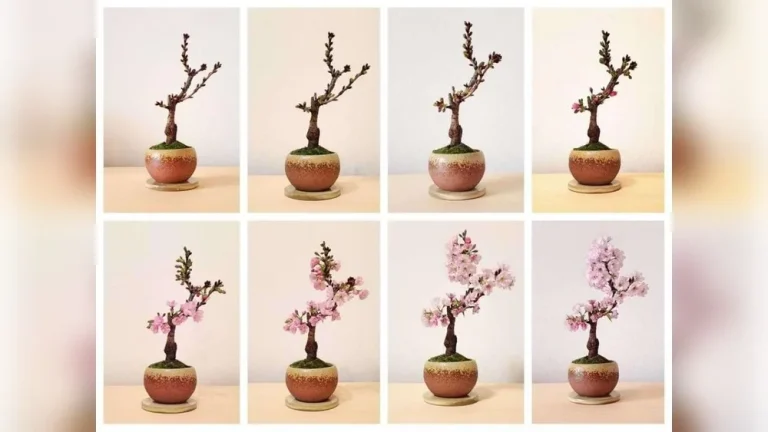
Their bare winter branches have a stark beauty. Their spring buds are a promise of renewal. Their summer foliage offers lushness.
And their autumn colors are a final, glorious show.

My Own Journey with a Stubborn Maple
I remember my first attempt vividly. It was a little Japanese maple, Acer palmatum. I bought it at a nursery, a tiny thing with delicate leaves.
I loved its shape. I thought, “This will be beautiful on my desk!” So, I brought it inside and put it on a sunny windowsill. I watered it when the soil felt dry.
I even misted it sometimes, thinking it liked humidity.
For a while, it looked okay. The leaves stayed green. But then, the edges started to brown.
They felt crispy. The little red veins seemed dull. I panicked.
Was I overwatering? Underwatering? I read everything I could find.
Most advice was for outdoor maples. It didn’t quite fit my indoor situation. The tree seemed confused.
It wasn’t thriving. It felt like I was failing it. It was frustrating because I loved that tree so much and wanted it to live.
One day, after many sad little leaves fell off, I realized my mistake. I was treating it like a tropical plant. I wasn’t giving it what it truly needed: a break.
A cool, quiet rest. That’s when I started researching dormancy for indoor deciduous bonsai. It changed everything.
I learned I needed to move it somewhere cold, but not freezing, for a few months. It was a big shift in how I cared for it. It felt like a risk, but I was determined to give it a chance to be healthy.
Choosing the Right Deciduous Species
Not all deciduous trees are created equal when it comes to indoor bonsai. Some are much more forgiving than others. The key is to find species that are naturally smaller, grow slowly, and can tolerate a bit of indoor stress.
Also, those that have a clear seasonal cycle that we can help mimic.
Here are some top contenders that often do well:
Japanese Maple (Acer palmatum)
As my story showed, these can be tricky but rewarding. Their small leaves and delicate branching make them stunning. They need good light and a cool dormancy.
Quick-Scan: Japanese Maple Care Highlights
- Light: Bright, indirect light. Direct sun can scorch leaves.
- Water: Keep soil moist but not soggy.
- Dormancy: Essential. Needs 3-4 months in a cool spot (30-45°F / -1 to 7°C).
- Styling: Fine branching, beautiful leaf shapes.
Chinese Elm (Ulmus parvifolia)
This is a bit of a cheat. It’s technically semi-deciduous. This means it might drop leaves if conditions are very cold or dry.
But it often keeps leaves year-round indoors. This makes it a great bridge. It’s tough and adaptable.
It’s a fantastic choice for beginners. Its small leaves and strong trunk development are excellent for bonsai.
Chinese Elm: A Flexible Choice
- Light: Prefers bright light. Can tolerate some direct sun.
- Water: Water when the top inch of soil is dry.
- Dormancy: Less critical than true deciduous types. Can benefit from a cooler rest.
- Growth: Vigorous grower, quick to establish.
Fukien Tea (Carmona retusa)
Another semi-evergreen. It’s known for its small white flowers. And its glossy, dark green leaves.
It is a popular indoor bonsai. It doesn’t need a harsh cold dormancy.
It’s a good option if you can’t provide a very cold spot. But it still likes a cooler period.
Pomegranate (Punica granatum)
This tree is a joy! It has vibrant red flowers. And produces small, edible fruits.
It’s a true deciduous type. It will drop its leaves. This makes it more challenging indoors.
But the payoff is huge.
It needs a very sunny spot when growing. And it definitely needs a good cold rest.
Weeping Fig (Ficus benjamina)
Okay, this is evergreen. But many people think it’s deciduous because it drops leaves so easily! The Ficus is famous for shedding leaves when stressed.
It’s a classic indoor bonsai.
It doesn’t need a cold period. It just needs consistent care.
Flowering Quince (Chaenomeles spp.)
These produce beautiful spring flowers. They come in shades of red, pink, and white. They are deciduous.
They will drop their leaves.
They need good light. And they require a cold dormancy. This is one to try if you have the right conditions.
Bald Cypress (Taxodium distichum)
This is a bit more advanced. Bald cypress is a conifer, but it’s deciduous. It turns a lovely russet color in fall before dropping its needles.
It loves sun and water. And it needs a cold dormancy.
The Crucial Role of Dormancy
This is the big one. For true deciduous trees, winter dormancy is not optional. It’s a biological necessity.
Think of it like sleep for humans. The tree needs this period of cold to rest and recover.
Without dormancy, the tree gets confused. It might try to keep growing. But it can’t get enough energy indoors.
It will become weak. Its leaves might stay small or turn yellow. Eventually, it might just fade away.
It’s like running a marathon every day without rest.
What is dormancy? It’s a natural period of reduced metabolic activity. This happens when temperatures drop and days get shorter. The tree conserves energy.
It prepares for the new growth of spring.
How to provide dormancy indoors:
- Temperature: Aim for a consistent temperature between 30°F and 45°F (-1°C to 7°C).
- Location: An unheated garage, a cool basement, a protected porch, or even the refrigerator (if the tree is small and properly sealed).
- Light: Minimal light is needed. The tree is resting.
- Watering: Water very sparingly. The soil should not dry out completely, but avoid overwatering. Check the soil moisture every week or two.
- Duration: This period usually lasts 10 to 16 weeks, depending on the species.
It’s important to transition the tree slowly into and out of dormancy. A sudden temperature shock can harm it. Move it to a cooler spot gradually.
Then, bring it back to warmer conditions slowly.
Dormancy Check-In
Myth: My indoor plant doesn’t need a rest.
Reality: True deciduous trees must rest. Without it, they weaken. Think of a plant that never sleeps.
It would get sick.
Light and Watering: The Growing Season
When your deciduous bonsai is not in dormancy, it needs good care. This means plenty of light and the right amount of water.
Light Requirements
During the spring, summer, and fall, your tree needs lots of light. This is when it photosynthesizes. It makes the food it needs to grow and stay strong.
Many deciduous species need several hours of direct sunlight.
If you don’t have enough natural light, consider using grow lights. A south-facing window is ideal. If you only have east or west windows, supplement.
Rotate the tree regularly. This ensures all sides get light.
Watering Needs
Watering is where many people get confused. Deciduous trees in active growth need consistent moisture. The soil should be kept moist, but never waterlogged.
A good rule of thumb is to water when the top inch of soil feels dry to the touch. Always water thoroughly. Let water drain out of the drainage holes.
Avoid letting the soil dry out completely. This can stress the tree. It can lead to leaf drop.
Also, don’t let it sit in standing water. This can cause root rot.
Check the soil moisture daily, especially during hot weather. Your tree’s needs will change with the seasons. And with the humidity in your home.
Watering Wise
Normal: Soil feels dry about an inch down.
Concerning: Soil feels soggy for days, or bone dry for more than a day.
Tip: Use your finger to test soil moisture. It’s more reliable than a schedule.
Soil and Potting for Health
The right soil mix is vital for bonsai. It needs to drain well. It also needs to hold some moisture.
And it needs to allow air to reach the roots.
A common bonsai soil mix includes akadama, pumice, and lava rock. You can find these at bonsai supply stores. A good starting ratio is 1:1:1.
For deciduous trees, a slightly more water-retentive mix might be helpful. You can adjust this by adding a bit more akadama or organic compost. But always prioritize drainage.
Soggy soil is the enemy of healthy roots.
Repotting
Deciduous bonsai need to be repotted every 2-3 years. This is usually done in early spring, just as new growth is starting. Repotting involves root pruning.
You trim away about one-third of the root mass. This encourages new, finer root growth.
When repotting, you also refresh the soil. This gives the tree new nutrients. It also prevents the soil from becoming compacted.
Choose a pot that is proportional to the tree. It should have good drainage holes. Don’t put a tiny tree in a huge pot.
This can lead to overwatering issues.
Pest and Disease Management
Indoor environments can sometimes be havens for pests. Deciduous bonsai are not immune. You need to be vigilant.
Common indoor pests include:
- Spider Mites: Tiny pests that cause stippling on leaves. Look for fine webbing.
- Aphids: Small, soft-bodied insects that cluster on new growth.
- Mealybugs: White, cottony masses found in leaf axils and on stems.
Prevention is key:
- Inspect your tree regularly.
- Keep the leaves clean. Wipe them with a damp cloth.
- Ensure good air circulation.
If you spot pests, act quickly. You can often treat them with insecticidal soap or neem oil. For more serious infestations, you might need a stronger, organic pesticide.
Always follow product instructions carefully.
Diseases can also occur. Fungal issues, like powdery mildew, can affect leaves. Proper watering and air circulation help prevent this.
Remove any affected leaves immediately.
Pest Patrol Tips
Observation: Check the undersides of leaves and new buds.
Action: Isolate infected plants immediately.
Treatment: Start with the gentlest methods (water spray, soap). Escalate only if needed.
Styling and Shaping Deciduous Bonsai
The artistry of bonsai comes in shaping the tree. For deciduous species, this is a year-round effort.
Pruning
Maintenance Pruning: This is done during the growing season. You trim back new shoots to maintain the tree’s shape. This also encourages denser growth.
Structural Pruning: This is done during dormancy. You remove larger branches. This is where you refine the tree’s overall form.
Wiring
Wiring allows you to bend branches into desired positions. Use anodized aluminum wire for deciduous trees. Apply it carefully.
Don’t wrap it too tightly.
Check the wire regularly. You need to remove it before it bites into the bark. This can scar the tree.
The goal is to create a natural-looking tree. It should mimic how the tree would grow in nature. But in a much smaller scale.
Styling Snapshot
Timing: Prune unwanted growth in summer. Shape major branches in winter dormancy.
Wire Removal: Watch for swelling bark. Remove wire before it digs in.
Vision: Aim for a natural, windswept, or elegant form.
When is it Normal, and When to Worry?
Deciduous bonsai have a distinct seasonal rhythm. Understanding this helps you know what’s normal.
Normal Seasonal Changes
- Spring: Budding, new leaf growth. Vibrant green.
- Summer: Full, lush foliage. Active growth.
- Fall: Leaf color change (yellows, oranges, reds). Leaf drop.
- Winter: Bare branches. Dormancy.
Signs to Worry About
- Yellowing Leaves During Summer: This can mean overwatering or lack of light.
- Crispy, Browning Leaf Edges: Often a sign of underwatering or low humidity.
- Sudden, Extensive Leaf Drop Outside of Fall: Could be shock, pest infestation, or root problems.
- No New Growth After Dormancy: The tree might not have survived. Or it could be very weak.
- Fuzzy Mold on Soil or Stems: Indicates too much moisture and poor air circulation.
If you see any worrying signs, investigate quickly. Check the soil moisture, look for pests, and consider recent changes in care.
Quick Tips for Success
Here are some final thoughts to help your indoor deciduous bonsai thrive:
- Start Simple: Choose forgiving species like Chinese Elm or Fukien Tea first.
- Master Dormancy: This is the most critical step for true deciduous trees.
- Observe Closely: Your tree will tell you what it needs. Learn its signals.
- Be Patient: Bonsai is a journey. It takes time and consistent effort.
- Join a Club: Local bonsai clubs or online forums are great resources.
- Use Good Soil: Invest in a well-draining bonsai soil mix.
- Rotate Your Tree: Ensure even growth by turning it every few weeks.

Frequently Asked Questions
Can I keep a maple tree indoors as a bonsai year-round?
You can keep a maple indoors as a bonsai, but not year-round without interruption. Japanese maples (Acer palmatum) and other deciduous maples absolutely require a cold dormancy period during winter. This means you must move them to a cool, protected outdoor space or an unheated garage for several months.
They cannot stay in a warm house all year.
What is the easiest deciduous bonsai tree to care for indoors?
The easiest deciduous bonsai tree for indoor care is often the Chinese Elm (Ulmus parvifolia). It’s technically semi-evergreen and very resilient. It tolerates a range of conditions and doesn’t demand a strict, cold dormancy like many true deciduous species.
It’s a great starting point for beginners.
How do I know if my indoor deciduous bonsai needs watering?
The best way to know if your indoor deciduous bonsai needs watering is to check the soil. Gently insert your finger about an inch into the soil. If it feels dry at that depth, it’s time to water.
If it feels moist, wait. Don’t water on a strict schedule; always check the soil first.
What happens if my deciduous bonsai doesn’t get a cold winter rest?
If a deciduous bonsai does not receive its required cold winter dormancy, it can become very weak. The tree’s natural cycles are disrupted. It may fail to produce strong new growth in spring, its leaves might be small and pale, and it can eventually decline and die from exhaustion.
Dormancy is crucial for its long-term health.
Can I use regular potting soil for my deciduous bonsai?
No, it’s best not to use regular potting soil for deciduous bonsai. Bonsai soil needs to drain exceptionally well to prevent root rot. Regular potting soil often retains too much moisture.
A good bonsai soil mix typically includes components like akadama, pumice, and lava rock, which provide excellent drainage and aeration.
How much light does an indoor deciduous bonsai need during its growing season?
During the spring, summer, and fall, your indoor deciduous bonsai needs a lot of light. Most species thrive in bright, direct sunlight for at least several hours a day. A south-facing window is ideal.
If you don’t have enough natural light, consider using grow lights to supplement.
Final Thoughts on Indoor Deciduous Bonsai
Bringing the seasonal beauty of deciduous trees indoors as bonsai is a rewarding endeavor. It requires understanding their natural cycles, especially their need for a cold dormancy. With the right species, care, and a bit of patience, you can enjoy the changing nature of these living works of art year-round.
It’s a beautiful way to connect with the rhythms of nature, even within your home.