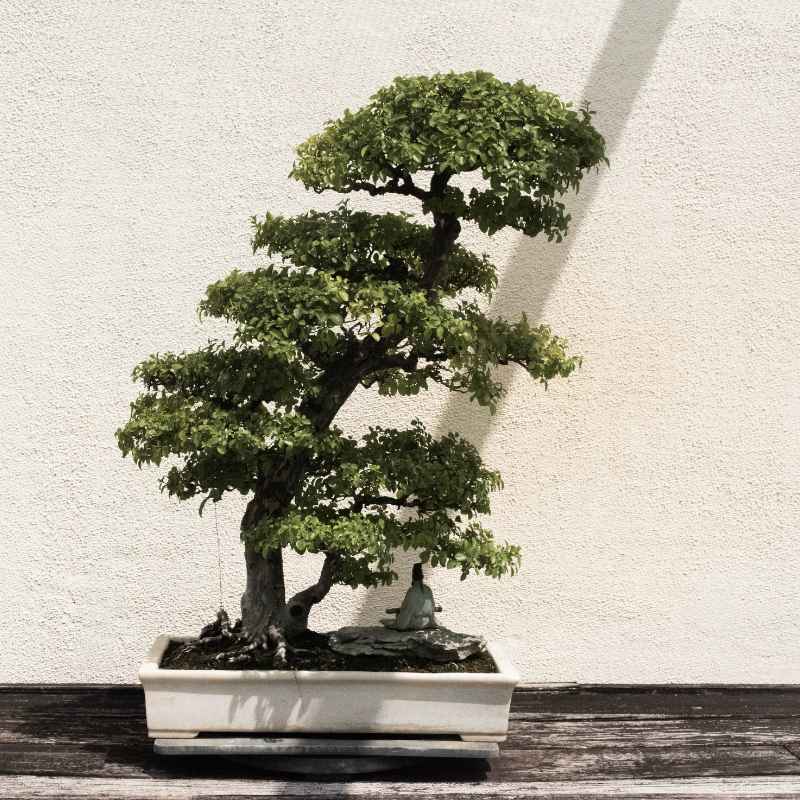
What Is The Growing Season For A Juniper Bonsai Tree?
It can be frustrating when your beloved juniper bonsai doesn’t seem to be thriving. You give it water, the right light, and still, something feels off. Understanding its natural rhythm is key.
Juniper bonsai trees have specific times when they grow the most. Knowing these periods helps you give them the best care.
The growing season for a juniper bonsai tree is typically from early spring to mid-fall. This is when the tree actively produces new foliage, roots, and branches. Proper care during this active period ensures health and vigor.
Understanding the Juniper Bonsai’s Life Cycle
Juniper bonsai are living art. Like any plant, they follow natural cycles. These cycles are driven by sunlight, temperature, and moisture.
For a juniper, this means distinct periods of growth and rest. The growing season is its most active time.
Think of it like a human’s year. We have times for work and times for sleep. A juniper bonsai has its “work” time for growing.
It also has a “sleep” time when it rests. This rest is just as important as the growth phase.
During the active growing season, the tree puts all its energy into making new leaves. It also works on its root system. This is the time to shape it.
It’s also the time to feed it. Giving it what it needs then means it will be strong all year.

When Does the Juniper Bonsai Growing Season Start?
The journey of growth for a juniper bonsai often kicks off when winter’s chill begins to fade. This usually happens in early spring. You’ll notice tiny buds starting to swell on the branches.
The days get longer and warmer.
In many parts of the United States, this means around March or April. This is the signal for the tree to wake up. It’s been resting all winter.
Now, it’s ready to get to work.
Soil temperature plays a big role too. When the ground starts to warm up, the roots get active. This helps the whole tree push out new growth.
It’s an exciting time for any bonsai enthusiast.
Look for specific signs. New, bright green needles will start to appear. These are softer than the older, mature needles.
This fresh growth is a clear sign that the growing season has begun. It’s a time of renewal for your tree.
What Happens During the Peak Growing Season?
Once spring is in full swing, your juniper bonsai will hit its stride. This is the peak growing season. The tree is working hard.
It’s producing lots of new foliage and extending its branches.
This is when you’ll see significant changes. The tree will look fuller. It will feel more vibrant.
The needles will be a rich, deep green. This is a healthy sign of good photosynthesis happening.
The roots are also busy. They are spreading out in the pot. They seek out nutrients and water.
This root growth is crucial for supporting the foliage above. It ensures the tree can get all it needs.
This peak period often extends through the summer months. Long days and consistent warmth are perfect for growth. It’s the time when the tree is at its strongest.
It can handle a bit more pruning and styling.
This is also when the tree is most responsive to feeding. Fertilizers provide the building blocks it needs. They help it create strong wood and healthy leaves.
Without this energy, it couldn’t grow so much.
Signs of Active Growth
New Foliage: Look for bright green, often softer, needles or foliage at the tips of branches.
Branch Extension: Branches will visibly grow longer, especially at the tips.
Increased Water Needs: The soil will dry out faster, requiring more frequent watering.
Budding: Tiny buds may appear along the branches, ready to unfurl.
When Does the Growing Season End for Juniper Bonsai?
As the days start to shorten and the air gets cooler, the tree gets ready to slow down. This signals the end of the active growing season. This usually happens in mid-fall.
Think of September and October in most U.S. climates. The vibrant green of summer starts to mellow.
New growth stops extending. The tree is preparing for winter. It needs to conserve energy.
This transition is important. It’s a time when the tree is less able to recover from heavy pruning. It needs to build up its reserves for the cold months ahead.
It’s winding down its major efforts.
The foliage might even change color slightly. Some junipers develop a bronze or reddish hue in cooler weather. This is a natural adaptation.
It helps protect the needles from frost.
Paying attention to these subtle changes is key. It tells you when to adjust your care routine. Less water might be needed.
Fertilizing should stop completely.
End of Season Checklist
Reduced Growth: Noticeable slowing or stopping of new needle or branch growth.
Color Change: Foliage may start to take on seasonal hues.
Less Thirst: Soil dries out more slowly.
Stop Fertilizing: This is the time to cease feeding.
The Importance of Dormancy
After the active growing season, junipers enter a period of dormancy. This is their winter rest. It’s a critical time for their health and long-term survival.
During dormancy, the tree’s metabolic processes slow down significantly. It’s like it’s sleeping. This rest allows the tree to recover from the demands of growth.
It stores energy for the next spring.
This period is vital for flower and fruit production in many plants. For junipers, it helps harden them off. It prepares them for the stresses of cold weather.
Without proper dormancy, a juniper can become weak.
In many regions, the natural outdoor temperatures provide this dormancy. If you grow your juniper bonsai indoors year-round, you need to simulate this cold period. This is often done in an unheated garage or a cool basement.
The key is consistent, cold temperatures, but not freezing solid. It needs to be cold enough to trigger the rest state. This allows the plant to reset for the next growth cycle.
Factors Affecting the Growing Season
Several things can influence when your juniper bonsai’s growing season starts and ends. Location is a big one. Climate variations across the U.S.
mean different timings.
For example, a juniper in Southern California might have a longer growing season than one in Maine. The warmer climate means more months of suitable temperatures. This can extend the period of active growth.
The specific variety of juniper also plays a role. Some are more cold-hardy than others. Their natural habits will dictate their response to seasonal changes.
The health of the tree itself is also a factor. A very young or stressed tree might not grow as vigorously. An older, well-established tree might show signs of growth earlier.
Microclimates matter too. A bonsai kept on a sheltered patio might behave differently than one exposed to strong winds or direct sun all day.
Understanding your local climate is the best guide. Observing your specific tree’s response is even better. It’s a continuous learning process.
Quick Scan: Regional Growing Seasons
| Region | Approx. Start | Approx. End |
| Northeast | Mid-April | Late September |
| Southeast | Early March | Mid-October |
| Midwest | Mid-April | Late September |
| Southwest | Early March | Late October |
| Pacific Northwest | Early April | Mid-October |
| California | Late February | Late November |
Note: These are general estimates and can vary yearly and by specific microclimate.
Care Practices During the Growing Season
The growing season is the most active time for your juniper bonsai. It’s when you should focus on providing optimal conditions. This ensures it grows strong and healthy.
Watering: This is perhaps the most critical task. During the growing season, junipers need consistent moisture. Check the soil daily.
Water thoroughly when the top inch feels dry. Avoid letting it dry out completely, but also avoid soggy soil.
Fertilizing: Feed your juniper regularly during its active growth. Use a balanced bonsai fertilizer. Follow the product instructions carefully.
This provides the nutrients needed for new foliage and branch development.
Pruning and Styling: This is the ideal time for major pruning and wiring. Junipers respond well to shaping when they are actively growing. This helps them heal quickly.
New growth can be directed where you want it.
Repotting: While repotting is often done in early spring just before growth starts, minor root pruning can happen during the growing season if necessary. However, major repotting during peak summer heat can stress the tree.
Pest and Disease Checks: Keep a close eye out for any signs of pests or diseases. Early detection is key. Healthy trees are less susceptible, but it’s always good to be vigilant.
Sunlight: Most junipers need plenty of sunlight. Place your bonsai in a spot that receives at least 6 hours of direct sun per day. Some protection from the hottest afternoon sun might be needed in very hot climates.
Mistakes to Avoid During the Growing Season
Even with the best intentions, mistakes can happen. Knowing what to avoid can save your juniper bonsai a lot of stress.
Overwatering or Underwatering: These are the most common issues. Too much water can lead to root rot. Too little water can cause the foliage to dry out and die.
Fertilizing at the Wrong Time: Fertilizing during dormancy is a waste and can even harm the tree. Stop fertilizing in the fall and resume in the spring.
Heavy Pruning Late in the Season: Cutting back too much in late summer or early fall can weaken the tree. It won’t have time to recover before winter.
Ignoring Pests: A small pest problem can quickly become a big one. Address any issues immediately.
Sudden Changes: Junipers don’t like drastic changes. Avoid moving your tree from a shaded spot to full sun overnight, or vice-versa.
Using the Wrong Soil: Bonsai soil needs to drain very well. Using regular potting soil can lead to waterlogged roots.
I remember one year, I was so excited about a new juniper I got. It was early spring, and I saw tiny bits of new growth. I thought, “Great, time to really go at it!” I pruned it back quite hard.
I also decided to repot it because the soil looked old. Within a week, the new growth started to turn brown. The needles looked droopy.
I panicked. I had pushed it too hard, too soon. It wasn’t quite ready for that level of intervention.
The tree survived, but it took a long time to recover its vigor. That taught me a valuable lesson about respecting the tree’s pace.
Common Pitfalls and How to Sidestep Them
Problem: Yellowing needles.
Possible Cause: Overwatering, poor drainage, or nutrient deficiency.
Solution: Check soil moisture. Ensure good drainage. Consider a balanced bonsai fertilizer.
Problem: Brown, crispy foliage.
Possible Cause: Underwatering or too much direct sun, especially in hot weather.
Solution: Water thoroughly. Provide some shade during the hottest part of the day if needed.
Problem: Slow or no new growth.
Possible Cause: Lack of light, insufficient feeding, or tree is dormant.
Solution: Ensure adequate sunlight. Fertilize during the growing season. Confirm it’s not winter.
Real-World Scenarios for Juniper Bonsai Care
Let’s look at a few common situations you might find your juniper bonsai in. Understanding these helps you apply the right care at the right time.
Scenario 1: The Apartment Dweller
Someone living in a city apartment might have a juniper bonsai on a sunny windowsill or a small balcony. The key here is consistent watering, as indoor air can be dry. Supplemental light might be needed in winter.
Dormancy might require moving the tree to a cooler spot indoors.
Scenario 2: The Backyard Gardener
This person likely keeps their juniper bonsai outdoors year-round. They benefit from natural rainfall and sunlight. They need to be mindful of winter protection in colder climates.
Pruning and styling are best done during the active spring and summer months.
Scenario 3: The Novice Enthusiast
A beginner might be overwhelmed. They may not know when to water or prune. The best advice is to start simple.
Focus on one thing at a time, like understanding the watering needs. Observing the tree daily is crucial. It’s a journey, and mistakes are part of learning.
What often happens is that people see a beautiful bonsai and want to replicate it instantly. They might try aggressive pruning or styling too soon. They don’t realize the tree needs time to establish.
This is where understanding the growing season becomes a lifesaver. It tells you when the tree is strong enough for these interventions.
Observational Flow: Daily Juniper Check
Morning: Check soil moisture. If top inch is dry, water deeply.
Midday: Observe foliage. Look for any signs of wilting or stress (especially in hot weather).
Evening: Re-check soil moisture if it was very hot or windy.
Weekly: Inspect for pests. Review watering consistency. Check for new growth to plan pruning.
What This Means for Your Juniper Bonsai Care
Knowing the growing season for your juniper bonsai isn’t just trivia. It directly impacts how you care for it. It helps you make informed decisions.
When Growth is Normal
Seeing new, bright green needles emerge in spring is normal. Branches getting longer is also normal. The tree looking fuller and more vibrant means it’s happy and healthy.
Increased thirst is a good sign it’s working hard.
When to Be Concerned
If your juniper shows no signs of new growth by late spring, something might be wrong. Yellowing or browning needles that aren’t seasonal can indicate a problem. Drooping foliage when the soil is moist could be root rot.
If pests are visible, act quickly.
Simple Checks You Can Do
Soil Check: Stick your finger about an inch into the soil. If it feels dry, water. If it feels very wet and stays that way, you might have drainage issues.
Foliage Inspection: Look closely at the needles. Are they vibrant green, or are they yellow, brown, or crispy? Are there any visible insects?
Root Check (Gentle): If the tree is very root-bound (roots circling the pot tightly), it might be time to repot, but only during the right season.
I once had a juniper that seemed perpetually sad. It just wouldn’t get that lush, green look. I was watering it, giving it sun, but it was lackluster.
I realized I was fertilizing it year-round, even in winter. Once I stopped fertilizing during dormancy and started a proper feeding schedule from early spring, it transformed. The deep green returned, and it started producing vigorous new growth.
It’s amazing what respecting that rest period can do.
Tips for Supporting Your Juniper’s Growth
To really help your juniper bonsai thrive, think about these key areas throughout its active growing season.
Proper Soil Mix: Use a well-draining bonsai soil mix. This is usually a combination of akadama, pumice, and lava rock. Good drainage prevents root rot and ensures roots get oxygen.
Consistent Watering Schedule: Develop a routine based on your tree’s needs and environment. Don’t water on a strict calendar. Feel the soil instead.
Balanced Fertilization: Use a fertilizer formulated for bonsai. Start in early spring and continue until mid-fall. Reduce the strength and frequency as fall approaches.
Strategic Pruning: Prune new shoots to maintain shape and encourage ramification (branching). Remove dead or crossing branches.
Wiring for Shape: Apply wire carefully during the growing season to guide branch placement. Check the wire regularly to ensure it doesn’t bite into the bark.
Good Air Circulation: Ensure your bonsai has good airflow around it. This helps prevent fungal diseases.
Seasonal Light Adjustment: While junipers love sun, in extremely hot climates, they might appreciate some afternoon shade during peak summer heat. Understand your specific tree and location.
Key Supports for Vigorous Growth
- Soil: Fast-draining bonsai mix.
- Water: Consistent, but not waterlogged.
- Food: Balanced bonsai fertilizer during growing season.
- Light: Plenty of sun (with potential for afternoon shade in extreme heat).
- Air: Good circulation to prevent pests and diseases.

Frequently Asked Questions About Juniper Bonsai Growing Seasons
When is the best time to repot a juniper bonsai?
The best time to repot a juniper bonsai is in early spring, just as new growth is about to begin. This allows the tree to recover quickly and establish its roots in the new soil during the active growing season.
Can I prune my juniper bonsai in the winter?
Major pruning is best avoided in winter. While you can remove dead or crossing branches, significant shaping or reducing the tree’s size is best left for the active growing season when the tree can heal properly.
How do I know if my juniper bonsai is getting enough light?
Signs of insufficient light include weak, leggy growth, pale green needles, and a lack of vigorous new shoots. Junipers typically need at least 6 hours of direct sunlight per day.
What happens if I fertilize my juniper bonsai too much?
Over-fertilizing can burn the roots and foliage, leading to yellowing or browning needles. It can also cause excessive, weak growth that is prone to pests and diseases. Always follow fertilizer instructions carefully.
My juniper bonsai’s needles are turning brown. Is this normal?
Some browning or bronzing of needles can occur in fall and winter as the tree prepares for dormancy. However, if needles are browning during the active growing season, it can indicate issues like underwatering, overwatering, poor drainage, or pest problems.
Do juniper bonsai need a cold period to survive?
Yes, juniper bonsai benefit greatly from a cold dormancy period. This rest is crucial for their long-term health and vigor. Most junipers can get this naturally outdoors in temperate climates.
If grown indoors, they may need to be moved to a cool, unheated location during winter.
Conclusion: Working With Your Juniper’s Rhythm
Understanding the juniper bonsai growing season is fundamental to its care. It’s about respecting its natural clock. By aligning your care with its active periods and its rest, you ensure a healthy, beautiful tree for years to come.
Pay attention to the subtle signs your tree gives you. Early spring is for waking up. Summer is for vigorous growth and shaping.
Fall is for winding down. Winter is for rest and recovery. This simple rhythm guides all your efforts.