Are Juniperus Horizontalis Bonsai Good For Beginners?
Juniperus horizontalis bonsai can be a good choice for beginners. They are generally hardy, tolerate some mistakes, and offer satisfying growth. However, they have specific light and watering needs that beginners must learn to meet for success.

Generic
Live Dwarf Juniper Bonsai Tree | Indoor/Outdoor…
- 100% Home-Grew.We used all glazed ceramic pot.
- The ceramic pots are all fired at high temperature, and the color may be different.Moss is artificial and makes bonsai more beauti…
- PERFECT GIFT :Bonsai conveys the symbols of meditation, harmony, peace, and balance. Good for beginner.
As an Amazon Associate I earn from qualifying purchases.

Understanding Juniperus Horizontalis Bonsai
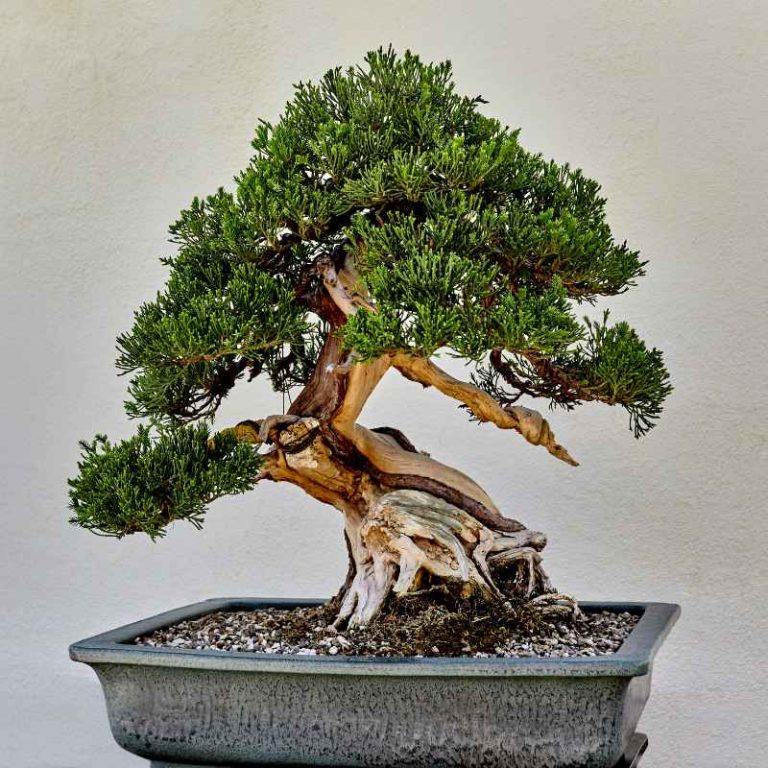
So, what exactly is Juniperus horizontalis when we talk about bonsai? This plant is also known as the Creeping Juniper. It’s a low-growing evergreen shrub. In nature, it often spreads out wide rather than growing tall. This sprawling habit makes its branches look naturally draped.
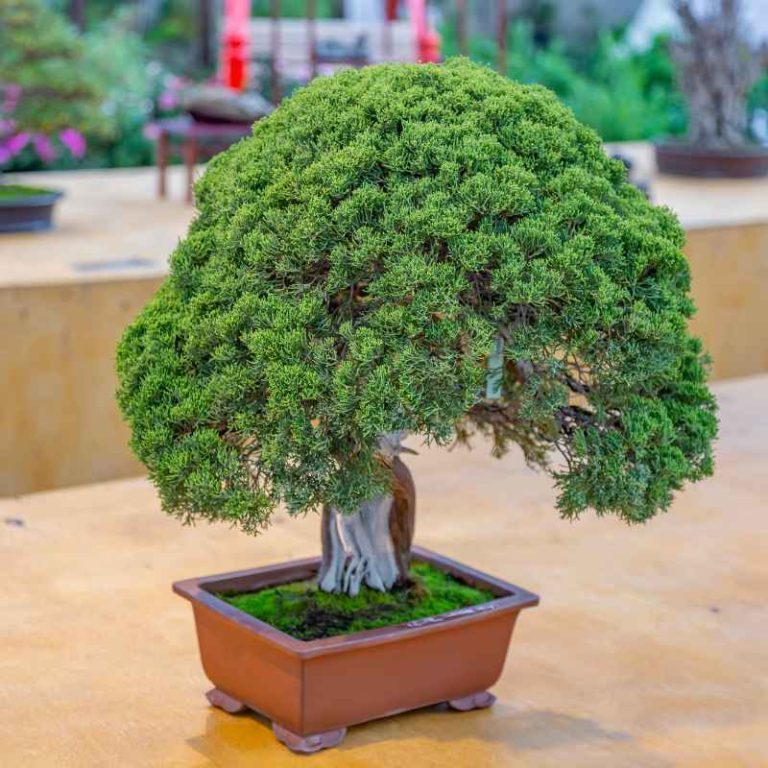
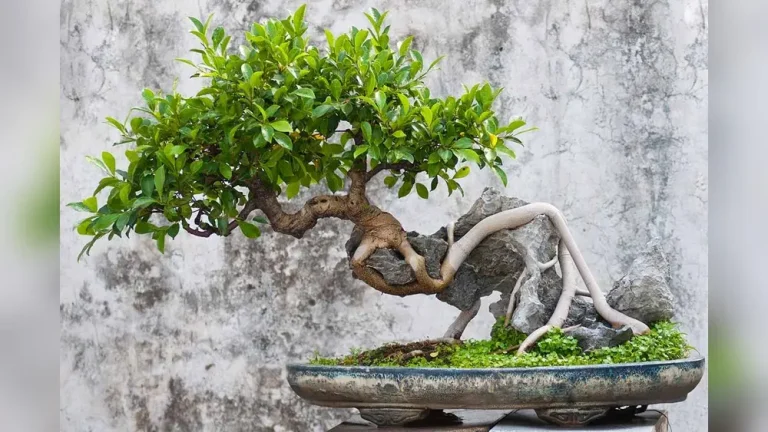
For bonsai, this means we often see them styled to mimic natural, windswept, or cascading forms. They have small, needle-like leaves. These can be green, blue-green, or even have a bronzy tint depending on the variety and season. They are tough plants. They can handle a lot. This is a big plus for people new to caring for tiny trees.
Why do people pick junipers for bonsai in general? They are very forgiving. They can take a lot of pruning and wiring. They grow relatively fast, so you can see changes. And they look like miniature versions of large, old trees you might see in mountains or along coasts. Juniperus horizontalis specifically offers a different aesthetic. It’s less about the towering, ancient tree look. It’s more about flowing, organic shapes that can be very dramatic.

My First Juniper Bonsai Scare
I remember my very first Juniperus horizontalis bonsai. I had bought it from a reputable nursery. It looked beautiful. The seller said it was “beginner-friendly.” I was so excited! I put it in a spot that got what I thought was enough sun. I watered it when the soil felt a little dry. That was my mistake. I didn’t understand how much light junipers truly crave.
After a few weeks, the tips of the needles started to turn brown. Then, more and more of the plant looked sickly. I panicked. I thought I had killed it already! I started overwatering it, trying to “help” it. This only made things worse. The soil stayed too wet. The roots started to rot. It was a total mess. I felt so guilty and defeated. That’s when I realized “beginner-friendly” doesn’t mean “no effort.” It just means the plant has some resilience. You still need to learn its specific needs. I learned a lot from that sad, brown juniper.
Creeping Juniper: Key Traits for Bonsai
Plant Type: Evergreen shrub
Growth Habit: Low-growing, spreading
Foliage: Small, needle-like or scale-like
Hardiness: Generally very hardy
Light Needs: Full sun
Watering: Prefers well-draining soil, allow to dry slightly
The Light Struggle: What Beginners Often Miss
One of the biggest hurdles for new bonsai keepers with Juniperus horizontalis is understanding their light needs. These plants are sun-worshippers. They absolutely need direct sunlight. This means at least six to eight hours of direct sun every single day. Many homes just don’t have that much bright, direct light indoors. Even a sunny window might not be enough.
If you try to grow them in shade or even partial shade, they will suffer. Their growth will become weak. The needles might turn dull. They can become more prone to pests and diseases. Some people try to supplement with grow lights. But often, the intensity needed is hard to replicate easily. This is where many beginners run into trouble. They think “sunny spot” means near a window. But junipers need the real deal.
Watering Wisely: Avoiding the Drip and Drought
Watering is another area where beginners can struggle. Junipers like their soil to drain very well. This means using a special bonsai soil mix. It’s usually made of akadama, pumice, and lava rock. It’s not like regular potting soil. Regular soil holds too much water.
With a good bonsai mix, you want to water thoroughly. But you don’t want the soil to stay soggy. The general rule is to water when the top layer of soil feels slightly dry. You should be able to stick your finger in about an inch. If it feels dry, it’s time to water. When you water, give it a good soak. Let water run out of the drainage holes. This helps flush out any salts.
The tricky part is knowing when. It depends on the weather, the pot size, and the soil. In hot, dry weather, you might water daily. In cooler, humid weather, maybe only every few days. Overwatering leads to root rot, which is deadly. Underwatering causes the foliage to dry out and turn brown. It’s a balance you learn with practice.
Bonsai Soil Mix: The Foundation of Health
- Drainage: Key for Juniperus horizontalis.
- Aeration: Allows roots to breathe.
- Components: Often includes akadama, pumice, lava rock.
- Avoid: Standard potting soil holds too much moisture.
Pruning and Shaping: Getting Your Hands Dirty
Pruning is a big part of bonsai. For Juniperus horizontalis, you’ll do two main types of pruning. There’s maintenance pruning and structural pruning. Maintenance pruning keeps the tree’s shape and size in check. You’ll often pinch or trim new growth. This encourages denser foliage.
Structural pruning is more about defining the tree’s overall form. You might remove larger branches. You can wire branches to bend them into new positions. Junipers respond well to wiring. They hold the shape you set. But it’s important to watch the wire. If it cuts into the bark, you need to remove it or re-wire.
Beginners might be afraid to prune too much. But junipers can take a lot. You need to learn what looks good and what helps the tree grow well. It’s about making choices. Do you want a cascade? A formal upright? The Creeping Juniper lends itself to many styles. You can start by just trimming away any dead or crossing branches. Then, as you get more confident, you can try shaping.
Repotting: Giving Roots Room to Grow (a little)
Bonsai trees live in small pots. Their roots can become very crowded over time. This is why repotting is essential. It provides fresh soil. It also allows you to trim the roots. This helps keep the tree healthy in its small container.
Juniperus horizontalis generally needs repotting every two to three years. The best time to do this is in early spring. This is before new growth really takes off. When you repot, you’ll carefully remove the tree from its pot. You’ll use a root hook or chopstick to comb out the old soil. Then, you’ll trim off about one-third of the root mass. Focus on removing thick, circling roots. You want to encourage fine, feeder roots.
After trimming, you place the tree back in the same pot or a slightly smaller one. You add fresh bonsai soil. You then water it thoroughly. Repotting can seem scary. It involves messing with the roots. But it’s a vital part of bonsai care. Done correctly, it keeps your tree strong.
Repotting Timeline for Junipers
- Frequency: Every 2-3 years.
- Best Time: Early spring, before new growth starts.
- Root Trim: Remove about 1/3 of the root mass.
- Focus: Encourage fine feeder roots, remove thick circling roots.
- Soil: Always use well-draining bonsai soil.
Pests and Diseases: Keeping an Eye Out
While junipers are tough, they aren’t immune to problems. Beginners should know what to look for. Common pests include spider mites and scale insects. Spider mites can make the foliage look dusty and cause fine webbing. Scale insects look like small bumps on the stems or needles.
Diseases can also occur, especially if the tree is stressed. Root rot is a big one, usually caused by overwatering. Fungal spots can also appear on the needles. The best defense is a healthy plant. A juniper that gets enough sun, the right water, and good air circulation is less likely to get sick.
If you do spot pests, act quickly. You can often wash them off with a strong spray of water. For more serious infestations, insecticidal soap or neem oil can help. Always read the label and test on a small part of the plant first. Catching problems early is key.
Real-World Context: Where Junipers Thrive
Think about where Juniperus horizontalis grows naturally. It’s often found in rocky, sandy soils. It grows in exposed, windy areas. It can even grow on cliffsides. This tells us a lot about its needs. It loves good drainage. It craves sunlight. It doesn’t mind wind.
This is why keeping them indoors can be challenging. They don’t naturally grow in humid, dim environments. They are outdoor plants through and through. Even in colder climates, they can often survive winter outdoors. Many varieties are hardy to USDA zones 3 or 4. This means they can handle significant cold. You just need to protect their roots from hard freezes, especially in small pots.
What This Means for You: Is it Truly Beginner-Friendly?
So, are Juniperus horizontalis bonsai good for beginners? The answer is yes, but with important caveats. They are “beginner-friendly” because they are forgiving of some mistakes. They can often bounce back if you prune them a bit too much or wired them a little too tightly. Their wood is strong and can heal.
However, they are not “no-effort” plants. You must provide them with their core needs. That means:
Lots of direct sun. This is non-negotiable.
Excellent drainage. Use proper bonsai soil.
Careful watering. Learn to read the soil’s moisture level.
If you can provide these basics, especially the sunlight, then a Juniperus horizontalis can be a fantastic starter bonsai. You’ll learn a lot. You’ll see your tree grow and respond to your care. It’s a rewarding experience. If you can’t provide full sun, look for a plant that prefers lower light conditions, like a ficus or a jade plant.
When It’s Normal and When to Worry
It’s normal for your Juniperus horizontalis to have a bit of browning on the inside foliage. This is older growth that gets shaded out. You can often just pluck or trim this away. It’s also normal for the foliage color to change slightly with the seasons. Some varieties get a bronze or purplish tint in winter.
You should worry if:
The needles turn yellow or brown all over. This usually means a problem with light or water.
You see signs of pests like webbing or small bumps.
The soil stays wet for days after watering.
The trunk or branches feel soft or mushy.
If you notice these worrying signs, don’t panic. Try to identify the cause. Is it too much water? Not enough sun? Is there a pest? Making adjustments can often save the tree.
Quick Tips for Starting Your Juniper Bonsai
If you’re ready to give Juniperus horizontalis a try, here are some simple tips:
Location, Location, Location: Find the sunniest spot you have. This is usually outdoors on a patio or balcony.
Soil is Key: Buy or make a well-draining bonsai soil mix.
Water Smart: Don’t let it dry out completely, but never let it sit in soggy soil. Check it daily.
Observe Daily: Get into the habit of looking at your tree. You’ll notice changes sooner.
Start Small with Styling: Begin with basic pruning. Trim away dead bits. Don’t try to make it a masterpiece on day one.
Join a Club or Forum: Learning from others is invaluable.

Frequent Questions About Juniperus Horizontalis Bonsai
Are Juniperus horizontalis bonsai good for indoors?
Generally, no. Juniperus horizontalis needs several hours of direct sunlight daily, which is hard to achieve indoors. They are much happier outdoors where they can get full sun and good air circulation.
Bringing them inside for extended periods will likely cause them to weaken and eventually decline.
How often should I water my Juniperus horizontalis bonsai?
This varies greatly. The best rule is to water when the top inch of soil feels dry to the touch. In hot, dry weather, this might be daily.
In cooler, humid weather, it could be every few days. Always water thoroughly until water drains from the bottom. Avoid letting the soil stay soggy.
Can I use regular potting soil for my juniper bonsai?
No, it’s not recommended. Regular potting soil holds too much moisture. It can lead to root rot for junipers.
You need a special bonsai soil mix that drains very well. This is usually a gritty mix of akadama, pumice, and lava rock.
My juniper bonsai’s needles are turning brown. What’s wrong?
Brown needles are usually a sign of stress. The most common causes are lack of sunlight, improper watering (either too much or too little), or sometimes pests. Ensure it’s getting at least 6-8 hours of direct sun daily.
Check the soil moisture carefully. Inspect for any signs of insects.
How do I prune my juniper bonsai?
For maintenance, you can pinch or trim new growth to keep it compact. You can also remove any dead, weak, or crossing branches. For shaping, you might use wire to bend branches into desired positions.
Always use sharp, clean tools. Junipers tolerate heavy pruning but it’s best to learn as you go.
Will my Juniperus horizontalis bonsai survive winter?
Yes, most Juniperus horizontalis varieties are very cold-hardy and can survive winter outdoors in many U.S. climates. The main concern is protecting the roots from extreme, prolonged freezing, especially in small pots.
You can place the pot in a sheltered location, mulch it well, or even bury it in the ground for the winter.
A Rewarding Start to Bonsai
Starting with a Juniperus horizontalis bonsai can be a really rewarding experience. It’s a plant that’s tough enough to survive your learning curve. It offers beautiful natural lines. But remember, “beginner-friendly” means it’s forgiving, not foolproof. You still need to commit to understanding its needs. Sun, proper watering, and good drainage are your golden rules. Get those right, and you’ll be well on your way to enjoying the wonderful art of bonsai. Happy growing!
Related pick: Check today's price on Amazon