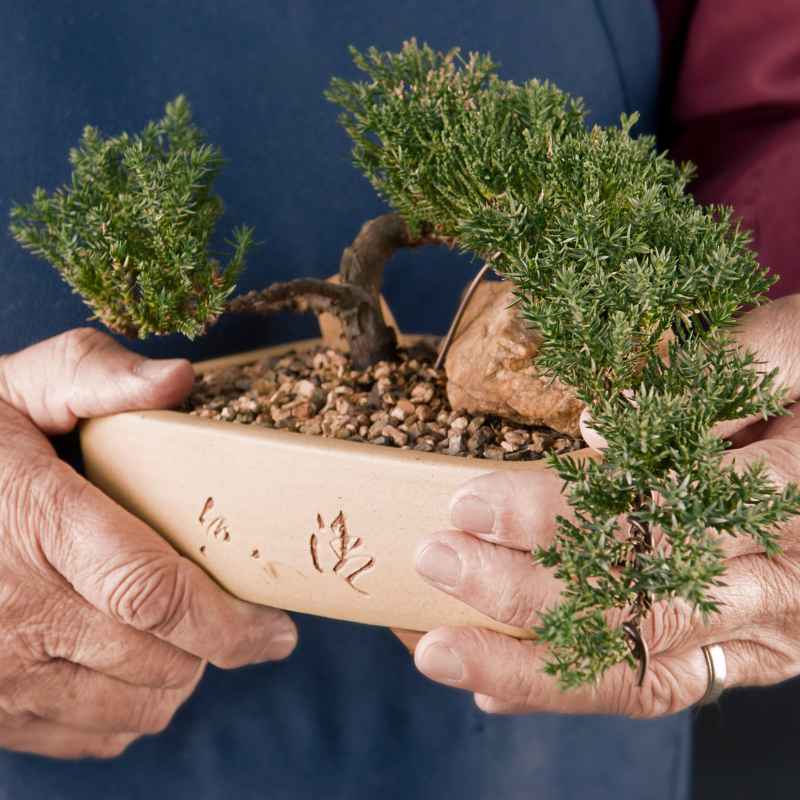
How Old Should A Seedling Be Before Using Bonsai Mix?
The ideal age for a seedling to move into bonsai mix depends on its species and its development. Generally, wait until the seedling has developed at least two sets of true leaves and shows robust stem growth. Rushing this step can stress the young plant, hindering its progress.
Understanding Seedling Readiness for Bonsai Soil
Bonsai soil is not like regular potting soil. It’s made to help roots grow well. It also helps keep the plant from getting too much water.
This special mix is very well draining. It also has good air flow for the roots. When a seedling is very young, its roots are tiny and weak.
They need a gentler start. Using bonsai mix too soon can be like giving a baby a meal that’s too hard to chew.
The goal with bonsai is to control growth. We want to shape the tree. But the seedling still needs to grow strong first.
It needs to build a good root system. It needs a sturdy stem. This takes time.
You can’t rush this important early stage. It’s a balance between patience and knowing when to act.

Signs Your Seedling Is Ready for Bonsai Mix
So, what should you look for? Think of your seedling as a tiny person. When are they ready for solid food?
It’s when they can sit up well and seem interested in what you’re eating. Seedlings have similar cues. The most important sign is the development of true leaves.
These are the leaves that look like the adult plant’s leaves. Seedlings often sprout with small, simple leaves called cotyledons first. These are like the baby teeth of a plant.
Once you see at least two sets of these true leaves, the plant is getting stronger. The stem should also look thicker. It shouldn’t be wobbly or very thin.
A good test is to gently touch the stem. Does it feel firm? Or does it bend easily?
A firm stem shows the plant is building its structure. It’s ready to support more growth and a different soil environment. It’s a sign of good health and vigor.
Seedling Readiness Checklist
Check for:
- At least two sets of true leaves.
- A sturdy, thicker stem, not thin and weak.
- Good, steady growth for a few weeks.
- No signs of pests or diseases.
The Importance of True Leaves
Let’s talk more about these true leaves. The cotyledons are important for the first bit of energy. They are like the seedling’s first food reserves.
But they are not the final goal. The true leaves are where the real work begins. They are shaped like the leaves of the mature tree.
They do the job of making food for the plant through sunlight. The more true leaves a seedling has, the more energy it can create.
Having two sets of true leaves means the seedling has gone through some important growth stages. It has moved beyond its initial baby phase. It is now producing its own food effectively.
This makes it much more resilient. It can handle the changes that come with repotting. It can also cope with the different watering and feeding needs of bonsai soil.
This is a crucial step in its development journey.
Stem Strength: The Backbone of Your Future Bonsai
A strong stem is vital. Think about a young tree in nature. It has to withstand wind.
It has to hold up its leaves and branches. Your future bonsai needs this same strength. When a seedling’s stem is still very thin, it’s like a noodle.
It can’t support much. It can easily break or bend permanently. This can stunt its growth or even kill it.
So, observe the stem closely. Is it upright and firm? Does it have a slight woody texture developing?
Some species show this more than others. If the stem is bending over or looks translucent, it needs more time. It needs more light and maybe a bit more gentle care.
Wait until it feels solid when you lightly hold it. This firmness means it’s ready for the structure that bonsai training will require.
Stem Strength Indicators
Observe these signs:
- Firmness: Stem feels solid, not soft or bendy.
- Thickness: Stem is noticeably thicker than its initial sprout.
- Color: Often developing a slight green or brown woody hue, not translucent.
- Upright posture: Stands tall without support, unless the species naturally trails.
How Long Does a Seedling Need Before This Stage?
This is where patience really comes into play. The time frame can vary a lot. It depends on the type of plant you are growing.
Some plants grow very quickly. Others take their sweet time. For example, a fast-growing tree like a willow might be ready in just a few weeks after sprouting.
A slower-growing tree, like an oak, could take months.
Most common bonsai species, like maples, elms, or junipers, often need about 4 to 12 weeks. This is after they first sprout from the soil. During this time, they are in a starter soil.
This soil is usually a light, airy mix. It helps them get going without being too heavy. It is not the dense, fine bonsai soil.
It lets them focus on getting established first.
Typical Timeline (After Sprouting)
General estimates:
- Fast Growers (e.g., Willow): 3-6 weeks
- Medium Growers (e.g., Maple, Elm): 6-12 weeks
- Slow Growers (e.g., Oak, Pine): 12+ weeks (can be much longer)
Note: These are general. Always watch your plant’s specific growth.
My Own Experience: The Great Maple Scare
I remember when I first got into bonsai. I was so excited! I started some Japanese maple seeds.
They sprouted beautifully. I watched them grow their first little leaves. My mind was already on training them into tiny trees.
I thought, “They look good! Let’s get them into that fancy bonsai soil!” So, I did. I repotted them into a very gritty bonsai mix.
What happened next? It wasn’t pretty. The tiny roots, which were still a bit delicate, didn’t seem to like the sharp, airy soil.
The soil dried out way too fast. The seedlings started to droop. I was panicking!
I had killed my precious little maples. Then, I did some reading. I realized I had rushed the process.
My seedlings were just too young. They needed more time in a slightly more forgiving starter mix to build up their strength. It was a hard lesson, but a crucial one.
What About Different Species?
It’s really important to know what kind of plant you are growing. Different tree species have different needs. Some are tropical and grow fast.
Others are temperate and grow slower, especially if they need a cold period. For example, seeds from fruits like citrus trees might grow quickly indoors. They might be ready sooner.
Conifers, like pines and junipers, often need a bit more time. They tend to have slower root development early on. They might benefit from staying in a standard seed-starting mix for a longer period.
Always research your specific species. Look up its typical growth rate and needs. This will give you the best clue as to when it’s ready.
It’s better to be a little too patient than not patient enough.
Species-Specific Considerations
Key factors:
- Growth Rate: Fast growers might adapt sooner.
- Root Structure: Some species have finer roots initially.
- Climate Needs: Temperate trees might need a dormancy period, affecting growth cycles.
- Botanical Family: Related plants often share similar needs.
The Role of Starter Soil vs. Bonsai Mix
Let’s break down why the initial soil matters. Seed-starting mixes are usually light and fluffy. They are designed to keep moisture.
They also provide good aeration for germinating seeds. This gentle environment helps the seed sprout and grow its first tiny roots. It’s forgiving.
If you accidentally water a bit too much, it won’t drown the seedling as easily.
Bonsai soil, on the other hand, is made for mature or developing bonsai. It’s very well-draining. It’s often a mix of akadama, pumice, lava rock, and sometimes a bit of organic material.
This mix dries out quickly. It ensures roots get plenty of air and don’t rot. This is great for bonsai that are already established.
They need this to stay healthy and controlled. But for tiny seedlings, it can be too harsh too soon.
The starter soil gives the seedling a secure base. It allows the roots to spread gently. It holds enough moisture without becoming waterlogged.
This helps the seedling build up its energy reserves. It develops a stronger stem and more leaves. Once it has this foundation, it can then handle the challenges of the more draining bonsai mix.
It’s a staged approach to growth.
Starter Soil vs. Bonsai Mix
Starter Soil:
- Purpose: Germination and early seedling growth.
- Texture: Light, fluffy, retains some moisture.
- Aeration: Good for initial root development.
- Forgiveness: More tolerant of slight watering errors.
Bonsai Mix:
- Purpose: Developing and mature bonsai.
- Texture: Gritty, very free-draining, airy.
- Aeration: Excellent for preventing root rot in older plants.
- Forgiveness: Dries out quickly, requires more precise watering.
Observing Growth Patterns
Beyond just counting leaves, look at the overall pattern of growth. Is the seedling growing steadily? Is it reaching towards the light?
Or does it look weak and leggy, stretching out because it doesn’t have enough light? Steady, strong growth is a good sign. Leggy growth means you need to adjust its environment first, like giving it more light.
Also, notice the color of the leaves. Are they a healthy green? Or are they pale, yellowing, or developing spots?
These are indicators of health. A healthy seedling is one that is ready for a change. If your seedling is struggling for any reason, hold off on the repotting.
Focus on fixing the underlying issue first. Get it thriving, then consider the soil change.
The “True Root” Test (Gentle Version)
While you don’t want to disturb the roots too much, you can sometimes get a clue by looking at the bottom of the pot. If the pot has drainage holes, and you see some tiny roots starting to peek out, that’s a sign the root system is developing. However, this is not the primary indicator for moving to bonsai mix.
It’s more about how developed the entire root system is underground.
The best way to check roots without causing damage is often when you are moving the plant. You might gently lift it out of its current container. If the soil is holding together as a small ball, and you can see fine, white, branching roots throughout that ball, that’s a great sign.
If it’s just a few thick roots circling the bottom, it might need more time to fill out.
When to Absolutely Wait
There are times when you must hold back. If your seedling looks weak, has yellow leaves, or shows any signs of pests or diseases, do not repot it into bonsai soil. The shock of repotting can be too much.
It could be the final straw. First, address the health issue. Make sure the plant is recovering and growing strongly again.
Then, you can think about the soil.
Another time to wait is if the seedling is still very small. If it’s just pushing through the soil, or only has its cotyledons, it is definitely too young. The bonsai soil is too coarse.
It won’t hold enough moisture for its tiny needs. Patience is key here. A little more time in a nurturing starter mix will pay off greatly in the long run.
The First Repotting into Bonsai Mix: What to Expect
When you do decide it’s time, the first repotting into bonsai mix is a significant event. You will want to be gentle. Carefully remove the seedling from its starter pot.
Gently tease away some of the old soil. You don’t need to get every bit off. Just enough to see the root structure.
You are looking for a network of fine roots.
Place the seedling in its new pot with the bonsai mix. The pot itself might be a little larger than its current one, or it could be a small training pot. Make sure the soil fills in around the roots.
Water it thoroughly. The water should run freely through the bonsai mix. This shows it’s draining well.
After this first repotting, keep a close eye on the seedling. Water it when the top layer of soil starts to feel dry. It might take a little time for the plant to adjust to its new environment.
But if you’ve waited until it was ready, it should adapt well and continue to grow stronger.
Common Mistakes to Avoid
One of the biggest mistakes is exactly what I did: rushing the process. Thinking the plant looks okay means it’s ready. It’s not always the case.
Another mistake is using a bonsai mix that is too fine. Some bonsai mixes have very small particles. For a young seedling, you might want a slightly coarser mix.
This can give the roots a bit more room to grow initially.
Overwatering after repotting is also a problem. Even though bonsai soil drains well, if the seedling is not yet established, it can still struggle. Make sure the pot has drainage holes.
Water until it runs out the bottom. Then wait until the topsoil feels a little dry before watering again. Don’t keep it constantly soggy.
That’s how root rot starts, even in bonsai soil.
Mistake Avoidance Guide
Don’t:
- Repot too early, before true leaves and strong stem.
- Use overly fine bonsai mix for the first transplant.
- Water constantly after repotting; let it dry slightly.
- Forget to research your specific plant species.
- Ignore signs of stress or poor health in the seedling.
When is a Seedling Too Young for Any Bonsai Mix?
A seedling is too young for any bonsai mix if it has not yet developed its first set of true leaves. If it only has the initial cotyledons, it is still relying on the stored energy from the seed. Its root system is very rudimentary.
It cannot yet handle the rapid drying that bonsai soil provides.
If the stem is still very thin and weak, it is also too young. Imagine trying to move a piece of spaghetti into a gravel pit. It would just collapse.
The seedling needs time to build a strong structure. This is where a more moisture-retentive, lighter seed-starting mix is essential. It supports this vulnerable early growth phase.
The Bottom Line: Patience and Observation
Ultimately, the decision of when to move your seedling to bonsai mix comes down to careful observation and patience. Look for those key signs: at least two sets of true leaves, a strong stem, and steady, healthy growth. Research your specific plant species to understand its typical development timeline.
My own maple scare taught me that rushing can undo all your hard work.
Your seedling is on an exciting journey. By giving it the right conditions at each stage, you are helping it grow into a beautiful, healthy future bonsai. It’s a process that rewards careful attention.
Enjoy watching your little plant grow stronger each day. The move to bonsai soil will be a wonderful milestone when the time is right.

Frequently Asked Questions About Seedlings and Bonsai Mix
How many leaves should a seedling have before moving to bonsai mix?
The most important sign is having at least two sets of true leaves. These are the leaves that look like the adult plant’s leaves, not the initial sprouting leaves (cotyledons).
Can I use bonsai soil right after a seed sprouts?
No, this is generally too early. Seeds and very young sprouts need a gentler, more moisture-retentive starter mix. Bonsai soil dries out too quickly for such young plants.
What if my seedling is growing fast? Can it go into bonsai mix sooner?
Even fast-growing seedlings need to reach a certain stage of development. Focus on the presence of true leaves and stem strength, not just speed of growth. Rushing can still cause problems.
How do I know if my seedling’s stem is strong enough?
The stem should feel firm and upright, not weak or bendy. It should look thicker than when it first emerged from the soil. Some slight woody texture may be developing.
Is there a specific pot size for the first bonsai mix transplant?
The pot should be only slightly larger than the current one or a small training pot. The key is not to overwhelm the young root system. Ensure it has good drainage.
What happens if I put a seedling in bonsai mix too soon?
The seedling may struggle to get enough moisture because bonsai soil drains so fast. Its young roots may not be developed enough to anchor it. This can lead to wilting, stress, or even death.
Should I trim the roots when first moving a seedling to bonsai mix?
For the very first move to bonsai mix, it’s usually best not to trim roots. Focus on establishing the seedling in its new soil. Root pruning typically comes later in the bonsai development process.
Concluding Thoughts on Seedling to Bonsai Soil Transition
Transitioning your seedling to bonsai mix is a key step. It marks a move toward shaping its future. Watching for signs like true leaves and a sturdy stem is crucial.
Remember that every plant is different. Be patient and observe your seedling closely. This careful approach will help it thrive.