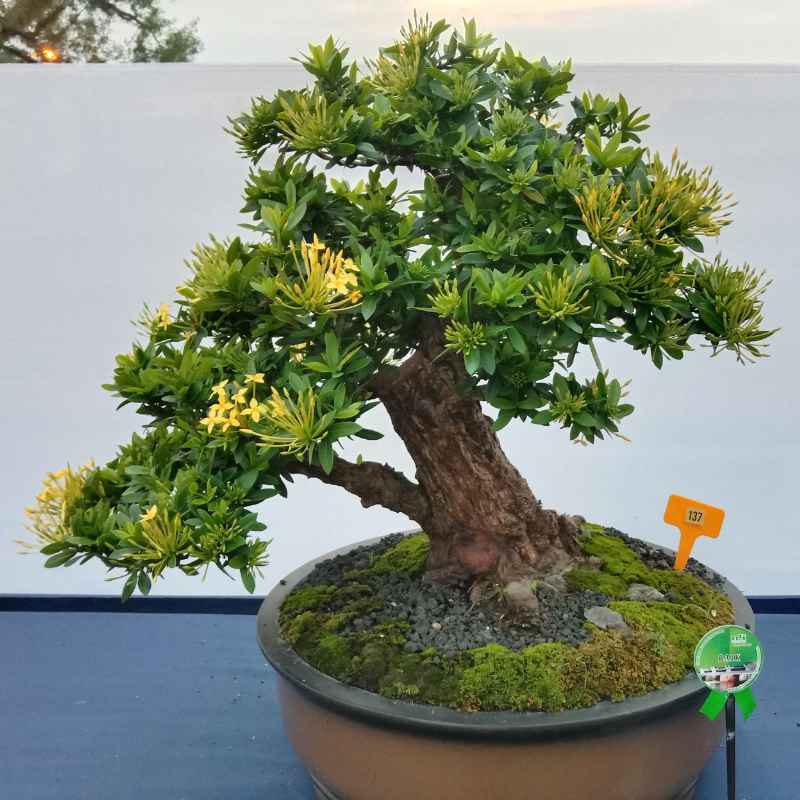

It can feel a bit tricky when your lovely citrus tree outgrows its pot. You want it to stay healthy. You also want it to look its best.
For another bonsai-specific follow-up, Can Potting Soil With Miracle-Gro Actually Work for Bonsai? gives readers a related care or selection angle.
For another bonsai-specific follow-up, Is Moisture Control Miracle-Gro Potting Mix Good For Bonsai? gives readers a related care or selection angle.
For another bonsai-specific follow-up, How Long Before Fertilizing After Repotting A Ficus Bonsai? gives readers a related care or selection angle.
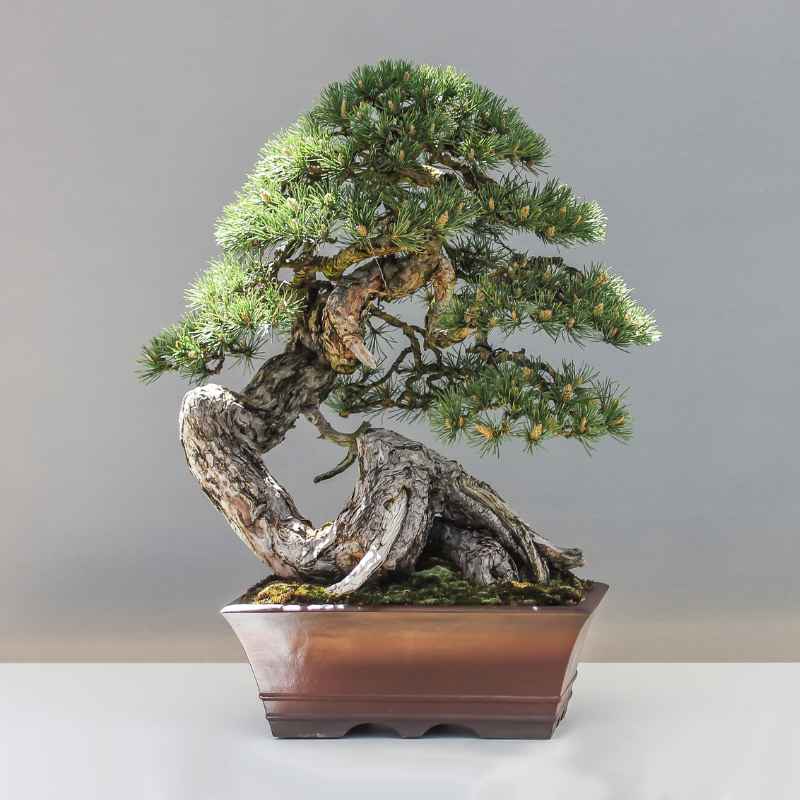
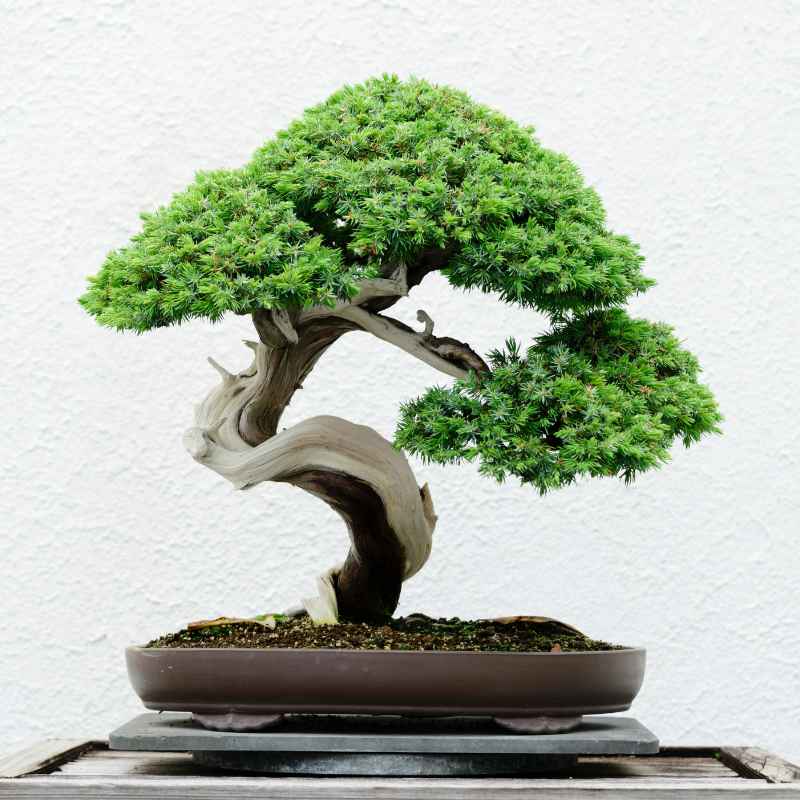
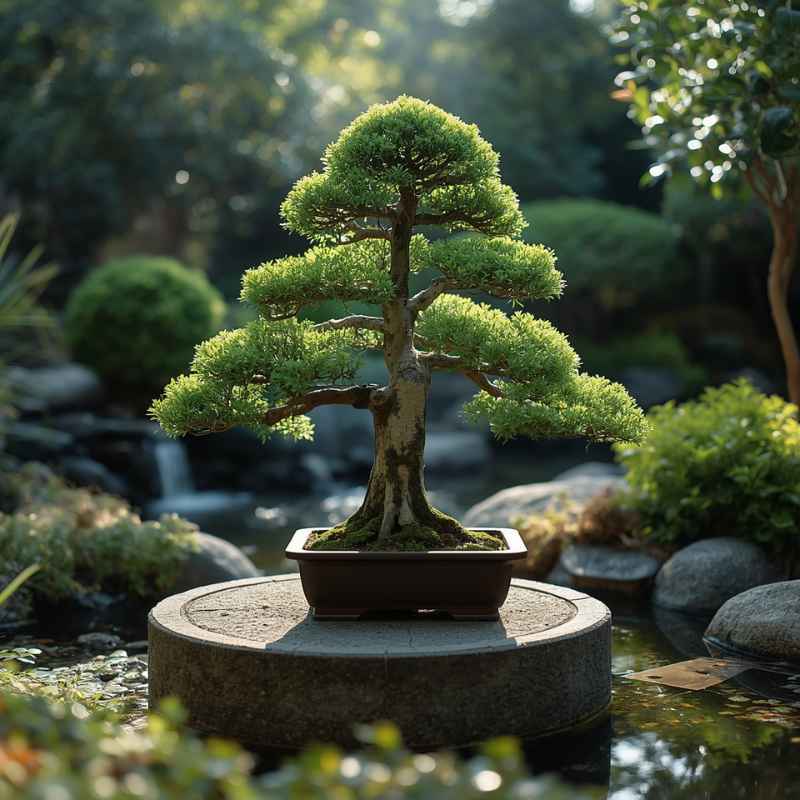
Bonsai is an art form. It makes plants, like citrus trees, small and beautiful. This guide will help you.
You’ll learn about repotting and pruning. These are key steps for bonsai citrus. We’ll make it easy to understand.
Bonsai citrus trees need regular care. Repotting helps them grow well. Pruning shapes them and keeps them small.
Doing these steps right means a happy, healthy bonsai citrus tree. This guide shows you how to do it simply.
What is Bonsai Citrus?
Bonsai means “planted in a container” in Japanese. It’s an old art. It makes trees look like tiny, old versions of their full-sized selves.
Bonsai isn’t about hurting the tree. It’s about controlling its growth. This is done through special watering, feeding, and pruning.
Citrus trees are great for bonsai. They have lovely leaves. They often smell nice.
And, they can even grow small fruits! Dwarf varieties are best for this. They stay smaller naturally.
Bonsai citrus needs specific care. It’s different from a big tree in the ground. We focus on root health and branch shaping.
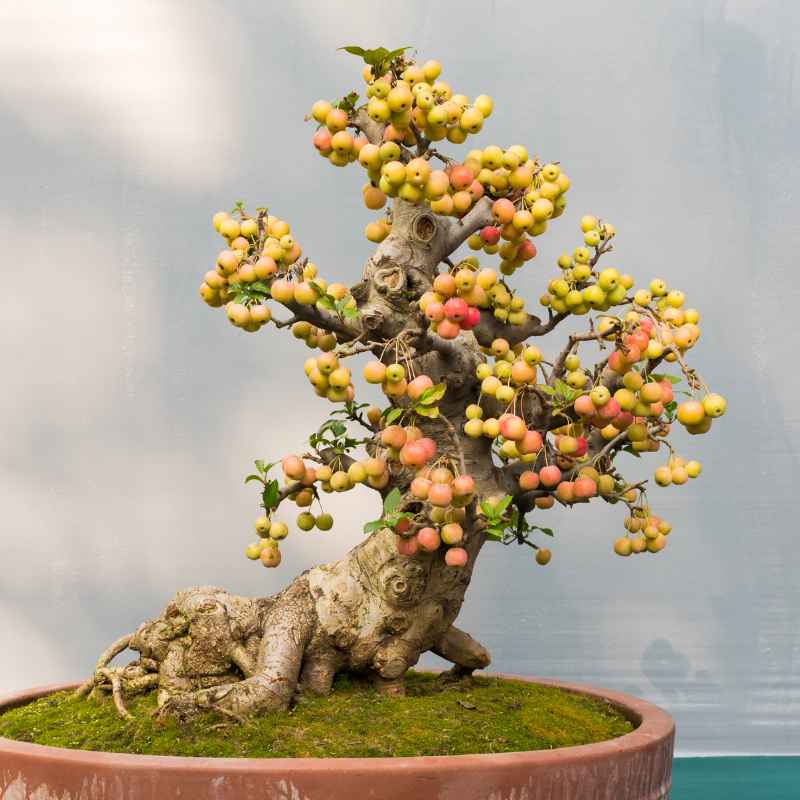
Why Repot Your Bonsai Citrus?
Trees need space to grow. This is true for bonsai too, just on a smaller scale. Over time, the roots of your citrus tree will fill its pot.
They might even start to circle around. This is called being root-bound. When this happens, the tree can’t get enough water or food.
Its growth slows down. The soil also loses its good stuff.
Repotting gives the roots fresh soil. It also gives them more room. This helps the tree stay strong.
It encourages new root growth. This new growth is very important for a healthy bonsai. Repotting also lets you check the roots.
You can trim any old or damaged ones. This is a good time to refresh the soil.
How often should you repot? Younger, fast-growing trees need repotting more often. Maybe every 1-2 years.
Older, slower trees might only need it every 3-5 years. You’ll know it’s time. Look for roots coming out of the drainage holes.
Or, the soil might dry out very fast after watering.
When to Repot Your Citrus Bonsai
The best time to repot is in the spring. This is when the tree is waking up from its winter rest. New growth is about to start.
This means the tree can recover quickly from the repotting stress. Avoid repotting in very hot summer weather. It’s also not ideal in the cold winter.
Spring is the safest bet.
You can tell if it’s time by gently lifting the tree from its pot. If you see a dense mat of roots, it’s ready. If the soil seems to be washing away easily when you water, that’s another sign.
The soil has broken down. It’s not holding water well anymore. Fresh soil is needed.
The Repotting Process: Step-by-Step
First, gather your supplies. You’ll need a new pot, or the same one cleaned well. Make sure it has drainage holes.
You’ll also need special bonsai soil. This drains very well. It’s different from regular potting soil.
You might also need chopsticks or a small root rake. And, of course, sharp pruning shears.
Water your tree well the day before. This makes the soil easier to work with. When you’re ready, gently remove the tree from its pot.
You might need to tap the sides or use a knife carefully. Once it’s out, you’ll see the root ball. Gently tease out the outer roots with your fingers or a chopstick.
Work from the outside in.
Remove about one-third of the old soil. Be gentle. You don’t want to damage healthy roots.
If you see any dark, mushy, or circling roots, trim them off. Use clean, sharp shears. This encourages new, healthy growth.
This is where the magic happens for root health.
Place a layer of fresh bonsai soil in the bottom of your pot. Position the tree in the pot. The top of the root ball should be about an inch below the rim.
Make sure it looks good from all sides. You want to create a pleasing shape. Fill in around the roots with more fresh soil.
Use your chopstick to work the soil into all the gaps. This helps remove air pockets.
Water the tree thoroughly after repotting. The water should run out of the drainage holes. This settles the soil.
Keep the tree in a shaded spot for a week or two. Avoid direct sun and strong winds. This helps it adjust.
Don’t fertilize for about a month. Let the roots heal first.
Bonsai Soil Mix Essentials
Drainage is Key: Bonsai soil needs to drain fast. Water should flow through it quickly. This stops roots from rotting.
Aeration Matters: Roots need air. The soil needs big enough particles. This allows air to reach the roots.
Water Retention: While it drains well, it should also hold some moisture. This keeps the roots from drying out too fast.
Common Ingredients: Akadama (a baked clay), lava rock, and pumice are common. They work together for the perfect mix.
Understanding Citrus Pruning
Pruning is as vital as repotting for bonsai. It shapes the tree. It keeps it small.
It also makes it look fuller and healthier. Pruning involves cutting back branches and leaves. It’s done for different reasons.
We prune to maintain the shape. We also prune to encourage bushier growth.
There are two main types of pruning. There’s maintenance pruning. And there’s structural pruning.
Maintenance pruning is done often. It’s for keeping the tree’s shape. It involves trimming new growth.
It also removes unwanted shoots. Structural pruning is more about the main shape. It’s done less often.
Structural pruning is for creating the basic form. You might remove larger branches. Or, you might change the direction of growth.
This is usually done when the tree is dormant. Or, in early spring. Maintenance pruning can be done throughout the growing season.
It keeps the tree tidy.
When and How to Prune Your Citrus Bonsai
The best time for major pruning is usually late winter or early spring. This is before the tree starts its big push of new growth. It’s also easier to see the tree’s structure without leaves.
Lighter pruning can be done any time. This is to keep up the shape.
When you prune, use sharp tools. This makes clean cuts. Clean cuts heal faster.
They are less likely to get diseases. For maintenance pruning, trim back new shoots. Let them grow a little, then cut them back.
This makes the branches denser. It creates more growth points.
Remove any branches that are growing straight up or down. Or, branches that are crossing other branches. Also, remove any branches that are weak or growing inwards.
You want an open, airy structure. Think about the overall shape you want. Imagine a miniature old tree.
Pinch off any buds that are pointing in the wrong direction. This guides the tree’s growth. For fruits, you might want to remove some blossoms.
This lets the tree focus its energy. It makes the remaining fruits bigger and better. It also prevents the tree from getting too tired.
Always step back and look at your tree. See how the cuts affect the overall look. It’s better to prune a little bit.
You can always cut more later. You can’t put a branch back on. Patience is key in bonsai.
Pruning Cuts Explained
Heading Back: Cutting a shoot back to a few leaves. This encourages side shoots. It makes the growth fuller.
Pinching: Removing the very tip of a new shoot with your fingers. This is for fine-tuning. It stops rapid, leggy growth.
Removing Branches: Cutting a branch back to the trunk or a larger branch. This is for shaping the main structure.
Thinning: Removing some branches entirely. This opens up the canopy. It lets light and air reach inside.
My Citrus Bonsai Story: The Overgrown Problem
I remember one year, my Meyer lemon bonsai just exploded with growth. It was late spring. I had been a bit too generous with the fertilizer, thinking I was helping it.
Suddenly, it looked less like a delicate bonsai and more like a small bush that had escaped its pot. The branches were long and leggy. Leaves were everywhere, creating a dense canopy.
I felt a pang of panic. This wasn’t the elegant little tree I loved. It was unruly.
I honestly didn’t know where to start. I was afraid I would ruin it. I stood there for a good ten minutes, just staring.
The scent of lemon leaves was strong in the air, usually a comfort, but today it felt a bit overwhelming. I almost put off dealing with it for another day.
But then I remembered my grandpa’s advice. “A little bit at a time,” he’d say. So, I grabbed my sharpest shears.
I started by removing the obviously long, straggly branches. I focused on cuts that would help define its shape again. It was slow work.
I had to keep stepping back to see the progress. By the end of the afternoon, it wasn’t perfect, but it looked much better. It felt like I had brought order back to my little citrus world.
That experience taught me that tackling problems early makes them less scary.
Understanding Root Pruning
Root pruning is a part of repotting. It’s just as important. When you take the tree out of its pot, you see all the roots.
Some of these roots might be old. Some might be circling the pot. They aren’t helping the tree much.
They take up space.
When you prune the roots, you are making space for new growth. New roots are more efficient. They can take up water and nutrients better.
This keeps the tree healthy. It also keeps it small. Without root pruning, the tree would eventually get too big for its pot.
Even with repotting, it would struggle.
The amount of root pruning depends on the tree. For younger trees, you might remove less. For older trees or those that are very root-bound, you might remove more.
A general rule is to remove about 20-30% of the root mass. Always aim to keep the fine feeder roots. These are the ones that do most of the work.
When to Be Cautious with Root Pruning
Drought Stress: If the tree is already showing signs of wilting or dryness, don’t prune roots. Wait until it’s well-watered and healthy.
New Pests/Diseases: If you see signs of bugs or sickness, address that first. Pruning can stress a sick tree.
Extreme Temperatures: Avoid root pruning during heat waves or deep freezes. Spring is the safest time.
Over-Pruning: Taking off too much root can shock the tree. It might not recover well. It’s better to prune a little and often.
Tips for Keeping Your Citrus Bonsai Healthy
Watering is very important. Bonsai pots dry out fast. Let the top inch of soil dry out.
Then, water deeply. Water until it runs out the bottom. Never let the soil stay soggy.
That’s how roots rot.
Fertilizing is also key. Use a balanced liquid fertilizer. Dilute it more than the package says.
Feed during the growing season. Stop in fall and winter. Citrus trees love good food.
But too much can harm them. Look for a fertilizer made for citrus or acid-loving plants.
Sunlight is essential. Citrus trees need lots of light. Place your bonsai in a sunny window.
Or, outdoors in a spot that gets at least 6 hours of sun a day. If you live somewhere cold, you’ll need to bring it inside for winter. Keep it in the brightest spot possible.
Watch for pests. Mealybugs and scale can be a problem. Check your tree often.
If you see any, treat them right away. Insecticidal soap or neem oil can help. Early detection is your best friend.
Quick Scan: Citrus Bonsai Care Checklist
Watering: Water when top inch is dry. Water deeply.
Sunlight: At least 6 hours of sun daily. Brightest indoor spot in winter.
Fertilizer: Balanced, diluted liquid feed in growing season.
Repotting: Every 1-5 years, in spring. Check roots.
Pruning: Trim new growth often. Major shaping in spring.
Pests: Check often. Treat early.
Common Issues and What They Mean
Yellowing leaves can mean a few things. It could be too much water. Or, not enough water.
It can also mean it needs fertilizer. Or, it’s not getting enough light. Yellow leaves are a sign something is off balance.
Dropping leaves is also a stress signal. It could be due to temperature changes. Or, drafts.
Or, if you recently repotted or pruned heavily. If the tree is losing lots of leaves, check its environment. Try to stabilize its conditions.
Small, pale fruits can mean the tree isn’t getting enough nutrients. Or, it might be trying to grow too many fruits at once. Pruning back some blossoms can help.
Ensuring good soil and light is also vital.
Brown spots on leaves might be a fungal issue. Or, it could be from too much sun. Or, water sitting on the leaves.
Make sure leaves can dry off. Ensure good air circulation around the tree.
Normal vs. Concerning Signs
Normal: A few leaves turning yellow and falling in fall/winter. New shoots appearing in spring.
Concerning: All leaves turning yellow. Sudden leaf drop. No new growth for a long time.
Visible pests or mold.
Normal: Small fruits forming after flowering.
Concerning: Fruits are very small and shriveled. Flowers drop without setting fruit.
The Art of Shaping: Wiring Your Citrus Bonsai
Wiring is an advanced technique. It’s used to bend branches into specific shapes. You use anodized aluminum or annealed copper wire.
Wrap the wire gently around the branch. Don’t wrap too tightly. You want to guide the branch, not strangle it.
Watch the wire closely. As the branch grows, the wire can cut into the bark. This looks ugly and can damage the branch.
You may need to remove and reapply the wire. Or, adjust it as the tree grows. This is usually done during dormancy.
Or, when the tree is actively growing but not stressed.
This technique requires practice. It’s not for beginners. Focus on pruning and repotting first.
Once you’re comfortable with those, you can explore wiring. It adds another level of beauty to your bonsai.
What This Means for You
Caring for a bonsai citrus tree is rewarding. It teaches patience. It teaches attention to detail.
Repotting and pruning are your main tools. They keep your tree healthy and looking great. Don’t be afraid of them.
They are part of the life cycle.
Think of it as helping your tree thrive. You are guiding its growth. You are ensuring its long life.
Each cut and each repotting event is a step in its journey. Enjoy the process. Observe your tree.
It will tell you what it needs.
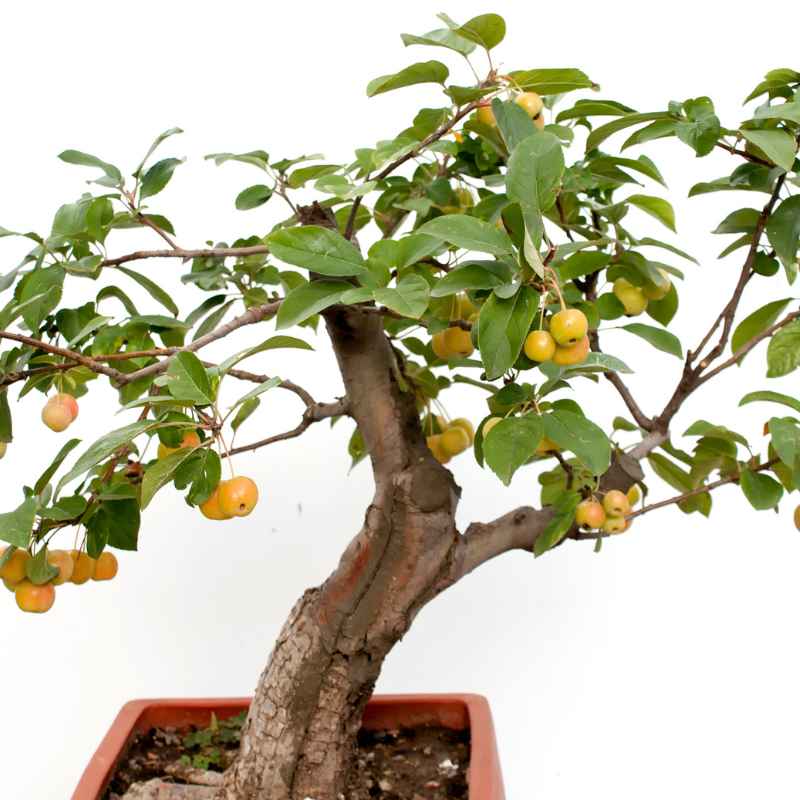
Quick Fixes and Tips
Overwatered? Let the soil dry out completely. Don’t water again until it’s dry. Improve drainage if possible.
Underwatered? Water deeply until it drains. Mist the leaves. Move to a less sunny spot temporarily.
Leggy Growth? Prune it back hard. This encourages bushier growth lower down.
No Flowers? Ensure it gets enough light and proper fertilizer. Sometimes, a little stress can encourage flowering.
Pests? Use a cotton swab dipped in rubbing alcohol. Gently dab pests. Follow up with neem oil spray.
Frequently Asked Questions About Bonsai Citrus Care
How often should I repot my citrus bonsai?
Younger, faster-growing citrus bonsai might need repotting every 1-2 years. Older, slower-growing ones might only need it every 3-5 years. Always check the roots; if they fill the pot or circle the edges, it’s time.
What kind of soil is best for citrus bonsai?
Bonsai soil needs excellent drainage. Look for mixes containing akadama, lava rock, and pumice. Regular potting soil holds too much water and can cause root rot.
Can I prune my citrus bonsai in the summer?
Light pruning to maintain shape can be done anytime. Major structural pruning is best done in late winter or early spring. Avoid heavy pruning during the peak heat of summer, as it can stress the tree.
My citrus bonsai leaves are turning yellow. What should I do?
Yellow leaves can indicate overwatering, underwatering, lack of nutrients, or insufficient light. Check your watering habits. Ensure the soil drains well.
Consider fertilizing if it’s been a while. Make sure it gets enough sun.
How do I get my bonsai citrus to flower and fruit?
Proper care is key. Ensure it receives plenty of sunlight (at least 6 hours daily). Use a balanced fertilizer during the growing season.
Sometimes, a little bit of root restriction or mild stress can encourage flowering. Pollination may also be needed, depending on the variety.
What is root pruning and why is it important?
Root pruning is the process of trimming the roots when repotting. It removes old, circling, or dead roots. This makes space for new, healthy root growth.
It keeps the tree from becoming root-bound and helps it absorb water and nutrients better.
Conclusion
Caring for a bonsai citrus tree is a journey. Repotting and pruning are your key tools. They help you shape and maintain its beauty.
With gentle care and attention, your little citrus tree will thrive. Enjoy watching it grow and perhaps even produce tiny fruits. It’s a wonderful living art piece.