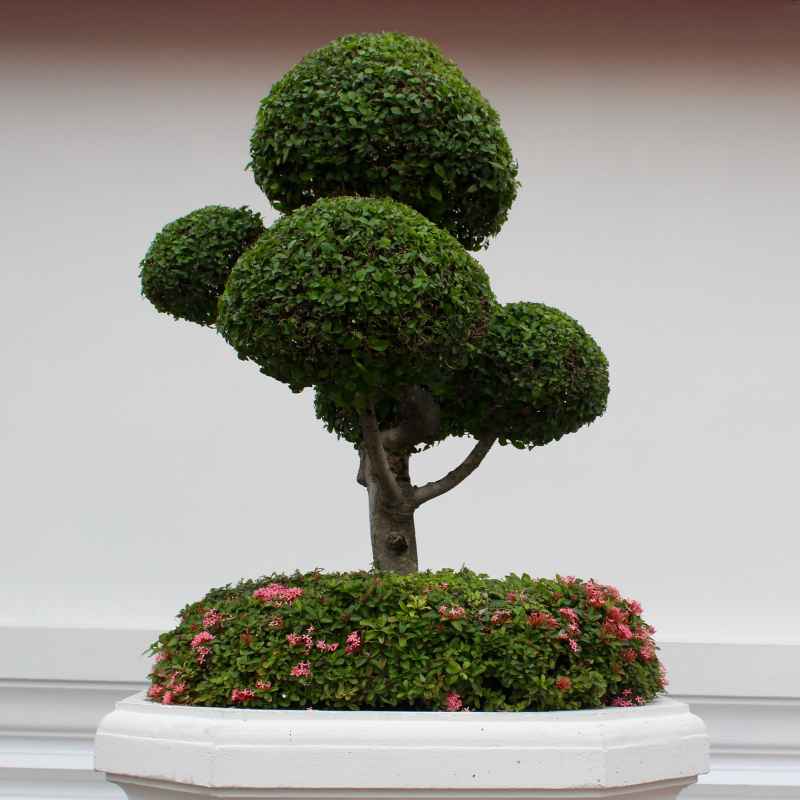
How Often Should You Water A Kingsville Boxwood Bonsai?
For a Kingsville Boxwood bonsai, the watering frequency depends on several factors like pot size, soil mix, temperature, and humidity. The best approach is to water when the top inch of soil feels slightly dry to the touch, rather than following a strict schedule. Always ensure good drainage.
For another bonsai-specific follow-up, How Often To Water Tropical Bonsai After Bringing Inside gives readers a related care or selection angle.
For another bonsai-specific follow-up, How Often Should You Water A Brazilian Rosewood Bonsai Seed? gives readers a related care or selection angle.
Readers comparing bonsai options may also find How To Remove Pressure Control From A Bonsai Pulse Shower useful before choosing a tree or pot.
Understanding Your Kingsville Boxwood Bonsai’s Needs
Kingsville Boxwood, or Buxus microphylla ‘Kingsville Dwarf’, is a popular choice for bonsai. It’s known for its small leaves and dense growth. This makes it look great as a miniature tree.
But, like all living things, it has specific needs. Getting these right helps your tree grow strong and stay beautiful for years. One of the most important needs is water.
Too much water can cause root rot. Too little water can make the leaves wilt and turn brown.
The goal is to keep the soil moist, but not waterlogged. Think of it like a wrung-out sponge. It holds water, but air can still get to the roots.
Your bonsai pot is small. This means it can dry out faster than a plant in a large garden pot. It also means you need to be careful not to overwater.
We need to find that sweet spot for our tiny trees.
The soil mix you use for your bonsai is very important. A good bonsai soil drains well. It also holds some moisture.
Often, mixes use akadama, pumice, and lava rock. These help air get to the roots. They also let extra water flow out.
If your soil stays wet for too long, your boxwood roots can start to rot. This is a common problem for beginners. It can be hard to see at first.
But it can harm your tree.
Temperature also plays a big role. On hot, sunny days, your bonsai will use water faster. It will dry out more quickly.
In cooler weather, it will need water less often. Wind can also dry out the soil faster. So, where you keep your tree matters a lot.
Indoor vs. outdoor care can change how often you water. Even the type of pot can make a difference.
Terracotta pots breathe and dry out faster than plastic pots.

My Own Brush with Bonsai Thirst (and How I Learned)
I remember getting my first Kingsville Boxwood bonsai. It was a gift, and I was so excited. I read a few things online, but I was still a bit unsure.
I decided to water it every other day, just to be safe. It was spring, and the weather was mild. After about two weeks, I noticed the leaves looked a bit dull.
They weren’t as vibrant as before. I started to panic. Was I killing it already?
I checked the soil, and it felt damp, but not soaked. So, I kept watering. That’s when things got worse.
The leaves started to turn yellow, and some even fell off. I felt terrible. I had made a common mistake: watering on a schedule instead of by feel.
That tree taught me a valuable lesson about observation. It taught me to truly listen to what the plant was telling me.
I quickly looked up more information and realized my error. I had been overwatering. My boxwood’s roots were probably getting suffocated.
They needed air, not constant wetness. I stopped watering on a schedule. Instead, I started checking the soil daily.
I’d stick my finger in about an inch deep. If it felt dry, I’d water. If it felt moist, I’d wait.
It took a little while, but the tree slowly started to recover. New leaves grew, and the color came back. This experience showed me how crucial it is to pay attention to the specific needs of your bonsai and its environment.
It’s not a one-size-fits-all approach.
Watering Frequency Factors
Soil Type: Drains well? Holds some moisture? This affects how often you water.
Pot Size: Smaller pots dry out faster.
Climate: Hot, dry, or windy weather means more frequent watering.
Season: Trees need less water in winter.
Light Exposure: Full sun uses more water than shade.
When is the Right Time to Water? The “Finger Test”
The best way to know when to water your Kingsville Boxwood is by feeling the soil. This is often called the “finger test.” It’s simple and effective. You just need to stick your finger about an inch deep into the soil.
If the soil feels dry at that depth, it’s time to water. If it feels moist, your tree is still good for now. Don’t water it again until it starts to dry out.
This test works because it checks the soil beneath the very top layer. The top layer can dry out quickly from air exposure. But the roots might still have enough moisture deeper down.
By checking an inch deep, you get a better idea of what the roots are experiencing. It’s like checking if a cake is done by poking it with a toothpick. You want to know what’s happening inside.
Make this test a part of your daily routine. It might seem like extra work at first. But it quickly becomes second nature.
You’ll start to get a feel for how fast your specific tree dries out. It’s a crucial skill for any bonsai owner. It helps you avoid both overwatering and underwatering.
Remember to wash your hands after touching the soil. This keeps things clean. It also helps you avoid spreading any potential pests or diseases.
A clean approach is always best with plants. This simple habit will save your bonsai a lot of stress.
Checking Soil Moisture: A Step-by-Step Guide
Step 1: Gently insert your finger about 1 inch into the soil. Be careful not to damage roots.
Step 2: Feel the soil. Is it dry, slightly moist, or wet?
Step 3: If dry, it’s time to water. If moist or wet, wait and check again later.
How to Water Your Kingsville Boxwood Bonsai
Once you know it’s time to water, how do you do it? The best method is called “bottom watering” or “immersion.” You place the bonsai pot in a tray or sink filled with water. Let the pot soak for about 15-20 minutes.
You’ll see the water level go down as the soil absorbs moisture. Water will also start to seep up through the drainage holes.
This method ensures the entire root ball gets hydrated evenly. It also helps to draw out any accumulated salts from the soil. These salts can build up over time from fertilizers.
They can harm your tree’s roots. Bottom watering is generally gentler on the soil structure too. It avoids disturbing the soil surface.
After soaking, lift the pot out of the water. Let it drain completely. Place it back on its saucer or in its display spot.
Make sure there’s no standing water in the saucer. This can lead to root rot. The soil should be damp, not sitting in water.
Another common way is top watering. You can use a watering can with a fine rose or a gentle stream. Aim to water the soil surface until water runs out of the drainage holes.
Do this a few times to ensure even saturation. Top watering is quicker. But it can sometimes wash away soil particles.
It might not hydrate the whole root ball as evenly as immersion.
Always use good quality water. Tap water is usually fine. But if your tap water is very hard or has a lot of chemicals, it might be better to use filtered or rainwater.
Let tap water sit out for 24 hours. This allows some chlorine to evaporate. This is a good practice for most houseplants too.
Watering Methods Comparison
Bottom Watering (Immersion):
- Pros: Even hydration, flushes salts, gentle.
- Cons: Takes more time, requires a tray/sink.
Top Watering:
- Pros: Quicker, easier for daily checks.
- Cons: Can disturb soil, may not hydrate evenly.
The Role of Pot Size and Soil Mix
The size of your bonsai pot directly impacts how often you need to water. Smaller pots hold less soil. Less soil means less water storage.
A tiny pot might need watering every day, especially in warm weather. A larger pot will hold more moisture and might go a few days between waterings. Kingsville Boxwood bonsai are often kept in very shallow pots.
These dry out the fastest.
The soil mix is equally critical. A good bonsai soil is a blend of inorganic and organic materials. Inorganic components like akadama, pumice, and lava rock provide excellent drainage and aeration.
This prevents soil from becoming compacted and waterlogged. Organic materials, like pine bark or compost, help retain some moisture and nutrients.
For Kingsville Boxwood, a mix that drains very well is key. Many growers use a 1:1:1 ratio of akadama, pumice, and lava rock. Some might add a small amount of organic matter.
The exact ratio can vary based on climate and personal preference. The main goal is to have soil that drains freely. It should also have good aeration.
This is vital for preventing root rot. Roots need oxygen to breathe.
If your soil holds too much water, you’ll see signs like yellowing leaves and a persistent dampness. This is a sign the soil structure might be too fine or compacted. You might need to repot with a better-draining mix.
Repotting is usually done every 2-3 years for younger trees. Older trees may go longer.
When you repot, you clean away the old soil. You then add your fresh, well-draining mix. This is also a good time to inspect the roots.
You can trim them back if they’ve become too long or are circling the pot. This promotes new, healthy root growth. It also ensures your bonsai has enough space to grow.
Bonsai Soil Components Explained
Akadama: Hard-baked clay granules. Absorbs water and nutrients, releases them slowly.
Pumice: Volcanic rock. Very porous, lightweight, good drainage and aeration.
Lava Rock: Porous volcanic rock.
Provides excellent drainage and aeration.
Organic Matter (e.g., Pine Bark): Retains some moisture and nutrients, improves soil structure.
Environmental Factors: Temperature, Light, and Humidity
Your Kingsville Boxwood bonsai’s environment plays a huge role in its water needs. Temperature is a major factor. In warmer months, especially during a heatwave, your bonsai will dry out much faster.
The soil will need checking more often, possibly daily. In cooler months, or during a cold snap, the tree’s growth slows. It will use less water.
You can water much less frequently then.
Light exposure is also critical. A tree placed in direct, hot sun will dry out much faster than one in partial shade. Kingsville Boxwood generally prefers bright, indirect light.
If it’s in a very sunny spot, you’ll need to monitor its water levels closely. You might also need to provide some shade during the hottest part of the day. This can prevent scorching of the leaves.
Humidity levels are important, especially if you keep your bonsai indoors. Homes, particularly in winter with heating systems, can be very dry. Boxwoods prefer a bit of humidity.
Low humidity can cause the leaves to dry out. It can also make the soil dry out faster. You can increase humidity by placing the pot on a humidity tray.
This is a tray filled with pebbles and water. The water evaporates, creating a humid microclimate around the tree. Be sure the pot isn’t sitting directly in the water, though.
This can lead to root rot.
Mistaking the symptoms of low humidity for thirst is a common error. If the leaves look crispy or dry, it might be the air is too dry, not that the soil is too dry. While misting can offer a temporary boost, it doesn’t replace proper watering or humidity solutions.
It’s more of a pleasant addition than a fix.
Think about where your tree is located. Is it near a heating vent? Is it in a drafty window?
These can all affect moisture levels and temperature. Adjusting its location can make a big difference. Finding the right balance for your specific tree and its surroundings is key.
Environmental Checklist for Watering
Temperature: Higher temps mean more watering.
Sunlight: Full sun means more watering.
Wind: Windy spots dry out soil faster.
Indoor Humidity: Low humidity can stress the plant. Consider a humidity tray.
Common Watering Mistakes and How to Avoid Them
Many beginners make similar mistakes with watering their bonsai. The most common one is watering on a schedule. As I learned, this doesn’t account for the changing needs of the plant.
It’s like telling a baby they can only eat every four hours, no matter if they’re hungry or full. Your bonsai has its own rhythm.
Another big mistake is overwatering. This is often done with the best intentions. People think giving more water is always better.
But soggy soil robs roots of oxygen. This leads to root rot. You might see yellowing leaves, wilting, or even a moldy smell from the soil.
The key is to water only when the soil is starting to dry out.
The opposite, underwatering, is also a problem. This happens when you forget to check the soil. Or you don’t give enough water when you do check.
Underwatering causes the leaves to droop, turn brown, and fall off. The soil will look very dry and pull away from the sides of the pot. It’s important to water thoroughly when you do water.
Ensure the entire root ball is rehydrated.
Using the wrong water can also be an issue. Very hard water can lead to mineral buildup in the soil. This can clog the soil particles and harm the roots.
If you suspect your tap water is too hard, try using filtered water or rainwater. This is especially important if your bonsai shows signs of stress that can’t be explained by light or temperature.
Finally, not letting the pot drain is a sneaky problem. Even if you water correctly, if the pot sits in a saucer full of water, the roots will still rot. Always empty excess water from saucers or cache pots.
This ensures air can circulate around the roots. It’s a simple step that makes a huge difference.
Watering Pitfalls to Watch For
Mistake: Watering on a schedule. Fix: Water based on soil moisture (finger test).
Mistake: Overwatering. Fix: Let soil dry slightly between waterings.
Ensure good drainage.
Mistake: Underwatering. Fix: Check soil regularly. Water thoroughly when needed.
Mistake: Using poor quality water.
Fix: Use filtered or rainwater if tap water is hard.
Mistake: Not draining excess water. Fix: Empty saucers after watering.
Seasonal Adjustments for Watering
Your Kingsville Boxwood bonsai’s water needs will change throughout the year. This is a natural part of its growth cycle.
Paying attention to these seasonal shifts is vital for healthy bonsai care. During the spring and summer, the tree is actively growing. It’s producing new leaves and branches.
The weather is usually warmer and sunnier. This means your bonsai will need water more frequently.
In spring, as temperatures rise and days get longer, your tree starts waking up. Its metabolic rate increases. It will need more water than in winter.
Start checking the soil more often. You might go from watering every few days to every other day, or even daily, depending on the conditions.
Summer is the peak growing season. This is when your boxwood is most active. It will also experience the hottest temperatures.
This is when watering can be most challenging. On hot days, you might need to water twice a day. But always check the soil first.
Even on hot days, if the soil is still moist an inch down, wait.
As autumn arrives, growth begins to slow. The days get shorter, and temperatures start to cool. Your bonsai will need less water.
You can gradually reduce the frequency of watering. The soil will take longer to dry out. So, you can likely go back to checking every few days.
Be careful not to suddenly cut back too much. The transition should be gradual.
Winter is the dormant season for most boxwoods. Growth is minimal or stops completely. The tree requires much less water.
Overwatering in winter is a major cause of root rot. The cold, wet soil is a perfect breeding ground for fungal diseases. You might only need to water once a week, or even less, depending on your climate.
Some growers will only water when the soil feels noticeably dry. It’s essential to keep the soil from becoming bone dry, though. Roots can still die if they get too dry in dormancy.
Always remember to adjust your watering based on the specific weather conditions. A warm spell in winter might require more water. A cool, cloudy spell in summer might mean you can wait a bit longer.
Observation is your best tool.
Seasonal Watering Guide
Spring: Increased growth, moderate watering. Check soil often as temperatures rise.
Summer: Peak growth, hot weather. May need daily watering. Always check soil first.
Autumn: Growth slows, cooler temps.
Gradually reduce watering frequency.
Winter: Dormancy, very little growth. Water sparingly, only when soil is dry. Avoid waterlogged soil.
What If My Boxwood Looks Unhappy?
Seeing your Kingsville Boxwood bonsai looking less than its best can be disheartening.
The first thing to consider is its watering. Is it too much, or too little? Yellowing leaves can signal overwatering.
The roots are not getting enough air. The leaves might also feel soft. Brown, crispy leaves often mean it’s too dry.
The plant is struggling for moisture.
Drooping leaves can be a sign of both overwatering and underwatering. If the soil is soggy and the leaves are drooping, it’s likely overwatering. If the soil is dry and the leaves are drooping, it’s underwatering.
That finger test is your best friend here.
What if the soil seems constantly wet, even when you water infrequently? This could mean your soil mix isn’t draining well enough. Or perhaps the pot doesn’t have enough drainage holes.
In such cases, repotting with a better-draining soil mix is usually the solution. This gives the roots a chance to recover.
If your tree is drooping, and the soil is dry, you need to water it thoroughly. Let it soak until water runs out of the bottom. For severe underwatering, you might need to immerse the pot for a longer time.
Then, watch for signs of recovery. It might take a few days.
If you suspect overwatering, stop watering immediately. Let the soil dry out considerably. You might even gently aerate the topsoil with a chopstick.
This helps it dry faster. Ensure good air circulation around the tree. If the problem persists, consider repotting into a drier mix.
Other factors can also cause stress. Pests like spider mites or scale can weaken the tree. Poor light conditions can lead to leggy growth or loss of color.
Fertilizing too much or too little can also cause problems. Always consider all these factors when troubleshooting your bonsai’s health.
Troubleshooting Common Issues
Yellow Leaves: Often overwatering. Check soil moisture. Ensure good drainage.
Brown, Crispy Leaves: Likely underwatering. Check soil dryness and water thoroughly.
Drooping Leaves: Can be over or underwatering. Check soil moisture to diagnose.
Soil Stays Wet: Poor drainage.
Consider repotting with a better-draining soil mix.
The Importance of Observation and Patience
Caring for a Kingsville Boxwood bonsai is a rewarding journey. It requires attention and a willingness to learn. The most important skill you can develop is observation.
Your bonsai will tell you what it needs if you pay close attention. Learn to read the signs. Look at the leaves.
Feel the soil. Observe how quickly it dries out.
Patience is also key. Bonsai are not fast-growing plants. They develop slowly over time.
Don’t expect instant results. When you’re trying to correct a problem, give the tree time to respond. It might take weeks or months to see full recovery.
Avoid making drastic changes too quickly. Small, consistent adjustments are usually best.
Every bonsai is a little different. Even two trees of the same species, kept in similar conditions, can have slightly different needs. This is due to variations in their root systems, their age, and even their individual growth patterns.
So, while general advice is helpful, your own observations are the most valuable guide.
Don’t be afraid to make mistakes. Every bonsai enthusiast makes them. The key is to learn from them.
If you overwater one day, take note. See how your tree reacts. Then, adjust your approach for the next time.
It’s a process of continuous learning. The more you interact with your bonsai, the better you’ll understand it.
Enjoy the process of nurturing your miniature tree. It’s a living piece of art that evolves with care and attention. The satisfaction of seeing it thrive, knowing you’ve provided the right conditions, is immense.
Trust your instincts, keep observing, and be patient. Your Kingsville Boxwood bonsai will thank you for it.

Frequently Asked Questions About Watering Kingsville Boxwood Bonsai
How do I know if I’m watering my Kingsville Boxwood bonsai too much?
Signs of overwatering include yellowing leaves that may feel soft, wilting even though the soil is wet, slow or stunted growth, and a moldy smell from the soil. The soil will also stay wet for a long time and may develop a green algae on the surface. Ensure good drainage and water only when the top inch of soil is dry.
What kind of water is best for a Kingsville Boxwood bonsai?
Ideally, use rainwater or filtered water. If you must use tap water, let it sit out for 24 hours before using it. This helps some of the chlorine evaporate.
If your tap water is very hard, you might consider using filtered water more often to prevent mineral buildup in the soil.
Can I use a moisture meter for my bonsai?
Yes, moisture meters can be helpful, especially for beginners. However, they are not always perfectly accurate for bonsai pots. It’s still best to combine their readings with the “finger test” to get the most reliable information about your bonsai’s soil moisture levels.
Feel the soil directly when possible.
My Kingsville Boxwood leaves are turning brown and crispy. What does this mean?
Brown, crispy leaves usually indicate underwatering. The soil has likely become too dry. Check the soil moisture and water thoroughly if it is dry.
Ensure you are watering enough to saturate the entire root ball. In very dry conditions, you might also want to consider increasing humidity around the tree.
How often should I repot my Kingsville Boxwood bonsai to ensure good soil drainage?
Younger, actively growing Kingsville Boxwood bonsai typically need repotting every 2-3 years. Older trees may be repotted every 3-5 years. Repotting allows you to refresh the soil mix, which is crucial for maintaining good drainage and aeration.
Always use a well-draining bonsai soil mix when repotting.
Is it okay for the soil to dry out completely between waterings?
No, it is generally not recommended for the soil of a Kingsville Boxwood bonsai to dry out completely. While you want to avoid overwatering and let the soil dry slightly, letting it become bone dry can stress the tree and damage its fine roots. Aim for the soil to be slightly moist to the touch before watering.
Conclusion
Finding the right watering rhythm for your Kingsville Boxwood bonsai is all about observation and understanding its environment. There’s no single schedule that fits all trees. By using the finger test, watching for seasonal changes, and ensuring good drainage, you’ll become a pro at keeping your bonsai happy.
Remember to be patient and enjoy the journey of caring for your miniature tree. Its vibrant health will be your reward.