What Plants Are Easiest And Fastest To Grow As Bonsai?
But here’s the good news: not all bonsai are created equal. Some plants are much more forgiving. They grow faster.
For another bonsai-specific follow-up, How To Use Bonsai Fertilizer Pellets By Perfect Plants gives readers a related care or selection angle.
For another bonsai-specific follow-up, How To Grow Bonsai Trees From Seed Like A Pro Gardener gives readers a related care or selection angle.
For the broader gardening context, How To Get To Norfolk Botanical Gardens From Newport News gives readers a useful next step on the same topic.
This means you see results sooner. This makes the whole process much more fun. It builds your confidence too.
This guide is here to help you find those perfect, beginner-friendly plants. We’ll look at what makes them easy. We’ll also talk about how to get them growing well for your miniature tree.
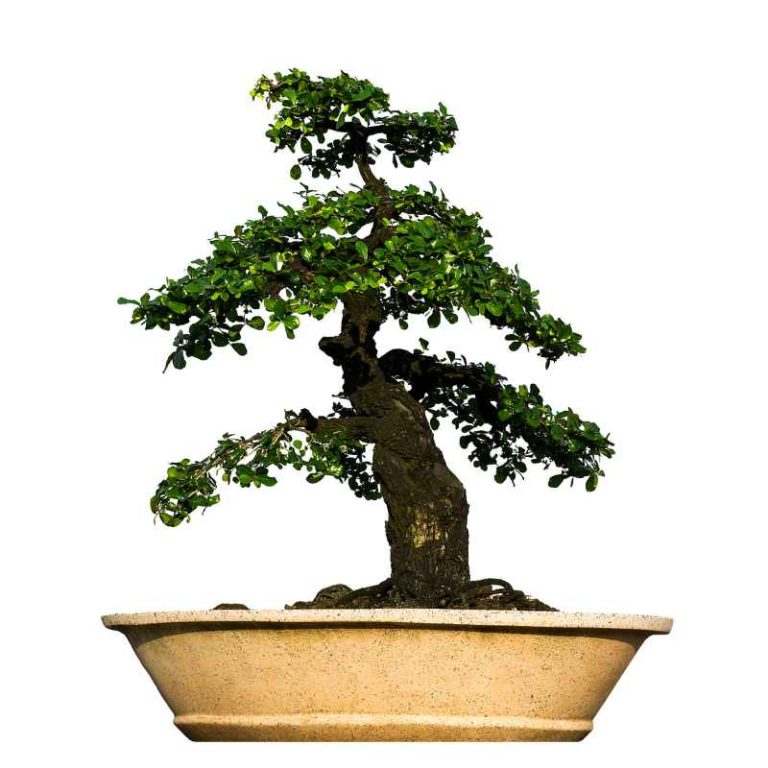
The easiest and fastest plants to grow as bonsai are often common, hardy species like Ficus, Juniper, Chinese Elm, and Carmona. These plants tolerate beginner mistakes, grow relatively quickly, and respond well to pruning and wiring, making them ideal for those new to the art form.
What Makes a Plant Easy for Bonsai?
When we talk about “easy” plants for bonsai, we mean a few things. First, they need to be tough. They shouldn’t freak out if you miss watering once.
They can handle a bit of imperfect sunlight. They also need to grow well. Fast growth means you can shape the tree sooner.
You get to see your work pay off. This is super important when you’re just starting out.
Another big factor is how they handle pruning. Bonsai trees are constantly trimmed. This keeps them small.
It also helps them look a certain way. Easy plants don’t mind being cut back. They often sprout new growth from old wood.
This is a huge plus. It helps you create the shape you want. It also means you can fix mistakes easier.
Finally, think about how they look naturally. Some trees already have small leaves. This is a bonus for bonsai.
You don’t have to do as much to make them look right. Some also have interesting bark or growth habits. These natural traits make them great candidates right from the start.
They give you a head start on the beautiful bonsai look.

My First Bonsai Fiasco (and What I Learned)
I remember my first attempt at a bonsai. It was a beautiful little Japanese Maple. I’d seen gorgeous ones online.
Mine looked. sad. I was so careful.
I read all the books. I thought I knew everything. But I was probably watering too much.
Or maybe not enough. I also think I put it in the wrong spot for sunlight. One morning, I went to check on it.
The leaves were all droopy. Then they turned brown. It was heartbreaking.
I felt so defeated. It felt like I’d failed before I even started. I almost gave up then and there.
But that failure taught me a lot. It showed me I needed plants that were a bit more forgiving. I needed something that wouldn’t punish me for every tiny error.
That’s when I started looking into plants like Ficus. They are much tougher cookies.
Quick Bonsai Plant Checklist
- Hardiness: Can it survive some neglect?
- Growth Rate: Does it grow fast enough to shape?
- Pruning Response: Does it sprout new shoots when cut?
- Leaf Size: Are its leaves naturally small or do they reduce well?
- Availability: Is it easy to find as a starter plant?
Top Picks for Easy and Fast Bonsai Starters
Let’s dive into some of the absolute best plants for new bonsai artists. These are the ones that are often recommended. They are popular for good reasons.
They grow well. They look good. And they make the learning process much smoother.
Ficus (Fig Trees)
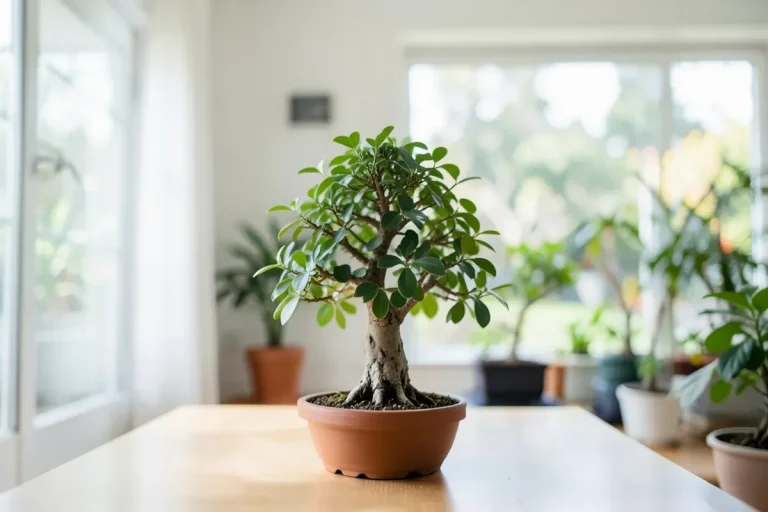
Ficus trees are probably the most recommended beginner bonsai. There are many types. The Ficus retusa and Ficus microcarpa (also called Ginseng Ficus) are super popular.
They are tropical plants. This means they do best indoors in most of the U.S. They are incredibly tough.
They can handle low humidity. They can also handle less-than-perfect light conditions. This makes them very forgiving if you’re still figuring out the perfect spot.
What makes them great is their aerial roots. These can look really cool as the tree ages. They develop a nice, textured bark too.
They grow quite quickly. This means you can start shaping them fairly soon after you get them. Pruning is easy.
They sprout new leaves readily. You can even take cuttings easily. These can become new bonsai projects.
It’s like a mini-factory for more trees!
In warmer climates, you can even grow some Ficus outdoors year-round. Just watch out for frost. Their leaves are generally medium-sized.
But they will reduce in size with good bonsai care and time. This is a key part of bonsai training. You want those miniature leaves to match the miniature tree.
Ficus Snapshot
Best For: Indoor growing, forgiving nature, quick growth.
Key Features: Aerial roots, textured bark, tolerates varied light.
Growth Habit: Bushy, branches easily.
Troubleshooting: Yellow leaves often mean overwatering. Drooping leaves can mean underwatering.
Chinese Elm (Ulmus parvifolia)
The Chinese Elm is another champion for beginners. This tree is deciduous but often stays green indoors. It has small leaves.
These are perfect for a small tree. The bark on older trees is beautiful. It’s often flaky and interesting.
This adds character and a sense of age.
They grow quite fast. This means you can see changes season after season. They respond very well to pruning and wiring.
You can bend branches and shape the tree without much fuss. They are also pretty tough. They can handle a range of conditions.
However, they do prefer good light. Outdoors in the spring and summer is ideal if you can manage it. In the fall, they might start to lose leaves.
This is normal. They are getting ready for winter.
The small leaves are a big win. They naturally scale down well. This makes the miniature tree look much more convincing.
They also branch out nicely. You can get a full, bushy canopy without too much effort. This tree is a solid all-rounder for anyone starting out.
Chinese Elm at a Glance
Best For: Beginners, developing natural look, good branching.
Key Features: Small leaves, attractive flaky bark, vigorous grower.
Growth Habit: Graceful, flowing branches.
Seasonal Note: May drop leaves in autumn/winter, which is normal.
Juniper (Juniperus varieties)
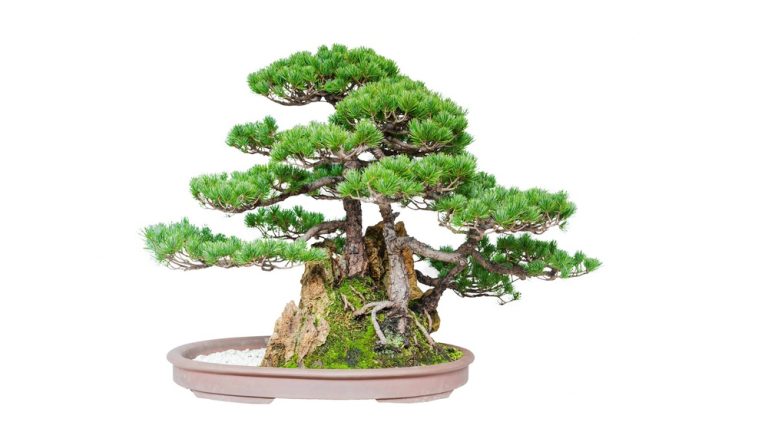
Junipers are classic bonsai trees. They are evergreen. They have needle-like foliage.
Many varieties are very hardy. They are often associated with the rugged, windswept look. This makes them very appealing.
For beginners, plants like Juniperus procumbens ‘Nana’ (Dwarf Japanese Garden Juniper) are excellent.
Junipers love sun. They need a lot of it. This means they are best suited for outdoor bonsai.
They are tough and can handle a range of temperatures. They don’t like sitting in wet soil. Good drainage is key.
This is true for most bonsai, but especially for junipers.
The growth rate can be moderate. But they are very responsive to pruning. You can create great pads of foliage.
Wiring is also effective for shaping branches. The fine foliage helps give the impression of age and scale. They are a bit more demanding on light and watering than Ficus.
But their hardiness makes them a great choice for many outdoor growers. They can survive cold winters in many parts of the U.S.
Juniper Quick Facts
Best For: Outdoor growing, classic bonsai look, hardy.
Key Features: Evergreen needles, rugged appearance, thrives in sun.
Growth Habit: Spreading, groundcover potential.
Needs: Full sun, excellent drainage, avoid soggy soil.
Serissa (Snow Rose or Tree of a Thousand Stars)
The Serissa is a beautiful flowering bonsai. It has tiny white flowers that bloom frequently. It’s called the “Tree of a Thousand Stars” for a reason!
It’s an evergreen. It’s native to tropical and subtropical Asia. This means it’s best kept indoors in most U.S.
climates. It needs warmth and good light.
Serissas can be a little fussier than Ficus. They are known to drop their leaves or flowers if they are stressed. This can be from overwatering, underwatering, or moving them.
But when they are happy, they are very rewarding. Their small leaves and delicate flowers are perfect for bonsai. They have a natural elegance.
They grow at a decent pace. They respond well to pruning. You can shape them to look like a miniature tree.
The key with Serissas is consistency. Try to keep their soil moist but not soggy. Give them plenty of bright, indirect light.
They do appreciate a bit of humidity. If you can provide that, you’ll be rewarded with beautiful blooms. It’s a bit more of a delicate dance than with Ficus, but totally doable.
Serissa Highlights
Best For: Flowering indoor bonsai, delicate appearance.
Key Features: Small white flowers, small leaves, evergreen.
Growth Habit: Upright, twiggy branches.
Care Note: Sensitive to change; aims for consistency in watering and light.
Carmona (Fukien Tea Tree)
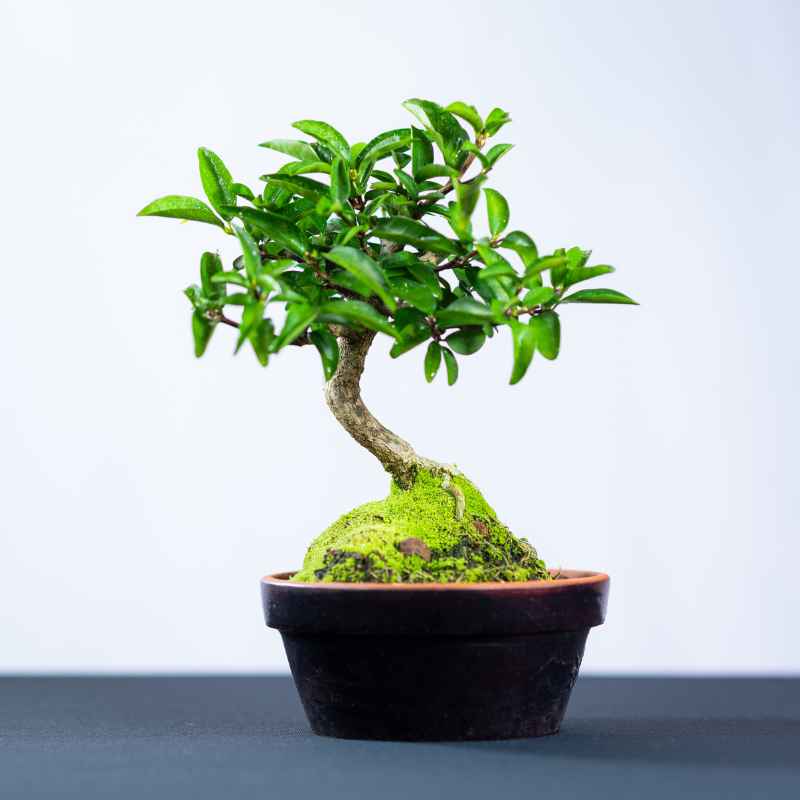
The Carmona, often called the Fukien Tea tree, is another popular indoor flowering bonsai. Like the Serissa, it has small white flowers. It also produces tiny red fruits after flowering.
It’s an evergreen. It’s native to parts of Asia. This makes it a good choice for indoor growing in most U.S.
homes.
Carmonas are fairly fast growers. They respond well to pruning. This means you can shape them into a nice bonsai form relatively quickly.
They have small leaves. These help with the miniature scale. They like bright, indirect light.
They also need consistently moist soil. Avoid letting them dry out completely. They can also be a bit sensitive to temperature changes.
While they are considered relatively easy, they can drop leaves if stressed. This is similar to Serissa. Keeping their environment stable is key.
Their natural twiggy growth and ability to flower make them a very attractive option. They bring a touch of the tropics indoors. They are a rewarding plant for those who pay attention to their needs.
They are a step up from Ficus in terms of fussiness, but still very manageable for a beginner.
Carmona Fast Facts
Best For: Indoor flowering bonsai, produces fruit.
Key Features: Small white flowers, red berries, small leaves.
Growth Habit: Bushy, branching.
Tip: Keep soil consistently moist and provide ample light.
Starting with Seeds vs. Nursery Stock
When you’re getting a plant for bonsai, you have a couple of main options. You can grow from seed. Or you can buy nursery stock.
For beginners wanting fast results, nursery stock is usually the way to go.
Growing from Seed
Growing from seed is the slowest method. It can take years to get a plant that’s even close to bonsai size. While it’s rewarding to see a plant grow from nothing, it requires a lot of patience.
You also have less control over the initial trunk shape. Most bonsai artists use seed for developing a completely new project. Or for getting a massive collection of young plants.
It’s not ideal if you want to see a bonsai form in a year or two.
Buying Nursery Stock
Buying nursery stock means you start with a plant that’s already several years old. You can find young trees in garden centers or specialized nurseries. These plants have a bit of trunk thickness already.
They have branches. You can often find plants with interesting shapes. This gives you a huge head start.
You can also buy pre-bonsai material. This is stock that has already had some bonsai training. It might have a decent trunk and some basic branch structure.
This is the fastest way to get going. You can start working on refining the shape and details almost immediately. Look for plants that have good taper in the trunk.
They should have some low branches. This is what bonsai artists look for. It saves you years of work.
For ease and speed, this is the way to go.
Nursery Stock Advantage
Speed: Years of growth already established.
Trunk: Pre-existing thickness and taper.
Branches: Basic structure is already there.
Cost: Can be more cost-effective than mature bonsai.
The Real-World Context: Where Do These Plants Thrive?
Understanding where your chosen plant naturally grows is super important. It helps you mimic its ideal conditions in your home or garden. For instance, Ficus and Carmona are tropical.
They love warmth. They don’t like cold. This means they are perfect for indoor bonsai in most of the U.S.
where winters can be harsh.
Chinese Elms are more adaptable. They can grow outdoors in many regions. They can handle a range of temperatures.
They still benefit from protection in very cold climates. Junipers are quite hardy. They are native to many parts of the Northern Hemisphere.
They can withstand significant cold. This makes them excellent outdoor bonsai choices for most of the country. They need a cold dormancy period.
When you choose a plant, think about your local climate. Do you have a balcony that gets sun? Is your house warm and bright year-round?
Answering these questions helps match the plant to its best home. It sets you up for success from the very beginning. It’s about working with nature, not against it.
What This Means for Your Bonsai Journey
Knowing which plants are easy and fast means you can start your bonsai journey with confidence. You’re less likely to get discouraged by early failures. You’ll see progress.
This keeps you motivated. It’s about building skills. You start with a sturdy foundation.
For example, if you live in an apartment with limited natural light, a Ficus is a much better bet than a Juniper. If you have a yard and want something that looks rugged and traditional, a Juniper is a great choice. If you want flowers and fruit, Serissa or Carmona might be for you.
But remember their sensitivity.
The key is to choose a plant that fits your lifestyle and environment. This isn’t about finding the “best” bonsai plant. It’s about finding the best bonsai plant for you and your situation.
Start simple. Learn the basics of watering, light, and pruning. Then you can slowly expand your collection.
You can even try more challenging species later on.
Quick Fixes and Tips for Speedy Growth
To encourage faster growth and get your bonsai looking good sooner, here are a few pointers. These aren’t magic fixes, but they help a lot.
- Consistent Watering: This is number one. Don’t let your plant dry out too much. But don’t drown it either. Check the soil daily. Water when the top layer feels a bit dry.
- Good Light: Most bonsai need a lot of light. For indoor plants, a sunny windowsill is best. Or consider a grow light. For outdoor plants, make sure they get enough sun.
- Proper Fertilizing: Bonsai plants in small pots run out of nutrients quickly. Use a balanced bonsai fertilizer. Follow the package directions. This helps them grow stronger.
- Pruning for Shape: Don’t be afraid to prune. This is how you create the bonsai shape. It also encourages denser growth. Focus on trimming back new shoots.
- Wiring for Structure: Once you have some growth, you can use bonsai wire. This helps you bend branches into place. It gives the tree its form.
- Well-Draining Soil: Bonsai soil is different from regular potting soil. It needs to drain very well. This prevents root rot.
These tips will help your chosen plant thrive. They will help it grow into the miniature tree you envision. Think of it as giving your plant the best conditions to do what it does best: grow!

Frequently Asked Questions About Easy Bonsai Plants
What is the absolute easiest bonsai tree for a total beginner?
For a total beginner who wants indoor growing, the Ficus (especially Ficus retusa or Ficus microcarpa) is usually the easiest. It’s very forgiving, tolerates a wide range of indoor conditions, and grows quite fast.
Can I really make a bonsai in just one year?
While you can start shaping a bonsai in one year, achieving a truly mature-looking bonsai takes many years. However, you can definitely establish a basic shape and encourage growth on a fast-growing species like a Chinese Elm or Ficus within a year with good care.
Are outdoor bonsai harder to care for than indoor ones?
It depends on the plant. Outdoor bonsai like Junipers or Chinese Elms are often hardier in their natural environment. Indoor bonsai like Ficus need consistent warmth and light.
If you have a good outdoor space, some outdoor species can be easier because they get natural light and weather.
What are the signs my bonsai plant is growing well?
Signs of good growth include new leaves sprouting, branches getting longer, and overall a healthy green color. If you’re pruning, you’ll see new shoots emerging from where you cut. A healthy plant will look vibrant.
How do I choose the right pot for my beginner bonsai?
For beginners, choose a pot that is not too small. It needs to have drainage holes. The pot should complement the tree’s style.
A simple, unglazed ceramic pot is often a good starting point for many trees.
What if my bonsai’s leaves turn yellow and fall off?
Yellowing and falling leaves are a common stress signal. For Ficus and Carmona, it often means overwatering or underwatering. For Chinese Elms, it might mean it’s autumn and it’s preparing to drop leaves.
Check your watering habits and light exposure first.
Can I use regular potting soil for my bonsai?
No, it’s not recommended. Regular potting soil holds too much water and doesn’t drain well enough for bonsai. Bonsai need a special gritty soil mix that allows for good aeration and drainage to prevent root rot.
You can buy bonsai soil or mix your own.
Conclusion: Your Bonsai Adventure Awaits!
Embarking on your bonsai journey with an easy and fast-growing plant is a smart move. You’ll build skills and gain confidence. These plants offer the chance to see real results sooner.
They make the learning process enjoyable. Pick a plant that fits your space and your life. Then, give it the care it needs.
Your beautiful miniature tree awaits!