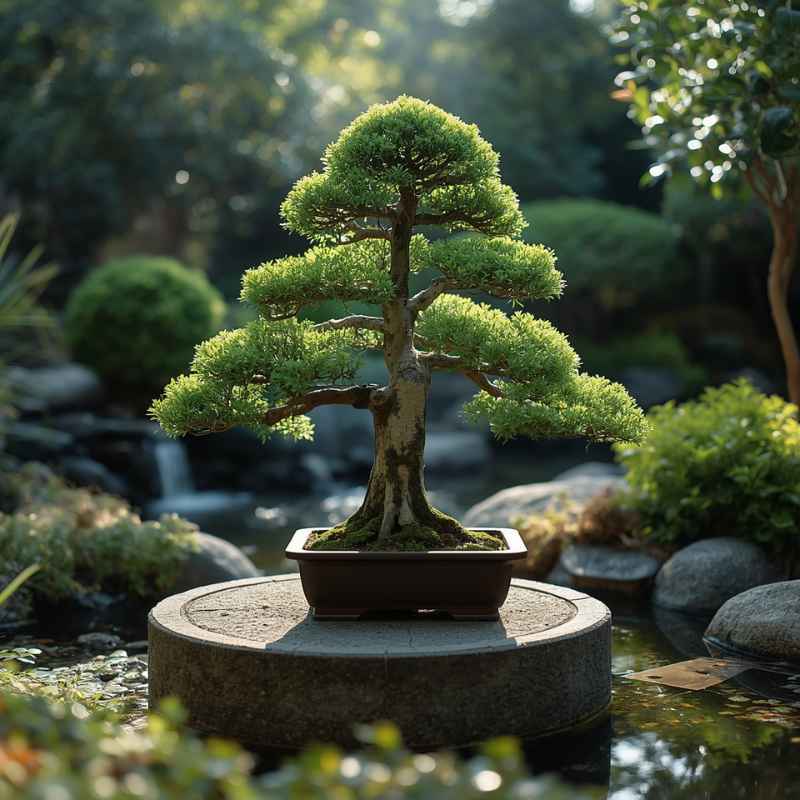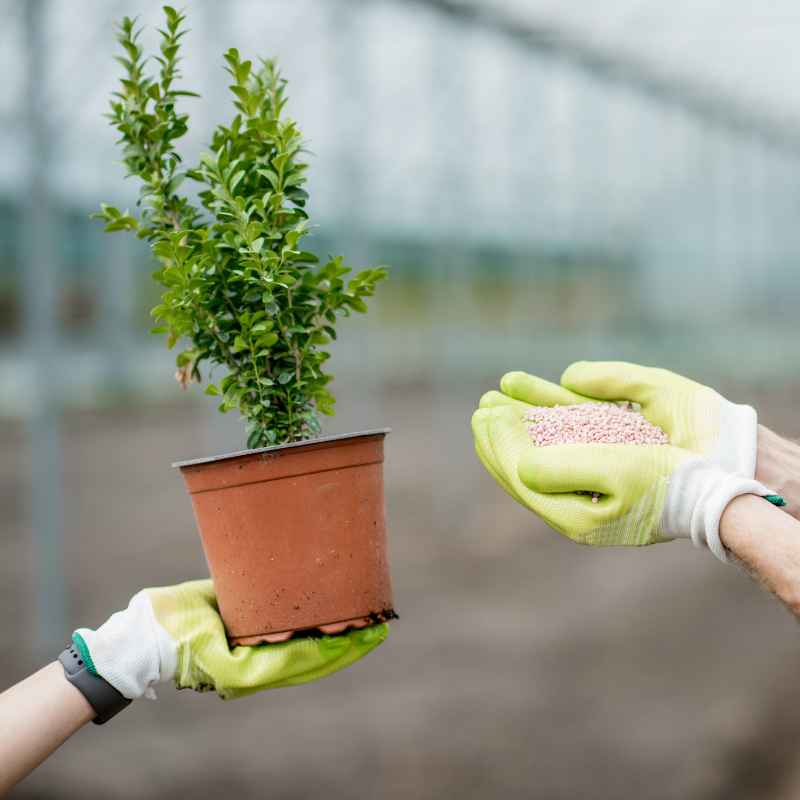

Finding the right way to feed your bonsai with fertilizer pellets is key. It helps them grow strong and healthy. This guide will show you how to use Perfect Plants bonsai fertilizer pellets the correct way. You’ll learn when to apply them and how much to use. This will help your miniature tree flourish.
Readers comparing bonsai options may also find How To Use Royal Poinciana For Bonsai: Full Beginner useful before choosing a tree or pot.
Understanding Bonsai Fertilizer Pellets
Bonsai fertilizer pellets are small, solid pieces of plant food. They are made to release nutrients slowly over time. This is super important for bonsai trees.
Bonsai live in small pots. They don’t have a lot of soil to store food. Slow-release fertilizers give the tree a steady supply of food.
This helps prevent over-fertilizing. It also means you don’t have to fertilize as often. Perfect Plants makes these pellets with a good mix of nutrients.
These nutrients are just what bonsai trees need to grow well. They include nitrogen, phosphorus, and potassium. They also have other helpful trace elements.
The main idea behind using pellets is convenience and consistency. You place them on the soil surface. Then, as you water your bonsai, the nutrients slowly dissolve.
They wash down into the soil. This makes them available for the roots to take up. It’s a gentle way to feed your plant.
It matches the natural way plants get food from the soil. Many growers like them because they are easy to measure. You don’t have to mix anything.
Just grab the pellets and go. This makes consistent feeding much simpler.
When and How Often to Fertilize Your Bonsai
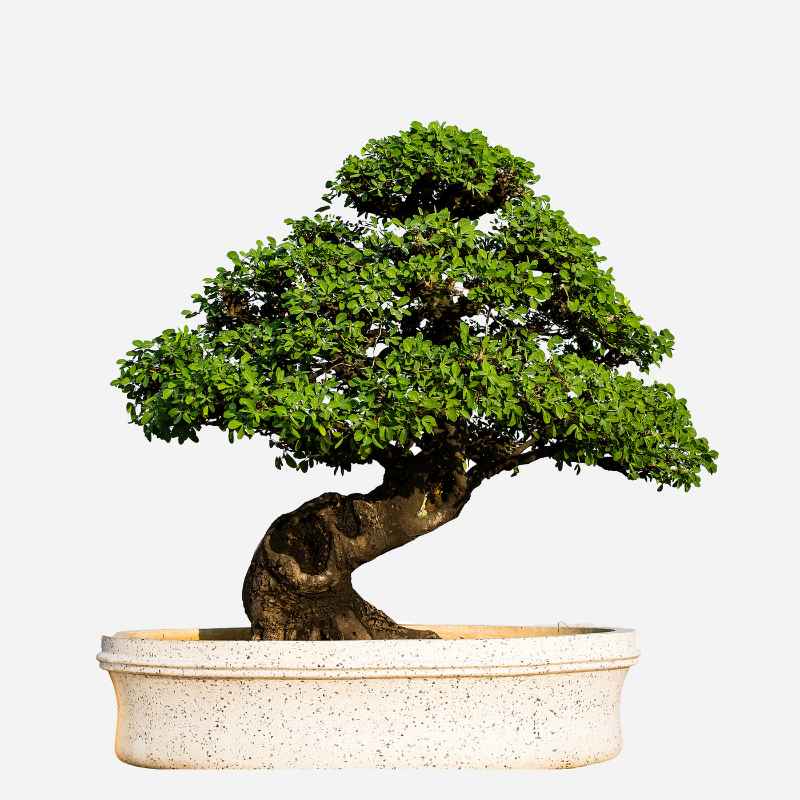
The best time to fertilize your bonsai is during its growing season. This is usually from spring through fall. During these months, your tree is actively growing.
It needs more food to support new leaves and branches. You won’t fertilize in the dead of winter. Your bonsai is resting then.
It doesn’t need extra food. Also, avoid fertilizing a sick or very stressed tree. Wait until it recovers.
For new bonsai owners, this can seem like a lot to remember. But think of it like feeding a pet. They need food when they are active.
How often you fertilize depends on the type of pellet and the tree. Perfect Plants bonsai fertilizer pellets are often designed for slow release. This means you might only need to apply them every 1 to 3 months.
Always check the specific instructions on the fertilizer package. Different brands and formulas have different release rates. For example, some might last 60 days, others 90 days.
It’s better to fertilize a bit less often than too much. Over-fertilizing can damage your bonsai’s roots. It can cause leaf burn or stunt growth.
Regular, light feeding is the goal.
A good starting point for many deciduous trees is to fertilize once in early spring. Then again in mid-summer. And a final application in early fall.
For evergreens, you might fertilize less often, perhaps just twice a year. Once in spring and once in late summer. These are general guidelines.
Your specific climate and the type of bonsai matter. For instance, a tree in a very warm climate might grow longer and need feeding for more months. Always observe your tree.
If it looks healthy, with good green leaves, you are likely doing a good job with its care.
How to Apply Perfect Plants Bonsai Fertilizer Pellets
Applying the pellets is quite simple. First, make sure your bonsai’s soil is slightly moist. Never apply fertilizer to dry soil.
Dry soil can lead to root burn. If the soil is dry, give it a light watering first. Wait a little while for the water to soak in.
Then, you can start applying the pellets. You want to place the pellets on the soil surface. Avoid putting them right up against the trunk of your tree.
Leave a little space. This is important to prevent direct contact with the bark, which can sometimes cause damage.
Spread the pellets evenly across the soil surface. You can push them gently into the top layer of moss if you have it. This helps them stay in place.
It also makes them look less noticeable. The amount you use is important. Too much can harm your tree.
Too little won’t provide enough food. The instructions on the Perfect Plants package will tell you the recommended amount. It’s usually given in terms of a number of pellets per pot size.
For example, it might say “use 5-10 pellets for a small pot.” Always follow these directions carefully. It’s better to err on the side of using slightly fewer pellets if you are unsure.
After applying the pellets, water your bonsai thoroughly. This is crucial. The water will start the slow release process.
It carries the nutrients down into the root zone. Continue to water your bonsai normally. The pellets will release their food over the next few months.
You’ll see the plant respond with healthy growth. It’s a straightforward process. The key is consistency and following the product’s specific advice.
Think of it as a gentle, ongoing buffet for your tree.
Step-by-Step Application Guide
- Check Soil Moisture: Ensure the soil is damp, not dry. Water if needed.
- Measure Pellets: Use the amount recommended on the Perfect Plants packaging.
- Distribute Evenly: Place pellets on the soil surface. Keep them away from the trunk.
- Gentle Insertion (Optional): Lightly press into moss or topsoil if desired.
- Water Thoroughly: Water the bonsai well after application.
Why Slow-Release Pellets Are Great for Bonsai
Bonsai trees are unique. They live in small containers. This means their root systems are limited.
They can’t seek out nutrients like trees in the ground. Slow-release fertilizer pellets are like a treasure chest of food. It opens up slowly.
This prevents the plant from getting a huge rush of nutrients. Such a rush could shock the roots. It could even burn them.
Perfect Plants’ pellets offer a steady, gentle feeding. This supports gradual, healthy growth.
This method also makes feeding much less work for you. Imagine having to mix liquid fertilizer every week. That would be time-consuming.
Plus, it’s easy to make mistakes with mixing. Pellets mean you fertilize less often. Maybe just a few times a year.
This is perfect for busy people. It’s also great for beginners. You get the benefits of feeding without the constant hassle.
The consistent supply of nutrients helps maintain strong foliage. It also supports good root development over the long term.
Another advantage is that it helps maintain the soil structure. Liquid fertilizers can sometimes leach out nutrients too quickly. This can affect the soil’s balance.
Pellets provide a more stable nutrient environment. They release what the plant needs when it needs it. This is especially helpful in different weather conditions.
For example, in hot weather, plants may absorb water faster. Slow-release pellets ensure nutrients are available when that water is absorbed.
Nutrient Release Explained
Myth: All Fertilizer is the Same
Some people think any fertilizer will do. This is not true for bonsai.
Reality: Tailored Nutrition is Key
Bonsai need specific nutrient ratios. Slow-release pellets offer controlled feeding.
Common Mistakes to Avoid
One big mistake is using too much fertilizer. It’s easy to think more is better. But for bonsai, it’s the opposite.
Over-fertilizing can damage the roots. It can cause yellowing leaves and weak growth. Always stick to the recommended dosage on the Perfect Plants packaging.
If in doubt, use less. Your tree will be happier. It can always get more food later.
It’s harder to fix damage from too much food.
Another common error is fertilizing at the wrong time. As we talked about, you should only fertilize when the tree is growing. Never fertilize a dormant tree in winter.
Or a tree that is sick or recovering from transplant shock. This can put too much stress on it. It needs rest, not food, during these times.
Always observe your tree’s health first. Happy trees are ready for a meal.
Forgetting to water after applying pellets is also a problem. The water is what starts the release. Without water, the nutrients stay locked up.
They won’t reach the roots. This makes the application pointless. Plus, dry pellets sitting on dry soil can sometimes scorch the roots.
So, always make sure the soil is moist before applying. And water well afterward. It’s a simple step that makes a big difference in effectiveness.
Lastly, don’t place the pellets directly against the trunk. The concentrated nutrients right at the base can harm the bark. It can lead to discoloration or damage.
Gentle spacing ensures the nutrients spread out naturally. It’s a small detail, but it helps protect the overall health and appearance of your bonsai.
When to See Signs of Over or Under-Fertilizing
It’s important to know what to look for. Signs of over-fertilizing can be quite clear. The tips of the leaves might turn brown and crispy.
The leaves themselves might look yellow or wilted, even if the soil is moist. You might also see a white crust forming on the soil surface. This is excess salt from the fertilizer.
If you see these signs, stop fertilizing immediately. Flush the soil by watering it deeply several times. This helps wash out the excess salts.
Then, wait for the tree to recover before considering fertilizing again.
Under-fertilizing has its own set of symptoms. The most common sign is slow or stunted growth. New leaves might be small.
The overall color of the foliage might be a paler green than usual. Or, the leaves might even turn yellow over time, especially older leaves. If your tree just isn’t pushing out new growth during the growing season, it might need more food.
This is when you’d consider increasing the frequency slightly or ensuring you are using the correct amount of pellets as recommended.
Sometimes, people confuse nutrient issues with watering issues. Both can cause yellowing leaves. This is why it’s crucial to check soil moisture.
If the soil is dry and the leaves are wilting or yellow, it’s likely thirst. If the soil is moist and you see these symptoms, then fertilizer or pest issues are more likely. Always assess the whole soil, light, water, and the fertilizer schedule.
Perfect Plants’ balanced formula aims to prevent these issues when used correctly.
Specific Needs for Different Bonsai Types
While general rules apply, some bonsai have specific needs. For example, flowering bonsai trees, like azaleas or fuchsias, might need a fertilizer that is slightly higher in phosphorus. Phosphorus helps with blooming.
Deciduous trees, which lose their leaves in fall, need a good balance of nutrients throughout the growing season. Evergreens, like pines and junipers, often prefer fertilizers that are a bit lower in nitrogen. Too much nitrogen can cause rapid, weak growth in evergreens, making them less dense and traditional in appearance.
Perfect Plants offers a balanced pellet that works well for most species. But always research your specific tree type.
Consider the age and health of your bonsai too. A very young, recently repotted tree needs time to establish its roots. It might not need fertilizer for a few weeks after repotting.
Older, mature trees might have slower growth rates. They may require less frequent feeding. A bonsai that is recovering from pests or diseases will need careful handling.
Focus on its health first before resuming a regular feeding schedule. The goal is to support the tree, not to force growth unnaturally.
The environment where you keep your bonsai also plays a role. A tree kept indoors under grow lights might have a different growth cycle than one outdoors. Outdoor trees respond more to natural seasonal changes.
Indoor trees might need more consistent feeding throughout the year, but still, their “dormancy” is different. Always adjust your fertilizing schedule based on your tree’s observed growth and your local conditions. It’s a continuous learning process.
Quick Scan: Bonsai Fertilizing Checklist
| Action | When to Do It | Why It Matters |
| Check Soil Moisture | Before applying pellets | Prevents root burn |
| Measure Pellets Correctly | Every application | Avoids over/under feeding |
| Apply Evenly | Every application | Ensures uniform nutrient distribution |
| Water Thoroughly | After applying pellets | Activates nutrient release |
| Fertilize During Growth Season | Spring through Fall | Tree needs food when active |
| Avoid Fertilizing Sick Trees | Always | Prevents added stress |
The Role of Soil and Repotting
The soil your bonsai is planted in is very important. Bonsai soil is not like regular potting soil. It needs to drain very well.
It also needs to allow air to reach the roots. This is often achieved with a mix of akadama, pumice, and lava rock. These components help prevent the soil from becoming waterlogged.
Waterlogged soil is bad for roots. It can lead to root rot. It also prevents nutrients from being absorbed effectively.
When you repot your bonsai, you’re essentially giving it fresh soil. This fresh soil contains new nutrients. It also provides a better environment for root growth.
Because of this, you usually don’t need to fertilize right after repotting. Wait a few weeks. Let the tree settle in and its roots start to heal and grow into the new soil.
The timing of repotting is usually done in early spring, just before the growing season kicks off. This aligns well with the start of your fertilizing schedule.
The type of soil mix can affect how quickly nutrients are released and absorbed. Some mixes might retain water longer, meaning nutrients might not be washed away as quickly. Others drain very fast, which might mean nutrients are used up or leached out faster.
Perfect Plants bonsai fertilizer pellets are designed to work with most well-draining bonsai soil mixes. Understanding your soil is part of understanding your tree’s feeding needs. It all works together.
My Personal Experience with Bonsai Fertilizer Pellets
I remember my first few bonsai. I was so excited, but also so nervous about messing them up. I had a beautiful little Juniper.
It was starting to look a bit pale. I’d read about fertilizing, but the thought of mixing liquids and getting the ratio wrong worried me. Then I found these Perfect Plants bonsai fertilizer pellets.
They seemed like the perfect solution. Easy to use, no mess. I got them and read the instructions.
I waited for a slightly damp day in early spring.
I carefully measured out the pellets. I spaced them out on the soil, making sure they weren’t too close to the trunk. Then, I gave my Juniper a good watering.
It felt so simple. Over the next few weeks, I watched my Juniper closely. Slowly, but surely, the foliage started to look greener and fuller.
New shoots began to emerge. It was amazing. It felt like I had finally figured out a key part of keeping my bonsai healthy.
It boosted my confidence so much. Now, I use pellets for most of my bonsai. I still check the specific needs of each tree.
But the ease and effectiveness of the slow-release pellets are hard to beat. That little Juniper is still with me, and it’s thriving.
A Note on Pot Size and Pellet Count
Small Pots (e.g., 3-4 inch diameter)
Typically need 5-10 pellets per application. Always check package for exact guidance.
Medium Pots (e.g., 5-7 inch diameter)
Usually require 10-15 pellets. Adjust based on tree vigor.
Note: These are general estimates. Always refer to Perfect Plants’ specific product instructions for the most accurate amounts.
What This Means for Your Bonsai’s Health
Using Perfect Plants bonsai fertilizer pellets correctly means your tree gets consistent nutrition. This leads to healthier, stronger growth. Your bonsai will likely develop richer green leaves.
It will produce more vigorous new shoots. This makes it easier to shape and style your tree over time. Good nutrition also helps your bonsai build resistance to pests and diseases.
A healthy tree is a resilient tree.
It also means less worry for you. Instead of constantly monitoring liquid fertilizer levels, you have a set schedule. This allows you to enjoy your bonsai more.
You can focus on watering, pruning, and wiring. Knowing that its nutritional needs are being met reliably gives peace of mind. It’s about creating a sustainable care routine that benefits both you and your plant.
Consistent feeding builds long-term health and vitality.
This approach supports the unique needs of bonsai. They are not just miniature trees; they are living art. Their health is intertwined with their environment and care.
Proper fertilization is a fundamental pillar of that care. By using the right products and methods, you ensure your bonsai can live a long, beautiful life. You help it achieve its full potential as a miniature masterpiece.
When to Worry and When to Relax
You should worry if you see sudden, drastic changes. For example, if leaves turn yellow very quickly. Or if the tree wilts significantly overnight, and you’ve watered it.
These could be signs of root rot, over-fertilizing, or even a pest infestation. In these cases, a thorough inspection is needed. Check the roots.
Examine the leaves and stems closely. It’s time to investigate beyond just the fertilizer. Sometimes, the problem lies elsewhere.
You can relax when your bonsai shows steady, healthy growth. If the leaves are a good green color. If new shoots are appearing regularly during the growing season.
If the tree looks vibrant and alert. This is when you know your care routine, including the use of Perfect Plants fertilizer pellets, is working. It means you are providing what your tree needs.
Enjoy the slow, beautiful process of bonsai cultivation. It takes patience, but the rewards are immense.
Remember that bonsai are living things. They have ups and downs. A little bit of yellowing on an old leaf is normal.
A slow week of growth in mid-summer might just be the tree taking a breather. Don’t panic over minor fluctuations. Consistent, mindful care is what matters most.
Trust your observations. And trust the process. The goal is a happy, healthy tree that brings you joy.
Quick Tips for Success
Here are a few simple tips to make sure you get the most out of your Perfect Plants bonsai fertilizer pellets:
- Always Read the Label: Each fertilizer has specific instructions. Follow them closely.
- Moisture is Key: Never apply dry to dry soil. Water before and after.
- Less is More: If you’re unsure about the amount, use a little less.
- Observe Your Tree: Watch for signs of health or distress. Adjust as needed.
- Know Your Tree: Research the specific needs of your bonsai species.
- Store Properly: Keep pellets in a cool, dry place, sealed tight.
Frequently Asked Questions About Bonsai Fertilizer Pellets
Can I use regular plant fertilizer on my bonsai?
It’s best to use fertilizer specifically made for bonsai. Regular fertilizers can be too strong for the small pots and sensitive root systems. Bonsai fertilizers, like the pellets from Perfect Plants, are formulated for controlled release and balanced nutrients.
How do I know if my bonsai needs fertilizer?
Signs include slow or stunted growth, pale green or yellowing leaves (especially older ones), and a lack of new shoots during the growing season. Observing your tree’s vigor is the best indicator.
Can I mix Perfect Plants fertilizer pellets with other fertilizers?
It’s generally not recommended to mix different types of fertilizers without expert knowledge. Using one trusted product like Perfect Plants’ pellets according to instructions is safer and more effective for your bonsai.
What should I do if I accidentally put too many pellets on my bonsai?
If you suspect you’ve used too much, immediately flush the soil. Water the pot thoroughly multiple times to help wash out excess nutrients. Then, monitor the tree closely for signs of stress.
How long do the nutrients in these pellets last?
The duration varies by product, but Perfect Plants’ bonsai fertilizer pellets are designed for slow release, typically lasting from 1 to 3 months. Always check the product packaging for the specific release time.
Is it okay to fertilize in the summer heat?
Yes, you can fertilize during summer if your bonsai is actively growing and the weather isn’t excessively hot and dry. Ensure the soil is moist before applying and water well afterward. Avoid fertilizing during extreme heat waves if the plant is stressed.
Final Thoughts on Bonsai Feeding
Caring for your bonsai is a journey. Using Perfect Plants bonsai fertilizer pellets simplifies one aspect of that journey. By understanding their purpose and applying them correctly, you give your miniature tree the best chance to thrive.
Remember patience, observation, and gentle care. Your bonsai will reward you with its beauty and resilience for years to come. Happy growing!