Can You Prune Chinese Elm Bonsai While It Is Budding?
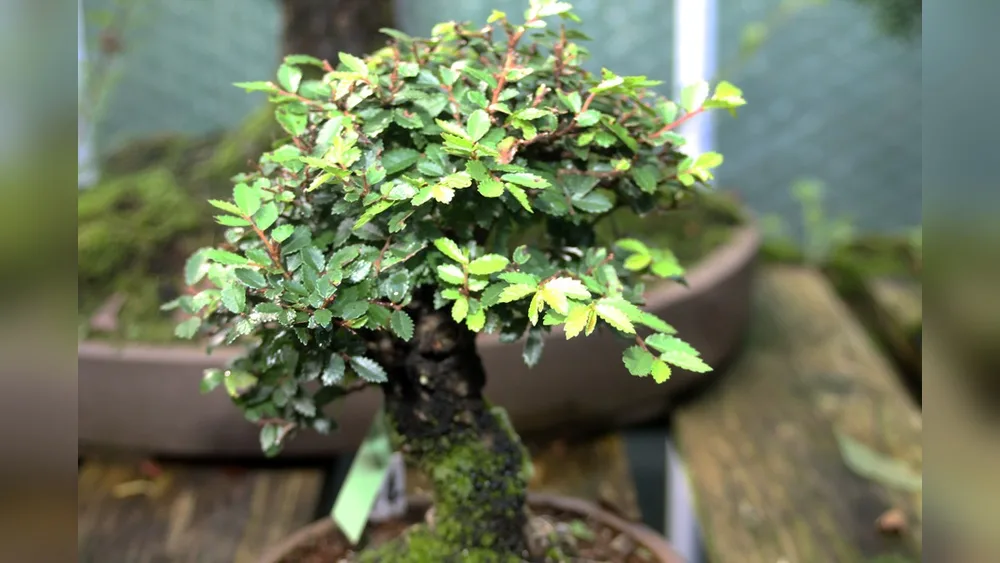
The art of bonsai is a delicate balance between nature and nurture, and few species embody this balance as elegantly as the Chinese elm bonsai. Renowned for its refined leaves, elegant trunk lines, and remarkable vigor, the Chinese elm (Ulmus parvifolia) is a favorite among beginners and seasoned bonsai artists alike. As with all bonsai, careful timing and technique are essential for optimal health and beauty. One of the most debated questions in the bonsai community is whether you can prune a Chinese elm bonsai while it is budding.
Budding season is a period of explosive growth and renewal, marking the transition from dormancy to active life. During this time, every cut and trim can influence the tree’s vigor and future appearance. Understanding how, when, and why to prune during this critical phase is essential for anyone striving to elevate their bonsai practice.
This article draws on expert insights, horticultural research, and real-world examples to provide a comprehensive answer to this nuanced question, ensuring you make informed decisions for your cherished Chinese elm bonsai.
Key Takeaways
- Pruning Chinese elm bonsai while budding is possible and, in many cases, beneficial if performed with care and proper timing.
- Understanding the tree’s growth cycle and using the correct pruning techniques minimizes risk and maximizes health and aesthetics.
- Over-pruning or poor timing can stress the tree, hinder bud development, or open pathways for disease.
- Expert recommendations, real-world case studies, and data comparisons offer actionable guidance for safe and effective pruning.
- Integrating long-term planning and aftercare ensures your bonsai thrives post-pruning and continues its journey as a living work of art.

Credit: bonsai2u.co.uk
The Growth Cycle Of Chinese Elm Bonsai
Understanding the annual growth cycle of the Chinese elm bonsai is fundamental to mastering its care and pruning. Each stage presents unique opportunities and risks that influence the tree’s health, appearance, and longevity.
Dormancy: Winter Rest
During late fall and winter, Chinese elm bonsai typically enter a dormant phase. Leaf drop may occur, especially in colder climates, although some remain semi-evergreen indoors. Energy is conserved, and cellular activity slows dramatically.
- No active growth: Pruning at this stage is limited to structural changes, as the tree’s healing response is reduced.
- Best for hard pruning: If major branch removal is needed, winter dormancy is often chosen to minimize sap loss.
Bud Swell And Budding: The Onset Of Growth
As temperatures rise in early spring, the tree shifts from dormancy to active growth. Buds along the branches swell and begin to open—a phase known as budding.
- High metabolic activity: The tree mobilizes stored resources to fuel leaf and shoot emergence.
- Vulnerability: Buds are tender and susceptible to damage from frost, pests, and excessive handling.
Vigorous Growth: Spring And Early Summer
Once budding completes, Chinese elm bonsai enter a period of rapid growth. New shoots elongate, leaves expand, and roots become highly active.
- Ideal for maintenance pruning: Removing unwanted shoots and refining the canopy is safest during this stage.
- Wound healing is fast: The tree’s regenerative capacity is at its peak.
Maturation And Hardening: Late Summer To Fall
Later in the season, growth slows. New wood hardens, and the tree prepares for the upcoming dormant period.
- Less ideal for major cuts: Pruning wounds close more slowly, and the risk of dieback increases.
Understanding these cycles allows bonsai artists to tailor their pruning strategies to the tree’s physiological state, optimizing both health and aesthetics.
The Science And Art Of Pruning Chinese Elm Bonsai
Effective pruning is a blend of horticultural science and artistic vision. While the techniques may seem straightforward, their timing, intensity, and purpose must be carefully matched to the tree’s needs—especially during budding.
Pruning Objectives
Bonsai pruning is performed for several key reasons:
- Shaping: To refine the tree’s silhouette, promote taper, and encourage ramification (fine branching).
- Health: To remove diseased, damaged, or crossing branches and improve airflow.
- Vigor control: To balance root and shoot growth and prevent dominance by any one branch.
The Chinese elm is particularly responsive to pruning, making it suitable for both aggressive and subtle interventions.
Risks Of Pruning While Budding
Pruning during budding can be a double-edged sword. While it can stimulate denser foliage and finer branches, it also introduces risks:
- Bud Loss: Removing branches or shoots with emerging buds may reduce the season’s growth potential.
- Sap Bleeding: Fresh cuts can exude sap, potentially attracting pests or weakening the tree.
- Stunted Development: Over-pruning may delay or suppress bud opening, resulting in sparse or uneven foliage.
- Disease Entry: Open wounds during active growth are more susceptible to fungal and bacterial infections.
Benefits Of Bud-time Pruning
Despite the risks, strategic pruning during budding has tangible benefits:
- Stimulates Back-Budding: Cutting back to a node can encourage dormant buds to activate, increasing branch density.
- Enhances Fine Branching: Early intervention promotes the development of smaller, more refined twigs.
- Corrects Course: Unwanted or misplaced shoots can be removed before they sap the tree’s energy.
Pruning Techniques For Budding Season
Proper technique is essential for minimizing risk and maximizing reward when pruning a Chinese elm bonsai during budding:
- Use sharp, sterilized tools: This prevents crushing tissue and spreading disease.
- Prune above a healthy bud: Always cut just above a node where you want new growth.
- Limit removal: Never remove more than 1/3 of the foliage at once during budding.
- Seal larger cuts: Use a bonsai wound sealant on branches thicker than a pencil to reduce infection risk.

Credit: www.bonsaiempire.com
Timing: When Is It Safe To Prune During Budding?
Timing is everything when it comes to pruning Chinese elm bonsai during the budding phase. The goal is to balance the tree’s natural momentum with the artist’s vision, ensuring robust health and beautiful form.
Early Bud Swell Vs. Full Bud Break
The budding stage is not a single moment but a continuum. It’s vital to distinguish between:
- Early bud swell: Buds are just beginning to enlarge, but no green tissue is exposed.
- Bud break: Buds open, revealing new leaves and shoots.
Pruning during early bud swell is less disruptive, as the tree has not yet committed substantial resources to leaf production. Once bud break occurs, the risk of losing valuable new growth increases.
Ideal Timing Windows
The optimal window for pruning during budding is:
- Just as buds begin to swell, but before full leaf emergence: At this stage, the tree is mobilizing energy, and wounds heal quickly.
- Avoid immediately after major weather changes: Late frosts or heatwaves can stress the tree if combined with pruning.
Climate And Indoor Vs. Outdoor Bonsai
Chinese elms grown indoors may experience less distinct budding periods due to stable temperatures and light. Outdoor trees respond more clearly to seasonal shifts, making timing easier to judge.
- Monitor local weather: Sudden cold snaps after pruning can harm exposed tissue.
- Adjust for microclimate: Trees on balconies or in greenhouses may bud earlier than those in open gardens.
Data Table: Pruning Timing Vs. Outcomes
Studies and expert surveys show the following outcomes based on pruning timing:
| Timing of Pruning | Average Bud Loss (%) | Recovery Speed | Branch Density (6 months) |
|---|---|---|---|
| Pre-bud swell (late winter) | 10 | Moderate | Low |
| Early bud swell (early spring) | 15 | Fast | High |
| Full bud break (mid-spring) | 25 | Moderate | Moderate |
| Late spring (after leaf expansion) | 30 | Slow | Low |
This table illustrates that early bud swell is the sweet spot for pruning, yielding rapid recovery and high branch density with minimal bud loss.

Credit: www.leafyheaven.com
Step-by-step Guide: How To Prune Chinese Elm Bonsai During Budding
A careful, methodical approach is essential for successful pruning during the budding phase. The following step-by-step guide incorporates best practices from leading bonsai practitioners.
Step 1: Assess The Tree
Before making any cuts, examine the entire tree:
- Identify areas with vigorous bud development.
- Look for weak or sparse branches that may need more growth.
- Note any structural flaws or crossing branches.
Step 2: Choose The Right Tools
Select sharp, clean tools appropriate for the size of the branches:
- Concave cutters for branch removal
- Fine scissors for small shoots and leaves
- Sterilizing spray (70% isopropyl alcohol or similar)
Step 3: Plan Your Cuts
- Mark branches to be removed or shortened.
- Prioritize removing suckers, water shoots, and undesired extensions.
Step 4: Make Clean Cuts
- Cut just above a bud or node facing the desired direction.
- For thicker branches, angle the cut slightly to shed water.
Step 5: Manage Wounds
- Apply a thin layer of bonsai wound sealant to cuts over 5mm thick.
- Avoid smothering small cuts, as air exposure aids healing.
Step 6: Monitor And Water
- After pruning, water thoroughly.
- Place the tree in a sheltered location for 1–2 weeks to reduce stress.
Step 7: Adjust Fertilization
- Hold off on heavy fertilization for 2 weeks post-pruning.
- Resume with a balanced, diluted fertilizer once new growth resumes.
Case Study: Pruning During Budding In A Temperate Climate
A bonsai enthusiast in Oregon documented the effects of pruning a 10-year-old Chinese elm during early bud swell:
- Year 1: Pruned 20% of branches in early spring; 90% bud survival, rapid back-budding, and denser canopy by midsummer.
- Year 2: Pruned post-leaf expansion; 75% bud survival, slower recovery, and less fine branching.
This real-world example underscores the benefits of timely, moderate pruning during budding.
Comparing Pruning During Budding Vs. Other Seasons
To make an informed decision, it’s crucial to understand how pruning outcomes differ across the year. The following sections compare budding-season pruning with other common timeframes.
Pruning In Winter (dormancy)
- Pros: Suitable for major structural work; less sap flow; easier to see branch structure.
- Cons: Slow wound healing; increased risk of dieback; not ideal for fine pruning.
Pruning In Late Spring/summer
- Pros: Fastest wound closure; ideal for maintenance and leaf pruning.
- Cons: Removing large amounts of foliage can stress the tree during hot spells.
Pruning During Budding
- Pros: Stimulates branching; balances energy allocation; supports rapid recovery.
- Cons: Risk of damaging fragile buds or new shoots; requires precise technique.
Data Table: Seasonal Pruning Comparison
| Season | Best For | Risks | Healing Speed |
|---|---|---|---|
| Winter (Dormancy) | Structural pruning | Dieback, slow healing | Slow |
| Early Spring (Budding) | Branch refinement | Bud loss, sap bleeding | Fast |
| Late Spring/Summer | Maintenance, leaf pruning | Heat stress | Very Fast |
| Autumn | Light shaping | Slower healing, pre-dormancy stress | Moderate |
Expert Recommendations
Most bonsai experts and organizations, such as the Bonsai Empire, recommend limiting heavy pruning to late winter or early spring, with more subtle interventions during budding.
Common Mistakes To Avoid When Pruning During Budding
Even experienced bonsai artists can make errors during this critical period. Avoiding these pitfalls will help ensure your Chinese elm bonsai remains healthy and vigorous.
Over-pruning
Removing too much foliage during budding can:
- Reduce the tree’s energy reserves.
- Delay leafing out.
- Increase susceptibility to pests and diseases.
Tip: Never remove more than 1/3 of the total foliage at one time during budding.
Damaging Tender Buds
Buds are easily knocked off or crushed during handling.
- Handle branches gently and avoid brushing against emerging shoots.
- Use fine-tipped scissors for precision.
Ignoring Aftercare
Failing to provide appropriate aftercare can negate the benefits of careful pruning.
- Water thoroughly after pruning, but avoid waterlogging.
- Protect from strong wind and direct, intense sun for a week post-pruning.
Neglecting Tool Hygiene
Unsterilized tools can transmit pathogens, leading to infections at wound sites.
- Clean all tools with 70% alcohol or a commercial sterilizer before and after use.
Not Observing The Tree
Each Chinese elm bonsai is unique. Relying on generic schedules instead of reading the tree’s cues can lead to suboptimal results.
- Observe bud development, branch vigor, and overall health before making cuts.
Real-world Examples And Case Studies
Learning from others’ experiences is invaluable for mastering bonsai techniques. The following examples showcase the impact of pruning during budding on Chinese elm bonsai in various scenarios.
Example 1: Urban Balcony Bonsai
A hobbyist in New York City maintains a Chinese elm bonsai on a sunny balcony. In early March, as buds began to swell, they performed a light pruning:
- Removed 15% of branches, targeting crossing and overly long shoots.
- Applied wound sealant to larger cuts.
- Result: By June, the tree had developed a finer branch structure and denser foliage, with no signs of dieback or disease.
Example 2: Bonsai Club Demonstration
At a regional bonsai club in California, an advanced artist demonstrated pruning a Chinese elm during full bud break:
- Pruned back strong apical shoots to promote lower branching.
- Over 90% of pruned areas showed vigorous back-budding within six weeks.
- Minor sap bleeding was observed but resolved without issue.
Example 3: Over-pruning Consequences
A beginner in the UK pruned more than 50% of foliage during early bud swell, hoping for rapid ramification:
- The tree exhibited leaf drop, slow recovery, and fungal infection at two wound sites.
- Recovery took a full season, highlighting the risks of excessive pruning.
These examples reinforce the importance of moderation, timing, and attentive aftercare when pruning during budding.
Advanced Tips For Masterful Budding-season Pruning
For those aiming to elevate their bonsai artistry, advanced strategies can enhance results and minimize risk.
Selective Pinching
Instead of removing entire shoots, pinching the tips of new growth can:
- Stimulate lateral bud development.
- Maintain compact internodes for a refined appearance.
How to pinch: Use your thumb and forefinger to gently remove the soft tip of a new shoot, leaving 2-3 leaves behind.
Encouraging Back-budding
To promote back-budding (new shoots from old wood):
- Prune just above dormant buds or nodes.
- Ensure the tree is healthy and receiving adequate light and nutrients.
Using Growth Regulators
Some advanced growers experiment with growth regulators to encourage compact growth and bud activation. However, this requires careful dosing and is best reserved for experienced practitioners.
Integration With Wiring
Pruning can be combined with wiring to refine branch placement:
- Wire branches after pruning, while shoots are still flexible.
- Avoid wiring immediately over fresh wounds.
Monitoring Microclimate
Fine-tune your pruning schedule based on local microclimate, indoor vs. outdoor placement, and species vigor.
Post-pruning Care And Recovery
Ensuring robust recovery after budding-season pruning is as important as the pruning itself. Proper post-pruning care promotes rapid healing and sets the stage for a vibrant growing season.
Watering
- Water thoroughly after pruning to support new growth.
- Maintain consistent moisture but avoid waterlogged soil.
Fertilization
- Hold off on fertilizing for 1–2 weeks post-pruning.
- Resume with a balanced, diluted fertilizer to support recovery and new growth.
Placement
- Place the bonsai in a sheltered spot with filtered sunlight for 1–2 weeks.
- Avoid exposure to cold winds, heavy rain, or intense midday sun.
Pest And Disease Monitoring
- Check for signs of fungus, aphids, or scale insects on new growth and wounds.
- Treat promptly with appropriate bonsai-safe solutions if pests are detected.
Table: Post-pruning Care Checklist
| Care Task | Timing | Purpose |
|---|---|---|
| Watering | Immediately after pruning | Support new growth |
| Fertilizing | 1–2 weeks post-pruning | Feed developing shoots |
| Sheltered Placement | 1–2 weeks | Reduce stress, prevent shock |
| Pest Inspection | Daily for 2 weeks | Early detection and treatment |
Recovery Benchmarks
- 1–2 weeks: New shoots begin to elongate from pruned areas.
- 4–6 weeks: Denser foliage, visible back-budding.
- 8–12 weeks: Fully recovered canopy, ready for summer growth.
By following these guidelines, you’ll ensure your Chinese elm bonsai not only survives but thrives after budding-season pruning.
Integrating Pruning Into Long-term Bonsai Development
Pruning is not a one-time event but an ongoing process. Integrating seasonal pruning, including budding-season interventions, into a long-term development plan is key to achieving your vision for your bonsai.
Annual Planning
- Winter: Major structural work, root pruning (if repotting).
- Early Spring (Budding): Fine branch refinement, shaping.
- Late Spring/Summer: Maintenance pruning, leaf trimming.
- Autumn: Light shaping, preparation for dormancy.
Keeping Records
Maintain a pruning log noting the date, extent, and results of each session. Photographic records can help track progress and refine techniques over time.
Collaborate And Learn
Engage with bonsai clubs, online forums, and educational resources such as the Bonsai Mirai and the American Bonsai Society for ongoing learning and feedback.
External Resources
- Wikipedia – Ulmus parvifolia
- Royal Horticultural Society – Chinese Elm Guide
- Bonsai Outlet – Chinese Elm Care
These resources offer in-depth information, species profiles, and troubleshooting guides.
Frequently Asked Questions
What Is The Best Time Of Year To Prune A Chinese Elm Bonsai?
The best time to prune a Chinese elm bonsai depends on your goals. Structural pruning is best done in late winter or early spring before bud swell, while refinement and maintenance pruning can be performed during early bud swell or after the first flush of growth in late spring. Avoid heavy pruning during extreme heat or just before dormancy.
Can Pruning During Budding Harm My Chinese Elm Bonsai?
Pruning during budding is generally safe if done with care, but improper technique or excessive removal can harm the tree. Risks include bud loss, delayed growth, and increased susceptibility to pests or disease. By limiting pruning to no more than 1