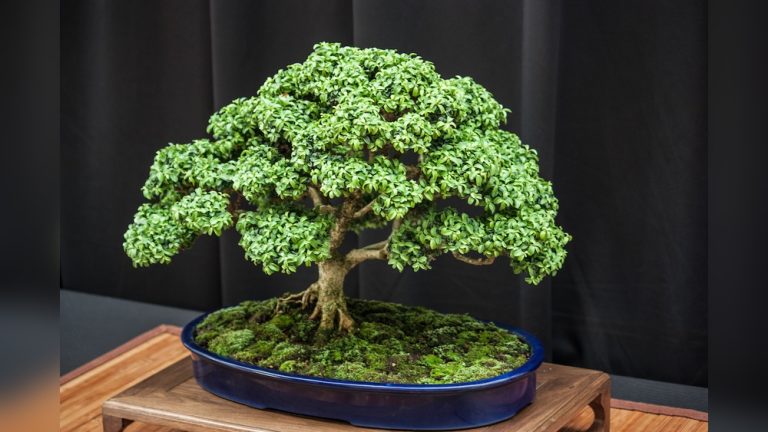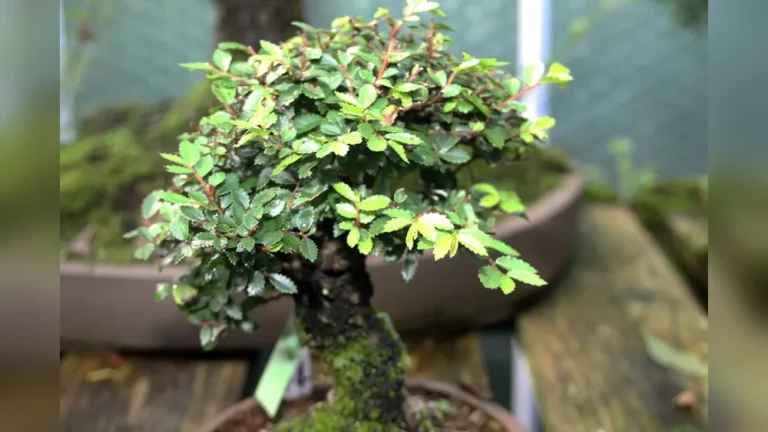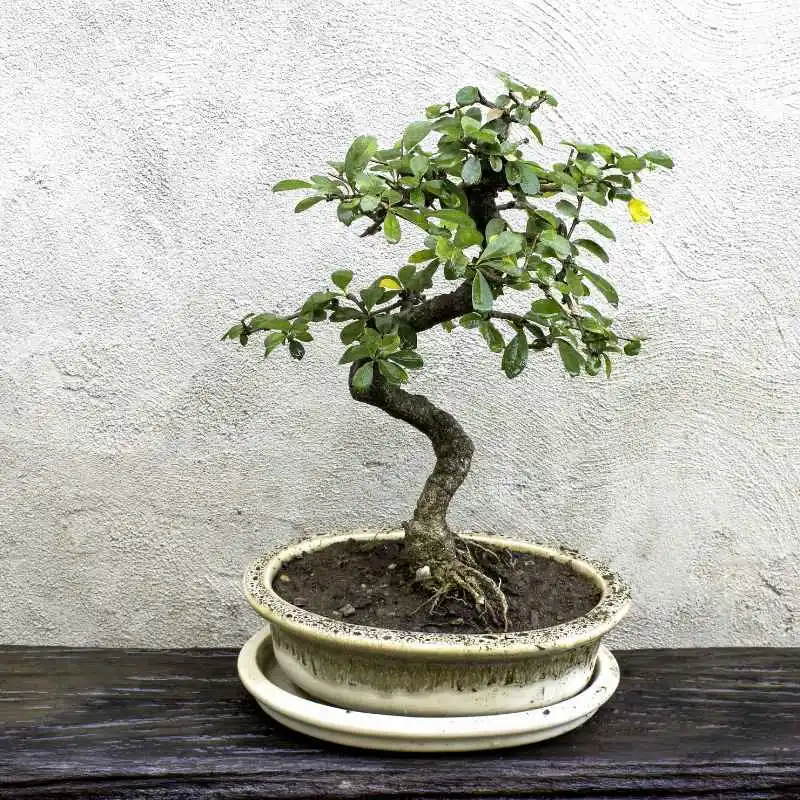
How to Fertilize a Fukien Tea Bonsai the Right Way
Fertilizing a Fukien Tea Bonsai correctly is one of the most important steps to keep your tree healthy and thriving indoors. This guide covers exactly what fertilizer to use, when to apply it, and how to avoid common mistakes that can harm your bonsai.

indoorbonsaiandexotics
Fukien Tea 10" Bonsai Tree
- 12YRS OLD
- APPROXIMATELY 10-12 INCHES TALL
- FLOWERS AND BERRIES
As an Amazon Associate I earn from qualifying purchases.
For another bonsai-specific follow-up, How To Grow Bonsai Trees From Seed Like A Pro Gardener gives readers a related care or selection angle.
For another bonsai-specific follow-up, What Bonsai Activities Should You Be Doing Right Now? gives readers a related care or selection angle.
For another bonsai-specific follow-up, How Much Sunlight Does a Fukien Tea Bonsai Tree Need Daily? gives readers a related care or selection angle.
Simply put, water your Fukien Tea Bonsai with a diluted liquid fertilizer every two weeks during the growing season (spring through fall) and stop fertilizing in winter. Use a balanced formula like 10-10-10 or a bonsai-specific fertilizer at half strength to avoid root burn.
Key Takeaways
- Fertilize a Fukien Tea Bonsai every two weeks during spring, summer, and fall with a balanced liquid fertilizer.
- Always dilute fertilizer to half strength to prevent root damage and leaf burn.
- Fukien Tea Bonsai needs less nitrogen in winter — stop all fertilizing during dormancy.
- Use a bonsai-specific fertilizer or a general 10-10-10 formula for best results.
- Water the soil before fertilizing to protect the roots and improve nutrient uptake.
What You Need to Fertilize a Fukien Tea Bonsai
Before you start, gather the right supplies. Using the wrong tools or products can lead to poor growth or even kill your tree. Here is everything you need to fertilize a Fukien Tea Bonsai the right way.
Fukien Tea Bonsai are sensitive to overfeeding. They respond best to gentle, consistent nutrition. The right equipment makes the process simple and safe.
- Liquid fertilizer — balanced formula like 10-10-10 or bonsai-specific blend
- Measuring dropper or syringe — for accurate dilution to half strength
- Watering can with fine nozzle — to apply evenly without disturbing soil
- pH testing kit — Fukien Tea prefers slightly acidic soil (pH 5.5–6.5)
- Small bowl or container — for mixing fertilizer with water
- Gloves — to protect your hands from chemical burns
- Notebook or app — to track fertilization dates and plant response
| Item | Purpose | Recommendation |
|---|---|---|
| Liquid fertilizer | Provides essential nutrients | 10-10-10 or 5-5-5 bonsai formula |
| Measuring tool | Ensures correct dilution | Dropper or 1ml syringe |
| Watering can | Applies fertilizer evenly | Fine nozzle, 500ml capacity |
| pH kit | Monitors soil acidity | Digital meter or test strips |
Having these items ready before you start makes the process smooth and reduces the risk of mistakes. Store your fertilizer in a cool, dry place away from direct sunlight to maintain its potency.
How to Choose the Best Fertilizer for Fukien Tea Bonsai
Choosing the right fertilizer is the foundation of healthy growth. Fukien Tea Bonsai has specific needs that differ from other houseplants or outdoor trees. A balanced fertilizer with equal parts nitrogen, phosphorus, and potassium works best.
Nitrogen supports leaf and stem growth. Phosphorus promotes root development and flowering. Potassium boosts overall plant health and disease resistance.
A 10-10-10 or 5-5-5 formula provides these in the right proportions for a Fukien Tea Bonsai.
- Liquid fertilizer — absorbs quickly and allows precise control over dosage
- Slow-release pellets — convenient but harder to adjust if the tree shows stress
- Organic options — fish emulsion or seaweed extract, gentle but can be smelly indoors
- Bonsai-specific formulas — pre-balanced for small trees, often micronutrient-rich
- Granular fertilizer — not recommended for bonsai due to uneven distribution
Tip: Always choose a liquid fertilizer over solids for Fukien Tea Bonsai. Liquids give you full control over strength and application timing, which is critical for this sensitive species.
Micronutrients matter too. Fukien Tea Bonsai benefits from iron, magnesium, and calcium. Many bonsai-specific fertilizers include these.
If you use a general formula, consider adding a supplemental micronutrient spray every four to six weeks during the growing season.
| Fertilizer Type | Pros | Cons | Best For |
|---|---|---|---|
| Liquid 10-10-10 | Fast absorption, easy to dilute | Requires frequent application | Active growing season |
| Bonsai liquid (5-5-5) | Gentle, includes micronutrients | Higher cost per use | Sensitive or young trees |
| Organic fish emulsion | Natural, gentle on roots | Strong odor, short shelf life | Outdoor bonsai or well-ventilated areas |
The best choice depends on your experience level and your tree’s current health. Beginners should stick with a bonsai-specific liquid fertilizer at half strength. Advanced growers can adjust ratios based on the tree’s growth stage and seasonal needs.
Step 1: When to Fertilize Your Fukien Tea Bonsai
Timing is everything. Fertilizing at the wrong time can stress the tree or cause nutrient burn. Fukien Tea Bonsai follows a clear seasonal cycle that dictates when to feed and when to stop.
The active growing season runs from early spring to late fall. During this time, the tree produces new leaves, flowers, and sometimes small berries. It needs regular nutrition to support this growth.
Winter is a rest period. The tree slows down and should not receive fertilizer.
- Spring (March–May) — Start fertilizing when you see new buds forming. Use half-strength fertilizer every two weeks.
- Summer (June–August) — Continue the same schedule. Increase to full strength if the tree is growing vigorously and temperatures are moderate.
- Fall (September–November) — Gradually reduce frequency to every three weeks as growth slows.
- Winter (December–February) — Stop all fertilizing. The tree is dormant and cannot absorb nutrients efficiently.
Important: Fukien Tea Bonsai grown indoors under grow lights may have a slightly different schedule. If your tree shows active growth year-round, you can fertilize lightly every four weeks even in winter, but only if new leaves are appearing.
Temperature also affects timing. Do not fertilize if indoor temperatures drop below 60°F (15°C) or rise above 85°F (29°C). Extreme temperatures slow nutrient uptake and increase the risk of root burn.
Wait for stable conditions before feeding.
A good rule of thumb is to watch the leaves. If you see pale green or yellowing new growth, the tree likely needs fertilizer. If the leaves are dark green and the tree is growing well, you are on the right track.
Adjust timing based on visual cues, not just the calendar.
Step 2: How to Apply Fertilizer Correctly
Application method matters as much as the fertilizer itself. Pouring undiluted fertilizer onto dry soil can burn the roots and kill the tree. Follow these steps to apply safely and effectively.
Always water your bonsai thoroughly one hour before fertilizing. Moist soil protects the roots from chemical shock and helps distribute nutrients evenly. Never apply fertilizer to dry soil.
- Water the soil — Use plain water until it drains from the bottom. Wait one hour.
- Mix fertilizer — Dilute to half the recommended strength. For a 10-10-10 liquid, use 1ml per liter of water instead of 2ml.
- Apply slowly — Pour the mixture evenly over the soil surface. Avoid getting it on the leaves or trunk.
- Let it drain — Allow excess solution to flow out of the drainage holes. Do not let the pot sit in runoff.
- Wipe the pot — Clean any fertilizer residue from the pot rim and leaves with a damp cloth.
Warning: Never apply fertilizer to a Fukien Tea Bonsai that is wilting or stressed from repotting, pests, or disease. Wait at least two weeks after the tree recovers before resuming fertilization.
For granular or slow-release fertilizers, place the pellets on the soil surface near the edge of the pot. Do not bury them. Water immediately to activate the nutrients.
However, for Fukien Tea Bonsai, liquid fertilizers are strongly preferred because they offer more control and reduce the risk of salt buildup.
After fertilizing, monitor the tree for the next 24 to 48 hours. If you see leaf tip burn, yellowing, or drooping, flush the soil with plain water immediately. This dilutes the remaining fertilizer and prevents further damage.
Step 3: How Often to Fertilize for Optimal Growth
Frequency depends on the season, the tree’s age, and its growth rate. A young, actively growing Fukien Tea Bonsai needs more frequent feeding than an older, established tree. The key is consistency without overdoing it.
During the growing season, every two weeks is the standard schedule. This provides a steady supply of nutrients without overwhelming the roots. If you use a very dilute solution (quarter strength), you can fertilize weekly.
- Young trees (under 3 years) — Fertilize every 10–14 days during growing season. They need more nitrogen for branch and leaf development.
- Mature trees (3+ years) — Fertilize every 14–21 days. Focus on phosphorus and potassium to support flowers and overall health.
- Recently repotted trees — Wait 4–6 weeks after repotting before fertilizing. The roots need time to recover.
- Flowering stage — Reduce nitrogen slightly and boost phosphorus to encourage more blooms.
- Dormant period — No fertilizer at all. Resume in spring when new buds appear.
| Tree Stage | Frequency | Fertilizer Strength | Notes |
|---|---|---|---|
| Young (under 3 yrs) | Every 10–14 days | Half strength | Focus on nitrogen-rich formula |
| Mature (3+ yrs) | Every 14–21 days | Half to full strength | Shift to balanced formula |
| After repotting | Wait 4–6 weeks | Quarter strength to start | Use root stimulator instead |
| Flowering | Every 14 days | Half strength, high phosphorus | Reduce nitrogen for more blooms |
| Dormant (winter) | None | N/A | Stop completely until spring |
Keep a simple log of when you fertilize and how the tree responds. If you notice leaf drop or stunted growth, cut back on frequency or strength. Every tree is slightly different, and your Fukien Tea Bonsai will tell you what it needs through its leaves and growth patterns.
Common Mistakes When Fertilizing Fukien Tea Bonsai
Even experienced bonsai growers make mistakes with fertilization. Fukien Tea Bonsai is particularly sensitive to overfeeding and improper timing. Recognizing these common errors can save your tree from unnecessary stress.
Over-fertilization is the number one killer of indoor bonsai. The roots of a Fukien Tea Bonsai are delicate and cannot handle high concentrations of salts. Symptoms include leaf tip burn, yellowing lower leaves, and a white crust on the soil surface.
- Fertilizing dry soil — Causes root burn and rapid nutrient uptake that shocks the tree.
- Using full strength — Always dilute to at least half strength. Full strength is too strong for bonsai pots.
- Fertilizing in winter — The tree cannot absorb nutrients during dormancy, leading to salt buildup.
- Ignoring leaf signals — Yellow leaves can mean both under-fertilization and over-fertilization. Know the difference.
- Applying to wet leaves — Fertilizer on leaves can cause burn spots and fungal issues.
- Skipping water flushing — Salts accumulate over time. Flush the soil with plain water every 4–6 weeks.
- Using the wrong NPK ratio — Too much nitrogen causes weak, leggy growth. Too little phosphorus reduces flowering.
Warning: If you see a white crust on the soil or pot rim, your tree has salt buildup. Stop fertilizing immediately and flush the soil with three times the pot volume of plain water. Wait two weeks before resuming at half the previous strength.
Another common mistake is assuming more fertilizer equals more growth. In reality, Fukien Tea Bonsai grows best with moderate, consistent feeding. Overfeeding leads to soft, succulent growth that attracts pests like aphids and scale.
Stick to the schedule and let the tree set its own pace.
Finally, do not forget to adjust for your water quality. Hard water with high calcium can interfere with nutrient absorption. If you use tap water, let it sit out for 24 hours before mixing with fertilizer.
Filtered or distilled water is even better for sensitive bonsai.
How to Adjust Fertilization by Season
Seasonal adjustment is critical for Fukien Tea Bonsai. Unlike many houseplants, this tree has a distinct growth cycle that responds to light and temperature changes. Matching your fertilization to the season keeps the tree balanced and healthy.
In spring, the tree wakes up and needs a gentle boost. Use a balanced fertilizer at half strength to encourage new root growth and leaf development. As daylight increases, you can gradually increase frequency.
- Spring — Half strength, every two weeks. Focus on balanced NPK with slightly higher nitrogen for new growth.
- Summer — Half to full strength, every two weeks. Increase phosphorus for flower production. Watch for heat stress.
- Fall — Half strength, every three weeks. Reduce nitrogen to slow growth and prepare for dormancy.
- Winter — No fertilizer. Reduce watering and keep the tree in a cool, bright location.
Tip: In fall, switch to a low-nitrogen formula like 5-10-10. This helps the tree harden off its growth and store energy for the winter rest period.
If you keep your Fukien Tea Bonsai under artificial grow lights, you can extend the growing season slightly. However, the tree still benefits from a rest period. Give it at least six to eight weeks of reduced feeding and shorter light cycles each year to mimic natural conditions.
Humidity also plays a role. In dry indoor air, the tree transpires more and may need slightly more frequent watering. Adjust your fertilization schedule accordingly — if you water more often, nutrients leach out faster, so maintain the every-two-week schedule consistently.
Signs Your Fukien Tea Bonsai Needs More or Less Fertilizer
Your tree communicates its needs through visual cues. Learning to read these signs helps you fine-tune your fertilization routine. A healthy Fukien Tea Bonsai has glossy, dark green leaves and produces small white flowers regularly.
Under-fertilization shows up as pale green or yellow leaves, slow growth, and few or no flowers. The leaves may be smaller than normal, and the overall appearance looks weak. If you see these signs during the growing season, increase frequency or strength slightly.
- Pale green leaves — Likely needs more nitrogen. Increase fertilizer slightly.
- Yellow lower leaves — Could be nitrogen deficiency or overwatering. Check soil moisture first.
- Leaf tip burn — Over-fertilization or salt buildup. Flush soil and reduce strength.
- No flowers — Too much nitrogen or insufficient light. Adjust fertilizer ratio and check light exposure.
- Slow growth — May need more phosphorus. Switch to a bloom-boosting formula.
- Leaf drop — Stress from over-fertilization, temperature shock, or pests. Stop fertilizing and diagnose the cause.
Important: Always rule out other causes first. Yellow leaves can also mean too much water, not enough light, or a pest infestation. Check the soil moisture and inspect the leaves for insects before changing your fertilizer routine.
If you are unsure whether the problem is under-fertilization or over-fertilization, stop feeding for two weeks and observe. A tree that improves with a break was likely over-fed. A tree that continues to decline probably needs more nutrition.
This simple test prevents guesswork and protects your bonsai from further stress.
Keeping a photo log once a month helps you track changes over time. Compare leaf color, size, and overall density. With practice, you will be able to spot nutrient issues before they become serious problems.

Frequently Asked Questions
Can I use regular houseplant fertilizer on my Fukien Tea Bonsai?
Yes, but dilute it to half the recommended strength. Fukien Tea Bonsai is more sensitive than most houseplants. A general 10-10-10 liquid fertilizer works well if you cut the dosage in half.
Bonsai-specific formulas are gentler and include micronutrients, but standard fertilizers are fine with proper dilution.
How do I know if I am over-fertilizing my Fukien Tea Bonsai?
Look for leaf tip burn, yellowing lower leaves, slowed growth, and a white crust on the soil surface. If you see any of these signs, stop fertilizing and flush the soil with plain water. Wait two weeks before resuming at half the previous strength.
Over-fertilization is more common than under-fertilization with this species.
Should I fertilize my Fukien Tea Bonsai right after repotting?
No. Wait at least four to six weeks after repotting before applying any fertilizer. The roots need time to recover and establish in fresh soil.
Repotting stresses the tree, and adding fertilizer too soon can burn the delicate new roots. Use plain water only during the recovery period.
What is the best NPK ratio for flowering in Fukien Tea Bonsai?
A ratio with higher phosphorus and lower nitrogen works best, such as 5-10-10 or 5-15-5. Phosphorus encourages flower bud formation. Reduce nitrogen during the flowering period to prevent the tree from putting energy into leaves instead of blooms.
Start this ratio in early spring as buds form.
Can I fertilize my Fukien Tea Bonsai in winter if it is indoors?
Only if the tree is actively growing under strong grow lights. Most indoor Fukien Tea Bonsai still benefit from a winter rest. If you see new leaves appearing in winter, you can fertilize lightly at quarter strength once a month.
Otherwise, stop completely until spring to avoid salt buildup and root stress.
Final Thoughts
Fertilizing a Fukien Tea Bonsai does not have to be complicated. Stick to a balanced liquid fertilizer at half strength every two weeks during the growing season, and stop completely in winter. Watch your tree’s leaves for signs of stress and adjust as needed.
With consistent care and a little attention, your Fukien Tea Bonsai will reward you with vigorous growth and beautiful blooms year after year.
Related pick: Check today's price on Amazon