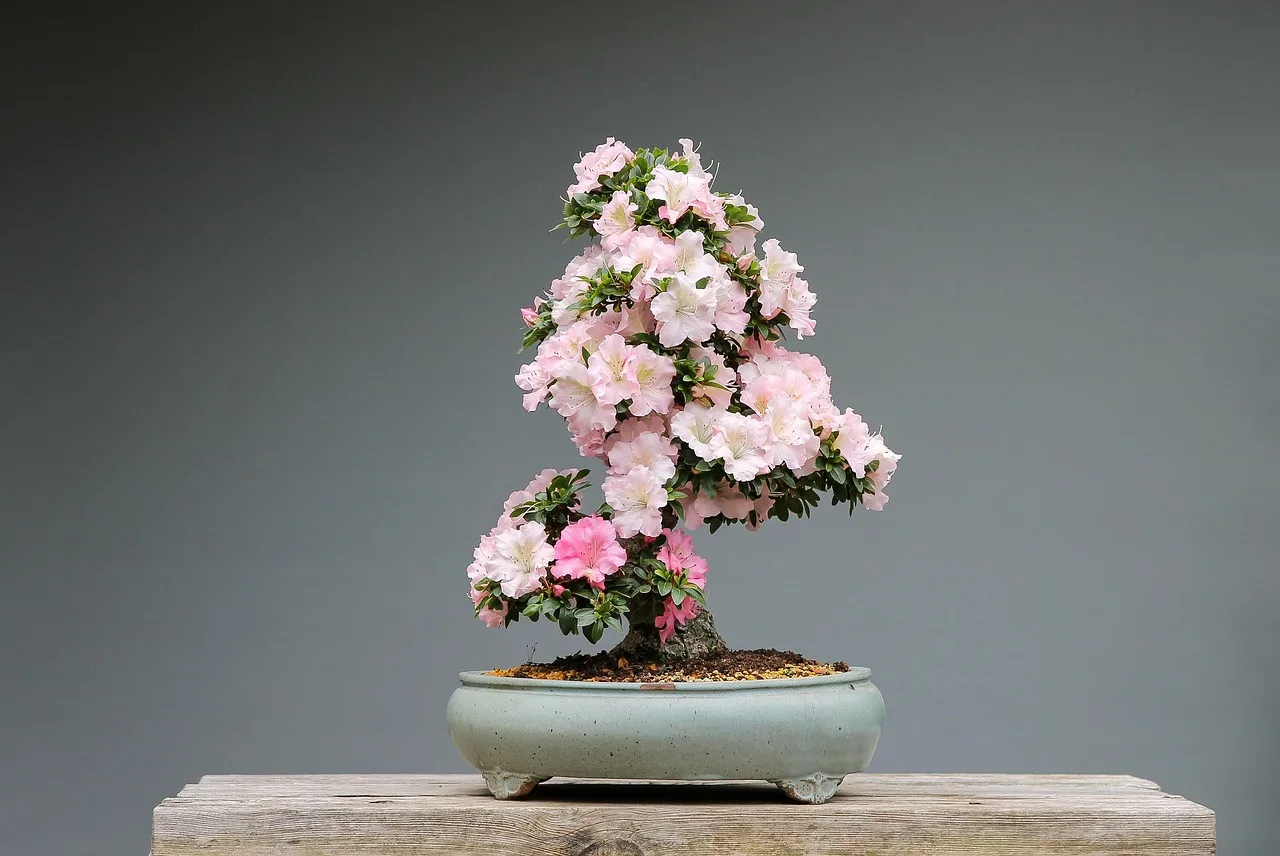
How to Keep a Bonsai Alive in a Heated Home
Keep a bonsai alive in a heated home by giving it bright light, keeping humidity around 40% to 60%, and watering when the top layer starts to dry, not on a fixed schedule. Dry heat can cause leaf drop, stalled growth, and root damage fast. This guide covers light placement, humidity control, watering checks, and winter adjustments for indoor bonsai.
Why heated rooms hurt bonsai


Heated rooms can dry bonsai out faster than many owners expect. Warm air from radiators, vents, fireplaces, and air conditioners pulls moisture from the soil surface and foliage, while small pots hold very little reserve water. That means the tree can move from “fine” to stressed in a short window.
Indoor bonsai also sit in a narrow buffer between wet and dry. The pot is small, the root zone is limited, and room heat swings can change evaporation overnight. A tree that was stable yesterday can dry back hard today if it sits beside a heat source.
Why small pots fail faster indoors
Small pots limit both water and nutrients. They also warm and cool faster than larger containers, which makes root moisture less stable in heated rooms. That is why indoor bonsai need closer checking than ordinary houseplants and why a missed watering can show up quickly as leaf drop or crispy tips.
Which bonsai can stay indoors?
Tropical or subtropical bonsai are often the better choice for indoor growing, because many temperate species need outdoor dormancy and may decline over time indoors. Ficus, jade, and schefflera are the main indoor options. Ficus is the most forgiving choice for many heated homes.
Best indoor species for heated homes
Ficus handles indoor light and humidity swings better than many trees, which is why it is often the safest starting point. Jade stores water in its leaves, so it tolerates missed watering better than thinner-leaved species. Schefflera can also work indoors if light is strong and the air is not too dry.
Why temperate trees need dormancy outdoors
Maples, pines, junipers, and other temperate bonsai need a cold season outdoors to stay healthy over time. A warm room removes that dormancy signal. The tree may hold leaves for a while, then weaken, drop foliage, or lose vigor because the seasonal cycle is wrong.
How species choice changes your care plan
Species choice determines how much heat, dryness, and low light the tree can tolerate. A ficus in a bright living room can cope with minor winter stress. A temperate tree in the same room is far more likely to fail. Start with the tree you can match to the room, not the tree you prefer visually.
Place the tree for light and heat
Put indoor bonsai in a very bright spot, and for many common indoor species that can include several hours of direct sun indoors. A south-facing or west-facing window is usually the best starting point. If winter light is weak, use a grow light as backup.
Best windows and minimum light targets
A south-facing window usually gives the strongest winter light, with west-facing windows as the next best option in many homes. If the canopy is stretching, leaning, or dropping lower leaves, the tree may need more light. Bright light is the target, not a dark room corner.
For many indoor bonsai, several hours of strong window light daily is the minimum useful target. If window light falls short, a full-spectrum LED grow light can usually be positioned according to the fixture’s strength and run for about 10–12 hours a day.
How far to keep it from radiators and vents
Keep the tree away from radiators, forced-air vents, fireplaces, and air conditioners. Even a few feet can matter if hot or dry air blows directly across the canopy. Stable room temperatures are safer than constant hot-cold swings.
Suppose a ficus sits 18 inches from a heating vent on the floor. The top of the soil may dry every day while the lower root ball stays unevenly wet. Move it farther from the vent and the watering cycle becomes easier to control.
When to add a grow light
Add a grow light when the window is too dim, the day length is short, or the tree is far from the glass. Weak winter light is one of the main reasons indoor bonsai stall. A supplemental light is often better than moving the tree into a warmer but darker spot.
How much humidity does a bonsai need?
Indoor bonsai need more humidity than most heated rooms provide. Aim for roughly 40% to 60% humidity for indoor bonsai, if possible. A humidity tray, grouping plants, or a room humidifier can help, but each works differently and none fixes bad light or bad watering on its own.
What a humidity tray can do
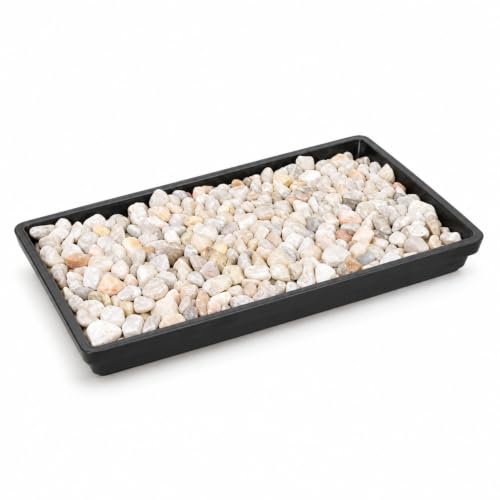
A humidity tray uses pebbles and a little water below the pebble tops. The pot sits above the water line, so the roots do not stand in water. This can add a modest amount of local moisture around the tree.
A tray helps most when the room air is only moderately dry. It is not a cure for blasting heat. If the room is extremely dry, a room humidifier usually does more than a shallow pebble tray.
When misting helps and when it does not
Daily misting can give a brief surface moisture boost, but it fades quickly. It may help a little in dry rooms, yet it does not replace steady humidity or proper watering. Use it as a small support, not the main control.
Why kitchens and bathrooms can work
Kitchens and bathrooms often hold more moisture than other rooms, so they can suit indoor bonsai if the light is strong enough. A bright bathroom window or a light-filled kitchen shelf can be a better winter position than a dry bedroom next to a heat register.
Watering and soil rules
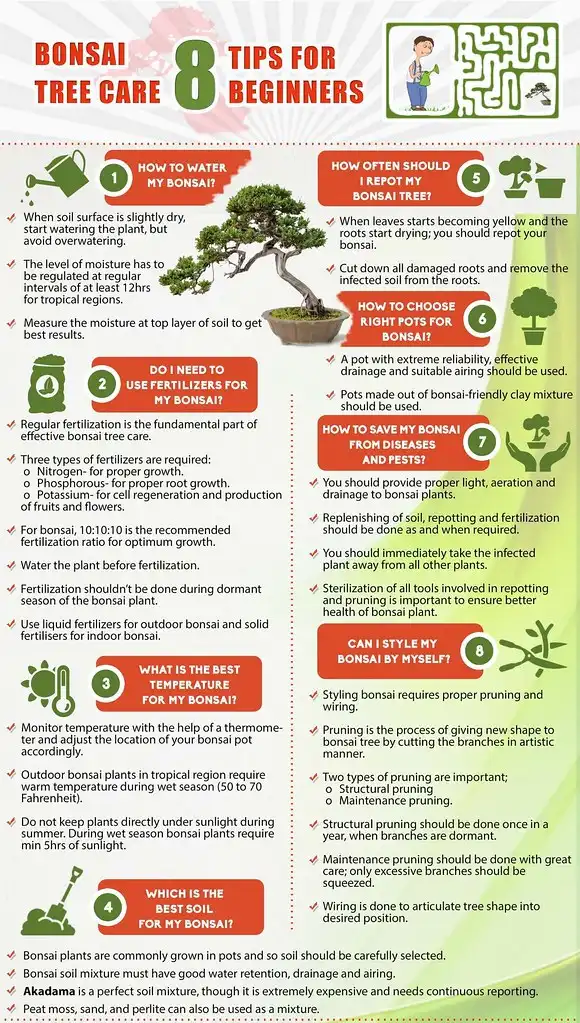
Check the soil daily. Water when the top layer feels dry, not on a calendar. The pot must have drainage holes, and standing water should be emptied after watering. Fast-draining bonsai soil matters because standard potting soil holds too much water for small bonsai pots.
How to check moisture every day
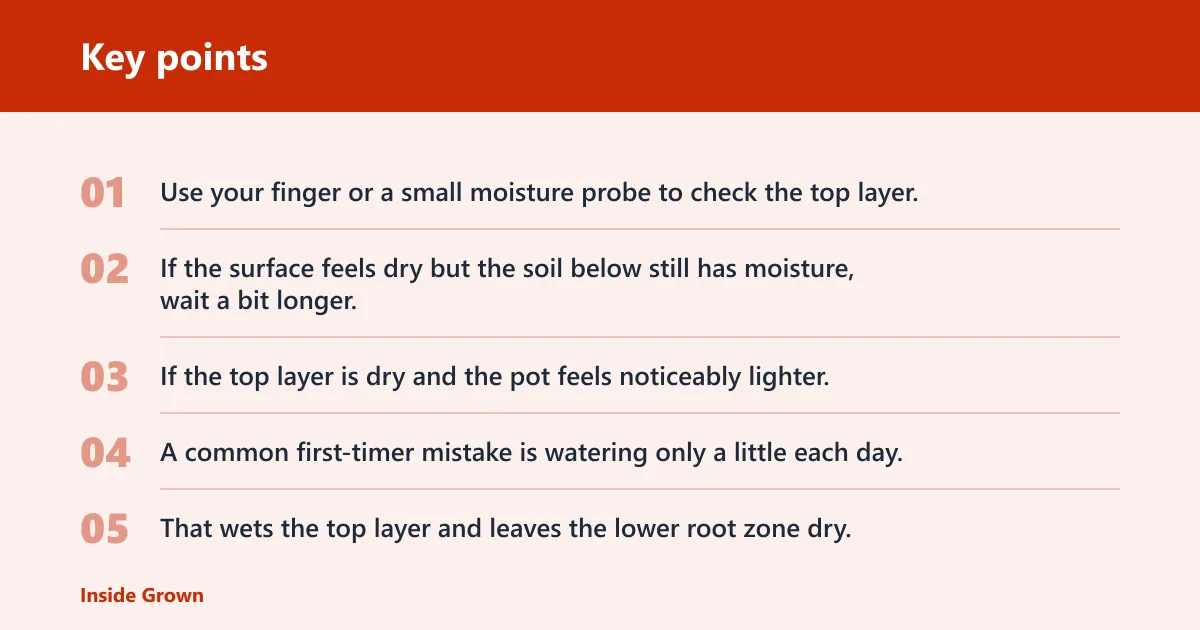
Use your finger or a small moisture probe to check the top layer. If the surface feels dry but the soil below still has moisture, wait a bit longer. If the top layer is dry and the pot feels noticeably lighter, water thoroughly until water runs out of the drainage holes.
A common first-timer mistake is watering only a little each day. That wets the top layer and leaves the lower root zone dry. A better approach is to water fully, then let the mix drain, then check again as the surface dries.
Why drainage holes and fast-draining mix matter
Bonsai soil should contain akadama, pumice, and lava rock. That mix drains quickly and leaves air around the roots. Standard potting soil stays wetter for longer, which is risky in a heated home where roots can already be stressed by dry air and temperature swings.
Drainage holes are not optional. They let excess water leave the pot after a thorough watering. A mesh screen over the holes keeps soil in place while still allowing drainage.
How to handle standing water
Empty the saucer or drip tray after watering. The tree should drain fully, then sit above dry air, not in pooled water. If the pot stays in water, the lower roots can stay soggy while the upper mix dries, which makes diagnosis harder and raises rot risk.
Say your jade bonsai sits in a ceramic pot with one drain hole and a tray below it. You water until runoff appears, wait a few minutes, then remove the excess from the tray. That keeps the root zone from staying wet overnight.
Fertilizer, repotting, and winter routine
Indoor bonsai need watering, feeding, repotting, and pruning. Feed during the growing season from spring through early autumn, then reduce feeding in winter. Because the pot is small, indoor bonsai often need repotting more often than houseplants, since root space, water, and nutrients are all limited.
When to feed and when to cut back
Use a diluted fertilizer at half strength during active growth. Bonsai should be fed every two to four weeks during the growing season. In winter, cut back because growth slows and the tree uses less nutrition.
How often indoor bonsai need repotting
Indoor bonsai need repotting more often than many houseplants because the root zone is constrained. A crowded root ball dries faster and holds less nutrient reserve. Repotting also lets you refresh the fast-draining mix before it breaks down and holds too much water.
A simple winter care schedule
- Check the soil surface every day.
- Water only when the top layer feels dry.
- Keep the tree near a bright south-facing or west-facing window.
- Move it away from direct heat and cold drafts.
- Run a grow light if window light is weak.
- Use a humidity tray or humidifier if the room air is dry.
- Reduce fertilizer until active growth returns.
Bonsai survival checklist
Use this checklist to match the room to the tree. Score each line as pass or fail. A strong pass usually means the tree has a better chance of holding steady through winter. Two or more fails means the room needs changes before the bonsai declines further.
| Condition | Pass | Fail | Action if it fails |
|---|---|---|---|
| Window light | South-facing or west-facing window with bright indirect light | Dim room or deep interior shelf | Move closer to the window or add a grow light |
| Daily light | 4–6 hours of bright indirect sunlight | Less than that most days | Use a full-spectrum LED grow light 6–12 inches above the canopy |
| Heat source | More than a few feet from radiators, vents, fireplaces, or AC | Direct hot or cold airflow | Relocate the tree out of the airflow path |
| Humidity | Room air near 40% to 60% or supported by a humidifier | Very dry heated air | Add a humidifier or a humidity tray with pebbles and water below the pebble tops |
| Watering trigger | Top layer feels dry before watering | Watering by schedule only | Switch to daily soil checks |
| Drainage | Pot has drainage holes and water drains out fully | No drainage or standing water remains | Use a draining pot, mesh screen, and empty the saucer |
| Species | Ficus, jade, Chinese elm, or schefflera | Temperate tree that needs winter dormancy | Move temperate species outdoors for seasonal dormancy |
Score the room first, then adjust the tree. If the tree is already near a radiator, the best soil in the world will not save it from dry-back. If the species is wrong for indoor life, the room can only do so much.
How to save a dying bonsai
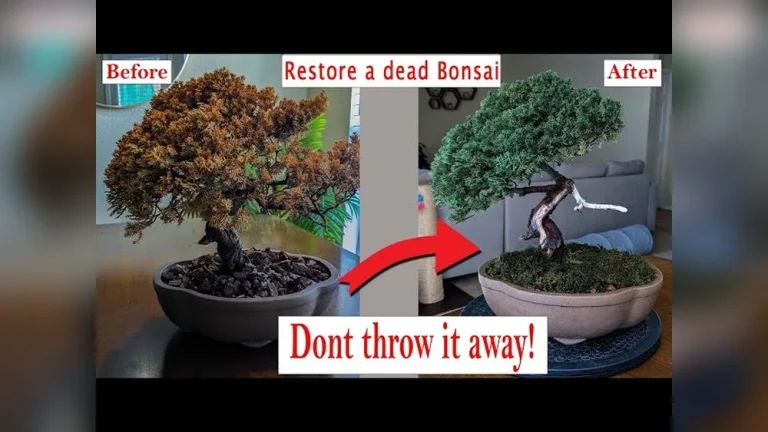
Start by removing the stress that is easiest to fix: heat, weak light, and bad drainage. Move the tree away from vents, check whether the soil is dry or waterlogged, and give it the brightest safe spot you have. If the tree is still green but dropping leaves, fast action can stop the slide.
Next, inspect the soil and pot. If the mix is staying wet too long, the roots may be short on air. If the tree is bone dry and the leaves are crisping, water thoroughly and let the excess drain. Do not keep guessing from the surface alone.
How to bring bonsai back to life
Recovery depends on the symptom. For dry-back, water fully, then keep the tree in bright light and stable warmth. For heat scorch or leaf drop, move it farther from the heater and raise humidity support. For chronic decline, check drainage holes, consider whether the soil is contributing to the stress, and review the species choice.
Do not prune hard during recovery. A weak bonsai needs energy to rebuild roots and leaves first. Hold fertilizer until new growth resumes, then restart with a light feeding plan.
Frequently asked questions
How to keep a bonsai alive in a heated home
Give it bright indirect light, stable indoor temperatures, and enough humidity to slow dry-back. Keep it away from vents and radiators, check the soil daily, and water when the top layer feels dry. Use a tropical or subtropical species for the best chance of indoor survival.
Will bonsai tree survive inside a house?
Some will, but not all species can handle indoor life long term. Ficus, jade, Chinese elm, and schefflera are common indoor choices. Temperate trees usually need outdoor dormancy, so they often weaken if kept inside year-round.
How to save a dying bonsai: move the tree out
Move the tree out of hot airflow, check whether the soil is too dry or too wet, and correct drainage first. Then give it bright indirect light and steady humidity support. Pause heavy pruning and resume feeding only after new growth begins.
How to protect outdoor bonsai in winter
Outdoor bonsai need species-specific winter protection, not indoor heat. Many temperate species should stay outside for dormancy, but roots may need protection from hard freezes, wind, and rapid temperature swings. Use shelter, insulation, or an appropriate cold-frame setup based on the species.