Bonsai Training Timeline: When to Shape, Prune, and Repot
Shape first during the tree’s active growth window, prune lightly through the season, and repot about once per year at the species’ usual repotting time, often before bud swell for deciduous trees and after spring growth starts for tropicals and many conifers. Put all three together and you can stall growth, weaken roots, and leave scars or dieback. This guide gives a season-by-season bonsai training timeline, month by month, with species-specific timing for shaping, pruning, wiring, and repotting.
Bonsai training calendar

| Month | Tree phase | Safe actions | Avoid | Prerequisites for structural pruning, wiring, and repotting |
|---|---|---|---|---|
| January | Winter dormancy | Inspect structure, clean dead foliage, plan next work, protect roots from freeze damage | Heavy pruning, wiring that will be left unchecked, and repotting are generally avoided. | Use only if the tree is healthy, dormant, and not weakened by drought or pests |
| February | Late winter | Begin structural pruning on vigorous broadleaf trees; prepare pots and soil | Major work on weak trees or species still in deep cold | Strong buds, strong foliage from the previous year, and no recent stress |
| March | Early spring revival | Repot broadleaf bonsai before bud break; root prune during repotting; wire after major cuts if the tree is strong | Bare-rooting conifers; combining repotting with heavy top reduction on weak trees | Tree is awake but not yet in fast shoot growth; soil and pot are ready in advance |
| April | Spring growth | Maintenance pruning, shoot selection, careful wiring, first wire checks | Large branch removals on freshly repotted trees | New growth is extending, but the tree must still be vigorous enough to close wounds |
| May | Spring to early summer | Light trimming, clip-and-grow work, defoliation only where appropriate and only on strong broadleaf trees | Repotting after active growth has clearly started for species that prefer early spring timing | Strong, even growth; no wilt, yellowing, or root stress |
| June | Early summer | Maintenance pruning, wire checks, branch position corrections, limited repotting only for species that tolerate it | Stacking heavy pruning with repotting unless the species and health clearly allow it | Only strong broadleaf trees and selected tropicals should be considered for late spring to early summer work |
| July | High-summer slowdown | Watch wire marks, trim only soft extension growth, water carefully | Major root work, strong defoliation, large chops | Use this month for aftercare, not for major structural change |
| August | High summer | Remove wire before it bites, pinch soft growth, correct minor faults | Re-potting most trees, aggressive branch bending on tender shoots | Only local corrections on vigorous trees with good recovery history |
| September | Late summer to fall | Reduce fertilizer if needed by species, let the tree recover, plan next spring’s work | New major styling projects | Focus on strength building for the next cycle |
| October | Fall recovery | Light grooming, leaf cleanup, health checks, note branch changes from wire | Heavy pruning and root pruning | Tree should enter dormancy with stable foliage and no fresh scars |
| November | Early dormancy | Protect from wind and cold, remove any wire that is close to cutting in | Repotting and structural pruning | Keep work minimal unless the tree is in a mild climate and species-specific care allows otherwise |
| December | Winter dormancy | Rest the tree, inspect roots only from the outside of the pot, prepare tools and soil | Any work that forces growth or creates large wounds | Wait for late winter or early spring if major work is planned |
That calendar is the short version. The order matters as much as the season. A tree that is already recovering from repotting should not also carry fresh structural cuts and tight wire, because each job asks the plant to heal in a different way.
Say your maple pushed strong growth last spring, then rested well through summer. That is the kind of tree that can usually take a late-winter structural cut, then light wiring after the first flush starts. A weak maple with sparse buds should skip both and spend the year rebuilding strength.
Why timing matters in bonsai training
Timing matters because the tree changes pace through the year. Winter dormancy, early spring revival, spring and early summer growth, and high-summer slowdown all change how much stress the tree can handle. Work done at the wrong phase can slow recovery, weaken roots, or trigger dieback.
How growth cycles change what the tree can handle
In winter dormancy, the top is quiet and the roots are slower too. That makes it the wrong time for most major work. Early spring is different. Growth begins again, and a healthy tree can respond to pruning wounds and repotting if the timing is matched to the species.
Spring and early summer are the main training window for maintenance pruning and wiring. Growth is active, so the tree can heal and set new shape. By mid-summer, many trees slow down. At that point, the safer jobs are wire checks, light trimming, and aftercare.
Why tree vigor decides whether to wait or work
Tree vigor is the gatekeeper. Strong trees handle major work better than weak ones. A tree that entered spring with good bud count, strong last-season growth, and no obvious pest or root issues has a better chance of tolerating structural pruning or repotting. Poor soil, repeated water stress, and low fertilizer in the previous year can leave the tree too thin for major changes.
That does not mean every healthy tree should get every job at once. It means the tree has earned the right to be considered. Even then, choose one major operation first and let the plant recover.
Which jobs should never be stacked at random?
Do not combine heavy branch removal, full repotting, and aggressive wiring on the same weak tree. The root system needs time to recover after root pruning and fresh soil. The top needs time to close wounds after structural pruning. Wire can also damage soft bark if a swelling branch is already stressed.
A common first-timer mistake is repotting a tree on Saturday, cutting back half the canopy on Sunday, and leaving wire on until midsummer. That sequence can leave the tree with too little root mass to support the top while the cuts are still healing.
When should you shape a bonsai?
Shape a bonsai when the tree is healthy enough to recover and when the timing matches the species. Structural pruning belongs in late winter or early spring for most trees, especially vigorous broadleaf bonsai. Wiring can happen around the same season, but only if the tree is strong and you are not also asking it to recover from a severe root reduction.
Structural pruning versus styling by wire
Structural pruning means major branch removal. It sets the trunk line and silhouette. It is not the same as styling by wire, which bends branches gradually without removing much wood. Pruning changes the framework. Wiring changes the position of that framework.
Use pruning to remove obvious conflicts, such as crossing branches, mirrored pairs, or a branch that destroys the intended front. Use wire to refine the line after the basic structure is in place.
Best timing for broadleaf, conifer, and tropical trees
Broadleaf bonsai are usually shaped just before bud break, when the tree is about to move into active growth. That timing supports healing. Conifers need more caution. Their repotting risk is higher than broadleaves, and their structural work is often spread out more carefully by species and by health. Tropical bonsai are usually shaped during active growth, not during winter dormancy.
If a conifer is already being repotted, keep structural work lighter unless the species and tree strength clearly support more. Pines and junipers are not handled on the same schedule as deciduous trees, and they should not be treated that way.
Why weak trees should skip major shaping
Weak trees should skip major shaping. That includes trees with sparse foliage, soft or late buds, repeated leaf drop, root trouble, or a recent pest problem. The tree needs to rebuild reserve energy before you ask it to set a new outline.
Weak trees can still get basic care. Cleaning, gentle grooming, and careful watering are enough until vigor improves.
When should you prune a bonsai tree?
Prune for structure in late winter or early spring, and prune for maintenance through spring and summer. Structural pruning removes major branches. Maintenance pruning is light trimming that keeps size and density under control between larger styling sessions. The first is a framework decision. The second is routine upkeep.
Maintenance pruning during active growth
Maintenance pruning is listed as best in spring and summer. Use it to shorten long shoots, remove inward growth, and keep the canopy compact. This is the work that preserves shape after the main styling decision has already been made.
On fast-growing deciduous trees, light trimming may be needed more often than on slow conifers. Do not let extension shoots harden so far that they start to spoil the outline, but do not strip the tree bare just to keep it small.
How hard pruning differs from light trimming
Hard pruning removes a major branch or a long section of trunk line. It changes the tree’s future structure. Light trimming removes only the current season’s unwanted growth. It keeps the tree inside the shape already set by larger work.
If you want a stronger silhouette change, do that in the proper structural window. If you only want to keep density under control, use light trimming during active growth.
What to do after a heavy cut
After a heavy cut, reduce follow-up stress. Keep the tree in steady light, protect it from drying wind, and avoid another major operation until recovery is obvious. Fresh wounds need time, and the remaining branches need energy to replace what was removed.
Defoliation, where appropriate, is advised in late spring to early summer, not on a weak tree and not as a substitute for good timing. It belongs only on species and specimens that can handle it.
When should you wire branches?
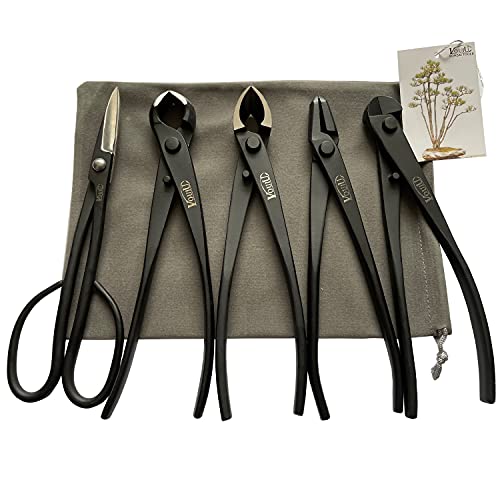
Wire branches when the tree is growing well enough to set the bend and heal without trouble. Aluminum or copper wire can be used to bend branches gradually. The right timing is usually after major pruning or during active growth, but wire checks must be frequent enough to prevent bark damage or scarring.
Choosing aluminum or copper wire
Aluminum wire is easier to apply and is common for many deciduous and tropical trees. Copper wire is stiffer and often used where more holding power is needed, especially on conifers. Either one works only if it is sized and applied correctly for the branch thickness and species.
Wire should support the bend, not force it all at once. The branch should move gradually, with no cracking at the bend.
How often to check wire by species and growth speed
Wire is commonly checked monthly, but that is not enough for fast-growing deciduous trees in spring. On those trees, wire may need checking more often because swelling can begin quickly. Slower conifers can often tolerate less frequent checks, but they still need inspection before the wire bites in.
Growth speed matters more than the calendar alone. A branch that is swelling fast can scar in a short time, especially after rain, warm nights, and strong fertilizer use.
When to remove wire before scarring starts
Wire should be removed before bark damage or scarring starts. One common recommendation is wire removal after 3-6 months, but the real trigger is branch growth, not the clock. If the bark starts to bulge around the coil, remove or replace the wire sooner.
For young deciduous trees in spring, look more often than once a month. For pines and junipers, check for bite marks even if the bend still looks secure.
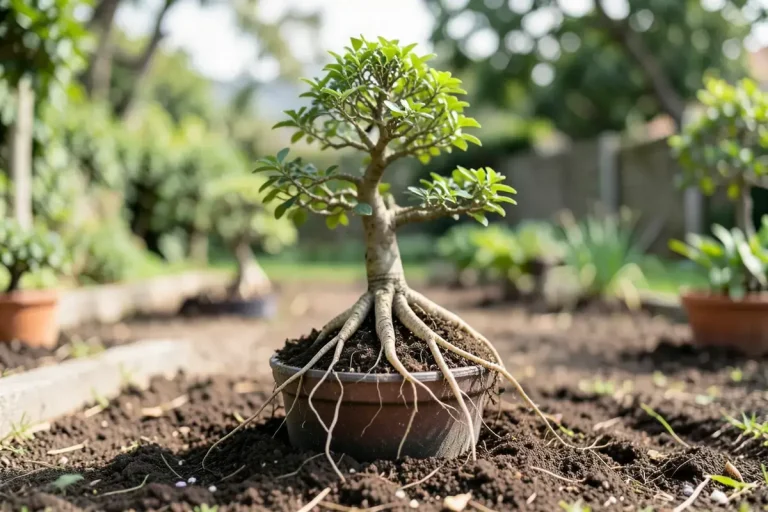
When should you repot and root prune?

Repot when the tree’s interval and season both line up. Young trees are commonly repotted every 1-3 years, and one competitor guide lists 2-3 years for young trees. Older trees are often repotted every 4-5 years in that same guide, though another guide gives a broader 1-3 year range depending on species, pot size, and environment. Early spring, before new growth begins, is the standard window for most repotting jobs.
Repotting intervals for young versus older trees
Young trees need more frequent intervention because the root mass fills the pot faster and the design is still changing. Older trees usually move less often, but the exact interval depends on species, pot size, and environment conditions. A shallow pot and strong growth shorten the interval. A slower species in a larger pot may wait longer.
Do not repot because the calendar says so if the tree is weak. Repot because the root mass and growth pattern call for it, and only when the season is right.
Broadleaf timing before bud break
Broadleaf bonsai are often repotted just before bud break. Many can tolerate stronger root reduction than conifers, and some may even allow bare-root work, but that is species-specific and should never be assumed across the group. The safe rule is to match the root cut to the species’ tolerance and the tree’s vigor.
Some calendars allow limited broadleaf repotting into June. That does not mean every broadleaf should wait until June. It means certain species and certain climates can still tolerate it if the tree is strong and the recovery plan is sound.
Conifer cautions, root pruning limits, and mycorrhizae retention
Conifer repotting carries more risk than broadleaf repotting. Retain mycorrhizae, and keep root pruning conservative unless the species is known to handle a stronger cut. Pines and junipers especially need a species-appropriate window, not a broadleaf schedule pasted onto them.
Root pruning should always match the tree’s ability to recover. If the tree is weak, cut less. If the species is sensitive, cut less. The aim is to refresh the root mass without breaking the balance between roots and shoots.
How do you sequence work without stressing the tree?
Sequence major work by starting with the least risky job the tree can take, then adding only what the species and vigor allow. For a first training year, that usually means one major task, not three. If the tree was recently repotted or heavily pruned, the next season should lean on maintenance, not more structural change.
Order of operations for a first training year
- Check tree vigor after winter or after the last major stress.
- If the tree is strong, decide whether structural pruning or repotting comes first.
- Do not do both heavily unless the species and health clearly support it.
- Apply wire only after the tree has enough strength to hold the bend and heal.
- Use maintenance pruning during spring and summer to refine the result.
- Remove wire before scarring starts, then let the tree recover.
What to do if the tree was recently repotted or heavily pruned
If the tree was recently repotted, skip hard top work for a while. Let the roots settle. If the tree was heavily pruned, delay more cuts and keep wiring light. A tree can recover from stress, but it recovers better when the next job waits.
Say your juniper was repotted in early spring and lost a good share of roots. That tree should not also be asked for a major branch change that same month. Light wire may be possible later, but only after new growth shows recovery and the bark is not under strain.
Aftercare steps: shade, watering, and no extra stress
After major work, protect the tree from harsh sun, drying wind, and erratic watering. Keep the soil evenly moist, not soggy, and avoid fertilizer spikes until recovery is underway. Good aftercare matters as much as the cut or the wire.
The tree should not be pushed back into training too quickly. Recovery is part of the work.
Frequently asked questions
When should I shape a bonsai before or after repotting?
For most trees, shape first only if the tree is strong and the styling is light. Heavy structural pruning and repotting should usually be separated. Broadleaf trees are often shaped just before bud break, while repotting also happens before spring growth. If both are needed, let vigor and species decide the order.
What is the best time of year to prune a bonsai tree?
Structural pruning is best in late winter or early spring. Maintenance pruning is best in spring and summer. That split matters. Big cuts belong before strong growth begins, while small trims belong during active growth to keep the tree compact and balanced.
How often should I repot a bonsai tree?
Young bonsai are commonly repotted every 1-3 years, and one guide lists 2-3 years for young trees. Older trees are often repotted every 4-5 years in that same guide. Species, pot size, and environment conditions can shorten or lengthen the interval, so check the root mass and vigor, not only the calendar.
Can I wire and prune a bonsai in the same season?
Yes, if the tree is vigorous and the work is sequenced carefully. Structural pruning and wiring often happen in the same late-winter to early-spring window, with wiring used to refine what pruning set up. Avoid combining them with repotting unless the tree is very strong and the species tolerates it.
Which bonsai work should wait until early spring?
Repotting should usually wait until early spring, before new growth begins. Structural pruning also fits that window for many trees. Broadleaf bonsai often use this timing best. Conifers need species-specific timing and should never be treated as if every early-spring date works the same way.
How do I know if my bonsai is strong enough for major training?
Look for strong bud set, healthy last-season growth, and no obvious pest, drought, or root stress. A tree that entered spring in good condition and was well fed the previous year is a better candidate. Weak foliage, poor color, or slow recovery are signs to delay major work.
Should conifers and broadleaf bonsai be trained on the same schedule?
No. Broadleaf bonsai are often repotted before bud break and may tolerate stronger root reduction. Conifers carry more repotting risk, should not be bare-rooted, and need mycorrhizae retained. Their pruning, wiring, and repotting windows are not the same as deciduous trees.
How long should bonsai wire stay on branches?
Many guides recommend removing wire after 3-6 months, but growth rate matters more than the calendar. Fast-growing deciduous trees may need checks more often than monthly in spring. Remove wire as soon as it begins to bite or leave marks, even if the branch has not fully set.
What bonsai work is safest in winter dormancy?
Winter dormancy is safest for planning, cleaning, and outside-the-pot inspection, not for major styling. Avoid structural pruning, repotting, and heavy wiring then. Save the work for late winter or early spring, when the tree is moving back into growth and recovery is more likely.