What is the Equivalent of Bonsai Pruning in China
The art of bonsai captivates enthusiasts worldwide with its blend of horticulture and philosophy. But while Japan is synonymous with bonsai culture, the origins and parallel practices of miniature tree cultivation trace back to China. In China, the equivalent practice is known as Penjing (or Penzai), an ancient tradition that predates Japanese bonsai and carries its own unique aesthetic, techniques, and cultural significance. For those intrigued by the intricate beauty of shaped trees, understanding the Chinese approach to pruning and shaping miniature landscapes opens a new dimension of appreciation and expertise.
Exploring the equivalent of bonsai pruning in China not only deepens our knowledge of Asian horticultural arts but also showcases the philosophical and artistic differences that distinguish Penjing from its Japanese counterpart. This article offers an in-depth look into the history, methods, tools, and cultural meaning of Penjing pruning, drawing clear comparisons to bonsai, and providing insights for practitioners and admirers alike. Whether you are a seasoned bonsai grower or a newcomer fascinated by living art, this comprehensive guide will illuminate the rich world of Chinese miniature tree cultivation.
Key Takeaways
- Penjing is the Chinese equivalent of bonsai, emphasizing landscape artistry and cultural symbolism.
- Chinese pruning techniques focus on narrative composition, natural asymmetry, and integration with rocks and figurines.
- Penjing predates bonsai by centuries and maintains distinct philosophies and aesthetics.
- Key pruning tools and methods differ from Japanese bonsai, reflecting deeper traditions and artistic values.
- Real-world examples and case studies highlight the global influence of Penjing.
- Understanding Penjing enriches appreciation for miniature tree art and offers new techniques for enthusiasts.
The Origins And Philosophy Of Penjing
Historical Roots Of Penjing
The term Penjing (盆景), meaning “tray scenery” or “potted landscape,” refers to the Chinese art of creating miniature landscapes in shallow containers. Penjing’s history dates back to the Tang Dynasty (618–907 CE), with archaeological evidence and ancient texts suggesting its practice began even earlier. Illustrations on tomb walls and classical poetry reveal that literati and monks cultivated miniature trees as symbols of harmony, longevity, and spiritual reflection.
Unlike bonsai, which focuses primarily on individual trees, Penjing incorporates entire landscapes, often including rocks, water, and figurines. The goal is to create a natural scene that tells a story, reflecting Taoist, Buddhist, and Confucian ideals of balance and harmony with nature.
Philosophical Underpinnings
Penjing is more than horticulture—it’s a form of living art rooted in Chinese philosophy. Key principles include:
- Naturalness (Ziran): Emphasizing organic shapes and spontaneity rather than rigid formality.
- Symbolism: Trees and landscapes represent philosophical concepts, such as resilience (pine), flexibility (bamboo), or the passage of time (weathered rocks).
- Narrative Composition: Arrangements are designed to evoke scenes from poetry, history, or myth, often conveying human emotions or journeys.
These principles influence every aspect of Penjing, from tree selection to pruning techniques and container choice.
Evolution And Global Influence
Penjing spread from China to Japan, where it evolved into bonsai around the 13th century. While bonsai adopted stricter stylistic rules and minimalism, Penjing remained rooted in expressive storytelling and diversity. Today, Penjing is recognized globally, with exhibitions, societies, and collectors preserving this ancient art form.
Its influence can be seen in contemporary landscape architecture, garden design, and even modern art installations.
Penjing Pruning Techniques: Distinctive Methods And Tools
Understanding Chinese Pruning Aesthetics
Penjing pruning is guided by the desire to replicate natural landscapes and capture the spirit of wild scenery. Unlike bonsai, which often aims for idealized, symmetrical forms, Penjing embraces asymmetry, irregularity, and the illusion of age. Pruning decisions are made to enhance:
- Branch movement and tapering
- Natural-looking deadwood (jin and shari)
- Dynamic root structures (nebari)
- Integration with rocks and miniature figures
Pruning is not merely maintenance—it’s a creative act that shapes the narrative of the landscape.
Core Pruning Techniques
Key Penjing pruning methods include:
- Selective Branch Removal: Cutting branches to open up vistas, highlight movement, and frame key features.
- Clip-and-Grow: A method involving repeated clipping of new growth to encourage ramification and natural branch structure without excessive wiring.
- Deadwood Creation: Intentionally carving or stripping bark to create the appearance of age and survival against the elements.
- Root Pruning: Shaping exposed roots to enhance the stability and visual weight of the composition.
These techniques are applied with sensitivity to species, growth stage, and the overarching story of the Penjing.
Tools Of The Trade
While Penjing artists may use tools similar to those in bonsai, there are unique preferences:
- Concave cutters: For clean branch removal and natural healing.
- Root hooks and knives: For intricate root work and positioning.
- Carving tools: Specialized chisels and gouges for deadwood effects.
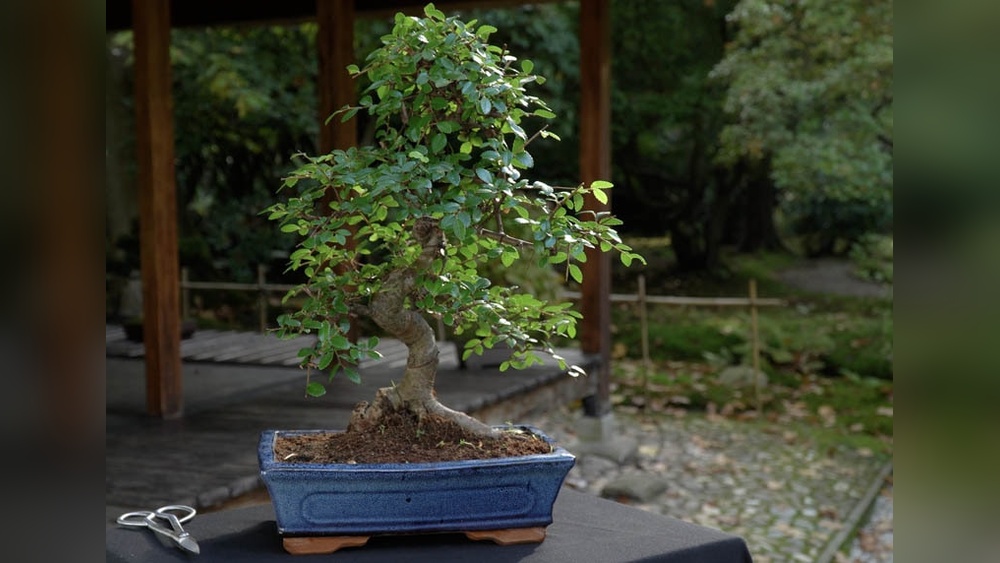
- Scissors and shears: Of varying lengths for fine and coarse pruning.
Chinese artisans often craft their own tools or use traditional designs passed down through generations. The choice of tool reflects both practical and artistic considerations.
Seasonal Timing And Aftercare
Pruning in Penjing follows the natural rhythms of tree growth:
- Spring: Major structural pruning and repotting.
- Summer: Maintenance trimming and foliage thinning.
- Autumn: Light shaping and preparation for dormancy.
- Winter: Deadwood work and minimal intervention.
After pruning, artists pay close attention to aftercare—protecting cut surfaces, monitoring for pests, and adjusting watering to minimize stress. This holistic approach ensures the health and longevity of the composition.
Comparing Penjing And Bonsai: Techniques, Styles, And Philosophy
Key Differences In Pruning Philosophy
Though related, Penjing and bonsai diverge in several critical aspects:
- Penjing prioritizes natural landscapes, narrative, and dynamic elements.
- Bonsai emphasizes minimalism, precise form, and individual tree perfection.
The table below illustrates the main contrasts:
| Aspect | Penjing (China) | Bonsai (Japan) |
|---|---|---|
| Aesthetic Focus | Natural landscapes, storytelling | Minimalist, idealized forms |
| Pruning Approach | Clip-and-grow, expressive shaping | Wiring, strict shape maintenance |
| Container Use | Landscape trays, often with rocks/figures | Simple pots, focus on the tree |
| Symbolism | Deep philosophical and narrative meaning | Symbolic, but more abstract |
| Species Variety | Wide range, including tropicals and flowering plants | Primarily pines, maples, and junipers |
Similarities And Shared Techniques
Despite their differences, Penjing and bonsai share foundational practices:
- Root and branch pruning for size control
- Use of specialized tools for shaping
- Emphasis on age, character, and beauty
Both arts are deeply meditative, requiring patience, observation, and respect for nature.
Case Study: Penjing And Bonsai Side-by-side
The Shanghai Botanical Garden and Omiya Bonsai Art Museum in Japan both display world-class collections. A comparative visit reveals:
- Penjing displays often include multiple trees, rocks, and figurines, creating a scene.
- Bonsai exhibits focus on solitary trees, displayed with minimal adornment.
According to a 2026 survey by the Chinese Penjing Artists Association, 65% of Penjing artists consider storytelling essential, compared to only 23% among Japanese bonsai practitioners (Wikipedia).
Global Trends And Fusion Styles
In recent years, Western artists have begun blending Penjing and bonsai techniques, creating hybrid styles that reflect globalized aesthetics. This cross-pollination enriches both traditions, fostering innovation and expanding appeal.
Penjing Styles And Iconic Examples
Major Penjing Styles
Penjing encompasses a wide variety of styles, each with unique pruning requirements:
- Tree Penjing (Shumu Penjing): Focuses on one or more trees, shaped to mimic wild forms—often emphasizing dramatic movement or age.
- Landscape Penjing (Shanshui Penjing): Combines trees, rocks, water, and figures to create miniature landscapes reminiscent of classical Chinese paintings.
- Water-and-Land Penjing (Shuihan Penjing): Integrates real or simulated water features, such as streams or lakes, alongside land elements.
Each style demands different pruning strategies and creative vision.
Real-world Example: The Lingnan School
Originating in southern China, the Lingnan School is famous for its clip-and-grow method. This approach minimizes wiring, relying instead on repeated pruning to develop naturalistic branching. Notable features include:
- Dense, fine twigs
- Graceful, flowing lines
- Emphasis on species native to the subtropical climate (e.g., Ficus, Premna)
The Lingnan School’s influence can be seen in Penjing collections worldwide, such as the Suzhou Penjing Garden.
Case Study: The Classical Gardens Of Suzhou
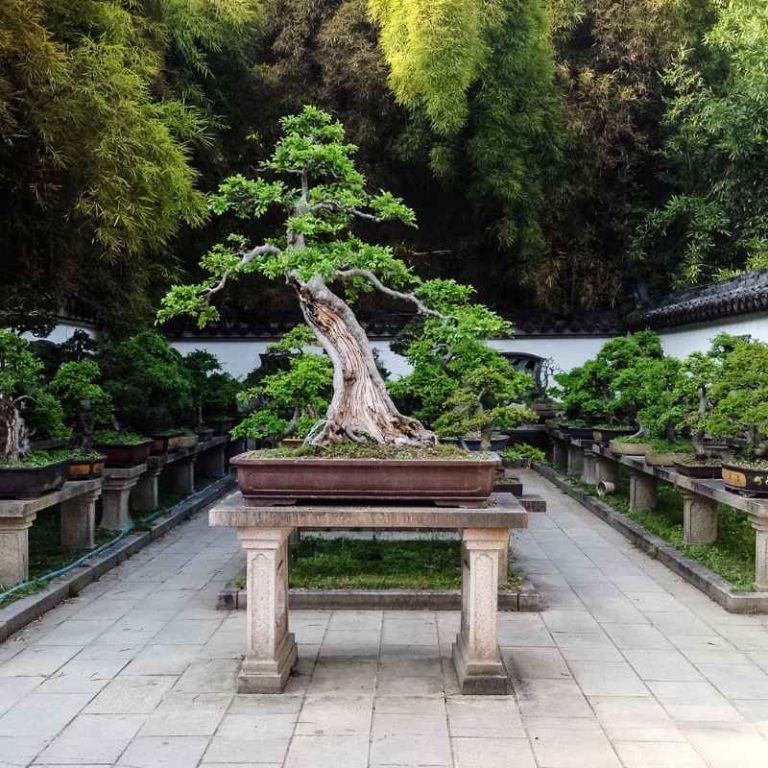
The Classical Gardens of Suzhou, a UNESCO World Heritage site, showcase Penjing integrated into traditional Chinese landscape architecture. Gardeners maintain hundreds of Penjing using traditional pruning techniques, blending miniature landscapes with larger garden vistas.
Key features:
- Penjing placed on decorative stands at focal points
- Pruned to harmonize with architecture, water features, and pathways
- Seasonal displays reflecting the garden’s ever-changing narrative
Famous Penjing Specimens
Some Penjing trees are renowned for their age, beauty, and historical significance. For example, a 400-year-old Chinese elm at the Shanghai Botanical Garden demonstrates the longevity and artistry achievable through skilled pruning and care (Shanghai Botanical Garden).
Essential Tools And Materials For Penjing Pruning
Must-have Tools For Beginners And Experts
Successful Penjing pruning relies on quality tools. While some overlap with bonsai tools exists, Penjing artists often use:
- Concave branch cutters: For precise, clean cuts that heal smoothly.
- Root scissors: Essential for untangling and trimming roots during repotting.
- Carving chisels: Used to create deadwood features (jin and shari).
- Leaf shears: For fine pruning of foliage and detail work.
- Wire and pliers: Occasionally used, but less prevalent than in bonsai.
Many artisans prefer hand-forged or vintage tools, prized for their durability and feel.
Comparison Table: Penjing Vs. Bonsai Pruning Tools
| Tool | Penjing Use | Bonsai Use |
|---|---|---|
| Concave Cutters | Frequent, for natural wounds | Frequent, for clean healing |
| Root Scissors | Essential for root pruning | Essential for root pruning |
| Carving Tools | Often used for storytelling features | Used, especially for deadwood (jin/shari) |
| Wire | Occasional, mainly for initial shaping | Extensive, for ongoing maintenance |
| Leaf Shears | Fine detail work | Fine detail work |
Soil, Containers, And Figurines
Penjing artists use a variety of materials to support their compositions:
- Soil: Well-draining, often mixed with sand, grit, and organic matter.
- Containers: Shallow trays or pots, sometimes custom-designed to fit the narrative.
- Rocks: Sourced for unique shapes and colors, integral to landscape Penjing.
- Miniature figurines: People, animals, or structures that add storytelling elements.
The careful selection and arrangement of these materials are as important as pruning itself.
Sourcing Authentic Tools And Materials
While high-quality Penjing tools are traditionally made in China, global online retailers now offer a wide selection. Enthusiasts can source authentic tools and containers from specialized outlets, such as the China Penjing Artists Association, or international suppliers. For rare species and rocks, ethical sourcing and sustainability are increasingly important (Botanical Art & Artists).
Step-by-step Guide To Penjing Pruning
Preparing For Pruning
Before pruning, Penjing artists assess:
- Species and growth habits
- Health and vigor of the plant
- Desired style or narrative
- Season and weather conditions
Proper preparation includes cleaning tools, planning cuts, and visualizing the desired outcome.
Pruning Process
- Remove Dead or Diseased Wood: Start by eliminating unhealthy material to promote vigor.
- Shape Primary Structure: Prune main branches to establish movement, taper, and balance.
- Refine Secondary Branches: Use the clip-and-grow method for fine branching and foliage pads.
- Create Deadwood Features: Carefully carve selected areas for storytelling and age effects.
- Prune Roots (if repotting): Trim and position roots to enhance stability and aesthetics.
- Integrate with Hardscape: Arrange rocks, soil, and figurines as needed.
Each step requires patience, observation, and adjustment as the tree responds.
Aftercare And Monitoring
Following pruning:
- Seal large cuts with wound paste if necessary.
- Water appropriately, avoiding overwatering.
- Monitor for signs of stress or disease.
- Adjust light and humidity as needed.
Regular follow-up ensures healthy regrowth and gradual refinement of the Penjing.
Example: Transforming A Chinese Elm
A Penjing artist starts with a young Chinese elm:
- Removes lower branches to reveal trunk movement.
- Prunes upper branches for taper and asymmetry.
- Adds a weathered rock and fisherman figurine, evoking a riverside scene.
- Monitors regrowth, pruning new shoots to maintain the story.
Over several years, the tree matures into a dynamic, narrative composition.
The Role Of Penjing In Chinese Culture And Gardens
Penjing In Classical Chinese Gardens
Penjing is an integral feature of traditional Chinese gardens, symbolizing harmony between humans and nature. Garden designers place Penjing at strategic points—on pavilions, near water features, or along pathways—to create focal points and inspire contemplation.
Notable gardens, such as the Humble Administrator’s Garden in Suzhou, showcase Penjing as living art, blending seamlessly with architecture, poetry, and painting (UNESCO).
Penjing In Modern China
Today, Penjing continues to thrive in parks, private collections, and public exhibitions. The China Penjing Artists Association organizes national competitions, fostering innovation and international exchange. Penjing has also become a symbol of Chinese cultural heritage, featured in museums and festivals worldwide.
Educational And Therapeutic Value
Penjing is increasingly used as a tool for:
- Education: Teaching botany, ecology, and art.
- Therapy: Offering relaxation and mindfulness benefits, similar to horticultural therapy.
- Community building: Connecting generations and cultures through shared appreciation of living art.
A 2026 study by the Chinese Horticultural Society found that participants in Penjing workshops reported a 30% reduction in stress and improved mood (ScienceDirect).
Cultural Exchange And Influence
Penjing’s influence extends beyond China, inspiring bonsai, Saikei (Japanese tray landscapes), and modern landscape design. Cross-cultural workshops and exhibitions promote greater understanding and appreciation of this ancient art.
Challenges And Best Practices In Penjing Pruning
Common Challenges
Penjing artists face several obstacles:
- Pest and disease management: Miniature landscapes can harbor hidden threats.
- Balancing aesthetics and tree health: Over-pruning risks weakening the plant.
- Climatic adaptation: Some species struggle outside their native environments.
- Sourcing authentic materials: High-quality rocks and containers may be rare or expensive.
Awareness and proactive management are essential for long-term success.
Best Practices For Pruning Success
To master Penjing pruning:
- Study natural landscapes: Observe how trees grow and age in the wild.
- Learn from masters: Attend workshops, visit gardens, and consult resources.
- Practice patience: Allow trees to develop gradually; avoid rushing the process.
- Document progress: Keep records and photos to track changes and plan future work.
- Prioritize tree health: Always balance artistic goals with horticultural needs.
These habits foster both skill and artistry.
Real-world Example: Overcoming Adversity
In 2016, a Penjing collection at the Nanjing Botanical Garden suffered severe damage from a typhoon. Through careful pruning, root repair, and environmental adjustments, curators restored most specimens within three years, demonstrating the resilience of both trees and caretakers.
Resources And Further Learning
For those seeking to deepen their Penjing knowledge, recommended resources include:
- Books: “Chinese Penjing: Miniature Trees and Landscapes” by Hu Yunhua
- Museums: Shanghai Botanical Garden, Suzhou Penjing Garden
- Online Communities: International Penjing Society
- Workshops: Hosted by local arboreta and botanical societies
Online resources, such as Bonsai Empire, offer tutorials and forums for global enthusiasts.
Frequently Asked Questions
What Is The Main Difference Between Penjing And Bonsai?
The primary difference lies in their philosophical and aesthetic focus. Penjing emphasizes creating miniature landscapes and storytelling through naturalistic, asymmetrical designs, often incorporating rocks and figurines. Bonsai, originating from Japanese tradition, typically focuses on individual trees with minimalist, idealized forms and stricter stylistic rules.
Are Penjing Pruning Techniques Suitable For All Tree Species?
While many pruning principles are universal, Penjing techniques are best suited to species that respond well to repeated clipping and shaping, such as Chinese elm, Ficus, and Serissa. Some species may require modified approaches depending on growth habits and resilience.
Can Beginners Start With Penjing, Or Is Prior Bonsai Experience Necessary?
Beginners can absolutely start with Penjing. Many find the expressive, less rigid approach more accessible. However, basic horticultural knowledge and patience are important. Starting with hardy species and seeking guidance from experienced artists is recommended.
Where Can I See Authentic Penjing Displays Outside China?
Authentic Penjing can be found in major botanical gardens and museums worldwide, such as the Brooklyn Botanic Garden in the US, the Royal Botanic Gardens, Kew in the UK, and special exhibits at international bonsai shows. Always check whether the collection focuses on Penjing or bonsai for the most accurate experience (Brooklyn Botanic Garden).
How Do I Choose The Right Penjing Style For My Tree?
Choosing the right style depends on your tree’s species, natural form, and your artistic goals. Study classical Penjing styles, observe your tree’s unique features, and experiment with sketches or mock-ups before committing to major pruning. Over time, your preferences and skills will guide your choices.
The art of Penjing pruning is a living tradition that bridges horticulture, philosophy, and artistic expression. By understanding its history, techniques, and cultural significance, enthusiasts gain not only new skills but also a deeper connection to the natural world. Whether cultivating a single tree or composing a miniature landscape, Penjing invites us to become both gardener and storyteller, shaping living art that endures for generations.