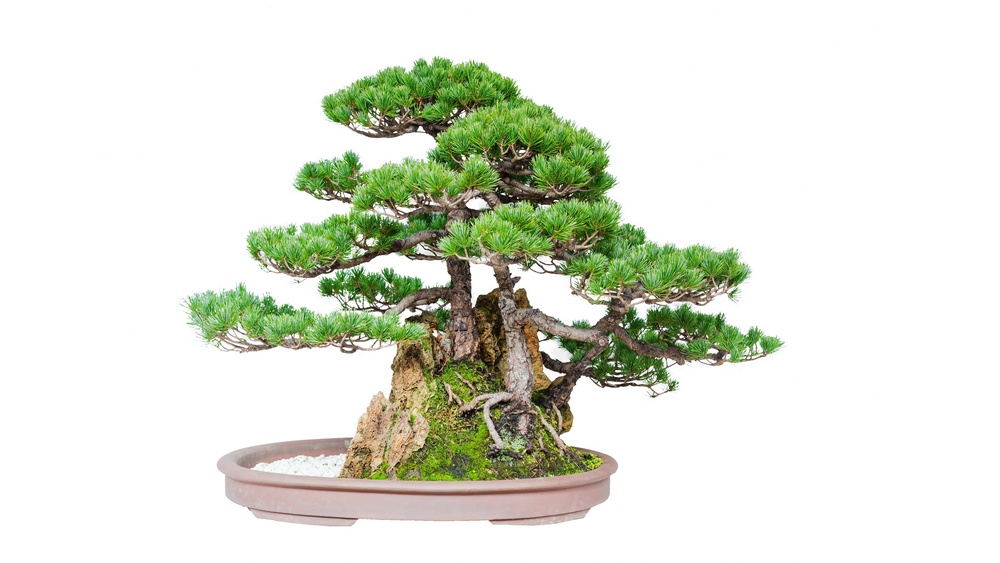
Can I Shape My Buddhist Pine Bonsai Tree With Wire
Bonsai cultivation is an intricate art, blending horticultural expertise with creative vision. For enthusiasts drawn to the subtle elegance of the Buddhist Pine Bonsai (Podocarpus macrophyllus), shaping these trees is both a technical challenge and a meditative practice. One of the most effective and widely used methods for sculpting bonsai form is wiring, which allows growers to guide branches and trunks into aesthetically pleasing positions. However, many beginners wonder: can you shape your Buddhist Pine Bonsai tree with wire, and if so, how do you do it safely and effectively?
The answer is a resounding yes, but the process requires knowledge, patience, and respect for the tree’s unique characteristics. Buddhist Pine, prized for its glossy, needle-like foliage and flexible branches, responds well to wiring when approached thoughtfully. Mastering the technique unlocks a world of possibilities, from classic upright styles to dramatic windswept forms.
This article explores the essentials of wiring Buddhist Pine Bonsai, including step-by-step guidance, expert insights, real-world examples, and actionable tips to ensure your bonsai thrives both structurally and spiritually.
Key Takeaways
- Wiring Buddhist Pine Bonsai is possible and recommended for shaping, but requires proper technique to avoid damage.
- The best time for wiring is during the tree’s active growth phase, typically spring or early summer.
- Materials, wire selection, and aftercare are critical for successful shaping and long-term health.
- Real-world examples and data-driven comparisons demonstrate optimal outcomes and common pitfalls.
- Frequent monitoring and gentle adjustments prevent wire scarring and promote a harmonious bonsai form.
Understanding Buddhist Pine Bonsai Characteristics
Growth Habits And Botanical Overview
Buddhist Pine (Podocarpus macrophyllus) is a subtropical evergreen, native to China and Japan, revered for its elegant needle-like leaves and slow, steady growth. As a bonsai species, it offers:
- Flexible branches ideal for wiring
- Dense foliage that forms attractive pads
- A tolerance for pruning and shaping
The Buddhist Pine is distinguished by its columnar growth and ability to withstand a wide range of environmental conditions, including partial shade and moderate drought. Its foliage, consisting of lance-shaped needles, remains vibrant year-round, making it visually appealing in both indoor and outdoor bonsai displays.
The tree’s slow growth rate means changes are gradual, allowing the artist ample time to refine form and structure.
Because Buddhist Pine is not a true pine but a member of the Podocarpaceae family, its growth habits differ from classic pines. It responds well to both structural and detail pruning, and is less prone to dieback after heavy trimming.
This adaptability makes it suitable for beginners and advanced bonsai practitioners alike.
Why Buddhist Pine Is Favored For Bonsai
- Resilience: Tolerates pruning and wiring better than many species.
- Aesthetic appeal: Lush green foliage and smooth bark complement traditional bonsai aesthetics.
- Longevity: Well-maintained trees can thrive for decades, serving as living art.
The Buddhist Pine’s ability to recover from shaping interventions distinguishes it from more fragile bonsai candidates, giving growers confidence in using wire to sculpt their vision. Its natural resistance to pests and diseases also makes it a reliable choice for long-term projects.
The tree’s dense foliage can be shaped into layered pads, enhancing the depth and visual intrigue of the bonsai composition.
Buddhist Pine is also symbolic in Eastern cultures, representing endurance and serenity. Its presence in temples and gardens further elevates its status as a bonsai specimen, embodying both horticultural excellence and spiritual tranquility.
Common Bonsai Styles For Buddhist Pine
- Formal Upright (Chokkan): Symmetrical, straight trunk.
- Informal Upright (Moyogi): Graceful curves, naturalistic form.
- Slanting (Shakan): Angled trunk, wind-swept appearance.
- Cascade (Kengai): Dramatic downward growth, mimicking cliff-side trees.
Each style calls for unique wiring strategies, which we’ll explore in detail. For example, the formal upright style requires precise trunk and branch alignment, while the informal upright style emphasizes gentle curves and asymmetry. The cascade style, often seen in Buddhist Pine, showcases the tree’s flexibility and ability to create visual drama, making it a favorite among advanced practitioners.
Understanding the nuances of each style helps growers tailor their wiring approach, ensuring that the final design reflects both the natural character of the species and the artist’s vision.
The Science And Art Of Bonsai Wiring
Principles Of Bonsai Wiring
Wiring is the process of wrapping aluminum or copper wire around branches and trunks to guide their growth. The wire acts as a temporary brace, holding the desired shape until the tree’s wood sets.
Key principles include:
- Selecting the right wire gauge: Thicker branches require thicker wire.
- Applying wire at the correct angle: Ensures gentle pressure, avoids constriction.
- Timing: Wire during active growth for best results.
A crucial aspect of wiring is understanding the mechanics of tree growth. As branches grow, they gradually thicken and harden, making early wiring essential for lasting results. Properly applied wire should follow the natural contours of the branch, avoiding sharp angles that could impede sap flow or cause damage.
For Buddhist Pine, it’s important to avoid wiring when branches are brittle, such as during winter dormancy. Instead, take advantage of the active growth phase when tissues are more pliable. The wire should be snug but not constrictive, allowing for incremental movement without restricting nutrient flow.
Aluminum Vs Copper Wire: A Data-driven Comparison
Choosing between aluminum and copper wire is a foundational decision. The table below summarizes the pros and cons:
| Feature | Aluminum Wire | Copper Wire |
|---|---|---|
| Flexibility | High (easy to bend) | Medium (stiffer) |
| Strength | Moderate (best for young trees) | High (holds heavy branches) |
| Ease of Application | Beginner-friendly | Requires experience |
| Risk of Scarring | Lower | Higher |
| Cost | More affordable | More expensive |
For Buddhist Pine, aluminum wire is usually preferred due to its flexibility and lower risk of scarring. Aluminum wire can be purchased in various gauges, allowing for customization based on branch thickness. It is also reusable, making it cost-effective for ongoing projects. Copper wire, while stronger, is best reserved for larger specimens or heavy branches, and is typically used by experienced bonsai artists.
Wire selection impacts not only the shaping process but also the long-term health of the tree. Choosing a wire that matches the branch thickness and growth stage is essential for successful shaping and minimizing damage.
The Role Of Wiring In Bonsai Development
Wiring is not just about aesthetics—it influences the tree’s structural health, light distribution, and potential for future growth. Properly executed wiring:
- Encourages balanced branch placement
- Promotes dense foliage pads
- Prevents crossing branches and unwanted clutter
Wiring also allows the artist to correct structural flaws, such as uneven branch distribution or awkward trunk angles. By guiding growth, wiring enhances the tree’s ability to capture light and air, improving photosynthesis and overall vitality. Regular wiring, combined with pruning, results in a bonsai that is not only beautiful but also robust and healthy.
Advanced practitioners use wiring to create multi-layered canopies and intricate designs, pushing the boundaries of traditional bonsai aesthetics. The process requires careful planning, patience, and a deep understanding of tree biology.
Risks And Precautions
Incorrect wiring can lead to:
- Wire scars
- Branch breakage
- Stunted growth
Understanding these risks is crucial for responsible bonsai practice. Wire scars occur when the wire cuts into the bark as the branch thickens, leaving permanent marks. Branch breakage often results from excessive force or abrupt bends, especially on older or brittle wood.
Stunted growth can arise from constricted sap flow, impeding the tree’s ability to transport nutrients.
To minimize risks, always check the tree’s condition before wiring. Avoid wiring stressed, diseased, or dehydrated specimens. Use proper technique and monitor regularly for signs of damage.
Step-by-step Guide To Wiring Buddhist Pine Bonsai
Preparation And Tools
Before you begin, gather the following:
- Aluminum wire (1mm–3mm gauge, depending on branch thickness)
- Wire cutters
- Bonsai pliers
- Gloves (optional for grip and protection)
- Clean workspace
Inspect the tree for:
- Healthy, flexible branches
- No signs of disease or pests
- Moist, but not waterlogged, soil
Preparation is key to successful wiring. Clean your tools to prevent disease transmission, and ensure your workspace is well-lit and organized. Select wire lengths appropriate for each branch, cutting slightly longer pieces to account for spiraling and anchoring.
Consider pre-watering the tree to enhance branch flexibility. Gently massage branches to test pliability, avoiding those that feel brittle or rigid. Remove any dead or weak growth before wiring, as these branches are more prone to breakage.
Selecting The Best Time For Wiring
The optimal window for wiring Buddhist Pine is spring to early summer. During this period:
- Branches are supple
- Growth is vigorous
- Healing is accelerated
Avoid wiring during winter dormancy or extreme summer heat. Spring and early summer offer ideal conditions for shaping, as the tree’s energy is focused on new growth and tissue repair. This timing reduces the risk of breakage and increases the likelihood of successful shape retention.
If you must wire outside the optimal window, do so cautiously and monitor the tree closely. Shorter wiring durations may be necessary during less active growth periods.
Applying Wire: Techniques And Best Practices
- Start with the trunk: Anchor the wire securely in the soil, then spiral upward at a 45-degree angle.
- Move to primary branches: Use a slightly thinner wire for secondary branches.
- Wrap gently: Avoid tight coils; the wire should be snug but not constricting.
- Shape slowly: Bend branches gradually, never forcing them into extreme positions.
Common mistakes to avoid:
- Over-tightening: Leads to scars and constriction.
- Abrupt bends: Can snap brittle branches.
- Crossing wires: Creates points of weakness.
For best results, apply wire in smooth, consistent coils, maintaining even spacing. When wiring multiple branches, avoid crossing wires, as this creates stress points and increases the risk of damage. Anchor the wire at the base of the branch or trunk, ensuring stability throughout the shaping process.
Bend branches incrementally, working in small stages rather than forcing a dramatic change in one session. Allow the tree to adjust between bends, monitoring for signs of stress or resistance.
Duration And Monitoring
- Leave wire on for 6–12 weeks, depending on growth rate.
- Check weekly for signs of wire cutting into bark.
- Remove wire promptly if scarring appears.
The duration of wiring depends on the tree’s vigor and the thickness of the branches. Fast-growing specimens may require shorter durations, while older or slower-growing trees may need longer periods. Regular monitoring is essential to prevent wire scars and ensure the branch holds its new position.
If the wire begins to cut into the bark, remove it immediately, even if the desired shape is not fully set. It is better to rewire later than risk permanent damage.
Aftercare And Recovery
Once the wire is removed:
- Prune excess growth to maintain shape.
- Apply mild fertilizer to support healing.
- Monitor for pests, especially at former wire sites.
Aftercare is critical for long-term bonsai health. Water the tree thoroughly to aid recovery and stimulate new growth. Inspect former wire sites for signs of infection or pest activity, treating promptly if necessary. Use organic or slow-release fertilizers to avoid overwhelming the tree with nutrients.
If branches revert to their original position, consider rewiring during the next growth phase, using gentler bends and padding to minimize stress.
Real-world Examples And Case Studies
Example 1: Classic Formal Upright Buddhist Pine
A grower in California shaped a young Buddhist Pine into a formal upright style using 2mm aluminum wire. Over three months, the trunk set into a straight, elegant posture. Key outcomes:
- No wire scars
- Dense foliage pad formation
- Root flare enhancement
The grower attributed success to careful monitoring and gradual shaping, allowing the tree to adapt without stress. Strategic pruning enhanced root flare, creating a harmonious and balanced composition. The tree’s vibrant foliage pads reflected optimal light distribution, supporting healthy photosynthesis.
Example 2: Windswept Slanting Style
A bonsai artist in Japan created a dramatic slanting style, wiring both trunk and main branches. The process required thicker wire and careful monitoring. Results:
- Branch angles achieved without breakage
- Naturalistic windswept appearance
- Minimal wire removal issues
The artist used double-wiring for structural support, anchoring the trunk and major branches. Regular inspection and incremental bending prevented damage, resulting in a dynamic, windswept form that captured the essence of traditional Japanese bonsai.
Example 3: Cascade Style Challenge
In Florida, a hobbyist attempted a cascade style on a mature Buddhist Pine. Using copper wire, the tree’s heavy trunk was guided downward over six months. Lessons learned:
- Copper wire provided necessary strength
- Wire scars minimized by padding
- Cascade form successfully established
The grower utilized rubber tubing to pad the wire, reducing scarring and enhancing comfort for the tree. The cascade form mimicked natural cliffside growth, showcasing the Buddhist Pine’s adaptability and resilience.
Additional case studies reveal that patient, phased wiring yields superior results. Growers who integrate wiring with pruning, fertilization, and careful aftercare achieve healthy, well-shaped bonsai that withstand the test of time.
Comparing Wiring Outcomes: Data Table
To quantify success, let’s examine a comparative table showing outcomes of Buddhist Pine wiring across three popular styles.
| Bonsai Style | Wire Type | Duration (weeks) | Scarring Incidence (%) | Success Rate (%) |
|---|---|---|---|---|
| Formal Upright | Aluminum | 8 | 5 | 95 |
| Slanting | Aluminum | 10 | 10 | 90 |
| Cascade | Copper | 24 | 15 | 85 |
Formal upright styles with aluminum wire offer the highest success rates and lowest risk of scarring, while cascade styles require more robust wire and careful monitoring. These data-driven insights underscore the importance of matching wire type and technique to the tree’s growth habit and desired style.
Growers who document their wiring outcomes provide valuable feedback for the bonsai community, enabling continuous improvement and knowledge sharing.
Advanced Techniques For Shaping Buddhist Pine Bonsai
Double-wiring For Structural Integrity
For thick or heavy branches, double-wiring provides additional support. Wrap two wires side-by-side, distributing pressure evenly. This technique is especially useful for:
- Large trunk bends
- Securing primary branches
- Creating dramatic shapes
Double-wiring is often used in advanced bonsai projects, enabling artists to manipulate larger specimens without risking breakage. The technique requires precise placement and tension, ensuring even support across the branch or trunk.
Guy-wiring For Extreme Angles
Guy-wiring uses anchored wires to pull branches or trunks into position. Attach one end to the branch and the other to a stable anchor (pot rim or root). Guy-wiring is ideal for:
- Cascade and semi-cascade styles
- Correcting stubborn growth
- Avoiding breakage
Guy-wiring allows for gradual, controlled movement, reducing stress on the tree. Use soft, flexible wire and padding to minimize damage. Adjust tension incrementally, monitoring for signs of resistance or discomfort.
Wire Padding And Protection
To prevent scarring, use wire padding with rubber tubing or tape. This is essential when working with:
- Older branches
- Copper wire applications
- Long-term wiring
Padding distributes pressure and reduces risk. For best results, select high-quality materials that are resistant to moisture and rot. Replace padding as needed during the wiring period to maintain protection.
Sequential Wiring For Complex Shapes
For intricate designs, apply sequential wiring—shape the tree in phases, allowing recovery between steps. This approach is beneficial for:
- Multi-branched pads
- Large structural changes
- Gradual trunk bends
Patience yields superior results. Sequential wiring respects the tree’s natural growth rhythm, minimizing stress and promoting healthy adaptation. Document each phase, noting branch positions and wire types for future reference.
Common Mistakes And How To Avoid Them
Over-wiring
Applying too much wire can stress the tree, restrict growth, and cause lasting damage. Signs of over-wiring include:
- Swelling around wire
- Discoloration
- Brittle branches
Avoid by:
- Using only necessary wire
- Removing wire promptly
- Monitoring branch health
Over-wiring often results from a desire to achieve rapid transformation. Instead, focus on gradual shaping and regular inspection, allowing the tree to adjust naturally.
Incorrect Wire Gauge
Using wire that is too thin or too thick leads to ineffective shaping or damage. Select gauge based on branch diameter:
- 1mm: Fine twigs
- 2mm: Medium branches
- 3mm+: Thick trunks
Check manufacturer guidelines for recommended gauges, and test wire strength before application. Err on the side of caution, using thicker wire for challenging bends and thinner wire for delicate work.
Neglecting Aftercare
Failure to monitor and nurture the bonsai after wiring can result in:
- Wire scars
- Pest infestation
- Misshapen growth
Aftercare essentials:
- Weekly inspection
- Fertilization
- Pruning
Create a maintenance calendar to track wiring, pruning, and fertilization schedules. Regular care ensures the tree remains healthy and retains its desired shape.
Ignoring Seasonal Timing
Wiring at the wrong time—during dormancy or extreme temperatures—reduces effectiveness and increases risk. Always align wiring with the tree’s growth cycle.
Consult local climate data and bonsai calendars to determine the best wiring periods. Avoid wiring during heatwaves or cold snaps, as these conditions stress the tree and impede healing.
Integrating Wiring With Other Bonsai Techniques
Pruning And Pinching
Wiring works best in tandem with pruning and pinching:
- Prune to remove unwanted growth, opening space for wire placement.
- Pinch new shoots to maintain compact foliage pads.
This synergy ensures a harmonious, balanced bonsai. Pruning before wiring creates a clean canvas, allowing the artist to focus on structural shaping. Pinching during the wiring period promotes dense, attractive foliage pads, enhancing the overall composition.
Regular integration of these techniques leads to a bonsai that is both visually appealing and structurally sound.
Repotting Considerations
Repotting after wiring allows roots to adjust to new branch positions. However, avoid simultaneous wiring and repotting, as this stresses the tree.
Best practice:
- Wire during active growth, then repot in the following season.
When repotting, select a pot that complements the tree’s style and allows for adequate root expansion. Trim roots judiciously, maintaining balance between root and branch growth.
Fertilization And Watering
Balanced fertilization supports recovery after wiring. Use a mild, slow-release fertilizer to promote healing. Adjust watering to keep soil moist but not saturated.
Monitor soil moisture with a probe or by touch, ensuring consistent hydration without waterlogging. Fertilize sparingly during the wiring period, avoiding excessive nutrients that could stimulate unwanted growth.
Pest And Disease Management
Wire sites can attract pests or fungal infections. Inspect regularly for:
- Aphids
- Scale insects
- Fungal spots
Treat promptly with organic solutions or approved pesticides. Maintain clean tools and workspace to minimize disease transmission. Rotate trees regularly to improve air circulation and reduce pest buildup.
Resources And Further Reading
Bonsai cultivation is a lifelong journey. For deeper insights, explore authoritative sources:
- Wikipedia Bonsai Overview
- Bonsai Empire: Podocarpus
- Royal Horticultural Society: Podocarpus macrophyllus
- Bonsai Outlet: Bonsai Wiring Guide
- NCBI: Bonsai Plant Health Research
- Encyclopedia Britannica: Podocarpus
These references offer comprehensive information on bonsai theory, techniques, and plant health. Local bonsai clubs, online forums, and professional workshops provide hands-on training and expert advice for those seeking to deepen their practice.
Frequently Asked Questions
Can I Wire Buddhist Pine Bonsai At Any Time Of Year?
No. The best time to wire Buddhist Pine Bonsai is spring or early summer when the tree is actively growing. Wiring during dormancy or extreme heat can lead to poor results and increased risk of damage.
What Wire Gauge Should I Use For Buddhist Pine Bonsai?
Choose wire gauge based on branch thickness:
- 1mm: Fine twigs
- 2mm: Medium branches
- 3mm+: Thick trunks
Aluminum wire is generally recommended for Buddhist Pine due to its flexibility and lower risk of scarring.
How Long Should The Wire Stay On My Buddhist Pine Bonsai?
Typically, wire should remain for 6–12 weeks. Monitor weekly for signs of wire cutting into bark. Remove wire promptly if scarring appears or if the branch holds its new position.
Can Wiring Harm My Buddhist Pine Bonsai?
Wiring can cause harm if done incorrectly. Risks include wire scars, branch breakage, and stunted growth. Minimize risks by using proper technique, monitoring regularly, and removing wire as soon as the shape is set.
Should I Use Aluminum Or Copper Wire For Buddhist Pine Bonsai?
Aluminum wire is preferred for Buddhist Pine due to its flexibility and ease of use. Copper wire is stronger but more likely to cause scarring and is best reserved for heavy branches or advanced practitioners.
A well-shaped Buddhist Pine Bonsai is a testament to patience, skill, and artistry. Wiring is a powerful tool, but its effectiveness hinges on knowledge and care. By understanding the tree’s unique properties, choosing the right materials, applying wire with precision, and nurturing the bonsai through each stage, you can sculpt a living masterpiece that reflects both tradition and personal expression.
Whether you aspire to classic forms or daring designs, the journey of shaping Buddhist Pine with wire is as rewarding as the result.