When to Make the First Pruning on a Redwood Bonsai Tree
Simply put, make the first pruning on a redwood bonsai when the tree has developed a trunk diameter of at least 1/2 inch and shows vigorous growth of 6 to 8 inches per season. That usually lands in late spring or early summer, after the first hard flush of growth. Never prune a weak or recently repotted tree.
As an Amazon Associate I earn from qualifying purchases.

Key Takeaways
- First pruning on a redwood bonsai should happen only when the trunk has reached sufficient thickness and the tree is in active growth.
- Late spring to early summer is the ideal first-prune window for most redwood species, including coast redwood and dawn redwood.
- Remove no more than 25-30% of the foliage in that first session to protect the tree’s energy reserves.
- Skip the first prune if the redwood was repotted within the last month or shows signs of stress, like yellowing needles.
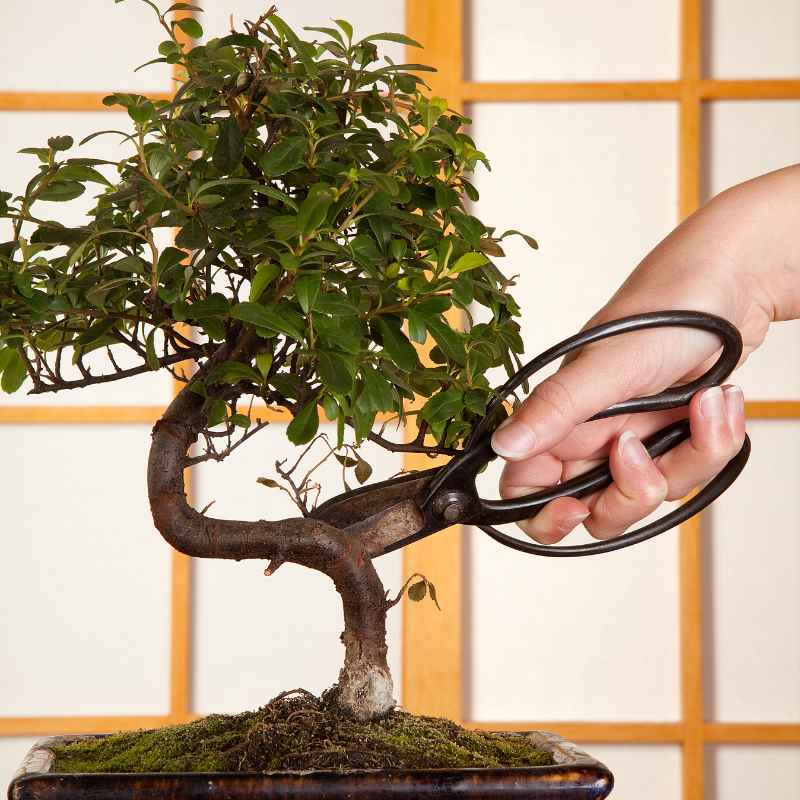
- Use clean, sharp concave cutters for branch removal and regular shears for tip pinching – clean cuts heal faster.
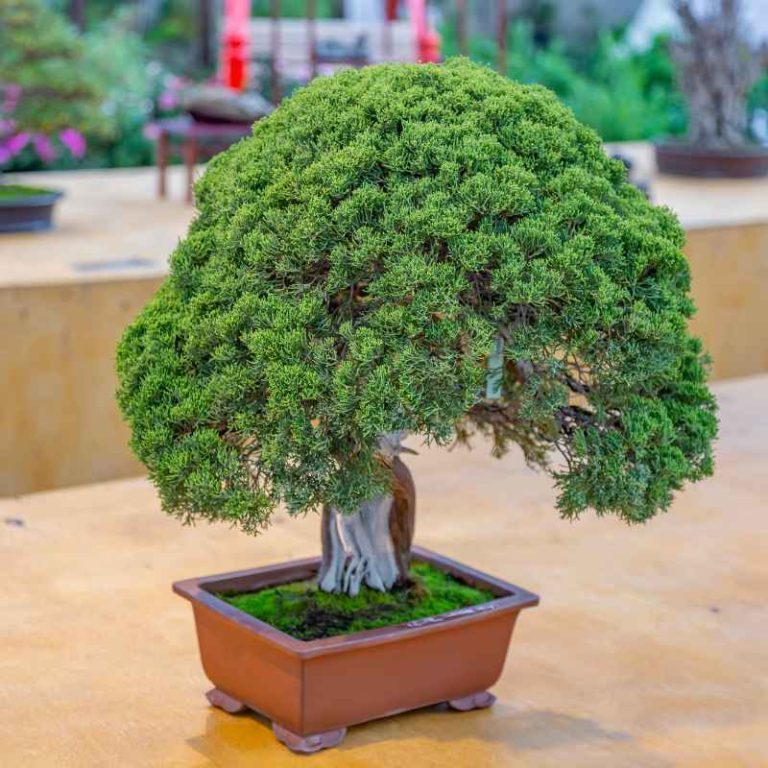
bonsai tree with thick reddish trunk and fresh green shoots, soft background |alt: Redwood bonsai tree with thick trunk and fresh shoots ready for first pruning |title: Redwood Bonsai Ready for First Pruning–>
What Makes Redwood Bonsai Pruning Different?
Redwoods belong to the Sequoioideae family, and their growth habits differ from pines and junipers. They are fast-growing conifers that can push several feet of new shoot growth in a single season. That vigor is both a blessing and a risk for bonsai growers.
Because redwoods back-bud readily on old wood, they respond well to hard pruning. But that same energy also means you need to time the first prune correctly. Cut too early while the trunk is still pencil-thin, and the tree will struggle to develop the characteristic tapering base that makes redwood bonsai striking.
Growth Pattern of Redwood Species
- Coast redwood (Sequoia sempervirens) grows best in cool, humid conditions and produces dense reddish bark.
- Dawn redwood (Metasequoia glyptostroboides) is deciduous and loses its leaves in autumn, giving clear seasonal cues.
- Giant sequoia (Sequoiadendron giganteum) grows slower, so the first prune often happens later than with other redwoods.
- All redwoods respond well to pruning in late spring when the first flush of needles hardens off.
- Redwoods form adventitious buds at cut points, which allows you to create new branch leaders from stubs.
According to the National Bonsai Foundation, redwoods are among the top five conifers used for bonsai in the United States because of their rapid growth and forgiving nature. The key is to read the signs the tree gives you, not to follow a strict calendar date.
How to Know Your Redwood Bonsai Is Ready for Its First Prune
The tree itself is the best guide. You want to see strong, healthy growth across multiple branches before you make that first cut. A mature root system is just as important as visible top growth.
Here are the signs that your redwood bonsai is ready for its first pruning:
- Trunk diameter at the base is at least 1/2 inch (12 mm) for small bonsai, or 3/4 inch for larger formats.
- The tree has put on a growth spurt of 6-8 inches in the current season without signs of wilting.
- Needles are deep green and firm, not pale or droopy.
- There are at least 6-8 side branches distributed along the trunk line.
- Roots have filled the pot and you can see them circling the drainage layer.
- The redwood has not been repotted within the last 4-6 weeks.
- You can clearly identify which branches will serve as the primary structure.
If even one of these conditions is missing, wait another growing season. According to the American Bonsai Society, a tree that is pruned while stressed will often respond by dropping branches or producing weak, leggy shoots. The first prune is a shaping event, not a rescue operation.
Tip: Place a chopstick in the pot and check it after watering. If the stick comes out with visible moisture, hold off on pruning. Dry soil encourages the tree to prioritize root growth, which is not the right time for canopy work.
The Best Season for First Pruning on a Redwood Bonsai
The calendar matters, but not as much as the tree’s internal signals. That said, late spring to early summer is the most reliable window for redwood bonsai. At this point, the first flush of growth has hardened, and the tree has the whole summer to heal.
| Season | Recommended for First Prune? | Reason |
|---|---|---|
| Late Spring (May-June) | Yes – Best window | Hardened first flush, full growing season ahead for healing |
| Early Summer (July) | Yes – Acceptable | Still enough time for new growth before autumn |
| Mid-Summer (August) | Caution | Late healing may be stunted by cooler nights |
| Autumn | Avoid | New wounds will not close before dormancy for deciduous redwoods |
| Winter | Avoid | Tree is dormant and cannot compartmentalize cuts effectively |
In warm coastal climates, you might get a second growth flush in late summer. That can allow a later first prune, but only if you have overwintering protection. Most growers agree that keeping the first prune in the late spring window produces stronger back-budding and faster wound healing.
Warning: Do not prune a redwood bonsai during a heatwave. If temperatures stay above 95°F (35°C) for several days, the tree can lose excessive moisture through fresh cuts and may drop interior foliage.
Step-by-Step: When to Make the First Pruning on a Redwood Bonsai
Now that you have confirmed the season and the tree’s readiness, follow this exact sequence. These steps protect the tree’s vascular system and guide its future shape with minimal stress.
- Water the tree thoroughly one day before pruning. Hydrated tissues bend more easily and cut cleaner than dry ones.
- Clean and sterilize your tools. Wipe concave cutters and shears with rubbing alcohol to prevent fungal infection.
- Study the branch structure. Identify the lowest branch that will become the primary leader. This is your anchor for all future pruning.
- Remove dead or crossing branches first. These consume energy and provide no structural value. Cut flush to the trunk using concave cutters.
- Shorten the strongest shoots to 2-3 pairs of needles. This forces the redwood to back-bud closer to the trunk, creating a denser canopy.
- Seal any cut larger than a pencil with cut paste. Redwoods have a high moisture content, and sealing prevents dehydration at the wound site.
- Place the tree in shade for 7-10 days afterward. This reduces transpiration and helps the tree allocate energy to healing.
For a first pruning on a redwood bonsai, the goal is structure, not decoration. Do not attempt to create final foliage pads during this session. Instead, remove heavy branches that compete with the main leader and trim back overly long shoots to maintain taper.
Pruning Depth by Redwood Style
- Formal upright (chokkan): Keep the trunk line straight and remove branches that break the vertical silhouette.
- Informal upright (moyogi): Select a gentle trunk curve and keep branches on the outside of each bend.
- Cascade (kengai): Remove branches that rise above the trunk tip to emphasize the downward flow.
- Group planting (yose-ue): Keep the tallest tree’s leader intact and prune only side branches of companion trees.
Important: The first pruning on a redwood bonsai should remove no more than 25-30% of the total foliage mass. The International Bonsai Art and Science Association reports that redwoods can survive a 50% prune, but only if they are vigorous and have a mature root system.
Common Mistakes to Avoid After the First Prune
The first prune is stressful for any tree, especially a young redwood. Many beginners make avoidable mistakes in the weeks that follow the cut. These errors can turn a promising bonsai into a struggling houseplant.
- Fertilizing too soon. Wait at least 3 weeks after pruning to apply any nitrogen-heavy fertilizer. The tree needs to heal before pushing growth.
- Rotating the pot too frequently. Constant repositioning can dislodge the root-soil interface and slow recovery.
- Removing more branches than intended. Stand back and walk away between cuts. The 25-30% rule is not a suggestion.
- Leaving jagged cuts. Clean cuts close quickly. Jagged cuts invite pests and disease.
- Immediate wiring. Do not wire a freshly pruned redwood. The cambium is sensitive, and wire marks become permanent scars.
According to a study by the University of California Agriculture and Natural Resources, conifers that are pruned during active growth heal wounds 30% faster than those pruned late in the season. That makes post-prune timing just as important as the prune itself.
Tip: Keep a pruning diary. Note the date, the weather, and the number of cuts you made. In future seasons, you can compare growth rates and learn how your specific redwood responds to early versus late pruning.
Aftercare: What to Do Right After Pruning
Once the first prune is done, your redwood bonsai enters a recovery phase. Watering, light exposure, and pest monitoring become your primary responsibilities. A redwood that receives proper aftercare will reward you with dense back-budding within 3-4 weeks.
Watering and Humidity
Redwoods prefer moist, well-draining soil and moderate humidity. After pruning, the tree’s canopy is reduced, so it needs less water than before. Test the soil daily with your finger and water only when the top inch feels dry.
Light Requirements
- Place the tree in bright, indirect light for the first week.
- After 10 days, move it to its usual full-sun spot if the sky is not scorching.
- If you live in a hot climate, provide afternoon shade during the first summer after pruning.
- Dawn redwoods will drop leaves if exposed to sudden bright light after pruning. Acclimate them gradually.
Pest Check Schedule
- Day 3: Inspect cut sites for weeping sap or discoloration.
- Day 7: Check needles and branch crotches for spider mites and aphids.
- Day 14: Look for the first signs of new buds. Record their location.
- Day 30: Assess the overall vigor. If the tree has pushed 5-6 new needles, the first prune was a success.
Many growers also apply a liquid seaweed solution at half strength two weeks after pruning. Seaweed extract is rich in cytokinins, which support bud break and root development. The RHS (Royal Horticultural Society) recommends it for woody plants that have been recently pruned.
Tools You Need for the First Pruning
You do not need a full professional toolkit for the first prune, but a few quality tools make a significant difference. Cheap scissors can crush the branch tips and peel bark from the trunk.
- Concave cutters: For cleanly removing branches from the trunk so the wound heals flat.
- Trimming shears: For shortening shoots by 1/3 to 1/2 without tearing the green needles.
- Wire cutters: Only if you plan to wire lightly after the first season. Not needed on pruning day.
- Cut paste: Use a clay-based paste to seal all cuts larger than 5 mm.
- Rubbing alcohol: Disinfect tools between trees, and between different redwood species.
- Spray bottle: For misting the canopy if humidity is low.
| Tool | Essential? | Alternative |
|---|---|---|
| Concave cutters | Yes | Sharp kitchen scissors (temporary) |
| Trimming shears | Yes | Bonsai shears with narrow blades |
| Cut paste | Recommended | Elmer’s glue (not ideal) |
Quality tools are a one-time investment. The Bonsai Tool Shop association notes that a well-maintained pair of concave cutters can last 20 years or more if you wipe them dry and oil the pivot point monthly.
Warning: Never use anvil-style pruners on a redwood bonsai. They crush the branch and leave a bruised collar that invites rot. Always use bypass cutters with a curved blade for a clean slice.
bonsai pruning tools laid out on a dark wooden surface |alt: Bonsai pruning tools including concave cutters and shears |title: Tools Needed for Redwood Bonsai First Pruning–>
Frequently Asked Questions
Can you prune a redwood bonsai in the first year of potting?
In most cases, no. A newly potted redwood needs a full season to establish its root system. Prune in the second summer, when the tree has visibly rooted into the new soil and is pushing strong shoots.
How many new branches should remain after the first pruning?
Keep between 3 and 5 primary branches that are evenly spaced around the trunk. Remove any branch that is thicker than one-third the trunk diameter. That ratio preserves taper and prevents the branch from dominating the tree.
Does the first pruning on a redwood bonsai differ for indoor vs. outdoor trees?
Outdoor redwoods in cool climates follow the natural flush pattern. Indoor redwoods grow more erratically because light and temperature are controlled. For indoor bonsai, wait until you see at least 3 inches of new growth before pruning, regardless of season.
What should I do if new buds do not appear after pruning?
Give the tree 4-6 weeks. Redwoods can be slow to respond. If no buds appear after 2 months, check for root rot by gently probing the soil.
Also verify that the tree received at least 6 hours of bright light daily during recovery.
Can I prune a redwood bonsai with normal household scissors?
Household scissors are fine for soft tip pinching, but not for removing branches. They lack the leverage needed for clean cuts on woody branches. Renting or borrowing a pair of concave cutters is a better choice for the first significant prune.
Final Thoughts
When to make the first pruning on a redwood bonsai comes down to reading the tree’s vigor and trusting the late-spring window. Let the trunk thicken, wait for a strong flush, and remove only the structural clutter. The first cut is conversation, not surgery – it sets the direction but leaves room for the tree to tell its own story.
Follow the guidelines here, track your tree’s response, and your redwood will become stronger, denser, and more beautiful with every season.
Related pick: Check today's price on Amazon