What Time of Year Should Bonsai Trees Be Repotted
Bonsai, the ancient Japanese art of cultivating miniature trees, is as much about timing as it is about aesthetics and skill. One of the most critical decisions a bonsai enthusiast faces is determining when to repot a bonsai tree. This task, seemingly simple, can profoundly affect the health, vigor, and longevity of your tree. Repotting at the wrong time can set growth back or even lead to root damage, while repotting at the ideal moment can invigorate the tree and ensure robust development.
Understanding the seasonal cycles, biological cues, and specific needs of different bonsai species is essential for successful repotting. Just as nature operates on a precise timetable, so too must bonsai practitioners. Whether you are nurturing a classic Japanese maple, a rugged juniper, or a delicate flowering azalea, the timing of your repotting efforts is crucial.
This guide provides an in-depth, evidence-based look at the optimal time of year to repot bonsai trees, examining factors such as climate, species, and tree age. You’ll discover actionable techniques, common mistakes to avoid, and expert tips to ensure each repotting cycle results in a thriving, beautiful bonsai.
Key Takeaways
- Repotting timing depends on tree species, climate, and individual tree health, but late winter to early spring is ideal for most bonsai.
- Evergreen and deciduous bonsai have distinct optimal repotting windows based on their growth cycles.
- Signs like root-bound soil, slow growth, or poor drainage indicate your bonsai may need repotting.
- Proper aftercare—including watering, placement, and pruning—maximizes recovery and healthy regrowth post-repotting.
- Mistimed repotting can result in stress, disease, or even tree death—timing is as crucial as technique.
- Expert insights and real-world examples highlight best practices for repotting success.
Understanding Bonsai Growth Cycles And Their Impact On Repotting Timing
Bonsai trees, despite their diminutive size, follow the same biological rhythms as their full-sized counterparts. A deep understanding of these growth cycles is the first step in determining the optimal repotting window.
The Dormant Season: A Natural Pause
Most temperate bonsai species, such as maples and elms, enter a dormant phase during winter. During this period, metabolic activity slows, sap flow decreases, and the tree focuses on conserving energy. This dormancy provides a crucial window for repotting:
- The tree experiences minimal shock when roots are pruned.
- Root regrowth is stimulated as temperatures rise, allowing rapid recovery before the demands of spring growth.
- Fungal and bacterial infection risks are lower, as pathogens are less active in cooler temperatures.
The Growth Season: Rapid Expansion
As days lengthen and temperatures rise in spring, bonsai trees exit dormancy and enter the growth phase. Buds swell, leaves unfurl, and roots begin to expand aggressively. Repotting just as buds begin to swell—but before leaves open fully—takes advantage of this natural surge in growth hormones. This timing ensures:
- Quick establishment of new roots in fresh soil.
- Minimal disruption to the photosynthetic process, as the canopy is not yet fully active.
- Reduced risk of transplant shock, as the tree’s energy is directed toward new growth.
Resting And Hardening: Summer And Autumn
By midsummer, many bonsai species enter a resting period. Growth slows, and energy is channeled into hardening new wood and preparing for the coming dormancy. Repotting during this period is generally discouraged because:
- Trees are less able to recover from root disturbance.
- The risk of heat stress and water loss increases.
- Late-season repotting may not allow sufficient time for roots to establish before winter.
Tropical And Subtropical Species: A Different Rhythm
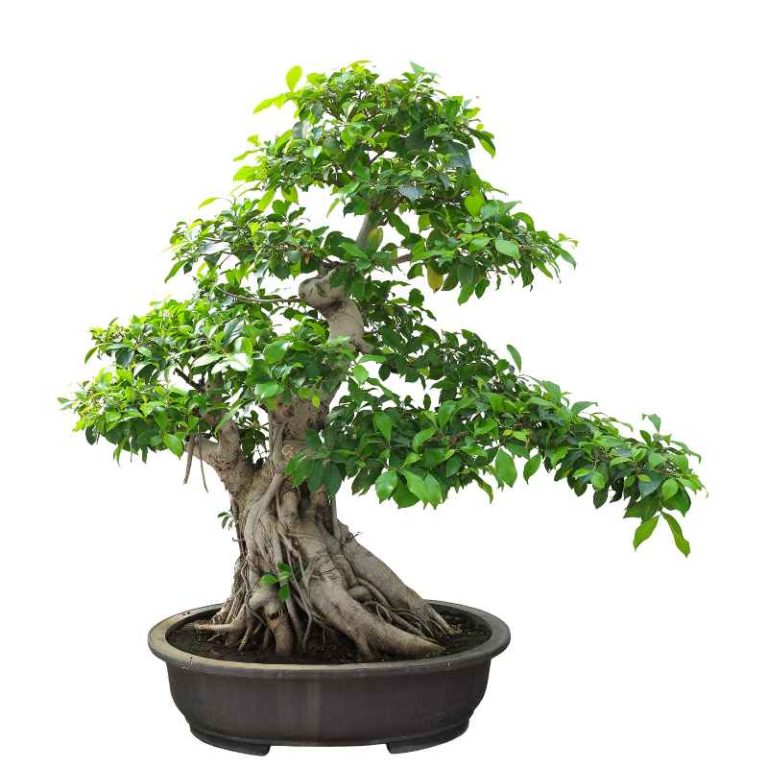
Tropical bonsai, such as Ficus or Bougainvillea, follow a different schedule. These trees often grow year-round with only short resting periods, making their repotting windows more flexible. However, avoiding periods of extreme heat or cold is still advisable.
Species-specific Repotting Windows: When To Repot Different Types Of Bonsai
No two bonsai species are exactly alike. Understanding the unique requirements of each tree type is crucial for choosing the best repotting time.
Deciduous Bonsai Trees
Species such as Japanese maple (Acer palmatum), Chinese elm (Ulmus parvifolia), and Trident maple (Acer buergerianum) thrive when repotted in late winter to early spring.
- Best time: Just as buds begin to swell, typically between late February and early April (Northern Hemisphere).
- Why: The tree is still dormant, minimizing stress, but root growth will soon accelerate.
Evergreen Coniferous Bonsai
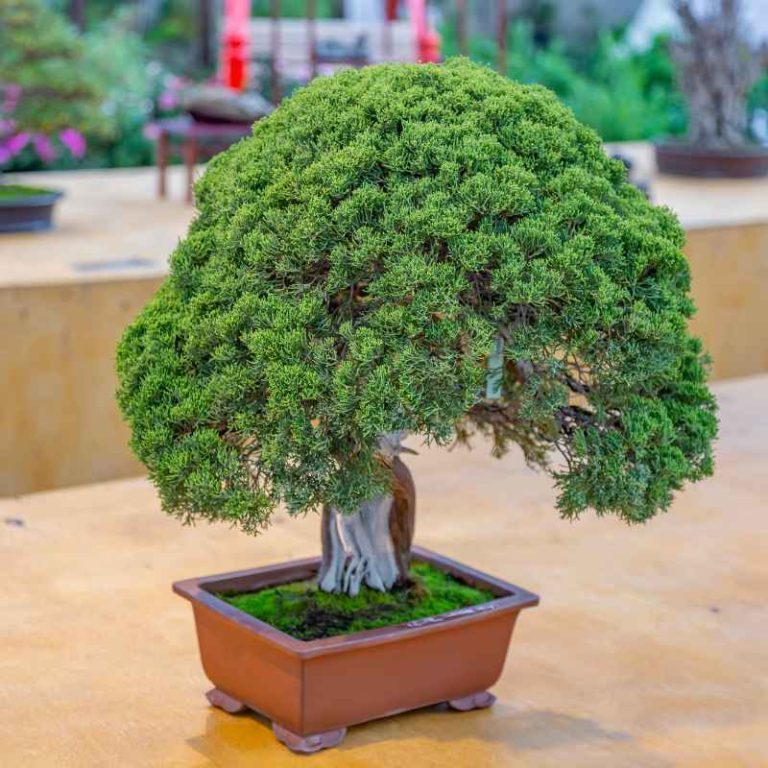
Juniper (Juniperus spp.), Pine (Pinus spp.), and Spruce (Picea spp.) require a slightly different approach.
- Best time: Late winter, before new buds appear, or in very early spring.
- Why: Conifers are sensitive to root disturbance when active; early repotting ensures recovery before active growth.
Broadleaf Evergreens
Species such as Boxwood (Buxus spp.), Olive (Olea europaea), and Azalea (Rhododendron indicum) prefer:
- Best time: Early spring, as new growth emerges but before flowering.
- Why: This timing supports both root recovery and robust new foliage.
Tropical And Subtropical Bonsai
Ficus, Bougainvillea, and Schefflera can be repotted any time when temperatures remain above 60°F (15°C).
- Best time: Late spring to early summer, during peak growth.
- Why: Warm temperatures and longer days drive vigorous root regrowth.
Comparison Table: Optimal Repotting Windows By Species
| Bonsai Type | Common Species | Best Repotting Season | Notes |
|---|---|---|---|
| Deciduous | Japanese Maple, Chinese Elm | Late Winter/Early Spring | When buds swell, before leaves open |
| Coniferous Evergreen | Pine, Juniper, Spruce | Late Winter/Early Spring | Before new buds; avoid active growth |
| Broadleaf Evergreen | Boxwood, Olive, Azalea | Early Spring | After last frost, before flowering |
| Tropical/Subtropical | Ficus, Bougainvillea | Late Spring/Early Summer | When temps > 60°F (15°C) |

Key Factors Affecting The Timing Of Bonsai Repotting
While species-specific guidelines provide a foundation, several other variables can affect the ideal timing for repotting.
Climate And Location
- Temperate climates: Repot just before spring growth begins.
- Mediterranean climates: Early spring or late autumn may be suitable, depending on rainfall and temperature.
- Tropical regions: Monitor for periods of active growth, avoiding both extreme heat and heavy rainfall.
Age And Health Of The Tree
- Young bonsai require more frequent repotting (every 1–2 years), as their roots grow rapidly.
- Mature specimens may only need repotting every 3–5 years.
- Weak or sick trees should not be repotted unless absolutely necessary, as root disturbance can exacerbate stress.
Soil Condition And Root Health
Regularly inspect your bonsai’s soil and roots. Signs that repotting may be needed include:
- Water pools on the soil surface, indicating poor drainage.
- Roots circling the pot or protruding from drainage holes.
- Soil compaction or sour odor.
Local Microclimate And Indoor Vs. Outdoor Bonsai
- Indoor bonsai may have slightly different timing due to controlled temperatures and humidity.
- Sheltered outdoor trees can sometimes be repotted slightly earlier than those exposed to harsh elements.
Real-world Example: Climate Influence
A bonsai enthusiast in Seattle may repot maples in late February, taking advantage of mild winters. Meanwhile, a grower in Chicago must wait until late March or early April, once the threat of hard frost has passed. Adjust your timing based on your local conditions, not just the calendar.
Recognizing The Signs: When Your Bonsai Needs Repotting
Knowing the general timing is important, but learning to read your tree’s specific signals is the hallmark of an expert bonsai grower.
Visual Cues From The Tree
- Leaf yellowing or poor color during the growing season.
- Reduced leaf size or weak new shoots.
- Wilting despite regular watering.
Root And Soil Indicators
- Roots forming a dense mat at the bottom or sides of the pot.
- Soil is no longer crumbly, instead appearing compacted or exhausted.
- Moss or algae overgrowth on the soil surface.
Growth Patterns
- Slowed or stunted growth despite adequate light and nutrition.
- Flowering or fruiting decline in species that typically produce blooms.
Annual Vs. Biennial Repotting: How Often Is Too Often?
| Bonsai Age | Repotting Frequency | Notes |
|---|---|---|
| Seedlings (1–3 years) | Every year | Encourages strong root development |
| Young Bonsai (3–10 years) | Every 1–2 years | Check roots annually |
| Mature Bonsai (>10 years) | Every 3–5 years | Repot only when needed |
Case Study: The “rootbound Juniper”
A hobbyist noticed their Shimpaku juniper showing brown tips and slow growth in midsummer. Upon inspection, they found a dense root mass circling the pot, with water pooling on the surface. Despite it being outside the ideal late-winter window, emergency repotting was performed, saving the tree but causing a temporary setback in vigor—a clear example of why both timing and monitoring are essential.
The Step-by-step Process: How To Repot Your Bonsai At The Right Time
Repotting is more than just moving a tree to a new container. Proper timing, preparation, and technique ensure a successful transition.
Preparing For Repotting
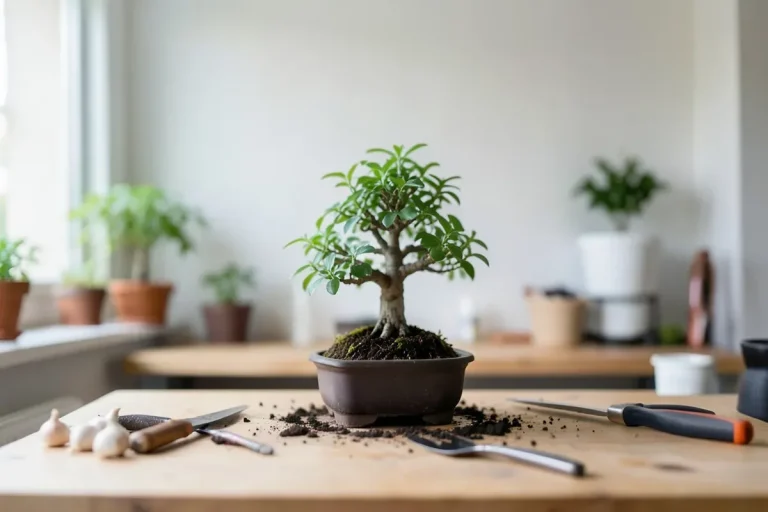
- Gather materials: New or cleaned pot, fresh bonsai soil, root shears, chopsticks, mesh, and wire.
- Water the tree the day before to ensure roots are hydrated.
- Work in a shaded, wind-free area to minimize stress.
The Repotting Procedure
- Remove the tree gently from its pot, using a root rake to loosen the soil.
- Inspect and prune the roots: Remove up to one-third of the root mass, focusing on long, circling roots.
- Clean the pot and place mesh over drainage holes.
- Add a layer of fresh soil at the bottom, position the tree, and fill around the roots with new soil.
- Use chopsticks to eliminate air pockets, ensuring even soil contact.
- Secure the tree with wire if needed, especially for larger specimens.
- Water thoroughly until runoff is clear.
Aftercare: Critical Recovery Steps
- Place the tree in a sheltered spot, avoiding direct sunlight and wind for 1–2 weeks.
- Monitor soil moisture carefully—avoid both overwatering and drying out.
- Avoid fertilizing for at least 3–4 weeks post-repotting.
- Resume regular care once signs of new growth appear.
Case Study: Successful Repotting Of A Japanese Maple
A bonsai artist in Portland, Oregon, repotted a mature Japanese maple in early March as buds began to swell. By following proper technique and aftercare, the tree responded with a flush of healthy new leaves and ramified branching, illustrating the benefits of precise timing.
Common Mistakes And How To Avoid Them
Even seasoned bonsai practitioners can make errors in the repotting process, especially regarding timing.
Repotting At The Wrong Time
- Too early (mid-winter): Roots are dormant and may not recover.
- Too late (mid-spring/summer): Active growth can be disrupted, risking dieback or loss.
Over-pruning Roots
- Removing more than one-third of the root mass can cause severe shock.
- Always balance root pruning with corresponding canopy pruning.
Using Incorrect Soil Mix
- Poor drainage or inappropriate soil composition can negate the benefits of repotting.
- Research species-specific soil requirements, such as akadama for Japanese maples or kanuma for azaleas.
Neglecting Aftercare
- Placing a freshly repotted tree in full sun can result in dehydration and leaf scorch.
- Premature fertilization may burn sensitive new roots.
Real-world Example: The “summer Azalea Disaster”
An amateur repotted an azalea bonsai during a hot July spell, thinking the tree needed more space. The combination of heat and root disturbance led to wilting and loss of most leaves. The tree survived, but recovery took nearly a year—a cautionary tale on the importance of proper timing.
Expert Insights: What Professional Growers Recommend
Leading bonsai professionals consistently emphasize that timing is everything when it comes to repotting. Their advice can help both beginners and advanced practitioners maximize the health and beauty of their trees.
Insights From The Bonsai World
- Ryan Neil of Bonsai Mirai suggests, “Repot when the tree’s energy is moving toward the roots, just as buds swell but before active leaf growth.”
- Peter Warren, author and bonsai judge, advises, “Don’t follow the calendar blindly—observe your tree’s biological cues.”
- According to the American Bonsai Society, “Repotting at the right time can mean the difference between a thriving bonsai and a struggling one” (American Bonsai Society).
Checklist: Professional Repotting Readiness
- Are buds swelling but not yet opened?
- Is the weather stable, with no frost expected?
- Is the tree healthy and well-watered?
- Do you have all supplies ready, including species-appropriate soil?
Real-world Example: The “mirai Pine Protocol”
At Bonsai Mirai, Japanese black pines are repotted every 3–4 years in late February. The trees are protected from late frosts post-repotting, resulting in vigorous spring growth and dense, healthy needles. This protocol has been validated over thousands of specimens.
Data-driven Insight: Repotting Outcomes
A study published by the International Bonsai Magazine found that trees repotted during their optimal window had a 25% faster recovery rate and 40% fewer cases of root rot compared to those repotted off-season (International Bonsai Magazine).
Regional And Climate Adaptations: Fine-tuning Repotting Timing
Bonsai care is not a one-size-fits-all practice. Adapting to your local climate ensures the best results.
Northern Climates
- Wait until the risk of hard frost is past—often late March to early April.
- Use cold frames or greenhouses to extend the repotting window.
Mediterranean And Mild Coastal Regions
- Late winter or even late autumn repotting may be possible due to milder conditions.
- Monitor for unexpected cold snaps.
Hot, Dry Climates
- Repot in early spring, before extreme heat arrives.
- Ensure excellent aftercare to prevent desiccation.
Humid Subtropical/tropical Areas
- Time repotting before the onset of the rainy season.
- Avoid periods of high humidity that can promote root rot.
Example Table: Repotting Timeframes By U.s. Region
| Region | Optimal Repotting Month | Notes |
|---|---|---|
| Northeast | March–April | After last frost |
| Southeast | February–March | Earlier due to warmer winters |
| Pacific Northwest | February–March | Mild winters allow early repotting |
| Southwest | February–March | Repot before heat rises |
| Midwest | March–April | Wait for soil thaw |
Sourcing Local Advice
Connect with regional bonsai clubs or societies for hyper-local guidance. The Bonsai Society of San Francisco and the Dallas Bonsai Society offer region-specific repotting calendars (Bonsai Society of San Francisco, Dallas Bonsai Society).
Frequently Asked Questions
How Can I Tell If My Bonsai Tree Needs Repotting?
Look for roots circling the pot, slow growth, poor drainage, or soil that dries out too quickly. If you see roots protruding from drainage holes or the soil has lost its structure, your tree likely needs to be repotted. Annual root inspections, even if you don’t repot, help catch issues early.
Can I Repot My Bonsai In The Summer If It Seems Unhealthy?
Repotting in summer is not recommended for most species, as it can compound stress and reduce survival rates. Only perform emergency repotting if the tree is root-bound or suffering from root rot, and provide intensive aftercare. Otherwise, wait for the next optimal window.
Do Tropical Bonsai Have Different Repotting Needs Than Temperate Species?
Yes, tropical bonsai like Ficus and Bougainvillea can be repotted during warmer months when temperatures are above 60°F (15°C). Their continuous growth cycle allows more flexibility, but avoid extremes of heat or cold for best results (Wikipedia: Bonsai).
Should I Fertilize My Bonsai Immediately After Repotting?
No. Avoid fertilizing for at least 3–4 weeks after repotting. The roots are sensitive and need time to recover. Begin fertilizing once you observe new growth, following a diluted regimen initially (Royal Horticultural Society).
What Is The Best Soil Mix For Repotting Bonsai?
The ideal soil mix varies by species, but a blend of akadama, pumice, and lava rock is popular for many temperate trees. Azaleas prefer kanuma, while tropicals like Ficus benefit from a slightly richer, more organic mix. Good drainage and aeration are essential.
Successfully timing the repotting of your bonsai tree is both an art and a science. By understanding species-specific needs, local climate, and individual tree signals, you can ensure each repotting cycle revitalizes your bonsai. Drawing on expert advice and real-world experience, this guide equips you to make confident, informed decisions—helping your bonsai thrive for years to come. For further reading and advanced techniques, consider resources such as the Bonsai Empire and the Bonsai Outlet. With patience, observation, and care, your bonsai will reward you with enduring beauty and vitality.