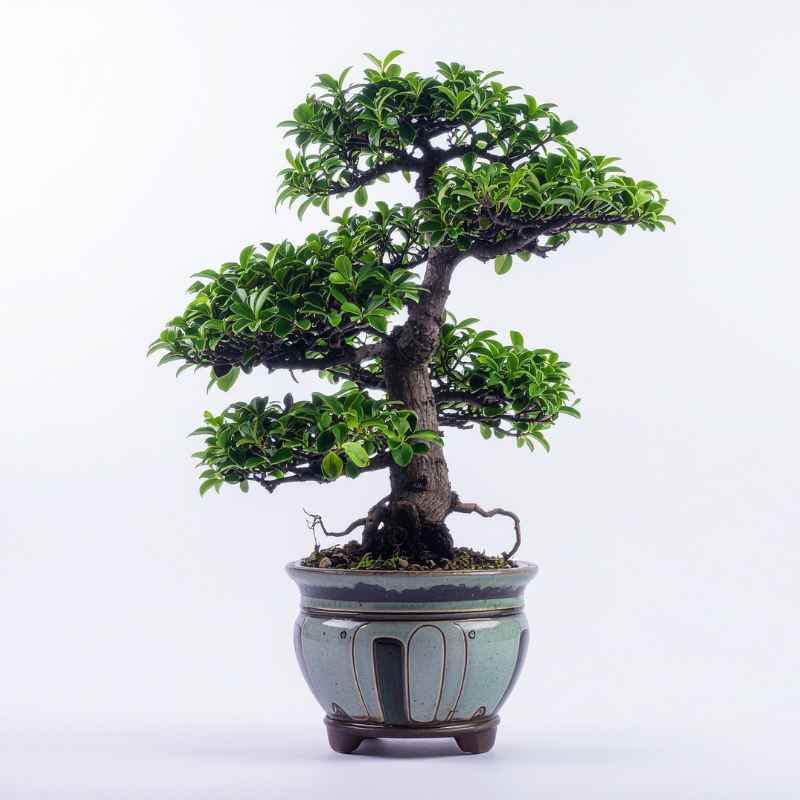
How To Revive A Money Tree Bonsai With A Squishy Trunk
A squishy money tree bonsai trunk often signals overwatering or root rot. Addressing the moisture levels, improving soil drainage, and adjusting light exposure can help revive the plant. Early intervention is key to recovery.

Fleshy Flora
Small Live Braided Money Tree Plants in…
- Our money tree features a distinctive braided trunk and lively green foliage, making it a stunning decorative plant. It looks lush…
- Unlike basic money plants, our money tree comes with an eye-catching planter that makes your bonsai stand out. It blends seamlessl…
- Add a touch of green to your home with the money trees. Money Tree is a low-maintenance plant that requires minimal care. You can…
As an Amazon Associate I earn from qualifying purchases.
For another bonsai-specific follow-up, What Causes A Bonsai Money Tree'S Leaves To Turn Brown? gives readers a related care or selection angle.
For another bonsai-specific follow-up, Why Are My Money Tree Bonsai Leaves Turning Yellow? Fixed gives readers a related care or selection angle.
Readers comparing bonsai options may also find How to Deal With Trunk Rot on Bougainvillea Bonsai Tree useful before choosing a tree or pot.

Understanding Your Money Tree Bonsai’s Trunk
Your money tree bonsai, scientifically known as Pachira aquatica, is a popular choice for good reason. It’s often seen as a symbol of good luck and wealth. Its braided trunk is iconic.
The trunk itself is more than just its support. It’s where the tree stores water and nutrients. Think of it like a pantry for your plant.
When the trunk starts to feel soft or mushy, it means something is wrong with how it’s storing or processing that vital sustenance.
The main reason for a squishy trunk is usually too much water. Money trees are pretty forgiving, but they can’t handle soggy soil for long. When the soil stays wet, the roots can’t breathe.
This leads to a condition called root rot. Root rot is bad news. It means the roots start to decay.
This decay can spread upwards into the trunk. The mushy feeling is often the first sign that this decay process has begun.
Another thing to consider is the type of soil you’re using. If it’s too heavy or doesn’t drain well, water can get trapped. This creates a perfect environment for rot.
Even if you’re watering correctly, the wrong soil can still cause problems. Your money tree needs soil that lets water flow through easily. It also needs to allow air to reach the roots.
Sometimes, the issue might also be related to light. Money trees like bright, indirect light. If they get too little light, they can’t use the water efficiently.
This can also lead to water sitting around too long. So, the trunk’s condition is a direct reflection of its overall health and environment. It’s a distress signal you absolutely need to pay attention to.

My Own Money Tree Meltdown (And How I Fixed It)
I remember one particularly stressful week a few years back. I’d just moved into a new apartment and was trying to get all my plants settled. I was so proud of my money tree bonsai.
It had a beautiful braided trunk and lush green leaves. I’d been keeping it on a windowsill that got morning sun. But in the new place, the light was different.
It was much brighter and hotter in the afternoon.
I continued my usual watering schedule, thinking I was doing a great job. Then, one day, I touched the trunk. It felt… soft.
Not firm and solid like it should be. My stomach dropped. I immediately thought the worst.
Was it root rot? Was the whole plant a goner? I felt a wave of panic.
I’d only had it for about six months, and I really didn’t want to lose it.
I remember rushing online, searching for “money tree trunk soft.” The results were a mix of dire warnings and hopeful advice. I took it to my kitchen table, away from direct light, and gently examined the soil. It was still quite damp, even though I’d watered it a few days prior.
That’s when it hit me. The new, intense sunlight was probably drying out the top layer, making me think it needed water when it really didn’t. The moisture was getting trapped lower down, near the roots.
This was leading to that dreaded root rot.
My first instinct was to repot it immediately. But I read that sometimes, this can shock a stressed plant even more. So, I decided on a gentler approach first.
I carefully removed the tree from its pot. I was so relieved to see that most of the roots weren’t completely mushy. Some were a bit darker than they should be, but there was still hope.
I gently brushed away as much of the wet soil as I could. Then, I let the root ball air out for a few hours in a shady spot. It was a tense few hours.
But seeing it start to firm up a little bit after that process gave me so much relief. It was a reminder that sometimes the simplest actions, when timed right, can save a plant.
Money Tree Trunk Health Indicators
Healthy Trunk: Feels firm to the touch. It is solid and resilient. The color is typically a light brown or tan.
It looks robust and strong.
Concerning Trunk: Feels soft, spongy, or squishy. It might yield easily when pressed. The color may darken to brown or black.
It might smell off, like mildew or decay. This is a clear warning sign.
What It Means: A healthy trunk shows good water and nutrient storage. A concerning trunk indicates a problem, usually too much moisture and potential rot.
Why Does the Trunk Get Squishy? Unpacking the Causes
The most common culprit behind a squishy money tree trunk is undeniably overwatering. It’s easy to fall into this trap. We want to give our plants what they need, and sometimes we show that care by giving them more water than they can handle.
Money trees are native to swampy areas, but this doesn’t mean they like sitting in water constantly. They need well-draining soil to allow their roots to get oxygen.
When the soil stays wet for too long, the roots can’t breathe. This lack of oxygen suffocates the roots. Then, fungi and bacteria that thrive in wet conditions start to attack.
This is root rot. The infected roots can’t absorb water or nutrients effectively. They start to break down.
This decay process can then spread from the roots up into the base of the trunk. The trunk tissue becomes waterlogged and mushy as it dies.
Poor drainage in the pot or soil is a major contributing factor. If your pot doesn’t have drainage holes, water has nowhere to go. It will just pool at the bottom.
Even if you have drainage holes, if your soil mix is too dense or holds too much water, it can still lead to waterlogged conditions. Heavy potting soils, like those with a lot of peat moss and no perlite or sand, are especially problematic. They act like a sponge that never dries out.
Sometimes, a squishy trunk can also be a sign of a fungal infection independent of root rot. Certain soil-borne fungi can attack the trunk directly, especially if there are wounds or damaged areas. This can cause soft, mushy spots to develop.
Temperature also plays a role. Very cold temperatures combined with wet soil can damage roots and increase the risk of rot.
Compacted soil is another issue. Over time, soil can become compressed. This reduces airflow to the roots.
It makes it harder for water to drain. Even if you were watering perfectly before, compacted soil can change everything. It’s like trying to drink through a clogged straw.
The water just doesn’t move right.
Finally, sometimes pests can cause damage that weakens the trunk, making it more susceptible to rot or fungal issues. Look for any signs of insects on the plant or in the soil. If you see tiny bugs, that could be part of the problem too.
But usually, the main story is about water and drainage.

How to Revive a Money Tree With a Squishy Trunk: Step-by-Step
Okay, so your money tree’s trunk feels squishy. Don’t panic just yet! With prompt action, you can often save your plant.
The goal is to remove the excess moisture and address the root cause of the rot.
Step 1: Assess the Damage
Gently remove the money tree from its pot. This is the most crucial first step. Be careful not to damage any healthy roots.
Turn the pot upside down and support the plant. You might need to tap the sides of the pot to loosen it. Once it’s out, examine the roots and the base of the trunk.
Step 2: Inspect and Prune Roots
Look for any roots that are dark, mushy, or have a foul smell. These are the rotted roots. Use a clean, sharp pair of scissors or a pruning shear to carefully cut away all the affected roots.
Make clean cuts back to healthy root tissue. Healthy roots are usually white or light tan and firm.
Also, look at the base of the trunk where it meets the soil. If there are any soft, mushy, or discolored spots on the trunk itself, you might need to trim those away too. Use a sterile knife or blade.
Try to cut away only the diseased tissue.
Step 3: Improve Drainage and Repot
You need to repot your money tree into a pot with good drainage. Make sure it has drainage holes at the bottom. For the soil, use a well-draining potting mix.
A cactus or succulent mix works well. You can also mix in perlite or coarse sand to improve drainage even further. About 2 parts potting mix to 1 part perlite is a good start.
When repotting, do not use the old, soggy soil. Place a small amount of your new, well-draining soil into the bottom of the pot. Position your money tree so the base of the trunk is at the same level it was before, or slightly higher.
Fill in around the roots with the new soil. Gently firm the soil to remove air pockets, but don’t pack it too tightly.
Step 4: Adjust Watering Schedule
This is vital. After repotting, do not water immediately. Let the plant settle for a day or two.
Then, water thoroughly, allowing excess water to drain out completely. Going forward, water only when the top 1-2 inches of soil feel dry to the touch. Stick your finger into the soil to check.
It’s always better to underwater slightly than to overwater.
Step 5: Provide Proper Light and Airflow
Place your revived money tree in a spot that gets bright, indirect sunlight. Avoid direct, harsh sunlight, especially in the afternoon. Good airflow is also important.
Avoid placing it in a stagnant, humid corner. If you can, a gentle fan on a low setting nearby can help circulate air around the plant and soil.
Step 6: Monitor and Be Patient
Recovery takes time. Keep a close eye on your money tree. The trunk should gradually firm up.
New growth is a good sign. If the trunk continues to soften or you see more signs of rot, you may need to repeat some of these steps or consider if the damage was too extensive.
Quick Check for Soil Moisture
Test Method: The Finger Test
How To: Insert your finger about 1-2 inches into the soil. Feel the soil.
If it feels:
- Dry: It’s time to water.
- Moist: Wait a few more days.
- Wet/Soggy: You are likely overwatering or have poor drainage.
Tip: This test works best in well-draining soil. It helps you avoid guessing.
The Role of Soil and Potting Mix
The right soil is like the foundation of a house for your money tree. If the foundation is weak, the whole structure can suffer. For money trees, especially those prone to trunk issues, a well-draining potting mix is non-negotiable.
Standard potting soil can be too dense. It holds too much moisture, leading to the very problems we’re trying to avoid.
A good mix for money trees should be light and airy. It should allow water to pass through quickly. It also needs to let air circulate around the roots.
This is crucial for root health. Many experienced growers use a mix that includes components like perlite, pumice, or coarse sand. These materials help to create air pockets and improve drainage.
For example, a simple yet effective mix could be: 2 parts high-quality potting soil, 1 part perlite, and 1 part coarse sand. Or, you can buy a specialized succulent or cactus mix, which is already formulated for excellent drainage, and then add a little extra perlite to it. The key is to avoid anything that stays waterlogged for days.
When repotting a money tree with a squishy trunk, fresh soil is important. Old soil can harbor disease. It might also be compacted, which hinders drainage.
Using new, well-aerated soil gives your plant the best chance to recover. You want the roots to be able to breathe freely and access oxygen.
Think about the pot itself. A terracotta pot can be a good choice. Terracotta is porous, meaning it allows air to pass through its walls.
This helps the soil dry out more evenly. Plastic pots can be good too, but they hold moisture longer. Whichever pot you choose, ensure it has drainage holes.
Multiple holes are better than one.
If you’re in a humid climate, you might need an even faster-draining mix. If you’re in a very dry climate, you might get away with a slightly denser mix, but never one that stays soggy.
The lesson here is that soil isn’t just dirt. It’s the medium that supports life. For a plant like the money tree, which can be sensitive to excess moisture, the right soil is a critical part of its survival.
Light Requirements and Air Circulation
Light is another huge factor in your money tree’s health, and it indirectly affects trunk moisture. These trees thrive in bright, indirect light. Imagine dappled sunlight filtering through a forest canopy.
That’s the ideal. Too much direct sun, especially harsh afternoon sun, can scorch the leaves and dry out the plant too quickly, leading to watering mistakes.
Too little light is also a problem. When a money tree doesn’t get enough light, it can’t photosynthesize effectively. This means it uses water very slowly.
If you continue to water it as if it were in a brighter spot, the excess water will just sit in the soil. This is a direct pathway to root rot and a squishy trunk.
Finding the right spot is key. An east-facing window is often perfect, as it provides gentle morning sun. A south or west-facing window can work, but you might need to use sheer curtains to filter the light during the hottest parts of the day.
If your home doesn’t have enough natural light, consider using a grow light. Keep it on a timer for about 12-14 hours a day.
Now, let’s talk about airflow. Good air circulation is like a gentle breeze for your plant. It helps the soil surface dry out.
It prevents stagnant air pockets from forming around the plant. This is especially important after watering or if you’ve had issues with humidity.
If your money tree is in a crowded area or a room with poor ventilation, the soil can stay damp for too long. This creates a breeding ground for fungal diseases. You don’t need a strong fan, just a gentle circulation.
Sometimes, simply not crowding your plants too closely together can improve airflow. If you live in a very humid climate, good airflow is even more critical.
Think of it this way: light fuels the plant’s growth, and air helps its environment stay healthy. Both work together to prevent the conditions that lead to a squishy trunk. When these two elements are balanced, your money tree’s trunk will remain firm and healthy.
Light Meter Basics
Low Light: Can tolerate shade or very little natural light. Often found in north-facing windows or interior rooms.
Medium Light: Prefers bright, indirect light. East-facing windows or locations a few feet from a south/west window.
Bright Light: Needs direct sun for part of the day, often morning sun. South/west-facing windows with minimal obstruction.
Money Tree Goal: Aim for Medium to Bright indirect light. Avoid direct, harsh sun.
When to Worry: Identifying Advanced Rot
Sometimes, even with the best efforts, a squishy trunk can indicate a problem that’s gone too far. It’s important to know when to recognize the signs of advanced root rot or trunk decay. This will help you decide if the plant is salvageable.
If the entire trunk is soft and mushy, not just a small section, that’s a bad sign. When you squeeze it, does a lot of water or dark liquid come out? That’s a clear indicator of advanced rot.
If the trunk feels hollow or collapses when you touch it, the damage is likely too severe.
Look at the leaves. If most of the leaves are yellowing, wilting, and dropping off, and the trunk is also soft, the plant is under severe stress. While yellowing leaves can be caused by many things, when combined with a squishy trunk, it points to a systemic problem.
Another warning sign is a persistent foul odor. If the plant and soil smell distinctly of decay, mold, or mildew, it suggests a significant fungal or bacterial infection. Healthy soil should smell earthy, not rotten.
If you’ve repotted the tree, pruned away all the rotted roots and affected trunk tissue, and the trunk continues to soften or show new signs of decay within a week or two, it might be time to accept that the plant cannot be saved. Sometimes, rot spreads faster than we can combat it.
In very rare cases, a squishy trunk could be a symptom of certain bacterial infections that are extremely difficult to treat. The best approach is always to act quickly. The sooner you identify the problem and take corrective action, the higher your chances of success.
Don’t be afraid to cut away as much diseased material as possible. If there’s even a small section of healthy root or trunk left, there’s a chance for recovery.
Signs of Advanced Rot
Trunk Texture: Very soft, mushy, or hollow throughout. May ooze liquid when squeezed.
Leaf Condition: Widespread yellowing, wilting, and leaf drop.
Odor: Strong, unpleasant smell of decay or mildew.
Appearance: Significant browning or blackening of the trunk base.
Action: If most of these signs are present, recovery is unlikely. Consider starting over with a new plant.
Common Mistakes to Avoid
When trying to save a money tree with a squishy trunk, it’s easy to make missteps. Let’s talk about some common mistakes so you can steer clear of them.
Mistake 1: Overwatering During Recovery. This is the most frequent error. After repotting and pruning, you might think the plant needs a big drink to recover. But the damaged roots and trunk are very sensitive.
Watering too soon or too much can reintroduce the problem or prevent healing.
Mistake 2: Using the Wrong Soil. Repotting into another dense, water-retentive mix is a recipe for disaster. You must switch to a well-draining soil that allows air to penetrate. If you’re unsure, a cactus/succulent mix with added perlite is a safe bet.
Mistake 3: Insufficient Light. Trying to recover the plant in a dark corner won’t help. Money trees need bright, indirect light to thrive and for their tissues to function properly. Without enough light, they can’t use the water they get, leading to stagnation.
Mistake 4: Over-fertilizing. A stressed plant doesn’t need fertilizer. In fact, fertilizer can burn its sensitive roots. Wait until your money tree shows clear signs of recovery and is actively growing before considering any feeding.
Mistake 5: Repotting Too Aggressively. While you need to remove rot, don’t strip away all the soil or aggressively cut healthy roots unnecessarily. The goal is to remove disease, not to traumatize the plant further. Be surgical with your pruning.
Mistake 6: Ignoring the Pot. If the pot doesn’t have drainage holes, it’s a ticking time bomb. Even with the best soil, water has nowhere to escape. Always use pots with adequate drainage.
Mistake 7: Waiting Too Long. The most critical mistake is delaying action. The longer rot sits in the soil and damages the roots and trunk, the harder it is to save the plant. As soon as you notice a squishy trunk, take action.
Avoiding these common pitfalls will significantly increase your chances of successfully reviving your money tree bonsai.
Quick Fix Checklist
Do:
- Use well-draining soil.
- Water only when dry.
- Provide bright, indirect light.
- Ensure pot has drainage holes.
- Prune dead/rotted roots and trunk tissue.
Don’t:
- Overwater.
- Use dense, soggy soil.
- Place in dark corners.
- Fertilize a stressed plant.
- Ignore early signs of rot.
Frequently Asked Questions About Money Tree Trunks
My money tree trunk is getting hard spots, is that bad?
Hard spots on the trunk can sometimes indicate a different issue. If they are very hard and dry, it might be corking, which is a natural process where the plant hardens certain tissues for support. However, if these spots are discolored, or if the trunk is also soft elsewhere, it’s worth investigating further for signs of disease or damage.
Can I propagate a money tree from a healthy part of the trunk?
Yes, it’s sometimes possible to take stem cuttings from a healthy part of the money tree trunk or branches. After taking a cutting, allow the cut end to callus over for a day or two. Then, plant it in well-draining soil.
Keep the soil slightly moist and provide bright, indirect light. Rooting can take several weeks to months.
How often should I water my money tree bonsai?
The frequency of watering depends heavily on your environment, the size of the pot, and the type of soil. A general rule of thumb is to water when the top 1-2 inches of soil feel dry to the touch. This might be once a week, or it could be every two weeks.
Always check the soil moisture before watering.
My money tree’s trunk is slightly soft, but not squishy. What should I do?
If the trunk feels only slightly soft and not overtly mushy or waterlogged, start by checking your watering habits and soil drainage. Ensure you are not overwatering and that the soil drains well. You might want to let the soil dry out a bit more between waterings.
Monitor it closely. If it stays the same or worsens, consider repotting into better draining soil.
Can I use fungicide on my money tree trunk?
If you suspect a fungal infection, a fungicide can be helpful. However, it’s crucial to first address the underlying cause, which is often overwatering and poor drainage. If you’ve repotted and improved drainage, and the trunk is still showing signs of rot, a topical fungicide might help treat the surface issue, but it won’t fix root rot.
What is the normal color of a money tree trunk?
A healthy money tree trunk is typically a light brown or tan color. It should feel firm and solid. If the trunk starts to turn dark brown or black, especially if it’s also soft, it’s a strong indicator of rot or disease.
However, some natural browning or corking can occur as the plant matures.
Final Thoughts on Money Tree Trunk Care
Dealing with a squishy money tree trunk can be disheartening, but it’s a common issue. It’s usually a clear signal that your watering or soil conditions need attention. By understanding the causes and taking prompt, careful steps to correct them, you give your money tree the best chance to recover.
Focus on excellent drainage, the right amount of light, and a consistent, but not excessive, watering routine. Patience is key. Watch your plant closely.
Celebrate the small signs of recovery. You’ve got this.
Related pick: Check today's price on Amazon