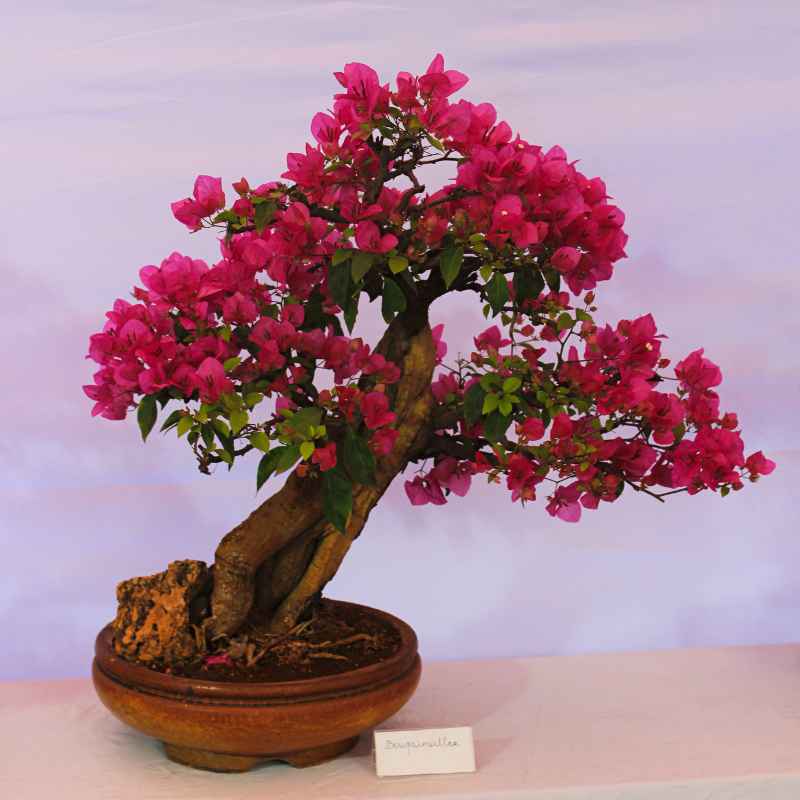

Dealing with trunk rot on a bougainvillea bonsai requires fast action and the right technique to save your tree from permanent damage. This guide walks you through identification, treatment, and prevention so you can restore your bonsai to full health.
For another bonsai-specific follow-up, Why Are the Needles on My Bonsai Tree Turning Brown? Fixed gives readers a related care or selection angle.
For another bonsai-specific follow-up, Why Are My Money Tree Bonsai Leaves Turning Yellow? Fixed gives readers a related care or selection angle.
For another bonsai-specific follow-up, How To Care For A Haematoxylum Campechianum Bonsai Tree gives readers a related care or selection angle.
Simply put, trunk rot on a bougainvillea bonsai is a fungal or bacterial infection that decays the woody tissue. Early detection and surgical removal of affected areas, combined with proper drying and fungicide application, give your tree the best chance of recovery.
Key Takeaways
- Trunk rot on a bougainvillea bonsai is often caused by overwatering, poor drainage, or fungal infection in the cambium layer.
- Immediate action is critical — rot that reaches the vascular system can kill your tree within weeks.
- Surgical removal of decayed wood with sterilized tools is the only effective treatment for established rot.
- Preventing trunk rot requires proper watering practices, well-draining soil mix, and seasonal dormancy care.
- Healthy bougainvillea bonsai can compartmentalize minor rot damage if caught early and treated correctly.
What Is Trunk Rot on a Bougainvillea Bonsai?
Trunk rot on a bougainvillea bonsai is a progressive decay of the trunk’s structural tissue caused by fungal or bacterial pathogens. The infection typically starts in the inner bark or sapwood and can spread into the heartwood if left untreated.
Bougainvillea bonsai are especially vulnerable during winter dormancy or after heavy pruning when open wounds expose the interior wood. The warm, humid conditions inside the bark create an ideal breeding ground for pathogens like Phytophthora and Fusarium species.
There are three distinct stages of trunk rot progression:
- Surface rot — Discoloration and softening of the outer bark layer; the interior wood remains firm.
- Cambial rot — Infection reaches the cambium layer, disrupting nutrient flow; leaves begin yellowing.
- Heartwood rot — Decay penetrates the core of the trunk; structural integrity is compromised.
Once rot reaches the heartwood stage, the tree’s ability to transport water and nutrients is severely impaired. The American Phytopathological Society reports that fungal trunk rots account for approximately 15% of bonsai mortality in tropical species like bougainvillea.
How to Identify Trunk Rot on Your Bonsai
Early identification is the single most important factor in successfully treating trunk rot on a bougainvillea bonsai. The sooner you spot the signs, the better your chances of saving the tree.
Check your bonsai weekly during the growing season and every two weeks during dormancy. Use a small probe or the tip of a sterilized knife to test suspicious areas. Healthy bougainvillea bark should be firm and dry to the touch.
Visible Signs of Trunk Rot
- Dark, sunken patches on the bark that feel soft or spongy when pressed
- Cracking or peeling bark that reveals discolored wood underneath
- A musty, sour smell coming from the trunk base or branch junctions
- White, gray, or black fungal mycelium growing on the bark surface
- Oozing sap or dark liquid seeping from cracks in the trunk
- Localized swelling or bulging on one side of the trunk
- Yellowing or wilting leaves on one branch or one side of the canopy
Symptoms Misdiagnosed as Trunk Rot
| Condition | Similarity to Rot | Key Difference |
|---|---|---|
| Sun scald on bark | Cracking and discoloration | Tissue is dry and brittle, not soft |
| Mechanical wound healing | Dark callus tissue around wound | Firm texture, no spreading |
| Natural bark shedding | Peeling bark on mature trunks | New bark underneath looks healthy |
Bougainvillea naturally sheds bark on older specimens, which can be mistaken for rot. The difference is that healthy bark shedding reveals clean, firm wood underneath, while rot exposes soft, discolored tissue that often smells foul.
What Causes Trunk Rot in Bougainvillea Bonsai?
Understanding the root causes of trunk rot on a bougainvillea bonsai helps you prevent recurrence after treatment. Bougainvillea are drought-tolerant plants that evolved in arid climates, making them highly susceptible to rot in consistently wet conditions.
The primary cause is almost always related to excess moisture in the growing environment. When water sits against the trunk or roots for extended periods, the bark loses its natural protective barrier and pathogens invade.
Primary Causes Ranked by Frequency
- Overwatering — Keeping the soil constantly wet suffocates roots and creates anaerobic conditions. Bougainvillea need to dry out thoroughly between waterings.
- Poor soil drainage — Dense, clay-heavy or compacted soils hold water against the trunk base. A proper bonsai mix should drain completely within seconds.
- Wound infection — Unsealed pruning cuts or branch breaks allow pathogens direct entry into the vascular system.
- Winter moisture damage — Cold, wet soil during dormancy combined with reduced transpiration traps moisture in the trunk.
- Container selection issues — Pots without adequate drainage holes or with glazed interiors that retain water create a rot-prone environment.
- Fungal spores in the environment — Rain splash, contaminated tools, or infected potting mix introduce pathogens.
Warning: Do not leave your bougainvillea bonsai sitting in a water-filled drip tray for more than 30 minutes after watering. This is one of the fastest ways to develop trunk rot at the soil line.
Research from the University of Florida Extension indicates that bougainvillea are among the top three tropical ornamental species most prone to root and trunk rot when overwatered. The plant’s natural defense mechanisms against rot are only triggered during dry periods between waterings.
How to Treat Trunk Rot Step by Step
Treating trunk rot on a bougainvillea bonsai requires surgical precision and the right materials. Do not skip any step — incomplete treatment often leads to recurrence and eventual tree death.
Begin treatment immediately upon confirming rot. Delaying even 48 hours can allow the infection to spread deeper into the trunk’s vascular system. Assemble all tools and supplies before starting.
Step 1: Remove the Tree From Its Pot
Carefully lift the bonsai from its container and brush away all soil from the root ball. Inspect the entire root system for signs of rot simultaneously with the trunk. Root rot and trunk rot often occur together.
Step 2: Clean and Sterilize All Tools
Use a concave cutter, sharp grafting knife, or small chisel — all must be sterilized. Wipe blades with 70% isopropyl alcohol between each cut to avoid spreading pathogens to healthy tissue.
Step 3: Excise All Rotten Tissue
- Cut 1/4 inch into healthy wood beyond the visible rot margin
- Remove all soft, discolored, or foul-smelling wood completely
- Scrape the cavity walls until you reach clean, cream-colored healthy wood
- Shape the wound into a smooth, shallow trough to promote healing
- Do not leave any pockets or overhanging bark that can trap moisture
Step 4: Apply Disinfectant and Fungicide
Dust the cleaned wound with sulfur powder or a copper-based fungicide labeled for fungal trunk rots. Allow the wound to air dry for 24 hours in a shaded, ventilated location before repotting.
Step 5: Repot in Fresh, Dry Soil
| Soil Component | Percentage | Purpose |
|---|---|---|
| Akadama or baked clay | 50% | Aeration and drainage |
| Pumice or perlite | 30% | Moisture retention without saturation |
| Fine bark or compost | 20% | Nutrient holding capacity |
Tip: After repotting, wait 5-7 days before your first watering. This drying period allows the wound to callus over and prevents re-infection from soilborne pathogens.
Step 6: Monitor and Follow Up
Check the wound weekly for the first month. Reapply fungicide if you see any new discoloration. Do not fertilize for at least 6 weeks — the tree needs to allocate energy to healing, not growth.
How to Prevent Trunk Rot From Returning
Preventing recurrence of trunk rot on a bougainvillea bonsai is far easier than treating it a second time. Once a trunk has been compromised, it becomes permanently more vulnerable to future infections.
The key to prevention is mimicking the bougainvillea’s natural habitat — warm, dry, and well-aerated. The plant evolved in rocky, fast-draining soils of South America’s tropical dry forests, where rain is seasonal and the soil dries completely between storms.
Best Prevention Practices
- Water only when the top 1 inch of soil is completely dry — use a wooden chopstick inserted into the soil as a moisture indicator
- Ensure full sun exposure for at least 6 hours daily — sunlight dries the trunk surface and suppresses fungal growth
- Elevate the pot on feet or pebbles to improve airflow under the container and prevent standing water
- Apply a protective wound sealant (cut paste or liquid grafting wax) to all pruning cuts larger than 1/4 inch
- Sterilize your pruning tools before and after each use — a quick alcohol wipe takes seconds and prevents cross-contamination
- Adjust watering frequency seasonally — bougainvillea need significantly less water in winter dormancy
- Repot every 2-3 years to refresh the soil and inspect root health
Important: Do not place a bougainvillea bonsai in a humidity tray. Unlike many tropical bonsai species, bougainvillea prefer low humidity around the trunk base and roots.
During winter months, reduce watering frequency by 50-60% compared to summer. If you keep your bonsai indoors during winter, make sure it is in the coolest room with good air circulation — heated rooms with stagnant air promote fungal growth on the trunk surface.
Common Mistakes When Treating Trunk Rot
Even experienced bonsai enthusiasts make errors when treating trunk rot on a bougainvillea bonsai. These mistakes often determine whether the tree survives or declines further.
The most common error is being too conservative with the excision. Removing too little tissue leaves behind infected wood that continues to decay beneath the surface. Always cut well into healthy tissue — a larger clean wound heals faster than a smaller infected one.
Top 5 Treatment Mistakes
- Leaving the tree in the same pot with the same soil — pathogens remain in the old soil and re-infect the wound within days.
- Applying sealant too early — sealing a wet wound traps moisture and pathogens inside. Always let the wound air dry for 24 hours first.
- Watering immediately after treatment — the tree needs a dry period to callus over the wound. Watering too soon invites re-infection.
- Ignoring root rot — trunk rot often originates from infected roots. If you treat only the trunk, the root infection will spread upward again.
- Fertilizing too soon — nitrogen-heavy fertilizers encourage soft, vulnerable new growth at the expense of wound compartmentalization.
| Mistake | Consequence | Correct Approach |
|---|---|---|
| Hesitant excision | Rot returns within 2 weeks | Cut 1/4 inch into healthy wood |
| Using dirty tools | Spreads infection to new sites | Sterilize between each cut |
| Skipping fungicide | Microscopic spores survive | Apply sulfur or copper powder |
Another common oversight is failing to adjust post-treatment care. A tree that has undergone rot surgery is in a vulnerable state. Keep it in partial shade (60% shade cloth) for 2-3 weeks post-treatment, then gradually reintroduce full sun over another 2 weeks.
Tools and Supplies You Need for Trunk Rot Treatment
Having the correct tools on hand before you start treating trunk rot on a bougainvillea bonsai makes the procedure smoother and reduces stress on the tree. Do not substitute household tools — bonsai-specific tools are designed for precision cuts that heal cleanly.
Essential Tools List
- Concave branch cutter — creates a clean, slightly recessed cut that heals faster than flat cuts
- Sharp grafting knife — for precise removal of soft, rotten tissue from tight areas
- Small chisel or carving tool — useful for hollowing out deep rot pockets in the trunk
- Root hook — for gently untangling roots during inspection without damaging healthy tissue
- Stiff brush — for removing loose bark and debris from the trunk surface before treatment
Supplies Checklist
| Supply | Purpose | Notes |
|---|---|---|
| 70% isopropyl alcohol | Tool sterilization | Dilute 91% to 70% for best effectiveness |
| Sulfur powder | Fungicide for open wounds | Also helps dry the wound surface |
| Copper fungicide spray | Post-treatment preventive spray | Apply to entire trunk and branches |
| Cut paste or sealing putty | Wound sealing after drying | Apply only after 24-hour drying period |
| New bonsai soil mix | Repotting after rot removal | Use fast-draining mix only |
Tip: Keep a dedicated trunk rot treatment kit prepared in advance. When rot strikes, you need to act within hours — hunting for supplies wastes precious time.
The total cost of assembling a proper treatment kit is around $40-60 for basic supplies. Considering that a mature bougainvillea bonsai can be worth $200-800 or more, this investment is minimal for protecting your tree.
When to Consult a Professional
While most cases of trunk rot on a bougainvillea bonsai can be treated at home, certain situations require expert intervention. Knowing when to call in a professional can mean the difference between saving and losing your tree.
If the rot has affected more than 40% of the trunk circumference, the structural integrity of the tree is compromised. Professional bonsai surgeons have specialized tools and techniques for stabilizing severely rotted trunks.
Signs You Need Professional Help
- Rot extends more than halfway around the trunk circumference
- Decay reaches below the soil line or into major root junctions
- The trunk feels hollow when tapped and you cannot find solid wood
- Multiple branches are simultaneously wilting or dying back
- The tree has already lost more than 50% of its foliage
- You have treated the rot once and it has returned within 30 days
Professional bonsai clinics or experienced bonsai nursery owners can perform trunk grafting techniques to bypass damaged sections. They may also use advanced fungicides like propiconazole that are not available to home gardeners. The American Bonsai Society maintains a directory of certified professionals in each region.
Important: If you are in doubt about whether to treat the rot yourself, take clear photos of the affected area and consult with a professional virtually. Many bonsai experts offer remote consultations for a small fee — far cheaper than losing a prized tree.
Frequently Asked Questions
Can a bougainvillea bonsai survive trunk rot?
Yes, a bougainvillea bonsai can survive trunk rot if the infection is caught early and treated aggressively. Trees with less than 30% trunk circumference affected have a high survival rate. Full recovery can take 6-12 months of careful aftercare.
How fast does trunk rot spread in bougainvillea?
In warm, humid conditions above 75°F, trunk rot can spread 1-2 inches per week. During cooler weather, the spread slows significantly. This is why immediate treatment during active growing seasons is so critical.
Can I use hydrogen peroxide to treat trunk rot on bonsai?
Yes, 3% hydrogen peroxide can be used as a surface disinfectant for minor rot on the bark. However, it is not strong enough for deep trunk rot that has penetrated the cambium layer. For established rot, surgical excision followed by sulfur or copper fungicide is far more effective.
Should I remove all the soil before treating trunk rot?
Yes, you should remove the tree from its pot and brush away all old soil before treating trunk rot. This allows you to see the full extent of the infection below the soil line and check for simultaneous root rot, which frequently accompanies trunk rot.
How do I know if trunk rot has spread to the roots?
Check for dark, mushy roots that smell sour or rotten during repotting. Healthy bougainvillea roots are firm and light tan to white in color. If more than 50% of the root system is affected, combine trunk rot treatment with aggressive root pruning.
Final Thoughts
Dealing with trunk rot on a bougainvillea bonsai is a stressful but survivable event for your tree if you act quickly and follow proper treatment steps. The three pillars of success are early detection, complete excision of all infected tissue, and strict post-treatment watering discipline. With patience and consistent care, your bougainvillea bonsai can compartmentalize the damage and resume healthy growth within one growing season.
Stay vigilant with prevention and your tree will reward you with decades of beauty.