How To Care For A Haematoxylum Campechianum Bonsai Tree
It can feel a bit daunting when you first look at your Haematoxylum Campechianum bonsai. You might wonder if you’re doing enough, or too much. This tree, also known as Logwood, has its own needs. It’s not like a common houseplant. But with the right steps, you can help it thrive. We’ll walk through how to give your Logwood bonsai the best care possible.

As an Amazon Associate I earn from qualifying purchases.
Readers comparing bonsai options may also find How To Care For A Dwarf Schefflera Umbrella Tree Bonsai useful before choosing a tree or pot.
The key to caring for a Haematoxylum Campechianum bonsai, or Logwood bonsai, involves understanding its need for bright light, consistent but not excessive watering, well-draining soil, and protection from frost. Regular pruning and pinching help shape the tree and encourage denser growth.
Understanding Your Haematoxylum Campechianum Bonsai
So, what exactly is a Haematoxylum Campechianum bonsai? This tree is native to tropical regions. It’s famous for its beautiful logwood dye.
In its natural habitat, it grows into a large tree. But as a bonsai, it’s a miniature version. This makes it a unique and rewarding tree to grow.
Understanding its origins helps us understand its needs.
These trees like warmth and lots of sunshine. They are not used to cold weather. In fact, they can be damaged easily by frost.
Knowing this is very important for keeping your bonsai healthy. You need to think about where you will place it. You also need to think about the time of year.
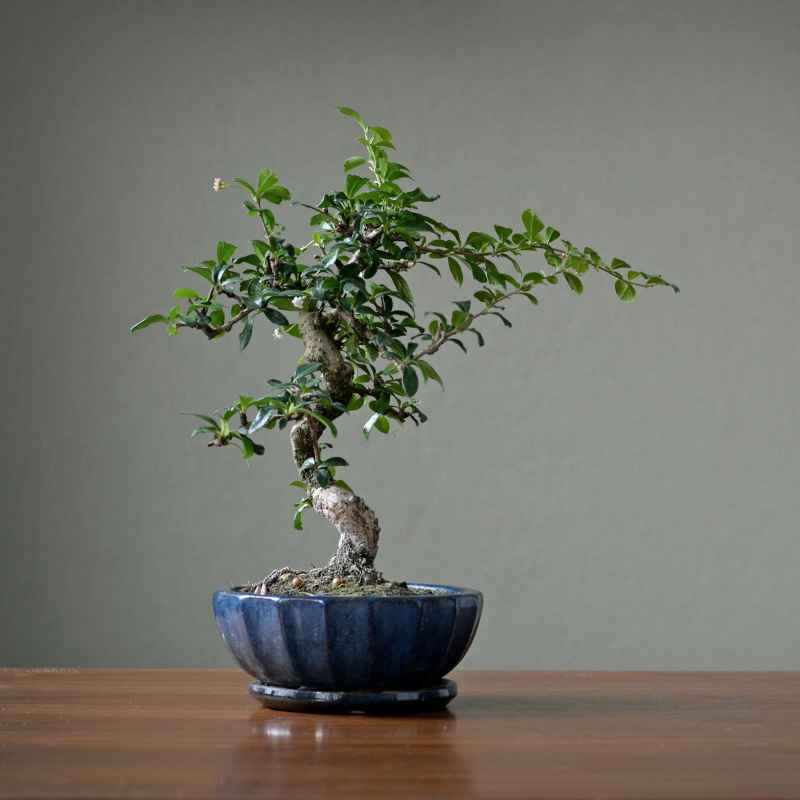
The leaves of the Logwood tree are small. This is a good trait for bonsai. It means they naturally look in proportion to the tiny tree.
The bark can also be interesting. It often has a rough texture. The tree can even produce small flowers.
These might be yellow or orange.

Light Needs for Your Logwood Bonsai
Light is a big deal for any plant. For a Haematoxylum Campechianum bonsai, it’s super important. This tree loves bright light.
Think of a sunny window. It needs at least six hours of direct sunlight each day. More is usually better.
If you keep it indoors, a south-facing window is often best. This gives it the most sun. However, you need to be careful in very hot weather.
The intense afternoon sun can sometimes be too much. It might scorch the leaves. If you see this happening, you can move it to a spot with bright, indirect light for a few hours.
This is called “partial shade”.
Outdoors, it’s a similar story. Place it in a spot where it gets full sun. It should be protected from harsh winds.
Strong winds can dry out the soil too quickly. They can also damage the delicate leaves and branches.
Signs that your tree isn’t getting enough light are clear. The leaves might turn pale. They could also become sparse.
New growth might be long and leggy. It won’t look compact and full. If you notice this, try to give it more light.
Even moving it a few feet can make a big difference.
Quick Light Check
Sunlight: At least 6 hours of direct sun daily.
Indoors: South-facing window is ideal.
Outdoors: Full sun, protected from strong winds.
Signs of too little light: Pale leaves, sparse growth, leggy stems.
Signs of too much intense sun: Leaf scorch (brown spots).
Watering Your Haematoxylum Campechianum Bonsai
Watering is where many people get nervous. With a Haematoxylum Campechianum bonsai, the goal is to keep the soil moist. But never soggy.
Soggy soil is bad for the roots. It can lead to root rot. This is a serious problem that can kill your tree.
How often you water depends on many things. The weather is a big one. If it’s hot and sunny, you’ll need to water more.
If it’s cool and cloudy, you’ll water less. The size of your pot matters too. Smaller pots dry out faster.
A good way to check is to feel the soil. Stick your finger about an inch into the soil. If it feels dry, it’s time to water.
If it feels moist, wait a bit longer. Don’t water on a schedule. Water when the tree tells you it needs it.
When you water, water thoroughly. This means watering until water runs out of the drainage holes at the bottom of the pot. This helps to flush out any salts that might build up.
It also makes sure the entire root ball gets wet.
It’s better to water deeply less often. This encourages the roots to grow deeper. Shallow watering can lead to shallow roots.
These roots are less able to find water. They make the tree weaker.
In winter, you will water much less. The tree needs less water when it’s cooler. Growth slows down.
Always check the soil before watering. Even in winter, it might need water sometimes.
Watering Tips
Feel the soil: Water when the top inch is dry.
Water deeply: Until water drains from the bottom.
Avoid soggy soil: This causes root rot.
Frequency varies: Based on weather, pot size, and time of year.
Winter watering: Much less frequent, always check soil first.
Soil Mix for Your Logwood Bonsai
The right soil is crucial for drainage. A Haematoxylum Campechianum bonsai needs soil that drains well. This prevents water from sitting around the roots.
A good bonsai soil mix is not like potting soil you buy at the store. It needs to be gritty.
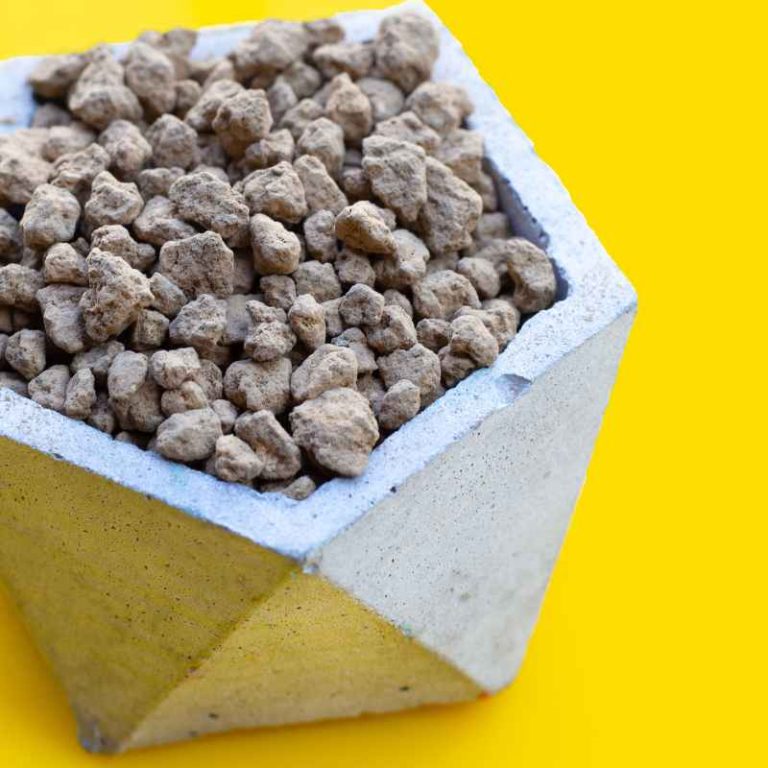
A common mix is about one-third akadama. Akadama is a hard-baked clay. It helps with water retention but still drains.
You can add one-third pumice. Pumice is a volcanic rock. It provides aeration.
It also helps with drainage. Then, add one-third lava rock. Lava rock is similar to pumice.
It offers good drainage and aeration.
Some growers might use other things. They might add a little organic compost. But it should be a small amount.
Too much organic matter can hold too much water. It can also break down over time. This can make the soil more dense.
The goal is to create a mix that water can pass through quickly. But it also needs to hold enough moisture. The roots need some water to survive.
Finding that balance is key. You want the soil to feel somewhat loose and airy.
When you repot your tree, you’ll use this new soil mix. It’s a good opportunity to inspect the roots. You can trim any dead or unhealthy roots.
This helps the tree grow stronger. A healthy root system is the foundation of a healthy bonsai.
Ideal Soil Components
Akadama: For water retention and structure.
Pumice: For aeration and drainage.
Lava Rock: For drainage and aeration.
Ratio: Often equal parts (1:1:1) of these components.
Goal: Fast drainage, good aeration, some moisture retention.
Fertilizing Your Haematoxylum Campechianum Bonsai
Fertilizing helps your Haematoxylum Campechianum bonsai grow strong. It gives the tree the nutrients it needs. During the growing season, which is spring and summer, you should fertilize regularly.
This is when the tree is actively growing.
You can use a balanced bonsai fertilizer. These are usually liquid or solid pellets. Liquid fertilizers are easy to use.
You dilute them in water. Solid pellets release nutrients slowly. You place them on top of the soil.
A good general-purpose bonsai fertilizer might have a ratio like 10-10-10 or 20-20-20. This refers to the amounts of nitrogen, phosphorus, and potassium. Nitrogen helps with leaf growth.
Phosphorus helps with root development. Potassium helps with overall plant health.
Always follow the instructions on the fertilizer package. It’s better to use a little less fertilizer than too much. Over-fertilizing can burn the roots.
It can damage the tree. It’s often recommended to fertilize at half strength. This is especially true for younger or weaker trees.
Stop fertilizing in the fall. As the weather gets cooler, growth slows down. The tree doesn’t need extra nutrients.
It needs to prepare for winter. Fertilizing too late can make the tree weaker for the cold.
Some people like to use organic fertilizers. These can be good for the soil. They break down slowly.
They feed the soil as well as the tree. Just be sure they are formulated for bonsai or plants in containers.
If you see new growth on your tree, it’s a good sign that it’s ready for fertilizer. But don’t fertilize a tree that is stressed. For example, if it’s just been repotted or is sick.
Wait until it recovers.
Fertilizing Schedule
When: Throughout the growing season (spring and summer).
Type: Balanced bonsai fertilizer (liquid or solid).
Strength: Follow package directions, often half-strength is best.
Avoid: Fertilizing in fall and winter, or on stressed trees.
Watch for: New growth indicates the tree is ready.
Pruning and Shaping Your Logwood Bonsai
Pruning is how you shape your Haematoxylum Campechianum bonsai. It also helps keep it small. There are two main types of pruning.
There’s maintenance pruning. And there’s structural pruning.
Maintenance pruning is done throughout the growing season. You’ll trim new shoots. You’ll pinch back growth.
This helps the tree become denser. It keeps the leaves small. It also helps the tree maintain its shape.
Pinching involves removing the tips of new shoots. This encourages the plant to produce more shoots. This makes the tree bushier.
Structural pruning is done less often. It’s usually done in late winter or early spring. This is before new growth starts.
You might remove larger branches. You might remove branches that are growing in a bad direction. This is for shaping the tree’s main structure.
Think about the overall form you want. You want a balanced look.
When you prune, use sharp, clean tools. This makes a clean cut. It helps the tree heal faster.
It also prevents disease. For smaller cuts, use bonsai shears. For larger branches, you might need a concave cutter.
This tool makes a cut that heals better.
You can also use wire to shape branches. This is called wiring. You wrap bonsai wire around a branch.
Then you gently bend it into the desired position. Be careful not to bend the branch too much. It can break.
You also need to watch the wire. As the branch grows, the wire can cut into the bark. Remove the wire before this happens.
This might be a few months to a year.
The goal of pruning and wiring is to create a miniature tree. It should look like an old, mature tree. But it’s small.
The branches should look natural. There shouldn’t be any crossing branches. Or branches growing straight down.
Pruning Basics
Maintenance Pruning: Trim shoots, pinch tips during growing season.
Structural Pruning: Remove larger branches in late winter/early spring.
Tools: Use sharp, clean bonsai shears or concave cutters.
Wiring: Gently shape branches, remove wire before it cuts bark.
Goal: Create a natural, aged, miniature tree form.
Repotting Your Haematoxylum Campechianum Bonsai
Repotting is important for bonsai health. It refreshes the soil. It allows you to check the roots.
For a Haematoxylum Campechianum bonsai, you’ll likely need to repot every 2-3 years. Younger trees might need it more often. Older trees might need it less often.
The best time to repot is in early spring. This is before the new growth starts. The tree is not actively growing yet.
It’s a good time to do it. The weather is starting to warm up. But it’s not too hot yet.
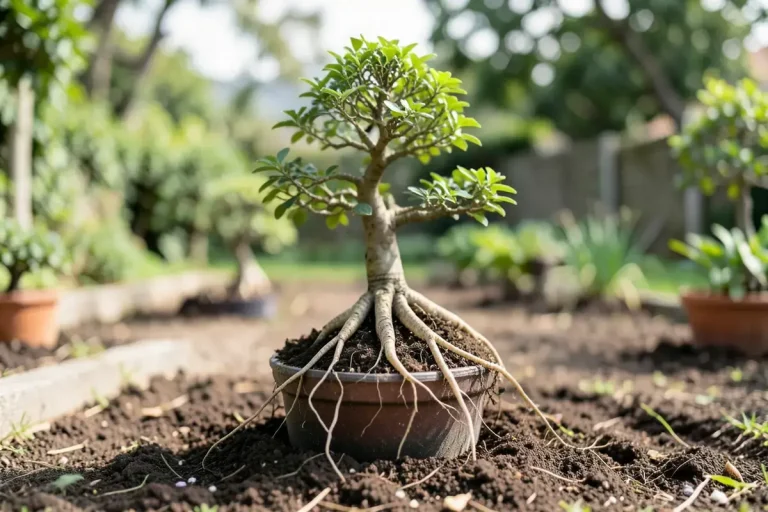
Gently remove the tree from its pot. You can use a chopstick or a root hook. Work it around the edges of the pot.
Then carefully lift the tree out. You’ll see the root ball. It might be quite dense.
Use a root hook or a small rake to comb out the old soil. Start from the outside of the root ball. Work your way inwards.
Remove about one-third to one-half of the old soil. Be careful not to damage the fine feeder roots. You want to untangle the roots, not rip them.
Trim any dead, damaged, or circling roots. Circling roots can choke the tree. They prevent it from getting water and nutrients.
You want to encourage outward-growing roots.
Place a layer of your fresh bonsai soil mix in the bottom of the pot. Put the tree back in the pot. Position it so it’s at the right height.
You want the surface of the soil to be about half an inch below the rim of the pot.
Fill the rest of the pot with your soil mix. Use a chopstick to work the soil into the root spaces. Make sure there are no air pockets.
This is very important. Tap the pot gently on the bench to help settle the soil.
After repotting, water the tree thoroughly. Keep it in a slightly shaded spot for a few weeks. Do not fertilize it for about a month.
This gives the roots time to recover and start growing into the new soil.
Repotting Steps
Frequency: Every 2-3 years.
Timing: Early spring, before new growth starts.
Process: Remove from pot, comb out old soil, trim roots.
New Soil: Use a well-draining bonsai mix.
Aftercare: Water well, shade for a few weeks, no fertilizer for a month.
Pest and Disease Control for Logwood Bonsai
Like any plant, your Haematoxylum Campechianum bonsai can attract pests. Or it can get diseases. Staying vigilant is key.
Early detection makes problems much easier to fix.
Common pests include aphids. These are small, green or black insects. They often cluster on new growth.
They suck sap from the leaves. Spider mites are another common problem. You might see tiny webs.
The leaves might look stippled or dusty.
Scale insects can also be an issue. These look like small bumps on the stems and leaves. They are often covered by a waxy coating.
If you see pests, don’t panic. Often, a strong spray of water can knock them off. For more stubborn infestations, you can use insecticidal soap.
Or neem oil. These are generally safe for bonsai. Always follow the product instructions.
Test on a small area first.
Diseases are less common if you care for the tree properly. The most common issue is root rot. This is caused by overwatering.
Signs include yellowing leaves and a weak plant. If you suspect root rot, you need to repot. Remove the tree.
Trim away all the mushy, brown roots. Repot in fresh, dry soil. Keep it in a well-lit spot but avoid direct sun for a while.
Fungal diseases can sometimes affect the leaves. You might see spots or powdery mildew. Good air circulation is important.
Avoid watering the leaves directly. If you see signs of fungus, you might need a fungicide. Again, use it carefully.
Prevention is better than cure. Healthy trees are less susceptible to pests and diseases. This means giving your Haematoxylum Campechianum bonsai the right conditions.
Good light, proper watering, and good soil all help. Regularly inspect your tree. Look under leaves and on stems.
Pest & Disease Watch
Common Pests: Aphids, spider mites, scale insects.
Treatment: Water spray, insecticidal soap, neem oil.
Main Disease: Root rot (from overwatering).
Fungal Issues: Leaf spots, powdery mildew.
Prevention: Good care, good air circulation, regular inspection.
Seasonal Care for Your Logwood Bonsai
Caring for a Haematoxylum Campechianum bonsai changes with the seasons. What works in summer won’t work in winter.
Spring: This is a busy time. The tree wakes up. You should repot if needed.
Start fertilizing. Increase watering as temperatures rise. You can begin light pruning and shaping.
Summer: This is the peak growing season. Your tree needs lots of light and water. Check the soil daily.
Fertilize regularly. You will likely be pruning and pinching back new growth often. Watch out for pests.
Protect from intense afternoon sun if it scorches leaves.
Fall: Growth starts to slow down. Reduce watering. Stop fertilizing.
You can do some final pruning to clean up the shape. Move the tree to a protected spot if temperatures start to drop below freezing. It needs protection from frost.
Winter: This is a rest period. The tree needs less water. Only water when the soil is dry.
Keep it in a bright spot. Protect it from frost. If you live in a very cold area, you might need to bring it indoors.
Or place it in a greenhouse or cold frame. The key is to keep it from freezing. Freezing temperatures can kill the tree.
Remember that this tree is tropical. It doesn’t like cold at all. Think of it like a citrus tree.
It needs to be protected from anything below about 40°F (4°C) for extended periods.
Seasonal Guide
Spring: Repot, fertilize, increase watering, light pruning.
Summer: Peak growth, lots of light/water, regular pruning, pest watch.
Fall: Slowing growth, reduce watering, stop fertilizing, frost protection.
Winter: Dormancy, minimal watering, frost protection is vital.
When is it Normal for a Logwood Bonsai to Look a Certain Way?
Sometimes, you might worry about your Haematoxylum Campechianum bonsai. You might see it shed a few leaves. Or its growth might seem slow.
It’s good to know what’s normal.
A few yellowing leaves here and there are usually okay. Especially on older parts of the tree. This is a natural process.
The tree sheds old leaves to make way for new ones. If you see a lot of leaves turning yellow, then you need to check why. It might be overwatering or lack of light.
Slower growth in fall and winter is normal. The tree is preparing to rest. It needs less energy.
Don’t be tempted to overwater or over-fertilize during this time. This can do more harm than good.
Slight leaf drop after repotting can also happen. The roots have been disturbed. It takes time for them to recover.
Just make sure the soil stays slightly moist. And give it a bit of shade.
Tiny new buds appearing in spring are a great sign! This means the tree is waking up. It’s ready to grow again.
Small, bright green leaves are healthy leaves.
The color of the bark can vary. It might be gray, brown, or even reddish. This is often normal.
If it seems to be peeling off in large chunks, that might be a concern. But minor flaking is usually fine.
When to Worry About Your Logwood Bonsai
There are times when you should be concerned. If your Haematoxylum Campechianum bonsai shows sudden, drastic changes, pay attention. A large number of leaves dropping suddenly is a red flag.
Especially if they are green leaves falling off.
Wilting is another sign of trouble. If the soil is moist, but the tree is still wilting, it could be root rot. The roots are not taking up water.
If the soil is dry and the tree is wilting, it needs water. But if it wilts right after watering, that’s a problem.
Discolored spots on leaves can be a sign of disease. Especially if they spread quickly. Or if they look like mold.
Always inspect your tree closely.
Sticky residue on leaves or stems could be a sign of sap-sucking insects. Like aphids. If you see a lot of these pests, the tree’s health can suffer.
It can also lead to a black, sooty mold growing on the sticky honeydew.
Mushy, dark roots are a clear sign of root rot. This is a serious issue. Prompt action is needed.
If the tree looks generally unhealthy. If growth has stopped for a long time. And it doesn’t show any signs of recovery.
It’s time to investigate further. Check the soil moisture. Check the light.
Check for pests.
Red Flags to Watch For
Sudden leaf drop: Especially green leaves.
Wilting: When soil moisture doesn’t match.
Rapidly spreading leaf spots or mold.
Sticky residue and large pest infestations.
Mushy, dark, or foul-smelling roots.
Overall decline in health with no obvious cause.
Simple Checks You Can Do
You can do a few simple checks on your Haematoxylum Campechianum bonsai regularly. These checks help catch problems early.
Soil Moisture Check: Stick your finger about an inch into the soil. If it feels dry, water. If it feels wet, wait.
Leaf Inspection: Look at the leaves. Are they green and firm? Or are they yellow, brown, or spotted?
Check the undersides of the leaves too.
Pest Patrol: Look closely at stems, branches, and leaves for any tiny insects. Or webbing. Or sticky spots.
Drainage Check: When you water, does water flow freely from the drainage holes? If water sits on the surface for a long time, your soil might be compacted.
Root Visibility: If you can see roots growing over the edge of the pot, it might be time to repot soon. This shows the tree is getting too big for its pot.
These quick checks take only a minute or two. But they can save your tree a lot of trouble. It’s like a quick health check-up.
My Own Logwood Bonsai Experience
I remember my first Haematoxylum Campechianum bonsai. It was a gift. I was so excited.
I loved its tiny leaves and the way the branches were twisted. I placed it on my sunny windowsill. I thought I was doing everything right.
I watered it when the top of the soil looked dry.
After a few weeks, I noticed some leaves turning yellow. Then they started to drop. I started to panic.
I thought I was going to kill it. I remembered reading that Logwood trees like water. So I started watering it every single day.
I even misted it a lot.
That’s when things got really bad. The leaves turned brown and mushy. The soil felt wet all the time.
It never seemed to dry out. I felt so frustrated and confused. I had tried to give it more water, and I had made it worse.
I realized I was drowning it. The roots couldn’t breathe.
I did some more research. I learned about well-draining soil. I learned that “moist” does not mean “soggy.” I learned to stick my finger in the soil.
It was a tough lesson. But I managed to save it. I repotted it in a grittier mix.
I let the soil dry out a little more between waterings. I moved it to a spot with good airflow.
It took a while to recover. But eventually, it started to grow new leaves. This experience taught me so much.
It taught me to listen to the tree. To check the soil moisture carefully. And that sometimes, giving a plant “more” of something isn’t always better.
It’s about giving it the right balance.

Common Questions About Haematoxylum Campechianum Bonsai
Can a Logwood bonsai survive indoors year-round?
Yes, a Haematoxylum Campechianum bonsai can survive indoors year-round, but it absolutely needs a very sunny spot, like a south-facing window, and you must protect it from frost if you move it outside at any time. If your indoor light isn’t strong enough, you might need to use grow lights.
How often should I repot my Haematoxylum Campechianum bonsai?
You should aim to repot your Haematoxylum Campechianum bonsai every 2 to 3 years. Younger, faster-growing trees might need it a bit more often. Repotting is best done in early spring, just before new growth begins, to give the roots a chance to recover.
What kind of fertilizer is best for a Logwood bonsai?
A balanced bonsai fertilizer is best for a Haematoxylum Campechianum bonsai. Look for one with an equal ratio of N-P-K (like 10-10-10 or 20-20-20). You can use liquid or solid fertilizers.
Always follow the package instructions, and it’s often wise to use it at half strength to avoid burning the roots.
My Logwood bonsai leaves are turning yellow. What should I do?
Yellow leaves on a Haematoxylum Campechianum bonsai can mean a few things. The most common causes are overwatering (leading to root rot) or underwatering. Lack of sufficient light can also cause yellowing.
Check the soil moisture carefully. If it’s soggy, reduce watering. If it’s dry, water thoroughly.
Ensure it gets enough bright light.
Can I use regular potting soil for my Logwood bonsai?
No, it’s not recommended to use regular potting soil for a Haematoxylum Campechianum bonsai. Regular potting soil holds too much moisture and can become compacted. Bonsai trees need a special soil mix that drains very well to prevent root rot.
A common mix includes akadama, pumice, and lava rock.
How do I protect my Logwood bonsai from frost?
To protect your Haematoxylum Campechianum bonsai from frost, you must move it to a protected location. This could be a greenhouse, a cold frame, or indoors. Even temperatures just below freezing can damage the tree.
Ensure it is kept in a bright location even when protected from the cold.
Conclusion
Caring for your Haematoxylum Campechianum bonsai is a journey. It takes patience and observation. By understanding its need for light, water, and good soil, you set it up for success.
Watch for signs it needs care. Learn from your tree. Enjoy the beauty and tranquility it brings to your space.
Related pick: Check today's price on Amazon