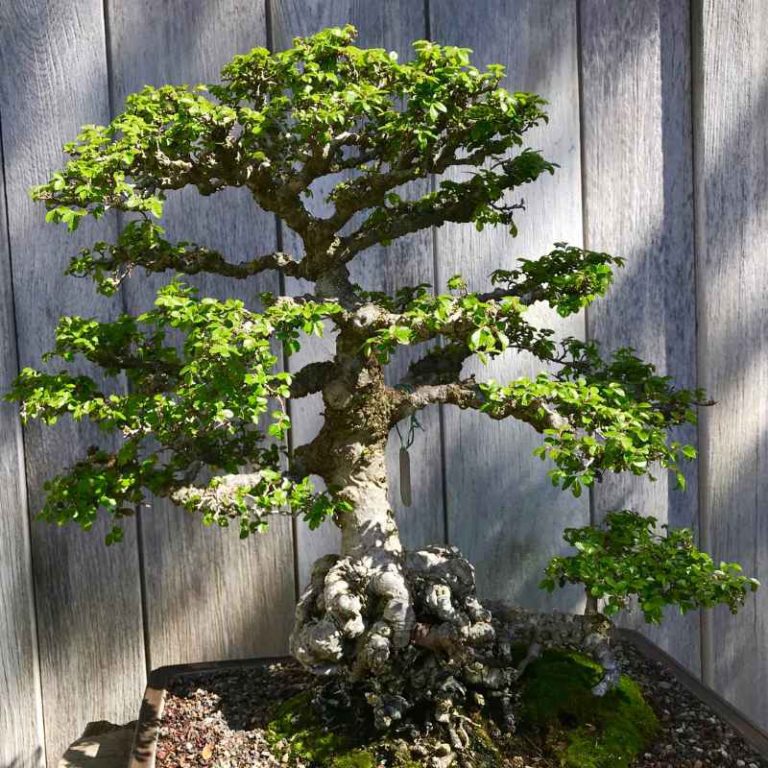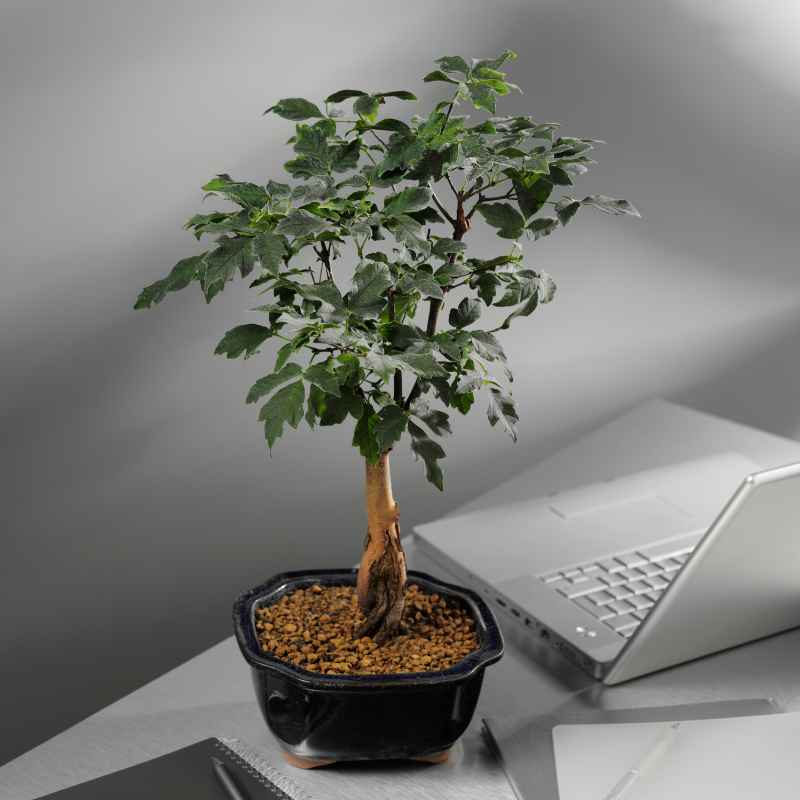
How To Care For A Dwarf Schefflera Umbrella Tree Bonsai
It can be really frustrating when your tiny tree doesn’t seem happy. You bought a dwarf Schefflera bonsai hoping for a little piece of nature indoors. But maybe its leaves are looking sad, or it just doesn’t seem to be growing right.
For another bonsai-specific follow-up, Will Hawaiian Bonsai Umbrella Tree Grow Under Low Light Conditions? gives readers a related care or selection angle.
Readers comparing bonsai options may also find How To Tell If You Are Overwatering Your Dwarf Jade Bonsai useful before choosing a tree or pot.
Readers comparing bonsai options may also find How To Care For A Haematoxylum Campechianum Bonsai Tree useful before choosing a tree or pot.
You’re not alone. Many plant lovers struggle to find that perfect balance for these delicate trees. Let’s get this figured out together.
Caring for a dwarf Schefflera umbrella tree bonsai involves providing the right amount of light, water, and proper soil. These trees need bright, indirect light, well-draining soil, and consistent watering. Understanding their needs helps keep them healthy and vibrant indoors.
Understanding Your Dwarf Schefflera Bonsai
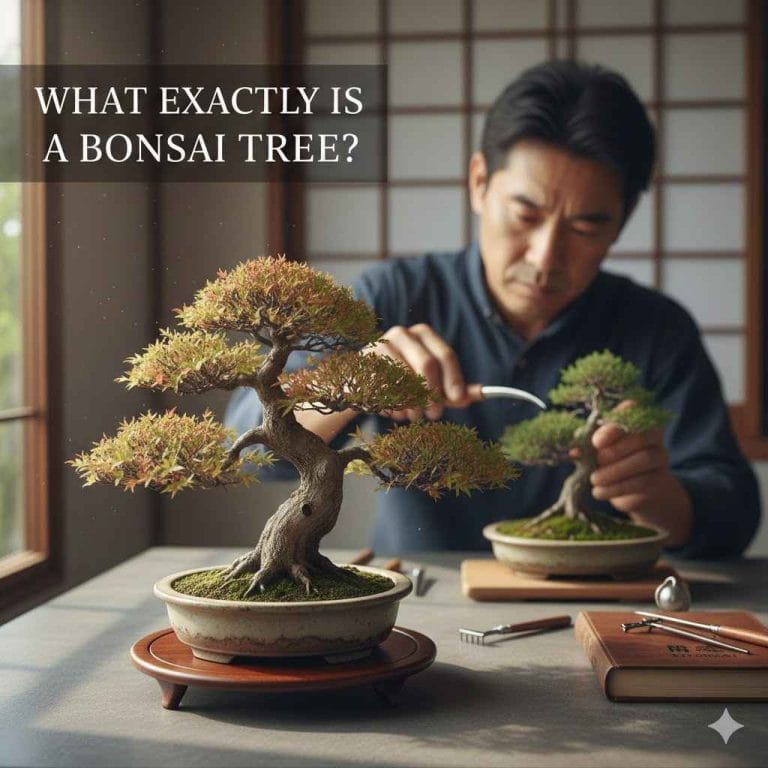
Your dwarf Schefflera, often called an umbrella tree, is a popular choice for bonsai. It’s known for its umbrella-like leaf clusters. These small trees are great for beginners.
They can adapt to indoor living quite well. But they still need specific care to thrive.
Schefflera arboricola is the scientific name for this plant. It’s native to Taiwan and surrounding islands. In its natural habitat, it can grow much larger.
As a bonsai, its size is managed through pruning and root work. This process makes it a miniature version of a full-sized tree.
The key to success is understanding what the plant needs. It’s not about complicated steps. It’s about giving it what it wants, like a little friend.
We’ll break down each part of its care so you can feel confident.

The Right Spot: Light for Your Schefflera
Light is super important for any plant. For your dwarf Schefflera bonsai, it’s no different. These trees love light, but not the harsh kind.
They do best in bright, indirect sunlight. Think of a sunny window that gets morning sun. Or a spot that’s bright but not in direct sun all afternoon.
Too much direct sun can scorch the leaves. This makes them turn brown and crispy. On the flip side, too little light makes the plant leggy.
The stems stretch out, and the leaves get smaller. It might even lose its vibrant green color. This shows the plant is struggling to find enough energy.
In your home, this often means placing it near an east-facing window. A south or west-facing window can work too. But only if you use a sheer curtain to filter the light.
The goal is a bright room. The plant should get plenty of light throughout the day. But the sun’s rays shouldn’t beat down directly on its leaves for hours.
Yellowing leaves can sometimes be a sign of too much or too little light. It’s a signal from your plant. Pay attention to where you put it.
Sometimes a small move can make a big difference. Many people find success placing their bonsai on a desk or shelf near a window. This gives it light without being in the path of direct rays.
Observe your plant. Does it lean towards the window? That means it’s reaching for light.
Are the leaves pale? It might need more light. Are there brown spots?
It might be getting too much sun. Adjust its location slowly. Plants don’t like big, sudden changes.
Give it a few days to settle into a new spot.
Quick Light Guide for Schefflera Bonsai
Ideal: Bright, indirect sunlight.
Avoid: Direct, harsh afternoon sun.
Too Little Light: Leggy growth, small leaves, pale color.
Too Much Light: Leaf scorch, brown spots.
Placement Tip: East-facing window is often best. Filtered light for south/west windows.
Watering Wisdom: How Much and When
Watering is often the trickiest part of plant care. For your dwarf Schefflera bonsai, consistency is key. You don’t want the soil to dry out completely.
But you also don’t want it to be constantly soggy. Both extremes can harm your tree.
The best way to know when to water is to check the soil. Stick your finger about an inch into the soil. If it feels dry at that depth, it’s time to water.
If it still feels moist, wait a bit longer. This simple check helps you avoid overwatering or underwatering.
When you do water, water thoroughly. Pour water over the soil until it drains from the bottom of the pot. This ensures all the roots get a drink.
Let any excess water drain away. Don’t let the pot sit in a saucer full of water. This can lead to root rot.
The amount of water your plant needs can change. Factors like temperature, humidity, and the time of year play a role. In warmer months, you might need to water more often.
In cooler months, less often. It’s a good habit to check your plant every few days. This way, you stay on top of its needs.
I remember one time, I was on vacation for a week. I thought I had watered my Schefflera well before I left. When I got back, the leaves were drooping so much.
They looked almost dead. It was a scary sight! I immediately gave it a good watering.
Slowly, over a few days, it perked back up. It was a lesson learned about checking moisture levels consistently.
Using filtered water or rainwater is even better if you can. Tap water can sometimes have chemicals that build up in the soil over time. If you must use tap water, let it sit out overnight.
This allows some of the chlorine to evaporate. This might seem like a small detail, but it can help your sensitive bonsai.
Watering Schedule Snapshot
Check: Feel the soil an inch down.
Water When: Soil feels dry to the touch.
How Much: Water until it drains from the bottom.
After Watering: Empty the saucer. Never let it sit in water.
Frequency: Varies. Check every few days.
The Soil Story: What Your Bonsai Likes
Soil is the foundation for your bonsai’s health. For a dwarf Schefflera, you need a mix that drains well. This is crucial.
These trees hate having wet feet. Soggy soil is a fast track to root rot, which is a serious problem for any plant.
A good bonsai soil mix is usually airy and gritty. It’s not like the potting soil you might use for larger houseplants. Bonsai soil often includes things like akadama, lava rock, and pumice.
These materials help with drainage and aeration. They also provide structure for the roots.
If you’re just starting out, you can buy pre-made bonsai soil mixes. Look for one that’s suitable for tropical or indoor bonsai. These are usually a good bet.
If you want to mix your own, a common ratio is one part potting soil, one part perlite, and one part sand. Some people add a bit of peat moss too.
The goal is a soil that holds some moisture but lets excess water pass through quickly. This balance is what keeps the roots healthy. Healthy roots mean a healthy plant.
It allows them to breathe and absorb nutrients properly. When the soil is too dense, roots can suffocate.
Repotting is when you’ll deal with the soil most directly. Bonsai need to be repotted every 2–3 years. This is usually done in the spring.
When you repot, you’ll trim the roots. Then you’ll put the tree in fresh bonsai soil. This revitalizes the plant and its root system.
I learned this the hard way when I first got my Schefflera. I used regular potting soil. Within a few months, the plant looked sickly.
The leaves were yellowing and dropping. I finally did some research and realized my soil was the problem. I repotted it with a proper bonsai mix, and it came back to life.
It was amazing to see the change.
The type of pot also matters. Bonsai pots are typically shallow. They have drainage holes.
This design helps the soil dry out more evenly. It also encourages root development in a confined space, which is part of the bonsai art.
Soil Essentials for Your Schefflera
Key Feature: Excellent drainage.
Avoid: Heavy, water-retentive soils.
Good Mix Includes: Akadama, lava rock, pumice, perlite, coarse sand.
When to Repot: Every 2–3 years, usually in spring.
Pot Type: Shallow, with drainage holes.
Feeding Your Tiny Tree: Fertilizing Tips
Like all living things, your dwarf Schefflera bonsai needs food. Fertilizing provides the nutrients your plant needs to grow. It helps keep its leaves green and its overall structure strong.
But you need to do it the right way.
During the growing season, which is usually spring through fall, you should fertilize. Use a balanced liquid fertilizer. A 10-10-10 or 20-20-20 ratio works well.
Dilute the fertilizer to half or even quarter strength. This is important because bonsai are in small pots. They don’t need as much fertilizer as regular plants.
Apply the diluted fertilizer every 2–4 weeks. Always water your plant first. Never fertilize a dry plant.
Applying fertilizer to dry soil can burn the roots. This can cause significant damage. So, water it, let it drain, and then apply the diluted fertilizer.
In the winter months, your plant is not actively growing. It’s resting. So, you should stop fertilizing.
Resume fertilizing in the spring when you see new growth appearing. Over-fertilizing is a common mistake. It can lead to salt buildup in the soil.
This can harm the roots and the plant.
I once got excited about my Schefflera growing so well. I started fertilizing it every week, thinking more food meant more growth. The leaves started to get brown tips.
Some even turned yellow and fell off. I felt terrible. I stopped fertilizing immediately and flushed the soil with plain water.
It took a while, but it recovered. Now I stick to the recommended schedule and dilution.
When choosing a fertilizer, look for one specifically made for houseplants or bonsai. Many brands offer these. If using a general-purpose fertilizer, remember to dilute it properly.
It’s better to under-fertilize than to over-fertilize. Your bonsai is a small, delicate thing. It doesn’t need a heavy diet.
Consider using an organic fertilizer if you prefer. These release nutrients more slowly. They are generally gentler on plants.
Always follow the instructions on the fertilizer packaging. But remember to adjust for the small size of your bonsai pot and tree.
Fertilizer Facts
When: Growing season (spring to fall).
What: Balanced liquid fertilizer (e.g., 10-10-10).
How Much: Dilute to half or quarter strength.
Frequency: Every 2–4 weeks.
Important: Water first, then fertilize. Stop in winter.
Temperature and Humidity: Creating a Good Climate
Dwarf Schefflera bonsai are tropical plants. They thrive in temperatures that are comfortable for us. They don’t like extreme heat or cold.
The ideal temperature range for them is between 65°F and 75°F (18°C to 24°C).
Avoid placing your bonsai near drafts. This means near heating vents, air conditioners, or open windows in cold weather. Sudden temperature changes can stress the plant.
It might cause leaf drop. Consistency is your friend here. Keep it in a stable environment.
Humidity is also a factor, especially in drier homes. Tropical plants like a bit of moisture in the air. In winter, heating systems can dry out the air considerably.
This can lead to dry, crispy leaf tips. It can also make the plant more susceptible to pests like spider mites.
To increase humidity, you can use a humidity tray. This is a shallow tray filled with pebbles and water. Place the pot on top of the pebbles, making sure the bottom of the pot isn’t sitting directly in the water.
As the water evaporates, it increases the humidity around the plant. You can also mist your plant occasionally. But be careful not to overdo it.
Too much moisture on the leaves can encourage fungal diseases.
Another option is to group your plants together. Plants release moisture through their leaves. Having several plants in close proximity can create a more humid microclimate for them.
Grouping also makes your space look lush and inviting.
I live in a very dry climate. In the winter, my house gets super dry. My Schefflera used to suffer.
Its leaves would curl at the edges. I started using a humidity tray. I also started misting it a couple of times a week.
The difference was amazing. The leaves stayed healthy and green.
When the weather is warm, your plant might enjoy being outdoors. If you decide to move it outside, do so gradually. Start by placing it in a shaded spot for a few hours a day.
Slowly increase the time it spends outside. Also, make sure to bring it back inside before the temperatures drop at night. Protect it from frost at all costs.
Climate Comfort Zone
Temperature: 65°F – 75°F (18°C – 24°C).
Avoid: Drafts, sudden temperature changes.
Humidity: Prefers moderate to high humidity.
Boost Humidity: Use a pebble tray, mist occasionally, group plants.
Winter Care: Protect from dry indoor air.
Pruning and Shaping: The Art of Bonsai
Pruning is a fundamental part of bonsai care. It’s how you maintain the tree’s miniature size and shape. It also encourages fuller growth.
For your dwarf Schefflera, pruning is essential for keeping it looking like a tiny, mature tree.
There are two main types of pruning: maintenance pruning and structural pruning. Maintenance pruning involves trimming back new growth. You do this throughout the growing season.
When you see shoots that have grown too long, you trim them back. This helps keep the overall shape neat.
Structural pruning is more about defining the tree’s basic form. You might do this during repotting or when the tree needs a more significant shape change. This involves removing larger branches.
The goal is to create a pleasing aesthetic. Think about the shape of mature trees. You’re trying to mimic that on a small scale.
When you prune, use sharp, clean bonsai tools. This makes clean cuts. Clean cuts heal faster and reduce the risk of disease.
For small branches and leaves, use bonsai shears. For thicker branches, you might need concave cutters. These leave a wound that heals more smoothly.
After pruning, you might notice sap oozing from the cut. This is normal. You can use a cut paste to help seal larger wounds.
This speeds up healing and prevents infection. It also helps maintain the shape you’re trying to achieve.
Wiring is another technique used for shaping. You wrap wire around branches. Then you gently bend them into the desired position.
The wire stays on for a few months until the branch holds its new shape. You must be careful not to leave the wire on too long. It can cut into the bark as the branch grows.
Check it regularly.
I found shaping to be the most intimidating part at first. I was afraid of cutting too much or ruining the tree. My first few attempts were a bit clumsy.
I ended up with a lopsided tree. But the more I practiced, the better I got. I learned to look at the tree as a whole.
I started to see the potential shape within it.
Don’t be afraid to experiment. The beauty of bonsai is that you can always prune back more. If you cut too much, the plant will likely grow new shoots.
You can adjust as you go. The key is to observe your tree. Understand its growth patterns.
Then you can make informed decisions about pruning.
Remember that bonsai is a journey. It’s about patience and constant learning. Each pruning session is an opportunity to refine your skills.
It’s also a chance to connect with your tree on a deeper level. Appreciate the process and the living art you are creating.
Shaping Secrets
Maintenance: Trim new growth to keep shape.
Structural: Remove larger branches for form.
Tools: Use sharp, clean bonsai shears and cutters.
Wiring: Gently bend branches, check often.
Goal: Mimic a mature tree’s form on a small scale.
Common Pests and Problems
Even with the best care, your dwarf Schefflera bonsai might face challenges. Pests and diseases can affect indoor plants. Knowing what to look for helps you act fast.
Common pests include spider mites, mealybugs, and aphids. Spider mites are tiny and leave fine webbing on the leaves. Mealybugs look like small white cottony masses.
Aphids are small, often green or black bugs that cluster on new growth.
If you spot pests, act quickly. For minor infestations, you can often wipe them off with a damp cloth. Or use a cotton swab dipped in rubbing alcohol.
For more serious problems, you might need to use an insecticidal soap or neem oil. These are gentler options for indoor plants.
Always follow the product instructions carefully. Test any treatment on a small part of the plant first. Wait 24 hours to see if there’s any negative reaction.
Then treat the whole plant if it’s safe.
Root rot is another common issue. As we discussed, this is usually caused by overwatering. Signs include yellowing leaves, wilting, and a mushy stem base.
If you suspect root rot, you’ll need to repot the plant. Trim away any rotted roots. Then replant in fresh, well-draining soil.
Let the soil dry out more between waterings.
Leaf drop can happen for many reasons. It could be due to changes in light, temperature, or watering. It might be a sign of stress from pests or disease.
If your plant drops leaves suddenly, review its care routine. Check for any recent changes. Is it getting enough light?
Is the soil too wet or too dry?
Brown leaf tips are often a sign of low humidity. Or it could be from salt buildup in the soil due to too much fertilizer. Flushing the soil with plain water can help.
Then adjust your humidity or fertilization practices.
I had a terrible spider mite infestation once. My Schefflera was covered in webs. It looked awful.
I was so worried I’d lose it. I spent hours gently washing each leaf. Then I treated it with neem oil for weeks.
It took a long time, but it finally cleared up. It was a good reminder to always inspect my plants closely.
Regularly inspecting your plant is the best defense. Look at the leaves, stems, and soil. Catching problems early makes them much easier to fix.
Healthy plants are less susceptible to pests and diseases. So, good care is your best preventative measure.
Troubleshooting Time
Pests: Spider mites, mealybugs, aphids.
Solutions: Wipe, rubbing alcohol, insecticidal soap, neem oil.
Root Rot: Caused by overwatering. Repot, trim roots, adjust watering.
Leaf Drop: Can be stress, light, water, pests, or disease.
Brown Tips: Usually low humidity or salt buildup.
When to Worry and When Not To
It’s normal for plants to shed a few old leaves now and then. This is just part of their natural cycle. Don’t panic if you see one or two yellow leaves.
It often means the plant is just making room for new growth.
However, significant leaf drop is a cause for concern. If you see many leaves turning yellow and falling off, it’s time to investigate. This often points to a problem with watering, light, or pests.
Is the soil too wet? Too dry? Is it getting enough bright, indirect light?
Have you checked for tiny bugs?
Wilting can also be confusing. Sometimes plants wilt when they need water. But they can also wilt when they are overwatered.
This is because the roots are drowning and can’t take up water. Always check the soil moisture first. If the soil is wet, the wilting is likely due to overwatering.
Slow growth is generally normal for bonsai. They are meant to be miniature. But if your plant seems completely stagnant for months, it might need more light.
Or it could be lacking nutrients. Check your fertilizer schedule. Ensure it’s getting enough bright, indirect sunlight.
If you notice any strange spots on the leaves, or fuzzy mold on the soil, investigate further. These could be signs of fungal issues. These often arise from too much moisture and poor air circulation.
You may need to improve air flow. Also, ensure you are not overwatering.
One sign that your Schefflera is happy is vigorous new growth. If you see lots of small, bright green leaves unfurling, you’re doing a great job. The leaves will look lush and full.
The stems will be sturdy. This is a clear sign of a healthy, well-cared-for plant.
Trust your instincts. You know your plant best. If something feels off, it’s worth looking into.
The online resources and your own observations will guide you. Most issues with Schefflera bonsai are manageable with simple adjustments.
Your Schefflera Health Check
Normal: Occasional old leaf drop, slow growth.
Concerning: Mass leaf drop, severe wilting, persistent wilting with wet soil, visible pests, spots or mold.
Happy Signs: Bright green leaves, steady new growth, full foliage.

The Joy of a Thriving Schefflera Bonsai
Caring for a dwarf Schefflera umbrella tree bonsai can be incredibly rewarding. It’s like nurturing a tiny, living sculpture. With the right attention to light, water, soil, and occasional shaping, your bonsai can thrive for years.
Remember to observe your plant. It will tell you what it needs. Small adjustments can make a big difference.
Don’t get discouraged by the occasional issue. Every plant owner faces challenges. Learning from them makes you a better caregiver.
Enjoy the process of watching your miniature tree grow and develop. The patience and care you invest will result in a beautiful, calming presence in your home. It’s a little piece of nature you can tend to every day.
Frequently Asked Questions
What is the best light condition for a dwarf Schefflera bonsai?
Dwarf Schefflera bonsai prefer bright, indirect sunlight. Avoid direct, harsh sun, which can scorch the leaves. An east-facing window is often ideal.
If using a south or west-facing window, use a sheer curtain to filter the light.
How often should I water my Schefflera bonsai?
Water your Schefflera bonsai when the top inch of soil feels dry. Check the soil moisture by sticking your finger into it. Water thoroughly until water drains from the bottom of the pot.
Discard any excess water from the saucer.
What kind of soil is best for a Schefflera bonsai?
A well-draining bonsai soil mix is essential. Look for mixes containing akadama, lava rock, or pumice. These help prevent waterlogging, which can lead to root rot.
Avoid heavy potting soils that retain too much moisture.
Can I use regular houseplant fertilizer for my bonsai?
Yes, but it’s best to dilute it to half or quarter strength. Use a balanced liquid fertilizer during the growing season (spring through fall). Fertilize every 2–4 weeks after watering the plant.
Stop fertilizing in winter.
Why are the leaves on my Schefflera bonsai turning yellow and dropping?
Yellowing and dropping leaves can indicate several issues. The most common causes are overwatering or underwatering. It could also be insufficient light, drastic temperature changes, or pest infestation.
Check your watering habits and light exposure first.
How do I deal with brown leaf tips on my bonsai?
Brown leaf tips on a Schefflera bonsai are often caused by low humidity or a buildup of salts in the soil from fertilizer. Try increasing humidity with a pebble tray or misting. Flushing the soil with plain water can help remove excess salts.
Ensure you are not over-fertilizing.
When should I repot my dwarf Schefflera bonsai?
Dwarf Schefflera bonsai typically need repotting every 2–3 years. The best time to repot is in spring, before new growth begins. This is also a good time to trim the roots and refresh the soil, which helps maintain the tree’s health and vigor.