Can A Bonsai Tree Survive Moving From Inside To Outside?
Bonsai trees are living things. They have needs just like us. Many bonsai types thrive indoors.
AVERGO
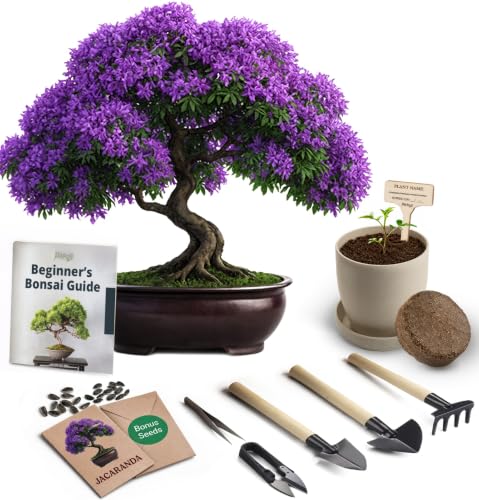
Avergo Bonsai Starter Kit – Growing Jacaranda…
- FREE EXTRA SEEDS!! Avergo’s bonsai starter kit comes with 2 additional seed packets just in case you’ll need more
- A COMPLETE BONSAI STARTER KIT – Avergo’s DIY bonsai tree kit contains everything you need to grow your own special mini trees
- BONSAI TREE STARTER KIT - With seeds of Avergo's most popular Japanese bonsai mini tree
As an Amazon Associate I earn from qualifying purchases.
But some really love being outside. The key is knowing your specific tree. Different species have different needs.
Some like it warm all year. Others need a cool rest period. This rest is called dormancy.
It’s vital for their long-term health.
Moving a bonsai inside or outside at the wrong time can stress it. This stress can lead to problems. Leaves might drop.
The tree might look weak. It’s like you suddenly moving to a new country without preparing. Everything is different, and it takes time to adjust.
Why Moving Indoors to Outdoors Matters
Plants are sensitive to their environment. Light, temperature, and humidity all play a big role. Indoor environments are often stable.
They don’t change much with the seasons. Outdoor environments are dynamic. They change a lot throughout the year.
When you move a bonsai from indoors to outdoors, you’re changing its world. The light is different. The air is different.
The temperature swings are different. Your tree needs to get used to these changes. If you do it too fast, it can shock the tree.
Shock can damage the roots or leaves. It can even kill the tree in severe cases.
Think about it like this. You’re used to a certain temperature. Suddenly, you step outside into a heatwave.
Your body needs time to cool down. Plants are similar. They have processes that need to adapt.
Gradual changes are always best. They give the plant time to adjust its systems.
This guide will walk you through the process. We will cover what to look for. We will discuss the best times to move your tree.
We will also talk about how to make the move as smooth as possible. You’ll learn how to protect your little tree. You’ll help it enjoy its time outdoors safely.
The safe transition of a bonsai tree from indoors to outdoors requires careful timing and gradual acclimatization. Understanding your tree’s species, the local climate, and seasonal changes is crucial. Proper preparation helps prevent shock and promotes healthy growth in its new outdoor environment.

The Core Explanation: Seasonal Rhythms and Bonsai
Bonsai trees are not just tiny decorative plants. They are living trees in miniature. And like all trees, they have natural cycles.
These cycles are tied to the seasons. Many common bonsai species, like junipers, pines, and maples, are deciduous or need a cold period. They are designed by nature to experience changes.
An indoor environment usually mimics a perpetual spring or summer. The temperature is steady. The light is consistent, though often less intense than direct sunlight.
This can trick a plant into thinking it’s always growing season. It doesn’t get the signal to slow down or rest.
Outdoor environments provide these essential seasonal cues. They offer fluctuating temperatures. They have varying light levels.
They also have changes in humidity. For many bonsai species, a winter dormancy period is absolutely critical. During dormancy, the tree conserves energy.
It heals itself. It prepares for vigorous new growth in the spring.
If you keep a tree that needs dormancy indoors all year, it will eventually weaken. It might not bloom. It might not produce strong new leaves.
Its lifespan can be shortened. It’s like never letting a person get a good night’s sleep. Eventually, they become exhausted and unwell.
So, moving a bonsai from indoors to outdoors is often about giving it the natural conditions it needs to thrive. It’s about respecting its biological clock. The challenge isn’t just the move itself.
It’s timing the move correctly. It’s also about preparing the tree for the transition. This preparation helps it handle the new conditions without suffering a major setback.
We need to think about the tree’s species. Some trees are tropical. They can stay indoors year-round.
Others are temperate. They need the outdoor experience. Knowing your tree is the first step.
Then, you can plan the move based on the seasons. We’ll delve into how to identify your tree’s needs next.
My First Bonsai’s Big Move (And My Panic)
I remember my first juniper bonsai. It was a gift. I loved it.
It sat on my desk, looking so cool and ancient. I kept it indoors for about a year. It seemed happy enough.
New needles sprouted. It looked green and healthy.
Then, spring arrived. I’d read online that some bonsai could go outside. My little juniper looked pretty tough.
I thought, “Why not? It’ll love the sun!” So, one bright sunny morning, I carried it out to my patio. I put it in a spot that looked sunny.
I went back to work, feeling proud of my plant parent skills.
By evening, something was wrong. The needles looked… brown. Not all of them, but a good amount.
They were crispy. I panicked. I thought I’d killed it.
I rushed it back inside. I put it in the shade. I watered it a lot.
I spent the next week hovering over it, expecting the worst.
Slowly, thankfully, it started to recover. Some green bits reappeared. But I learned a valuable lesson that day.
You can’t just yank a plant from one world to another. I hadn’t considered the change in light intensity. The outdoor sun was way stronger than my office window.
I hadn’t thought about the temperature difference. It was cooler inside. I hadn’t considered wind.
My patio can get breezy.
I realized I needed to understand my tree better. I needed to research its specific needs. I learned that my juniper was a temperate tree.
It did need to go outside. But I had moved it too abruptly. I hadn’t let it get used to the changes.
I should have started in the shade. I should have moved it to brighter spots gradually. I should have waited until the nights were reliably warmer.
That whole experience taught me so much about respecting a plant’s pace. It’s all about a gentle, gradual approach. It’s not about the destination, but the journey.
Know Your Tree Species
Deciduous: These trees lose their leaves in the fall. Examples: Maples, Elms, Oaks. They usually need a winter dormancy period outdoors.
Evergreen (Temperate): These trees keep their needles or leaves year-round. Examples: Pines, Junipers, Spruces. Many also need a winter dormancy period outdoors.
Tropical: These trees prefer warm conditions and cannot tolerate frost. Examples: Ficus, Serissa, Fukien Tea. They are typically kept indoors year-round, or brought inside before temperatures drop.
When Is the Right Time for the Big Move?
Timing is everything when moving your bonsai from inside to outside. The goal is to match the outdoor conditions to what your tree needs. For most temperate climate trees, this means moving them out in the spring.
It should be after the danger of frost has passed. It should also be when temperatures are consistently mild.
Here’s a breakdown of ideal timing:
Spring Transition Checklist
- Frost Risk Gone: Check your local weather forecast. Ensure nighttime temperatures are reliably above freezing. For many areas, this is late April to May.
- Warming Temperatures: Days should be pleasantly warm, not scorching hot. Your tree needs to adjust to increasing heat, but not extreme heat right away.
- Tree’s Growth Stage: Ideally, your tree is starting its spring growth. New buds should be visible or just opening. This shows the tree is waking up and ready to grow.
Avoid moving your bonsai outside in the fall. This is when temperate trees are preparing for dormancy. Introducing them to new outdoor stresses at this time can be detrimental.
They need to conserve energy, not expend it adjusting to a new environment.
Moving in the summer can also be tricky. If your summers are very hot and dry, your tree might struggle with the heat and intense sun. If you must move it in summer, make sure it gets afternoon shade and plenty of water.
But spring is generally the safest bet.
Tropical bonsai trees are a different story. They cannot handle cold. They must stay indoors if temperatures drop below their comfort level.
You would only move a tropical bonsai outside in the warmer months. You’d bring it back inside well before fall. You need to watch the weather closely for these trees.
So, the key is to observe your local climate. Pay attention to the average last frost date. Watch for consistent warming trends.
Your tree is a part of nature, so its schedule should align with nature’s schedule as much as possible. This careful timing prevents a harsh shock.
Acclimatization: The Gentle Introduction
This is the most crucial part of moving your bonsai outside. Acclimatization, or acclimation, is the process of gradually introducing your tree to the new environment. Think of it as easing someone into a new, busier city.
You wouldn’t drop them in the middle of rush hour. You’d let them see it from a distance first.
Here’s how to do it right:
Step-by-Step Acclimatization
- Week 1: Deep Shade: Place your bonsai in a deeply shaded area. This could be under a dense tree or on a porch with no direct sun. Keep it there for about a week. This lets it adjust to the different air movement and light levels without direct sun stress.
- Week 2: Partial Shade: Move the tree to a spot that gets a few hours of gentle morning sun. Avoid harsh afternoon sun. Observe the leaves closely. If they look stressed (yellowing or wilting), move it back to deeper shade.
- Week 3: More Sun: Gradually increase the amount of sun it receives. Move it to a spot that gets more morning sun and perhaps a little bit of dappled afternoon sun. Again, watch for any signs of stress.
- Week 4 and Beyond: Full Sun (if applicable): If your tree species needs full sun, you can now move it to its intended spot. If it prefers some shade during the hottest part of the day, ensure it has access to that.
Throughout this process, monitor your tree daily. Look for any wilting, browning, or yellowing leaves. These are signs of stress.
If you see them, slow down the acclimatization. Move the tree back to a more sheltered spot for a few days.
Watering needs will also change. Outdoor air is often drier. Wind can dry out the soil faster.
You’ll likely need to water more often. Always check the soil moisture. Stick your finger about an inch down.
If it feels dry, it’s time to water.
Don’t forget about wind. A strong breeze can dry out the soil quickly. It can also physically damage delicate branches.
If you live in a windy area, find a sheltered spot for your bonsai. You might even need to create a windbreak.
This gradual process is key. It allows the tree’s cells to adapt. Its leaves can develop thicker cuticles.
They can adjust their internal processes to handle more light and temperature fluctuations. It’s a smart way to help your tree thrive, not just survive.
Understanding Light Intensity
Indoors: Light is usually filtered by windows. It’s less intense and less variable.
Outdoors: Light can be direct, bright, and changes throughout the day and with the weather. Afternoon sun is often the most intense and can scorch leaves.
Real-World Context: Where Your Bonsai Will Live
The specific location you choose for your bonsai outdoors matters a lot. It’s not just about finding a sunny spot. You need to consider several factors that mimic a tree’s natural habitat as much as possible.
Think about the sun exposure. Does your species need full sun all day? Or does it prefer morning sun and afternoon shade?
Most temperate evergreens, like pines and junipers, love sun. Many deciduous trees, like maples, appreciate some shade from the hottest afternoon sun, especially when they are young or newly repotted.
Next, consider wind. Strong winds can dry out the soil very quickly. They can also break delicate branches and foliage.
If your patio or balcony is very exposed, you might need to place your bonsai behind a railing. You could use a small screen. Or you might choose a more sheltered corner.
A spot that gets some natural windbreak from shrubs or a wall is ideal.
Temperature regulation is also important. While you want your tree to experience seasonal changes, extreme fluctuations can be harmful. Placing a pot directly on hot concrete in summer can bake the roots.
In winter, a pot exposed to freezing wind on all sides can freeze solid much faster than one protected.
Consider drainage. Your bonsai pot needs to drain well. When outdoors, rain can be heavy.
If your pot sits in standing water, the roots can rot. Make sure the pot is elevated slightly. Use pot feet or place it on a gravel tray.
This allows water to escape easily.
Finally, think about your local climate. Are your summers incredibly hot and dry? Or are they mild and humid?
Are your winters harsh with deep freezes, or do they have milder temperatures? This will influence how much protection your bonsai might need, even when outdoors.
For example, in a very hot climate, you might need to provide artificial shade during the peak afternoon hours. In a very cold climate, you might need to protect the roots from deep freezes in winter. Understanding your specific microclimate is as important as knowing your tree’s general needs.
Ideal Outdoor Spot Features
- Sunlight: Matches species needs (morning sun, full sun, etc.).
- Wind Protection: Sheltered from harsh, drying winds.
- Drainage: Pot is elevated, allowing water to escape freely.
- Temperature Moderation: Not directly on scorching surfaces in summer.
- Accessibility: Easy for you to water, check, and care for.
What This Means for You: Normal vs. Concerning Signs
Once your bonsai is outdoors and acclimatized, you’ll want to know what to look for. Some changes are normal. Others are red flags.
Normal Changes:
After moving outdoors, especially with spring growth, you might see:
- More Vigorous Growth: New leaves and shoots that are stronger and grow faster.
- Brighter Colors: Leaves or needles may develop richer, more vibrant colors.
- Slight Leaf Drop: Some older leaves might drop as the tree focuses energy on new growth. This is usually minor.
- Increased Watering Needs: The soil dries out faster due to sun and wind.
These are all good signs. They mean your tree is adjusting well and enjoying its new environment. It’s getting the natural conditions it needs.
Concerning Signs:
Watch out for these issues:
- Sudden Leaf Drop: If a large number of leaves fall off quickly, it’s a problem.
- Wilting or Drooping: If the entire tree or large sections look droopy and don’t perk up after watering, it could be root stress or dehydration.
- Yellowing Leaves: While some minor yellowing can happen, widespread yellowing without new growth is worrying.
- Brown, Crispy Foliage: This is a common sign of sunburn or severe dehydration.
- Visible Pests: Aphids, spider mites, or scale insects might appear.
If you see concerning signs, act quickly. First, check your watering. Is the soil too dry or too wet?
Then, assess the light. Is it too intense? Move the tree to a more sheltered spot temporarily.
If pests are present, identify them and research appropriate organic treatments. Sometimes, a stress event just makes the tree more vulnerable to pests.
Remember, observation is your best tool. Get to know your tree. Understand what looks “normal” for it.
This will help you spot problems early.
Quick Check: The Root Test
Gently lift the tree from its pot (if possible and not too stressful for the tree). Healthy roots are usually firm and light-colored. Black, mushy, or foul-smelling roots indicate root rot, often from overwatering or poor drainage.
Quick Fixes & Tips for a Smoother Transition
Making the move successful is all about preparation and a gentle approach. Here are some tips to help your bonsai adjust:
Fertilize Wisely: Wait until your tree has been outdoors for at least a week or two. Then, start with a diluted fertilizer. Do not fertilize a stressed tree.
Wait for signs of active growth. Always follow the fertilizer instructions. Too much can burn the roots.
Monitor Soil Moisture Daily: This is probably the most critical aspect. Outdoor conditions dry soil much faster. Use your finger or a moisture meter.
Water thoroughly when the top inch of soil feels dry. Ensure excess water drains away.
Consider a Humidity Tray: If your outdoor air is very dry, a humidity tray can help. Place the bonsai pot on a shallow tray filled with pebbles and water. Make sure the bottom of the pot is not sitting directly in the water.
Evaporation from the tray increases local humidity.
Protect from Extreme Weather: Even after acclimatization, extreme conditions can occur. If a heatwave is predicted, provide extra shade. If a hard frost is expected, protect the tree.
You can move it into an unheated garage or shed, or cover it with horticultural fleece.
Pruning and Styling: It’s best to avoid heavy pruning or wiring right before or during the transition. Wait until the tree has settled into its new environment and is showing strong growth. Then you can resume your regular care routine.
Pest Patrol: Outdoor environments are full of insects. Regularly inspect your bonsai’s leaves, branches, and trunk for any signs of pests. Early detection makes control much easier.
A gentle spray of water can sometimes dislodge small pests.
Observe and Adapt: Every bonsai and every location is unique. What works for one tree might not work for another. Pay close attention to your tree’s response.
Be ready to adjust your care based on what you observe. Your willingness to adapt is key to success.
Summary: Key Transition Steps
- Timing: Spring, after last frost.
- Acclimatize: Gradual exposure to sun and air.
- Location: Sheltered, with correct light.
- Water: Monitor soil moisture constantly.
- Fertilize: After tree has settled.

Frequently Asked Questions About Moving Bonsai Outdoors
Can I move my bonsai outside if it’s a tropical species?
Tropical bonsai species, like Ficus or Serissa, generally cannot tolerate cold temperatures or frost. They should stay indoors year-round. You can move them outdoors during the warmest months of summer, but always bring them back inside before temperatures drop significantly in the fall.
Monitor local weather closely.
What if my bonsai loses a lot of leaves after moving outside?
Sudden or excessive leaf drop is a sign of stress. This could be due to too much sun, too little water, or shock from the transition. Move the tree to a more shaded, protected spot immediately.
Check soil moisture and adjust watering. Avoid fertilizing until the tree shows signs of recovery and new growth.
How do I protect my bonsai from frost when it’s outside?
For temperate bonsai that require winter dormancy, you must protect their roots from hard freezes. You can place the pot inside a larger container filled with mulch. Burying the pot in the ground is also an option.
Alternatively, move the bonsai to an unheated garage or shed where temperatures stay above freezing but still allow dormancy.
Is it okay to repot my bonsai before moving it outside?
It’s generally best to avoid major work like repotting right before or during the transition to outdoors. The stress of moving can be significant. If your bonsai absolutely needs repotting, do it in early spring before the move, allowing it time to recover indoors for a few weeks first.
Then, start the acclimatization process.
My bonsai seems to be drying out too fast outside. What can I do?
Outdoor conditions are much drier. Wind and sun increase evaporation. Ensure you are checking the soil moisture frequently, possibly daily.
Water thoroughly when the top inch of soil is dry. You can also use a humidity tray under the pot or place it in a more sheltered location to reduce wind exposure.
How do I know if my bonsai is getting enough sun outside?
Observe your tree. For species that need full sun, you should see vigorous, healthy growth. Leaves should be a good green color, not pale or yellowish.
If your tree looks leggy, with long, weak growth and pale leaves, it might need more sun. However, introduce more sun gradually to avoid scorching.
What is dormancy and why is it important for some bonsai?
Dormancy is a natural resting period for many temperate trees. It occurs during cold winter months. During dormancy, the tree conserves energy, its growth slows or stops, and it prepares for new growth in spring.
This period is essential for the long-term health, vigor, and survival of many bonsai species. Skipping dormancy can weaken and eventually kill these trees.
Conclusion: A Successful Outdoor Adventure
Moving your bonsai from indoors to outdoors can seem daunting. But with careful planning and a gentle approach, it’s a rewarding process. Understanding your tree’s species and its seasonal needs is the first step.
Then, choose the right time in spring and prepare for a gradual acclimatization. Pay attention to light, wind, and watering. Your bonsai will thank you with robust growth and a healthier life.
Happy growing!
Related pick: Check today's price on Amazon