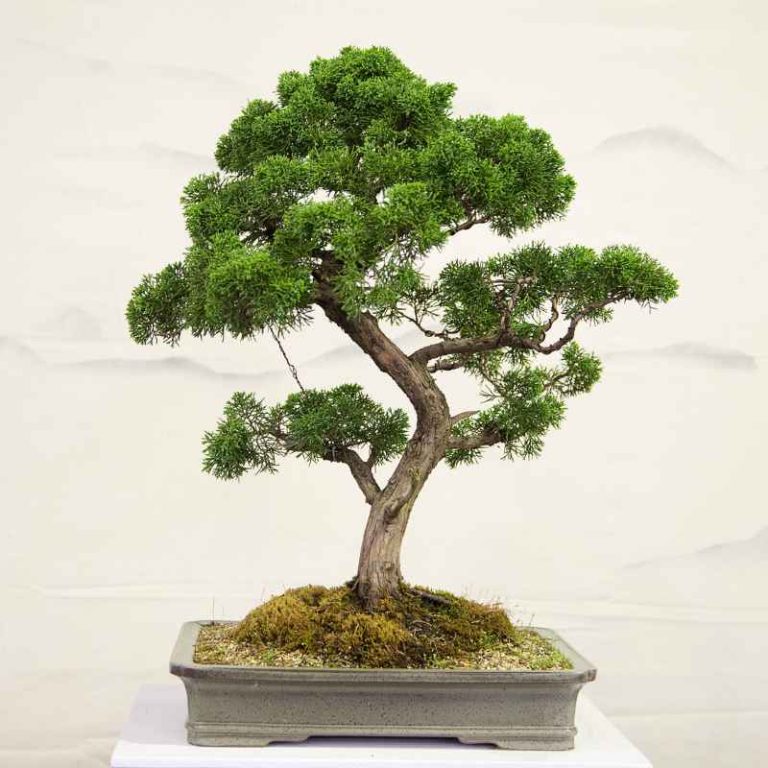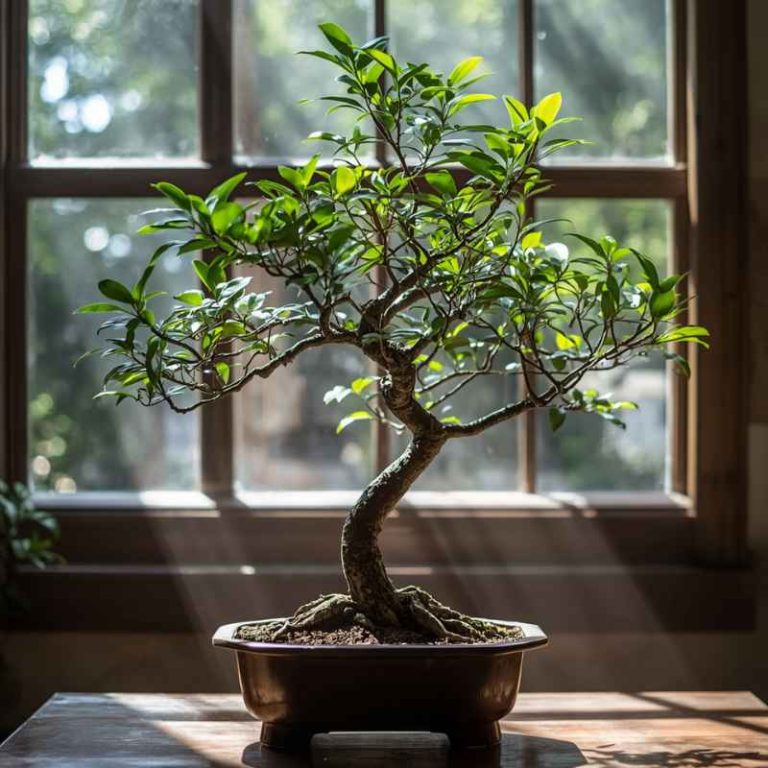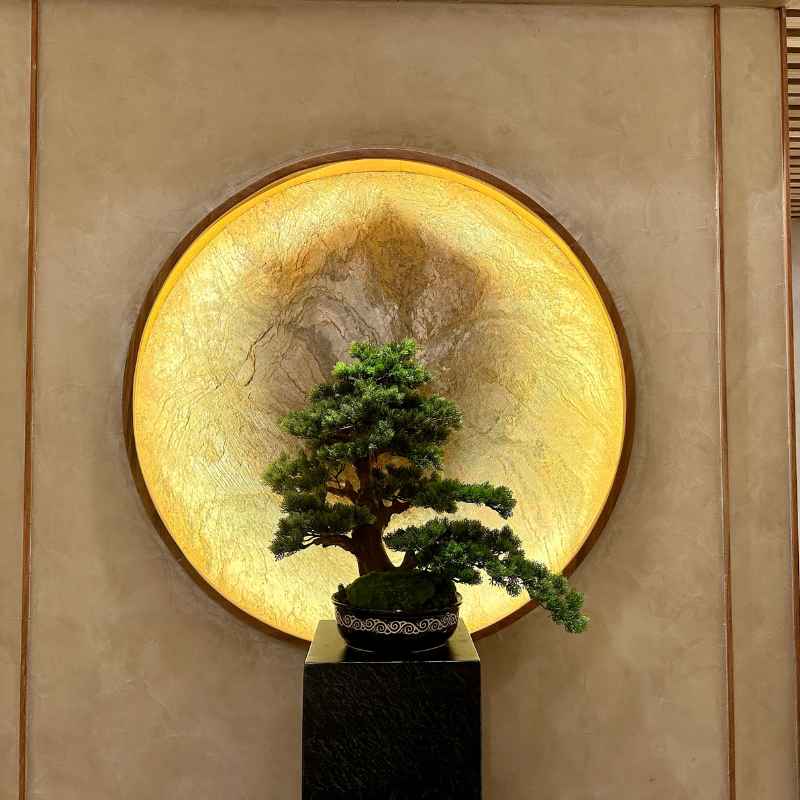
What Happens If You Grow Juniper Bonsai Indoors? Find Out
Growing juniper bonsai indoors is generally not recommended for long-term health. These trees need a distinct winter dormancy period and significant outdoor light that is hard to replicate inside. While they might survive for a short time, they often decline without the right conditions.

CZ Grain
30 Mountain Juniper Bonsai Tree Seeds –…
- BONSAI TREE: Popular for bonasi this exotic looking tree has evergreen leafs and the wood can achieve a prized "Shari" look.
- HIGHLY PRIZED JUNIPER SEEDS: These Mountain Juniper seeds are considered some of the most valuable bonsai for collectors. Grow the…
- EASY TO GROW AT HOME: Perfect for beginners and experienced growers alike. Just plant in well-draining soil, provide sunlight, and…
As an Amazon Associate I earn from qualifying purchases.
For another bonsai-specific follow-up, How Much Light Does a Repotted Juniper Bonsai Actually Need? gives readers a related care or selection angle.
For another bonsai-specific follow-up, How To Grow Bonsai Trees From Seed Like A Pro Gardener gives readers a related care or selection angle.
Readers comparing bonsai options may also find What Happens When Bonsai Pots Become Full? useful before choosing a tree or pot.

Understanding Juniper Bonsai Needs
Juniper bonsai are incredibly popular for a reason. They look like miniature versions of grand old trees. Their rugged bark and feathery foliage capture the imagination.
But these trees have very specific needs that are tied to their natural habitat. They are not like typical houseplants that are content to stay inside all year round.
Think about where junipers grow in the wild. They often grow in mountains or open fields. They experience all four seasons.
This includes cold winters with freezing temperatures. They also get lots of sunshine in the summer. This natural cycle is crucial for their survival and growth.
Without it, they get confused. Their internal clock gets all out of sorts.
For a juniper to stay healthy, it needs a period of rest. This is called dormancy. It happens when it gets cold.
This rest is like a deep sleep for the tree. It allows the tree to recover and store energy. It prepares itself for new growth in the spring.
When you keep a juniper bonsai inside, you skip this vital rest period. This is a big problem for the tree.

The Outdoor Life of a Juniper
Let’s talk more about what makes junipers happy outside. They need sunlight. Lots of it.
Direct sun for many hours a day is ideal. This sunlight is how they make their food. It powers their growth.
Indoor light, even from a sunny window, is usually not strong enough. The glass filters out too much of what they need.
Then there’s the temperature. Junipers can handle cold. They can survive freezing temperatures.
This is important for their dormancy. Inside a house, the temperature is usually steady. It stays warm all year.
This constant warmth tells the tree it’s always spring or summer. It never gets the signal to rest.
Air circulation is another key factor. Outdoors, the wind blows. It keeps the air fresh around the tree.
This helps prevent fungal diseases. It also helps dry out the soil a bit. Indoor air can be stagnant.
It might be too humid. This can create a breeding ground for problems.
Why Indoors is Tricky for Junipers
Sunlight Lack: Most homes don’t get enough direct sun. Junipers need 6+ hours of bright light daily.
No Cold Dormancy: They need a cold winter rest. Indoor heat prevents this.
Humidity Issues: Indoor air can be too dry or too humid. This can harm the tree.
Pest & Disease Risk: Poor air flow can invite problems.
My Own Juniper Indoors Fiasco
I remember my first juniper bonsai. It was a gift. I was so excited!
I placed it on my brightest windowsill. I watered it when the soil felt dry. I even misted it sometimes, thinking it would like the extra moisture.
For a few weeks, it looked okay. It even kept its green needles.
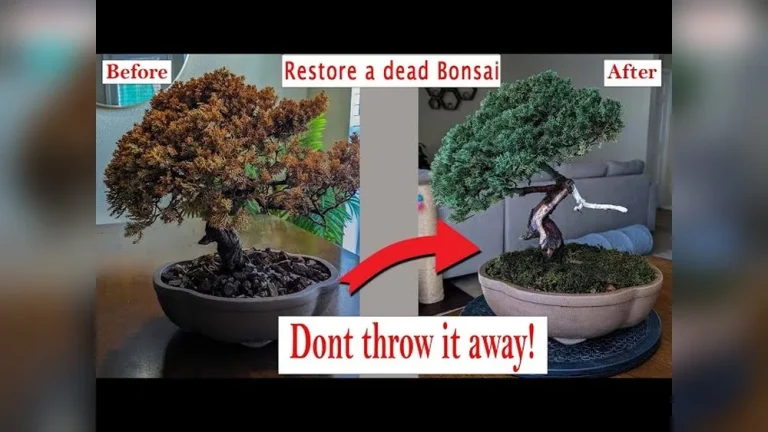
Then, things started to change. The tips of some branches turned brown. It wasn’t a lot at first.
I thought maybe I was underwatering. Or perhaps I was overwatering. I couldn’t figure it out.
The soil seemed to stay wet for a long time. The air in my apartment felt a bit thick, even with the windows open sometimes.
One morning, I noticed a strange smell. It was a damp, musty odor. I looked closely at the soil.
It seemed to have a fuzzy, gray-green film on top. Panic set in. I quickly looked up juniper care online.
That’s when I learned the hard truth. Junipers are outdoor trees. They need cold to sleep.
My bright window wasn’t bright enough. My apartment wasn’t the right place for it.
It was a hard lesson. I had loved that little tree. I wanted it to be happy and healthy.
But my efforts to care for it indoors were actually hurting it. I had misunderstood its basic needs. It was a tough experience, but it taught me a lot about respecting a plant’s natural life cycle.
I ended up moving it outside to my porch for the cooler months. It perked up a bit, but the damage was done. It never quite recovered its former glory.
What Happens to the Juniper Tree?
When you keep a juniper bonsai indoors, several things can go wrong. The most common issue is a loss of vigor. The tree will start to look tired.
Its needles might turn yellow or brown. This is a sign of stress. It’s the tree telling you something is wrong.
Without enough light, the tree can’t make enough food. Its growth will slow down. The needles might become sparse.
The branches can look weak and spindly. This is called etiolation, but in simpler terms, it’s like the tree is reaching for light it can’t find.
The lack of dormancy is a big problem. The tree doesn’t get to rest. This weakens its overall health.
It can make it more susceptible to diseases and pests. It’s like a person trying to work all the time without sleep. Eventually, they get sick.
Humidity levels can also cause issues. If the air is too dry, the needles can dry out and fall off. If the air is too humid, especially with poor air circulation, fungi can grow.
This can lead to root rot or needle blight. These are serious problems for any plant.
Signs Your Indoor Juniper is Unhappy
Yellowing or Browning Needles: This is a common sign of stress.
Needle Drop: If needles are falling off faster than usual, pay attention.
Weak or Stunted Growth: The tree isn’t putting on new growth like it should.
Dull Color: The vibrant green color fades to a duller shade.
Mold or Odor: Smells from the soil or visible mold indicate serious issues.
Can Junipers Survive Indoors at All?
For a short period, maybe. If you are just bringing it inside for a few days during extreme cold, it might be okay. But it’s not a long-term solution.
Think of it like a vacation for the tree. It can handle a short break from its normal routine.
Some people try to create artificial dormancy. This involves placing the tree in a cool garage or unheated sunroom. This is a much better approach than keeping it in a warm living room.
The goal is to give it a significant drop in temperature for several months.
Even with these efforts, success is not guaranteed. Indoor environments are very different from outdoor ones. The quality of light is a major factor.
The temperature fluctuations might not be extreme enough. The air flow is different.
You might also need special grow lights. These lights need to be strong enough. They need to provide the right spectrum of light.
Many people underestimate the power of natural sunlight. Recreating it indoors is difficult and can be costly.
Short-Term Indoor Survival Tips
Limit Time Inside: Only bring it indoors when absolutely necessary.
Coolest Spot: Place it in the coolest room possible. Avoid heat vents.
Brightest Light: Use the brightest window available. Supplement with grow lights if possible.
Monitor Soil Moisture: Water only when the top layer of soil is dry. Avoid overwatering.
Watch for Pests: Inspect the tree regularly for any signs of bugs.
Light Requirements: The Biggest Hurdle
Let’s focus on light again. It’s probably the single biggest challenge. Junipers need intense light.
Think of a desert plant or a plant on a sunny hillside. They soak up sun all day long. A south-facing window in the U.S.
might get a few hours of direct sun.
But even then, the intensity is not the same as being outside. The glass of the window blocks many of the sun’s rays. The angle of the sun changes throughout the day and the year.
These factors reduce the amount of usable light the tree receives.
If you’re serious about growing a juniper indoors, you would need powerful grow lights. These are not your average desk lamps. You’d need full-spectrum LED grow lights.
They need to be positioned close to the tree. And they need to run for many hours a day, mimicking natural daylight cycles.
This can get expensive. The cost of the lights themselves adds up. Then there’s the electricity bill.
It becomes a significant investment. And still, it might not be enough. It’s a constant battle to provide adequate light indoors.
Many people find it’s just easier to keep them outside.
Watering and Humidity Indoors
Watering is tricky. Indoors, the soil will dry out much slower than outside. This is because there’s less wind and less direct sun.
Overwatering is a huge risk. It can lead to root rot. This is a common killer of indoor plants, and bonsai are particularly vulnerable.
You need to check the soil moisture regularly. Use your finger or a moisture meter. Only water when the top inch of soil feels dry.
Let the water drain out freely. Never let the pot sit in a saucer of water. That will drown the roots.
Humidity is another concern. Most homes are much drier in the winter. This is due to heating systems.
Dry air can cause the needles to dry out. Some people try to increase humidity by misting the leaves. However, misting is often not enough.
It only provides a temporary boost. It can also encourage fungal growth if done too often without good air flow.
Using a humidity tray can help. This is a shallow tray filled with pebbles and water. The pot sits on the pebbles, above the water line.
As the water evaporates, it increases humidity around the tree. But even this might not be enough for a juniper, which prefers specific humidity levels.
Watering & Humidity Smart Tips
Check Soil First: Always test the soil before watering.
Water Thoroughly: When you do water, soak the soil completely.
Good Drainage is Key: Ensure your pot has drainage holes.
Humidity Tray: Use one if your home is very dry.
Avoid Misting Often: It’s rarely enough and can cause problems.
Temperature and Dormancy: The Crucial Missing Piece
This is where most attempts to grow junipers indoors fail. Junipers are temperate climate trees. They are adapted to seasons.
They need a period of cold temperatures to survive long-term. This cold period, called dormancy, is essential for their health and longevity.
During dormancy, the tree’s metabolic processes slow down. It conserves energy. It prepares for the next growing season.
Indoor temperatures, typically between 65-75°F (18-24°C), are too warm. They signal the tree to stay active. This constant activity without rest weakens it over time.
A proper dormancy period for junipers usually lasts 3-4 months. Temperatures should ideally be between 20-45°F (-7 to 7°C). This is hard to achieve in a typical home.
Garages, unheated porches, or even a sheltered spot outdoors (if temperatures don’t drop too low) are better options.
Without this cold period, the tree will eventually weaken. It will become more prone to diseases. Its growth will become weak.
It might even die within a few years. It’s like trying to live without sleep. It’s just not sustainable.
Understanding Dormancy
What it is: A natural rest period for the tree.
Why it’s needed: Conserves energy, signals for spring growth.
Ideal Temps: 20-45°F (-7 to 7°C) for 3-4 months.
Problem Indoors: Constant warmth prevents dormancy.
Consequences of no dormancy: Weakened tree, disease risk, shorter lifespan.
Pests and Diseases When Indoors
Even if you manage light and water, indoor conditions can invite pests. Spider mites are common in dry indoor air. They suck the sap from the needles, causing them to yellow and drop.
Mealybugs and scale insects can also be a problem.
Fungal diseases are also a risk. Overwatering and poor air circulation create a perfect environment for fungi to thrive. Root rot is devastating.
Needle blight can cause significant damage to the foliage.
Catching these problems early is crucial. Inspect your juniper regularly. Look under the needles and on the branches.
Check the soil surface. If you see any signs of pests or mold, act fast. Isolate the tree to prevent spread.
Treatment options vary. For pests, you might use insecticidal soap or neem oil. For fungal issues, fungicides might be necessary.
But remember, a weakened tree is more susceptible. Keeping the tree healthy and strong is the best defense.
Common Indoor Juniper Woes
Spider Mites: Tiny pests that love dry air. Cause yellowing.
Mealybugs & Scale: Small insects that feed on sap.
Root Rot: Caused by overwatering and poor drainage. Fatal.
Needle Blight: Fungal disease affecting needles.
Prevention is Key: Good airflow, proper watering, and strong light are best defenses.
Real-World Scenarios
Let’s look at a few scenarios. Imagine Sarah in Phoenix, Arizona. Her home is very dry.
She keeps her juniper on a sunny patio. The winter temperatures drop low enough for dormancy. She waters carefully.
Her juniper thrives because it gets outdoor conditions.
Now consider Mark in Chicago, Illinois. He brings his juniper inside for the winter. He puts it in a cool, unheated garage.
The garage gets some light from a window. He monitors it closely. This is a much better attempt at providing dormancy, and he has a higher chance of success than someone keeping it in a warm living room.
Then there’s Emily in Miami, Florida. Her climate is warm year-round. She tries to keep her juniper in a bright room.
She gives it grow lights. She tries to mimic dormancy with cool packs. However, the lack of natural cold and the intense heat of her region make it very difficult.
Her juniper likely won’t survive long-term.
These scenarios highlight that location and climate matter greatly. What works in one place might not work in another. Understanding your local climate is the first step in deciding if keeping a juniper indoors is even feasible, even for short periods.
What This Means for Your Juniper Bonsai
If you have a juniper bonsai, it’s essential to know its needs. For most people, keeping it indoors year-round is a recipe for disaster. The tree will likely decline and eventually die.
It’s not a reflection of your ability as a plant parent. It’s simply a mismatch of the plant’s natural requirements and the indoor environment.
The goal for a healthy, long-lived juniper bonsai is to provide it with an outdoor life. This means letting it experience the seasons. It needs the sunshine, the rain, and the cold of winter.
If you live in an area with harsh winters, you’ll need to protect it. But it still needs to be outside.
You can bring it inside for short periods. This might be for display during holidays. Or if there’s a sudden, extreme cold snap.
But these should be temporary visits. Think of it as a guest in your home, not a permanent resident.
If you are committed to indoor growing, you need to be prepared for the challenges. This means investing in good grow lights. It means carefully managing watering and humidity.
And you must find a way to provide artificial dormancy, which is very difficult.
Quick Fixes and Tips
While long-term indoor survival is tough, here are some tips if you must bring it inside:
- Use Grow Lights: Invest in full-spectrum LED grow lights. Position them close. Run them for 12-16 hours daily.
- Cool Location: Place the tree in the coolest part of your home. Avoid direct heat sources.
- Monitor Soil: Water only when the top inch of soil is dry. Ensure excellent drainage.
- Increase Humidity: Use a humidity tray or humidifier. Avoid misting excessively.
- Air Circulation: Use a small fan on low speed for a few hours a day.
- Observe Closely: Watch for any signs of stress, pests, or disease. Act quickly if problems appear.
- Consider Artificial Dormancy: If possible, move the tree to a cool garage or unheated porch for winter.
It’s important to understand that these are not guaranteed fixes. They are attempts to mitigate the problems. The best approach is always to provide outdoor conditions when possible.

Frequently Asked Questions
Can I keep a juniper bonsai indoors all year round?
No, it is generally not recommended for long-term health. Junipers need a distinct winter dormancy period with cold temperatures and significant outdoor light that is very difficult to replicate indoors. While they might survive for a short time, they often decline without the right conditions.
What happens if my juniper bonsai doesn’t go dormant?
If a juniper bonsai does not experience a cold dormancy period, its health will suffer. The tree’s natural cycles are disrupted. It will weaken over time, become more susceptible to pests and diseases, and its overall lifespan will be significantly reduced.
It’s like a person not getting enough sleep; they eventually get sick.
How much light does an indoor juniper bonsai need?
Indoor junipers need a lot of light, far more than most windows can provide. They require at least 6-8 hours of bright, direct sunlight daily. If you are growing indoors, you will likely need to supplement with strong, full-spectrum LED grow lights to mimic outdoor conditions effectively.
What are the signs that my indoor juniper is unhappy?
Signs include yellowing or browning needles, excessive needle drop, weak or stunted growth, dull needle color, and mold or unpleasant odors from the soil. These are all indicators that the tree is not receiving the conditions it needs to thrive.
Can I use a cool basement or unheated garage for juniper dormancy?
Yes, a cool basement or an unheated garage can be much better options than a warm living space. The key is that the location must provide temperatures that are consistently cool, ideally between 20-45°F (-7 to 7°C) for several months. Some light is also beneficial, but the cold is the primary requirement.
Is misting my indoor juniper good for it?
Misting can provide a temporary increase in humidity, but it is often not sufficient for junipers and can sometimes encourage fungal diseases if done too often without good air circulation. Using a humidity tray with pebbles and water is generally a more effective way to increase humidity.
Conclusion
So, what happens if you grow juniper bonsai indoors? In short, it’s a struggle. These trees are built for the outdoors.
They need the sun, the air, and the cold of the seasons. Trying to keep them inside year-round often leads to decline. You might see browning needles, weak growth, and an unhappy tree.
It’s a challenging environment to recreate at home. For a thriving juniper bonsai, think of your home as a temporary shelter, not its permanent residence.
Related pick: Check today's price on Amazon