Will Exposing A Bonsai To Wind Help Its Trunk Thicken?
Wind exposure can indeed help thicken a bonsai trunk. It forces the tree to develop stronger wood and a more robust structure to withstand the gusts. However, it needs to be done carefully, considering the species and the tree’s health. Too much wind, too soon, can cause damage.
For another bonsai-specific follow-up, How To Grow Bonsai Trees From Seed Like A Pro Gardener gives readers a related care or selection angle.
For another bonsai-specific follow-up, What Kind of Bonsai Will Grow in Northern Minnesota? Top Picks gives readers a related care or selection angle.
For another bonsai-specific follow-up, Will Hawaiian Bonsai Umbrella Tree Grow Under Low Light Conditions? gives readers a related care or selection angle.
Understanding Trunk Thickening in Bonsai
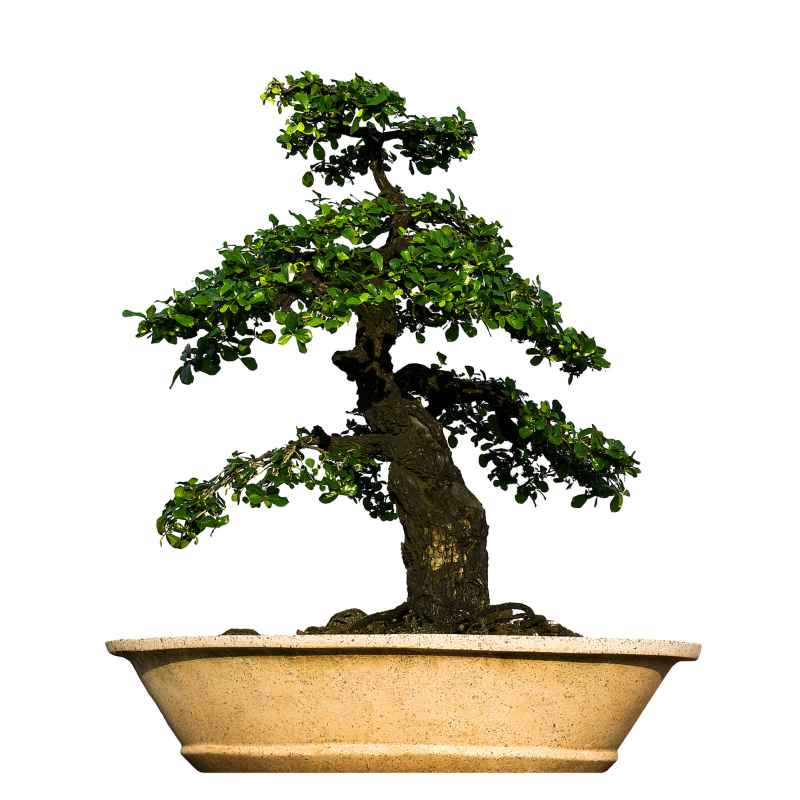
The trunk of a bonsai is its heart. It’s what gives the tree its character and sense of age. We all want that sturdy, powerful look. Several things help a trunk get thick. These include age, good soil, proper watering, and yes, environmental factors. Wind is one of those factors people often talk about.
When a tree grows in the wild, it faces all sorts of weather. Rain, sun, and wind all play a part. The wind is interesting because it pushes against the tree. This pushing action makes the tree work harder. It has to grow stronger roots to hold on. It also has to grow a stronger trunk to stand up. This is a natural response from the tree.
This natural response is what we try to mimic in bonsai. We want our trees to look like they’ve lived a long time. A thick trunk is a big sign of that. So, we look for ways to encourage this thickening. Wind is a common suggestion. But how does it really work, and is it always good? Let’s explore the science behind it.

The Science of Wind and Tree Growth
Trees have an amazing ability to adapt. When they feel stress, they respond. Wind is a type of mechanical stress. It’s like a gentle workout for the tree. When the wind blows, it pushes on the trunk and branches. This bending and swaying makes the cells in the trunk work harder.
Specifically, the cambium layer of the tree is affected. This layer is responsible for growth. It produces new wood (xylem) and bark (phloem). When the tree has to resist the wind, the cambium produces more wood on the side facing the wind. This is called strengthening wood. It’s denser and stronger.
Over time, this continuous exposure leads to a thicker trunk. It’s the tree’s way of building its own support system. Think of it like a bodybuilder lifting weights. The muscles get stronger with resistance. The tree trunk gets stronger and thicker with wind resistance. This is a key concept in bonsai trunk thickening.
Aerodynamic Considerations
Trees don’t just stand there in the wind. They react. Their shape matters. A tree with a very upright, stiff trunk might resist wind differently than one with a more flexible trunk. Bonsai artists often style trees to have a certain flow. This flow can interact with the wind.
Some tree species are naturally more wind-resistant. Others are more delicate. Knowing your tree’s species is very important. The way the wind moves around the trunk also matters. It’s not just a simple push. There are pressures and pulls. The tree’s structure helps it manage these forces. This is why understanding the environment is so crucial.
Personal Experience: The Day the Storm Hit
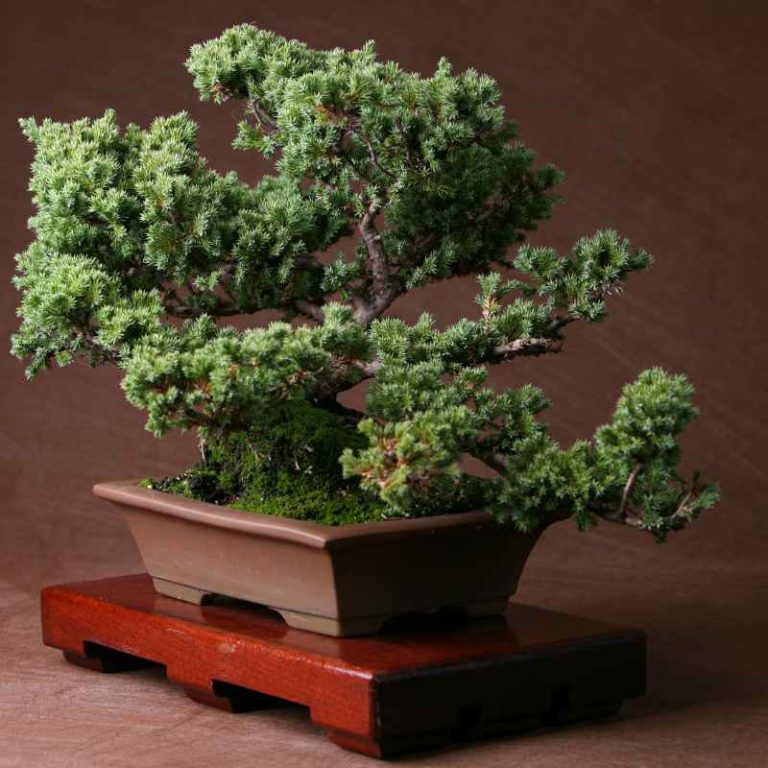
I remember one particularly blustery autumn evening. I had a young juniper I was working on. It was in a somewhat exposed spot on my balcony. I usually brought my more delicate trees in when strong winds were predicted. But this juniper was a bit feistier. I thought it could handle it. I wanted to see if a little tough love would help its trunk.
The wind howled all night. It sounded like a freight train was passing by. In the morning, I went out to check. My heart sank a little. The juniper was leaning quite a bit. Some of its finer branches looked a bit battered. I rushed to inspect the trunk. I was worried it might have snapped.
But surprisingly, the trunk held firm. It was bent, yes, but not broken. And as I looked closer over the next few weeks, I noticed something. The side of the trunk that had taken the brunt of the wind seemed… different. It looked a little fuller. It had a subtle, yet noticeable, thickening compared to the side that was more sheltered. That was my first real “aha!” moment about the power of wind on bonsai trunk development. It wasn’t just theory anymore; I saw it happen.
The Risks of Over-Exposure
While wind can be beneficial, it’s not a magic bullet. Too much of a good thing can be bad. Exposing a young or weak bonsai to strong winds can cause serious harm. The trunk might break. The roots could be uprooted, especially if the soil isn’t stable. Branches can snap off, ruining the styling.
Delicate species are especially vulnerable. Trees with thin bark or very flexible wood need extra care. You don’t want your bonsai to look like it survived a tornado. You want it to look strong and healthy. So, a balanced approach is key.
Consider the tree’s health first. Is it well-established? Does it have good root structure? If the answer is no, then strong winds are probably not a good idea. Start with gentle breezes. Then, slowly increase exposure as the tree gets stronger. This is a gradual process. It takes patience.
Species Considerations
Different trees react to wind differently. Pines, for example, are quite tough. They often grow in exposed, windy areas in nature. Their needles are designed to handle wind. Junipers are also fairly resilient. They can often tolerate more wind than some deciduous trees.
Maples, on the other hand, can be more sensitive. Their leaves can get torn up by strong winds. Their branches might be more brittle. You need to know your specific bonsai species and its natural habitat. This will tell you a lot about how it might respond to wind.
How to Safely Expose Your Bonsai to Wind
The goal is to simulate natural conditions without damaging your tree. Start small. If you live in a very sheltered area, you might need to find ways to introduce gentle movement.
One way is to place your bonsai on a movable platform. You can then turn it so it catches the breeze from time to time. If you have a balcony or patio, this is easier. You can gradually move it closer to the edge where it gets more air.
Another method is to use a fan. This might sound strange for a tree, but it can work. Use a low setting. Let it run for short periods. This helps the tree get used to air movement. It’s a controlled way to build resilience.
Most importantly, observe your tree. Watch how it reacts. If you see signs of stress, like wilting or drooping branches, back off. Protect the tree from harsh gusts. The best time for wind exposure is often during the growing season when the tree is strong.
Timing and Duration
When is the right time to let the wind work its magic? During the spring and summer is generally best. This is when the tree is actively growing. It can recover from any minor stress. It can also use the stimulus to grow stronger.
Avoid exposing your bonsai to strong winds during dormancy in winter. The tree is more fragile then. Also, avoid windy periods when temperatures are extreme, either very hot or very cold. These conditions add extra stress.
Start with short periods of exposure. Maybe an hour or two a day. Then, slowly increase the duration. As the trunk thickens, you can allow longer exposure. But always remain vigilant. You’re aiming for consistent, gentle stimulation. You are not trying to break the tree.
The Role of Soil and Root Systems
A strong trunk needs a strong foundation. This means a healthy root system. If the roots are weak, the trunk can’t get thick. The roots anchor the tree. They also absorb water and nutrients. A good root system is crucial for the tree to withstand wind.
When you expose your bonsai to wind, it stresses the roots too. They have to work harder to keep the tree upright. Over time, this can lead to a denser, stronger root ball. This is a positive side effect of wind exposure.
Make sure your soil drains well. Soggy soil can lead to root rot. This weakens the roots. It makes them more prone to damage from wind. Good soil is essential for any bonsai, but it’s especially important for trees that will be exposed to the elements.
What Else Helps Thicken a Bonsai Trunk?
Wind is only one piece of the puzzle. Many other factors contribute to bonsai trunk thickness. Age is a big one. Older trees naturally have thicker trunks. But we want to speed up that process.
Good soil is vital. A well-draining mix allows roots to spread. It provides the nutrients the tree needs to grow. Proper watering is also key. Too little water stresses the tree. Too much can lead to root problems.
Fertilizing correctly helps. A balanced fertilizer provides the building blocks for growth. Too much fertilizer can burn the roots. Too little means slow growth.
Pruning also plays a role. Strategic pruning can redirect energy. It can encourage growth in certain areas. Sometimes, letting a branch grow long and thick for a while can help thicken the trunk. This is called sacrificial pruning.
Wind Exposure vs. Other Thickening Methods
Wind Exposure:
- Encourages denser wood.
- Develops natural taper.
- Simulates outdoor growth.
- Requires careful management.
Other Methods:
- Age: The most natural way.
- Fertilizing: Provides nutrients for growth.
- Sacrificial Branches: Let branches grow to draw energy.
- Repotting: Encourages root spread, supporting trunk growth.
- Trunk Chops: Radical method to force new growth and thickening.
When is it Normal for a Bonsai Trunk to Thicken?
A bonsai trunk thickens over time. It’s a slow process. It’s not something that happens overnight. Younger trees will thicken faster than older ones. But the rate of thickening also depends on the species.
If your bonsai is very young, you should see consistent growth. The trunk should gradually increase in diameter. If it seems to be standing still, something might be wrong. Check your watering, fertilizing, and light.
For established bonsai, thickening might slow down. The focus shifts to refining shape. But even then, small gains in trunk thickness can occur. It’s all part of the journey.
When to Worry About Your Bonsai’s Trunk
You should worry if the trunk is suddenly shrinking. This is a sign of serious trouble. It means the tree is not getting enough energy. It might be root rot or a disease.
If the trunk is developing soft spots or discoloration, that’s also a red flag. These could be signs of fungal infections or pests.
A trunk that is too thin for its height can look awkward. This isn’t necessarily a sign of a problem, but it means you might need to work on thickening it. However, if the tree is generally healthy, a thin trunk is usually a sign of youth.
Signs a Tree is Struggling
- Yellowing leaves: Can mean too much or too little water, or lack of nutrients.
- Drooping branches: Often a sign of thirst or root issues.
- No new growth: Could be due to poor light, soil, or temperature.
- Visible pests: Aphids, spider mites, or scale insects need immediate attention.
- Fungal spots: Indicate disease and require treatment.
Quick Tips for Encouraging Trunk Thickening
Here are some simple things you can do:
Repot strategically. When you repot, spread the roots out. This encourages them to grow outward, which supports trunk thickness.
Use a good soil mix. It should drain well and provide nutrients.
Fertilize regularly. Use a balanced fertilizer during the growing season.
Let it grow a bit. Sometimes, letting a branch grow long and strong can help. Then, prune it back later.
Consider trunk chops. This is an advanced technique. It involves cutting the trunk back hard to force new growth. It creates rapid thickening.
Gentle wind exposure. As discussed, this helps build strength.
Quick Scan: Bonsai Trunk Thickening Checklist
| Factor | Impact | Action |
| Age | Natural growth | Patience |
| Soil | Root support | Use well-draining mix |
| Watering | Health | Water when needed |
| Fertilizer | Growth | Feed during growing season |
| Wind | Strength | Introduce gradually |

Frequently Asked Questions About Bonsai Trunk Thickening
Does a bonsai tree need to be outside to thicken its trunk?
While not strictly necessary, being outside exposes a bonsai to natural elements like wind and varied light. These conditions are excellent for encouraging stronger growth and trunk thickening. Indoor environments can be controlled but lack the natural stimuli for robust thickening.
How long does it take for a bonsai trunk to thicken significantly?
The time varies greatly depending on the species, age, and care. A young tree can show noticeable thickening within a few years with good care. However, achieving a truly mature, thick trunk can take many years, even decades.
Patience is a virtue in bonsai.
Can I use a heavy pot to help thicken my bonsai’s trunk?
A heavier pot itself doesn’t directly thicken the trunk. However, a larger or heavier pot can accommodate a larger root system. A robust root system is essential for supporting and feeding a thicker trunk.
So, indirectly, a pot that allows for good root development helps.
What is the best fertilizer for thickening a bonsai trunk?
A balanced fertilizer is generally recommended. Look for one with a relatively even N-P-K ratio. Some growers prefer fertilizers with slightly higher nitrogen during the main growing season to promote leafy growth and overall vigor, which contributes to trunk thickening.
Is it okay to let my bonsai lean in the wind?
A slight, temporary lean during a gust is normal. However, if your bonsai consistently leans or struggles to stay upright, it’s a sign of weakness. This could be due to a weak root system or a trunk that isn’t strong enough yet.
It’s better to support it or protect it from excessive wind.
Can I use wiring to thicken my bonsai trunk?
Wiring is primarily used for shaping the trunk and branches, not direct thickening. However, by guiding the trunk’s growth into a desired shape, wiring can influence how the tree responds and grows, potentially leading to secondary thickening in response to the stress of wiring.
Final Thoughts on Wind and Your Bonsai
So, does exposing your bonsai to wind help thicken its trunk? The answer is a resounding yes, but with caveats. It’s a natural process that encourages the tree to build strength. This leads to a more robust and visually appealing trunk. However, it’s not a free pass to expose your tree to harsh storms.
Start gently. Understand your tree species. Observe its reactions. Combine wind exposure with good soil, proper watering, and balanced feeding. This holistic approach will give you the best chance at achieving that sought-after thick, mature bonsai trunk. Remember, bonsai is a journey of patience and observation, much like watching a forest grow.