How Often Should You Water A Pinus Aristata Bonsai Tree?
It can feel like a puzzle, can’t it? You’ve got this beautiful, ancient-looking Pinus aristata bonsai. You love its rugged charm and the sense of history it brings to your space. But then comes the big question: how much water does it actually need? It’s a common worry for many bonsai enthusiasts. Too much or too little water can quickly cause problems.
Readers comparing bonsai options may also find Why Is The Bonsai Tree Passed Down Within The Family? useful before choosing a tree or pot.
Readers comparing bonsai options may also find What Size Container Should You Use To Bonsai An Avocado? useful before choosing a tree or pot.
Readers comparing bonsai options may also find What Bonsai Activities Should You Be Doing Right Now? useful before choosing a tree or pot.
You want to do right by your Bristlecone Pine. You’re looking for clear guidance, not just general advice. You want to understand what signals to watch for. This guide will break down the watering needs of your Pinus aristata bonsai tree. We’ll cover everything from how often to water to how to tell if you’re doing it right. Let’s get your ancient-looking tree happy and healthy.
Watering a Pinus aristata bonsai is less about a strict schedule and more about checking the soil. You should water when the top inch of soil feels dry to the touch. Factors like pot size, soil type, and environmental conditions all play a role. Always allow water to drain freely.
Understanding Your Pinus Aristata Bonsai’s Water Needs
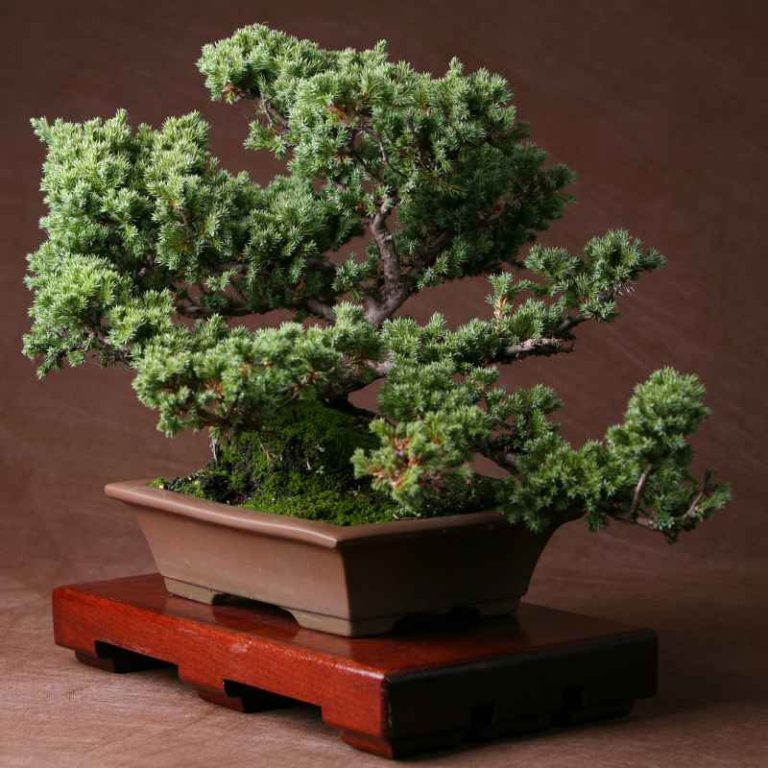
Bristlecone Pines, or Pinus aristata, are famous for their incredible longevity and ability to survive in harsh conditions. They grow slowly in nature. They often live on rocky, exposed slopes in the mountains. This means they are naturally adapted to drier spells. They don’t like sitting in soggy soil. That’s a crucial point for bonsai care.
In their natural mountain homes, these trees experience distinct wet and dry periods. They also face wind and sun exposure. Bonsai pots are small. This changes how soil dries. The roots have limited space. Good watering practices are key to mimicking their natural environment. But in a controlled pot setting, you need to be more attentive. Overwatering is a common mistake. It can lead to root rot. This is far more dangerous than a short dry spell.
So, the core idea is this: your Pinus aristata bonsai tree needs moisture, but not constant wetness. Think of it as giving it a good drink when it’s thirsty, and then letting it rest. We are aiming for a balance. This balance keeps the roots healthy. It also encourages the slow, deliberate growth that makes bonsai so special.
Understanding the plant itself helps. The needles of the Bristlecone Pine are short and stiff. They are usually dark green. Sometimes they have white flecks. These flecks are resin. They help the tree deal with dry air. The tree is generally hardy. But its unique adaptation to tough environments means it can be sensitive to too much water in a pot. This sensitivity makes precise watering essential.
The goal is to keep the soil moist, not saturated. Imagine a well-wrung-out sponge. That’s what you’re aiming for in the pot. It holds enough water for the roots. But it also allows air to circulate. Air is vital for healthy root systems. Without air, roots can suffocate and rot. This is a concept that applies to most plants, but it’s especially true for pines in bonsai pots.
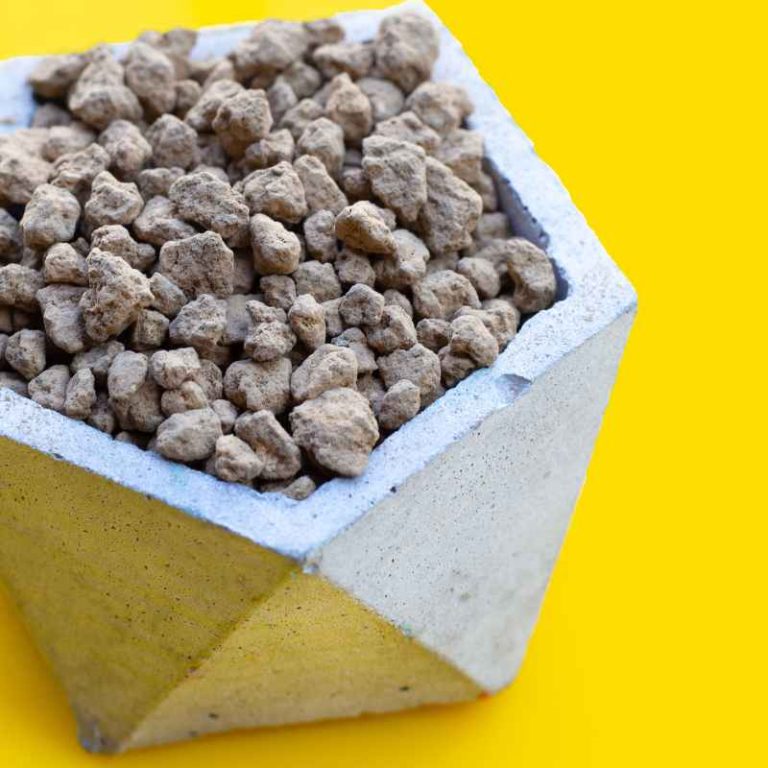
The soil mix you use is also very important. A good bonsai soil drains well. It usually contains things like akadama, pumice, and lava rock. These materials help prevent waterlogging. They also help aerate the roots. If your soil holds too much water, you will need to water less often. This is why soil preparation is so critical for bonsai health.

When to Water: The Soil Moisture Test
The absolute best way to know when to water your Pinus aristata bonsai is to check the soil. Don’t just guess. Don’t water on a calendar schedule. Your tree’s needs change daily. They change based on the weather and the season. So, you need to become a soil detective.
Here’s how you do it: Stick your finger into the soil. Go about an inch deep. You can also use a wooden chopstick or a moisture meter. Feel the soil. Is it cool and damp? Or is it starting to feel a bit dry and crumbly? If it feels cool and damp, wait. Your tree is still good. If it feels dry, or almost dry, it’s time to water.
This simple check is the most reliable method. It accounts for all the variables. These variables include humidity, temperature, wind, and sunlight. It also considers how much water the tree used since the last watering. It’s like asking your tree directly if it’s thirsty. And it usually tells you pretty clearly.
Think about how plants communicate. They can’t talk, but their needs are shown. Drooping leaves can be a sign of thirst. But they can also be a sign of too much water. So, checking the soil first is much safer. It prevents you from overreacting. It ensures you’re responding to the actual need.
The top inch of soil is important. This is where the fine feeder roots are often located. When this layer starts to dry out, the roots in this zone are at risk. Giving them a good soak at this point is ideal. It allows the water to reach these important roots before they dry out completely.
Sometimes, the surface of the soil might look dry. But an inch down, it could still be quite moist. This is why probing a bit deeper is necessary. A moisture meter can help with this. But your finger is often the most sensitive tool. Plus, it’s always with you!
Remember that pine needles are tough. They can survive dry conditions for a while. So, a little bit of dryness is not instantly fatal. However, letting the soil become bone dry repeatedly will stress the tree. This can lead to needle drop and slow recovery. We want to avoid that stress.
Soil Moisture Testing Steps
- Check Daily: Make it a habit to check your bonsai’s soil moisture every day, especially during warm weather.
- Finger Test: Gently push your finger about an inch into the soil.
- Feel the Soil: If it feels dry or crumbly, it’s time to water. If it feels cool and damp, wait.
- Use a Tool: A wooden chopstick or a moisture meter can confirm your finger’s reading if you’re unsure.
How to Water Your Pinus Aristata Bonsai
Once you’ve determined it’s time to water, do it thoroughly. Don’t just give it a little sprinkle. The goal is to saturate the entire root ball. This ensures all the roots get access to water. It also helps to flush out any accumulated salts from fertilizers or tap water.
Use a watering can with a fine rose. This will gently water the soil. It won’t blast it away. Start watering from the edge of the pot and work your way in. Continue watering until you see water running freely from the drainage holes at the bottom of the pot. This is your signal that the entire root ball is wet.
After watering, let the pot drain completely. Do not let it sit in a saucer full of water. As mentioned before, this can lead to root rot. Good drainage is critical for Pinus aristata bonsai. Ensure your pot has adequate drainage holes. Also, make sure these holes aren’t blocked by soil or roots.
The type of water you use can matter. If your tap water is very hard, meaning it has a lot of minerals, this can build up in the soil over time. This buildup can harm your tree. If you have hard water, consider using rainwater or filtered water. Many bonsai enthusiasts prefer rainwater. It’s pure and free of chemicals.
The time of day you water also matters. It’s generally best to water in the morning. This gives the tree time to absorb the water. It also allows any excess moisture on the foliage to evaporate. This reduces the risk of fungal diseases. Watering in the evening can leave the leaves wet overnight. This can be problematic in humid conditions.
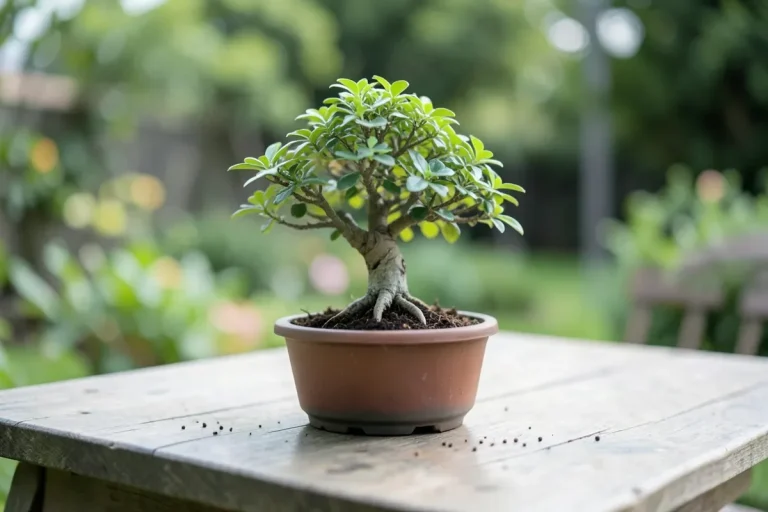
Be mindful of the pot material. Ceramic pots can dry out faster than plastic ones. Unglazed pots tend to dry out quicker than glazed ones. The size of the pot also impacts drying time. Smaller pots dry out much faster than larger ones. Your Pinus aristata bonsai tree in a tiny pot will need more frequent checks than one in a larger container.
Sometimes, especially if the soil has become very dry, it can become hydrophobic. This means it repels water. The water might just run down the sides of the pot. If this happens, you might need to soak the pot in a tub of water for a little while. Let it sit until bubbles stop rising. This ensures the soil absorbs water fully.
Best Watering Practices
- Water Thoroughly: Always water until it drains from the bottom holes.
- Use a Fine Rose: This prevents soil erosion and is gentle on the roots.
- Drainage is Key: Never let the pot sit in standing water.
- Morning Watering: Water in the morning to allow for evaporation.
- Water Quality: Rainwater or filtered water is often best.
Factors Influencing Watering Frequency
The question “how often” doesn’t have one single answer. It’s like asking how often you should eat. It depends on your activity level, your metabolism, and the food you’re eating. For your Pinus aristata bonsai tree, the watering needs depend on several factors. Understanding these will make you a much better bonsai parent.
Season: This is a big one. In summer, when temperatures are high and days are long, your bonsai will use water much faster. You might need to water daily or even twice a day during heatwaves. In winter, when growth slows down and temperatures are cooler, your tree will need much less water. You might only water every week or two.
Temperature: Hotter weather means more evaporation from the soil and more transpiration from the tree. Cooler weather means less evaporation and transpiration. Even on a mild winter day, if it’s sunny and windy, the soil can dry out faster than on a cool, cloudy summer day. Pay attention to the actual conditions.
Humidity: Low humidity makes the soil dry out quicker. High humidity keeps the soil moist longer. If you live in a dry climate, you’ll water more often. If you live in a very humid area, you’ll water less often. Indoor environments can often be dry, especially with heating or air conditioning.
Wind: Wind is a significant factor. It dries out the soil surface rapidly. It also increases transpiration from the needles. A windy spot, whether indoors or outdoors, will require more frequent watering. Pines are adapted to windy conditions, but in a small pot, this drying effect is amplified.
Sunlight: A bonsai that gets a lot of direct sun will dry out faster than one in partial shade. Most pines need good sun to thrive. But the intensity and duration of sunlight will impact watering needs. Consider the location of your Pinus aristata bonsai tree throughout the day.
Pot Size and Material: As discussed, smaller pots and unglazed pots dry out faster. A tiny pot might need checking multiple times a day in hot weather. A larger, glazed pot will hold moisture longer.
Soil Mix: A well-draining bonsai mix with akadama, pumice, and lava rock will dry out faster than a mix that retains more moisture. If you’ve recently repotted with a very free-draining mix, you’ll notice you water more often.
Tree’s Stage of Growth: During the active growing season, the tree will be using more water. When the tree is dormant, its water needs are significantly reduced. Understanding your tree’s cycles is part of advanced bonsai care.
Quick Look-Up: Watering Factors
- Summer: Water more often (daily or more).
- Winter: Water less often (weekly or less).
- Heat/Sun/Wind: Water more.
- Cool/Shade/Calm: Water less.
- Dry Air: Water more.
- Humid Air: Water less.
- Small Pots: Water more.
- Large Pots: Water less.
Signs Your Pinus Aristata Bonsai Needs Water (Or Has Had Enough)
Sometimes, even with the best intentions, we might miss a watering or overwater. Your Pinus aristata bonsai tree will give you clues. Learning to read these signs is crucial. It’s like listening to a friend who isn’t feeling well.
Signs of Thirst (Underwatering):
- Drooping Needles: This is a classic sign. The needles may lose their turgor (firmness) and start to droop or curl downwards.
- Dry, Crumbly Soil: When the soil has pulled away from the sides of the pot, and it feels very dry to the touch.
- Lightweight Pot: If you’re used to the weight of your pot when it’s watered, an empty pot will feel much lighter.
- Needle Drop: In severe cases, the tree might shed older needles to conserve moisture.
Signs of Too Much Water (Overwatering):
- Yellowing Needles: This is counterintuitive, but yellowing needles can be a sign of root rot caused by overwatering. The roots can’t take up nutrients when waterlogged.
- Soft, Spongy Soil: The soil stays wet for days. It feels saturated and doesn’t seem to dry out.
- Foul Odor: A sour or rotten smell coming from the soil indicates root rot.
- Wilting Despite Wet Soil: The leaves might wilt even though the soil is wet. This is because the roots are damaged and can’t absorb water.
- Fungal Growth: Mold or fungi growing on the soil surface can be a sign of excess moisture.
It’s important to remember that yellowing needles can also be caused by other issues, like pests or nutrient deficiencies. However, when combined with consistently wet soil, overwatering is a strong suspect. Always try to confirm by checking the soil moisture and the condition of the roots if you suspect root rot.
When you see signs of underwatering, water immediately and thoroughly. If you see signs of overwatering, you need to address the drainage and watering routine. You might need to repot with better-draining soil if the problem is severe and persistent. The key is to observe your tree closely. It will tell you what it needs.
My Own Bristlecone Pine Watering Fumble
I remember one scorching summer about five years ago. I had a young Pinus aristata that I was really proud of. It was in a small, slightly deeper than usual pot. I’d been following a fairly regular watering schedule, checking the soil maybe every other day.
One week, I got swamped with work deadlines. I was coming home late every night and leaving early. My usual routine went out the window. I was still checking the soil, but maybe not as diligently as I should have been. The heatwave hit hard. Temperatures were in the high 90s for days, with low humidity and a constant breeze.
I’d water, and the surface would look good. But because the pot was deeper, the bottom layers of soil stayed moist. I wasn’t letting the whole thing dry out enough between waterings. The tree’s needles started to look a little dull. Then, they started to turn a bit yellow, especially on the inner branches. My heart sank.
I immediately stopped watering. I felt terrible. I started checking the soil multiple times a day. The soil was still quite damp, even four days after the last watering. The smell was starting to get a little funky. That’s when I knew I had a serious root rot situation on my hands. It was that sinking feeling of realizing you’ve made a big mistake.
I had to act fast. I carefully removed the tree from the pot. The roots were mushy and dark. It was clear the overwatering had been going on for a while. I trimmed away all the rotted roots. I then repotted it in a much faster-draining bonsai mix. I put it in a shallower pot too. I kept it out of direct sun for a few weeks. It took a long time for the tree to recover. I lost a lot of its beautiful structure. It was a harsh lesson in how crucial diligent, responsive watering is, especially for sensitive species like pines. Ever since then, I’m obsessive about checking the soil before I even think about picking up the watering can.
Real-World Context: Environment and Habits
When we talk about bonsai, we’re often trying to recreate a miniature version of a tree’s natural environment. For Pinus aristata, this means thinking about dry, windy, rocky slopes. These conditions don’t naturally lend themselves to consistently wet soil.
Mountain Climate: Bristlecone pines grow at high altitudes in the American West. Think of the Rocky Mountains or the White Mountains of California. These areas often have cold winters with snow. But summers can be dry and sunny. They get rain, but it often comes in infrequent, heavy bursts, followed by dry periods.
Soil in Nature: Their native soil is typically thin, rocky, and very well-draining. It doesn’t hold much water. This forces the trees to develop deep, resilient root systems that can survive drought.
Exposure: These trees are often found on exposed ridges and summits. They are battered by wind and sun. This means they are incredibly tough. But it also means their environment dries out quickly.
Our Bonsai Habits: In our homes or gardens, we provide a stable environment. This can be a double-edged sword. We can protect them from harsh elements. But we can also accidentally create conditions they aren’t adapted to. For a Pinus aristata bonsai tree, this often means controlling moisture.
User Behavior: Many beginners tend to overwater. This is often out of a desire to keep the plant healthy. They think more water equals more health. But for pines, it’s the opposite. They can tolerate a bit of dryness better than a bit of wetness. It’s crucial to shift this mindset.
Pot Design: The pots we use for bonsai are often shallow. This is for aesthetic reasons. It helps keep the scale of the tree and pot in proportion. However, shallow pots dry out much faster than deeper containers. This means you need to be more vigilant with your watering checks.
The key takeaway here is that while we want to provide water, we should not mimic a rainforest. We want to provide just enough water, at the right times, and allow for drying periods. This respects the tree’s natural adaptation to lean, harsh environments. It’s about providing care that reflects its heritage.
What This Means for You and Your Bonsai
Understanding the watering needs of your Pinus aristata bonsai tree isn’t just about keeping it alive. It’s about helping it thrive and develop that ancient, characterful look that makes Bristlecone Pines so special.
When it’s Normal: It’s normal for your watering frequency to change drastically with the seasons. In summer, watering daily or even twice a day might be necessary if it’s very hot. In winter, watering might only be needed every 10-14 days. It’s also normal for the soil to dry out somewhat between waterings. This is exactly what you want.
When to Worry: You should worry if your tree consistently looks droopy or its needles are turning yellow, especially if the soil stays wet for days. If you notice mold on the soil surface or a foul smell, these are red flags for root rot. Persistent needle drop, even in older needles, can also signal a problem.
Simple Checks to Do:
- The Finger Test: Always, always check the soil moisture by feel before watering.
- Pot Weight: Lift your pot regularly to get a feel for how heavy it is when watered vs. when dry.
- Drainage Check: Make sure water runs freely from the drainage holes after watering. If it doesn’t, your drainage is blocked.
- Observe Your Tree: Look for any changes in needle color, firmness, or overall vigor.
The health of your Pinus aristata bonsai tree is a reflection of your care. By paying close attention to its soil moisture and environmental conditions, you can provide the right amount of water. This will help it stay strong and beautiful for years to come. It’s about building a relationship with your tree. You learn its rhythms and needs.
If you’re unsure, it’s often better to slightly underwater than to overwater. A Bristlecone Pine can recover from a dry spell more easily than it can recover from root rot. This principle is golden in bonsai care for many species, but especially for pines adapted to drier climates. Trust your senses, but also trust your tree’s ability to signal its needs.
Quick Fixes and Tips for Watering
Sometimes, you just need a few handy tips to make watering easier and more effective. These are simple adjustments that can make a big difference for your Pinus aristata bonsai tree.
Tip 1: Invest in a Good Watering Can. A watering can with a fine rose (the part with many small holes) is essential. It distributes water gently and evenly. This prevents washing away soil and damaging delicate roots. It makes the watering process much more effective.
Tip 2: Water from Above and Check Below. Water the soil surface thoroughly until water flows out of the drainage holes. Then, check those drainage holes to ensure water is indeed flowing. This confirms the entire root ball has been saturated.
Tip 3: Don’t Let it Sit in Water. Always empty saucers or trays after watering. Leaving the pot to sit in standing water is a fast track to root rot. This is especially true for pines.
Tip 4: Consider a Humidity Tray. If you live in a very dry climate, or run a lot of heat/air conditioning, a humidity tray can help. Place the bonsai pot on a tray filled with pebbles and water. Ensure the bottom of the pot isn’t submerged in the water. This provides extra humidity around the tree.
Tip 5: Use a Moisture Meter if You’re Nervous. While the finger test is great, a simple moisture meter can give you an extra layer of confidence. Stick it into the soil to get a reading. It can help you understand what ‘dry’ feels like at different depths.
Tip 6: Label Your Pots (If Necessary). If you have many trees with different watering needs, a small tag indicating “Water when dry” or “Keep slightly moist” can be helpful. For your Pinus aristata bonsai tree, the rule is always: “Water when the top inch is dry.”
Tip 7: Adjust for Repotting. After repotting, the soil mix might be different. You may need to observe for a few weeks to get a feel for how quickly this new soil drains and retains moisture. Be extra careful with watering after a repotting event.
These tips are about making the process simpler and more effective. They help you avoid common pitfalls. Consistent, correct watering is one of the pillars of successful bonsai care. For your Bristlecone Pine, precision is key.

Frequently Asked Questions About Watering Pinus Aristata Bonsai
Here are some common questions people have about watering their Bristlecone Pine bonsai.
How often should I water my Pinus Aristata bonsai in the winter?
In winter, your Pinus aristata bonsai tree needs much less water. Growth slows significantly. Check the soil moisture every 7 to 14 days. Water only when the top inch of soil feels dry. Cold temperatures and reduced light mean the soil dries out very slowly.
Can I use tap water for my bonsai?
You can use tap water, but be aware of its mineral content. If your tap water is very hard, minerals can build up in the soil over time. This can harm your Pinus aristata bonsai. Using rainwater or filtered water is a better choice if possible. If you must use tap water, let it sit out for 24 hours before use to allow chlorine to dissipate.
What is “root rot” and how do I know if my bonsai has it?
Root rot is a disease that affects plant roots, usually caused by overwatering and poor drainage. The roots become waterlogged, oxygen-deprived, and then decay. Signs include yellowing needles, wilting even when the soil is wet, a foul smell from the soil, and mushy, dark roots. You typically discover it when repotting or if the tree is severely declining.
My bonsai’s needles are turning yellow. Is it a watering problem?
Yellowing needles can be a sign of overwatering, especially if the soil remains wet for extended periods and there’s a foul smell. However, it can also indicate underwatering, pest infestation, or nutrient deficiencies. Always check the soil moisture first. If the soil is wet, overwatering is a strong possibility. If it’s dry, then underwatering is more likely.
Should I water my bonsai every day?
No, you should not water your Pinus aristata bonsai every day without checking the soil. Watering frequency depends on many factors like season, temperature, humidity, and pot size. The rule is to water when the top inch of soil feels dry, which might be daily in hot summer weather but only every week or two in winter.
What kind of soil is best for a Pinus Aristata bonsai?
A well-draining bonsai soil mix is crucial for Pinus aristata bonsai trees. This typically includes components like akadama, pumice, and lava rock. These materials help prevent waterlogging and ensure good aeration for the roots. Avoid dense potting soils that retain too much moisture.
How do I know if I’m watering my bonsai enough?
You are watering enough when you water thoroughly until water drains from the bottom of the pot, and the soil is moist but not waterlogged. The best indicator is checking the soil moisture with your finger or a chopstick. If the top inch of soil is dry, it’s time to water thoroughly. Observing the tree for signs of thirst (drooping needles) also helps.
Conclusion
Caring for a Pinus aristata bonsai tree is a rewarding journey. Understanding its watering needs is a cornerstone of that care. Remember, consistency and observation are your best tools. Check the soil, adapt to the seasons, and always prioritize good drainage. Your Bristlecone Pine will thank you for it by staying healthy and beautiful for years to come.
Don’t get discouraged by past mistakes. Every bonsai parent learns and grows. By following these guidelines, you’re well on your way to mastering the art of watering this magnificent species. Enjoy the process and the unique beauty your tree brings to your life.