What Size Container Should You Use To Bonsai An Avocado?
It can be tricky when you’re trying to grow something new, like a bonsai. Especially when it’s a plant that usually gets quite big, like an avocado tree. You want it to stay small and look good.
For another bonsai-specific follow-up, How To Grow Bonsai Trees From Seed Like A Pro Gardener gives readers a related care or selection angle.
For another bonsai-specific follow-up, What Is the Ideal Container for Growing Bonsai Trees? Answered gives readers a related care or selection angle.
For another bonsai-specific follow-up, How To Use Bonsai Fertilizer Pellets By Perfect Plants gives readers a related care or selection angle.
A big question many people have is about the pot. What size should that pot really be? It’s a detail that matters a lot for your little tree’s health.
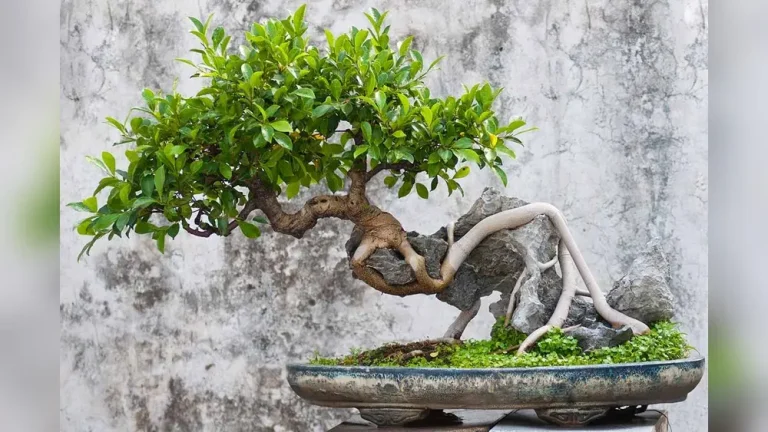
The best container size for an avocado bonsai depends on its current root mass and stage of development. Generally, start with a pot that is slightly larger than the root ball, focusing on adequate drainage and root pruning during repotting. Aim for a pot that is about 1/3 to 1/2 the height of the tree itself.
Understanding Avocado Bonsai Container Needs
Avocado trees are known for growing big. Turning one into a bonsai means we have to train it. This training involves careful pruning of both the branches and the roots.
The roots are super important for the tree’s whole life. They drink water and get food from the soil. A pot that’s too big can cause problems.
The soil might stay wet for too long. This can hurt the roots.
On the other hand, a pot that’s too small can also be bad. The roots won’t have room to grow. They might become all tangled up.
This is called being root-bound. This stops the tree from getting enough water and food. So, finding the right size is key.
It’s a balance between giving the roots enough space but not too much.
My Own Avocado Bonsai Adventure
I remember my first avocado pit. I just stuck it in a glass of water. It grew into a cute little plant.
Then I thought, “What if I could make it a bonsai?” I read a lot and got excited. My first try at potting it into a bonsai pot was a bit of a mess. I picked a pot that looked really nice, but it was way too deep.
I thought deeper meant better for roots.
That avocado plant drooped so much after a week. I was so worried! The soil stayed wet for ages.
I had to dig it out and put it in a shallower, wider pot. I trimmed some of the roots. That plant bounced back quickly.
It taught me a huge lesson. The shape and size of the pot matter just as much as the soil or water.
Choosing the Right Pot Shape
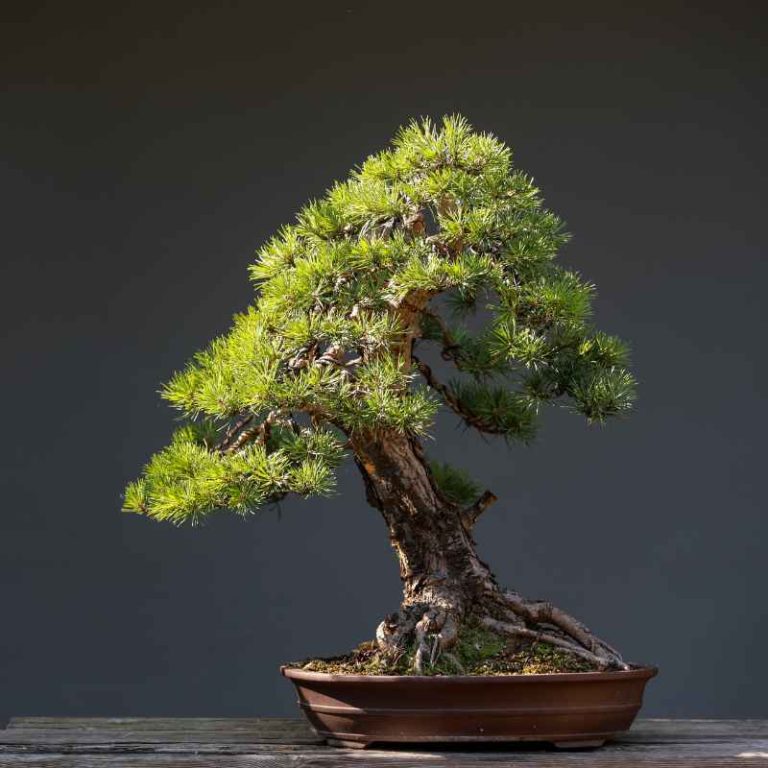
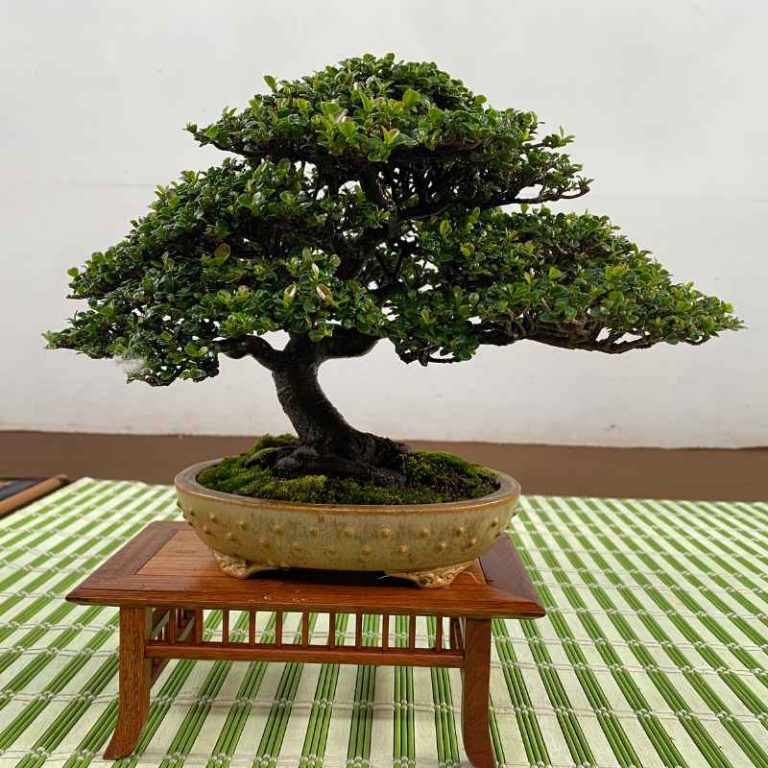
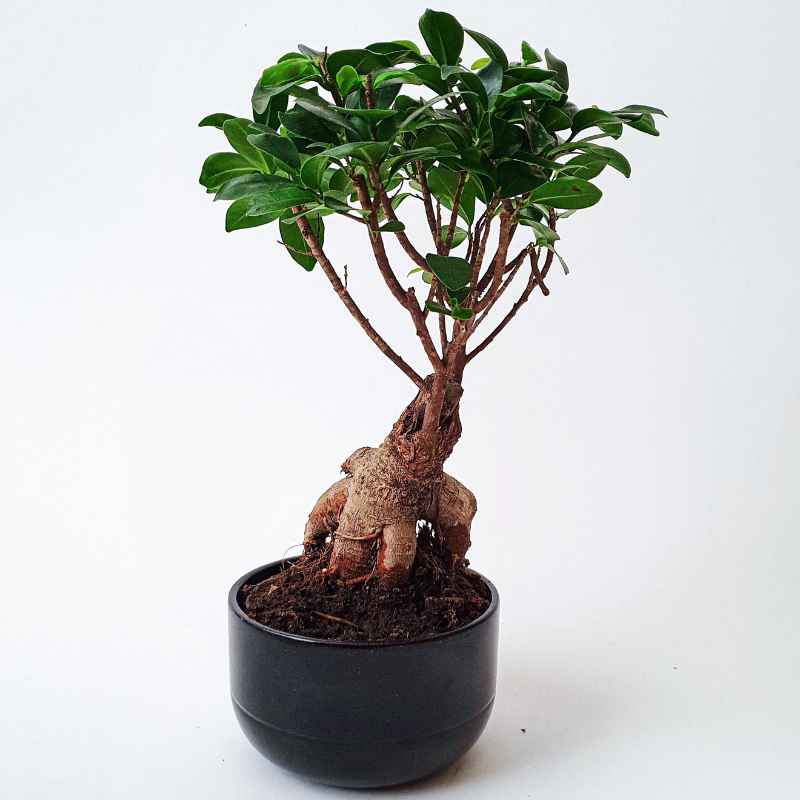
Shape Matters: For avocado bonsai, shallow, wide pots are often best. They mimic the natural spread of roots without holding too much water. Look for pots that are wider than they are tall.
Drainage Holes are Crucial: Never use a pot without good drainage holes. Avocado roots hate sitting in soggy soil. Make sure there are multiple holes.
Material: Ceramic or clay pots are popular. They let the soil breathe. Plastic pots can work but might need more careful watering.
What Happens with the Roots?
Avocado trees have a taproot when they are young. This is a main, thick root that goes straight down. As the tree gets older, it grows more roots sideways.
These roots spread out. In a bonsai pot, we don’t want that taproot to get too long. We prune it.
We also encourage side roots to grow.
The roots need air. They also need water. But not too much water.
The soil in the pot needs to dry out a bit between waterings. A pot that is too deep holds more soil. This soil takes longer to dry.
This is why shallow pots are usually better for bonsai. They help control moisture.
The Role of Soil in Container Size
The type of soil you use is also very important. It works with the pot size. Bonsai soil is not like regular potting soil.
It’s made to drain very well. It usually has things like akadama, pumice, and lava rock. These let water pass through fast.
They also let air get to the roots. This helps prevent root rot.
When you use a good draining soil, you can sometimes get away with a slightly deeper pot. But the goal is still to dry out between waterings. Think of it like a sponge.
A very dense sponge holds a lot of water. A sponge with lots of holes lets water drip through. Bonsai soil is like the second sponge.
Soil Mix Quick Scan
- Akadama: Hard-baked clay granules. Holds water and nutrients.
- Pumice: Volcanic rock. Lightweight and airy. Improves drainage.
- Lava Rock: Porous volcanic rock. Adds structure and drainage.
- Organic Matter: Small amount for nutrients (e.g., compost).
A common mix is 1 part akadama, 1 part pumice, 1 part lava rock.
When to Repot Your Avocado Bonsai
Repotting is when you take the tree out of its pot. You trim the roots and put it back in the same pot or a new one. This is done to manage root growth.
It also helps refresh the soil. You usually do this every 1-3 years for younger trees. Older trees might need it less often.
When you repot, you can see how the roots have grown. If the roots are tightly packed around the edge of the pot, it’s time to repot. This is a good time to decide if the pot size is still right.
If the tree has grown a lot, it might need a slightly bigger pot. Or, you might prune the roots more to keep it in the same size pot.
Factors Influencing Pot Size Choice
There are several things to think about when picking a pot. The age of your tree is one. A very young tree started from a seed will have a small root system.
It needs a small pot. An older tree that has been styled for years will have a more developed root system. It might need a slightly larger or wider pot.
The watering habits you have are also a factor. If you tend to overwater, a shallower pot is safer. If you are good at letting the soil dry out, you might have more flexibility.
The climate you live in matters too. In very hot, dry places, roots might dry out too fast in a shallow pot. In humid places, they might stay too wet.
Contrast Matrix: Pot Size & Watering
Normal: Shallow pot, good drainage soil, water when top inch is dry.
Concerning: Deep pot, dense soil, always wet, roots might rot.
Concerning: Very shallow pot, sandy soil, extreme heat, roots might dry out too fast.
Guidance on Pot Depth
For avocado bonsai, depth is often more important than width, but both matter. You want a pot that is shallow enough to prevent waterlogging. But it needs to be deep enough to hold enough soil for the roots.
A good rule of thumb is that the pot’s depth should be about 1/3 to 1/2 of the tree’s total height. For example, if your tree is 12 inches tall, a pot that is 4 to 6 inches deep would be a good starting point.
This depth allows the roots to spread out horizontally. It also lets you prune the roots effectively. If the pot is too deep, the lower part of the soil can stay wet for a long time.
This can lead to root rot. This is a common problem with avocado trees in pots. They are sensitive to too much moisture around their roots.
Determining the Right Pot Width
The width of the pot is also important. It needs to be wide enough to accommodate the spread of the roots. You don’t want the roots to be severely restricted.
However, for aesthetic reasons in bonsai, we also want the pot to look balanced with the tree. Often, a pot that is about 2/3 to 3/4 of the tree’s height in width can look very pleasing.
A wider pot also offers more surface area for evaporation. This means the soil can dry out a bit faster. This can be a good thing for avocado trees.
It helps prevent the soil from staying soggy. When choosing a pot, hold the tree next to it. See how it looks.
Does the pot feel too small or too big for the tree?
When to Go Bigger vs. Smaller
If your avocado bonsai is still quite young, you’ll likely start with a smaller pot. As it grows and you prune the roots and branches, you might move it up in pot size. This means going to a pot that is slightly wider or a bit deeper, but still in proportion.
The goal is gradual growth management.
Sometimes, even if the tree is growing well, you might want to keep it in the same size pot. This is done by pruning the roots more aggressively during repotting. This forces the tree to put its energy into growing more fine feeder roots.
It’s a way to maintain the small size. If the tree looks cramped and the roots are very dense, it might be time for a slightly larger pot.
Observation Flow: Repotting Decisions
- Check Roots: Gently remove tree from pot. Examine root ball.
- Root Pruning: Trim back circling roots and taproot if present. Remove about 1/3 of the root mass.
- Assess Pot Size: If roots are dense and circling, consider a slightly larger pot or same size with more pruning.
- Repot: Place tree in chosen pot with fresh bonsai soil.
Common Mistakes to Avoid
One big mistake is picking a pot that looks nice but has poor drainage. Another is going for a pot that’s way too deep for the tree’s size. People often think a bigger pot means the plant will grow bigger and faster.
While that’s true for regular plants, it’s the opposite for bonsai. We want to restrict growth in some ways.
Using regular garden soil is also a mistake. It compacts too much and doesn’t drain well. This leads to root problems.
Finally, not repotting often enough is a common issue. The roots become too crowded. The tree starts to suffer.
It’s like trying to live in a house that’s too small for you.
What This Means for Your Avocado Tree
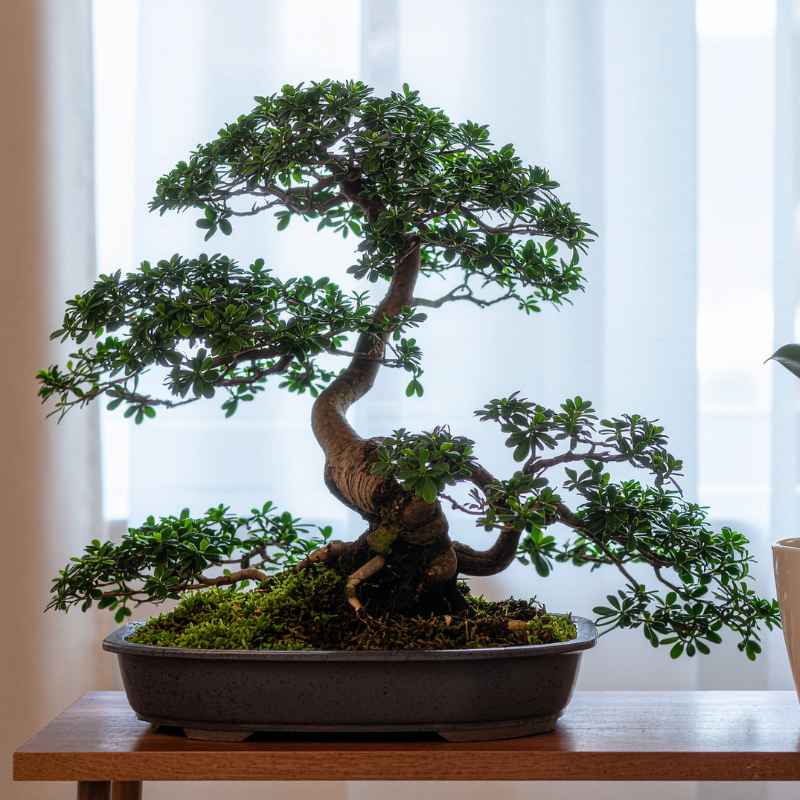
Choosing the right container size is vital for a healthy avocado bonsai. It directly affects how well the roots can do their job. A well-chosen pot helps prevent common issues like root rot and dehydration.
It also helps you control the tree’s growth. This allows you to shape it into the miniature tree you want.
If your tree is in a pot that’s too big, you might see slow growth or yellowing leaves. This can be due to the soil staying too wet. If it’s in a pot that’s too small and root-bound, you might see wilting, even when the soil is wet.
You might also see less vigorous new growth.
Quick Tips for Pot Selection
Always look for good drainage holes. This is non-negotiable for avocado trees. Try to match the pot depth to about 1/3 to 1/2 of the tree’s height.
For width, aim for a balance that looks good. If you’re unsure, it’s often better to err on the side of slightly wider and shallower. This gives the roots room to spread and helps with drying.
Consider the style of bonsai you want. Traditional Japanese bonsai often uses very shallow, unglazed pots. Chinese bonsai (Penjing) can use deeper, more decorative containers.
Your avocado bonsai can fit many styles, but its root needs come first.
Quick Fixes & Tips
- Drainage Check: Pour water into the pot. It should drain out quickly from the bottom holes.
- Root Pruning Balance: Don’t remove too much root mass at once. Aim for about 1/3 for younger trees.
- Soil Test: Gently poke your finger into the soil. If it feels wet 2 inches down, wait to water.
- Pot Size Guess: If unsure, choose a pot that’s slightly wider than the root ball and no more than half the tree’s height.
Frequently Asked Questions
What is the ideal pot size for a very young avocado bonsai grown from seed?
For a very young avocado bonsai just starting out, a small nursery pot or a shallow, wide training pot is best. It should be just big enough to hold the root ball comfortably, perhaps 4-6 inches in diameter and 2-3 inches deep. The main goal is to encourage healthy root development without excess moisture.
How do I know if my avocado bonsai has outgrown its current pot?
You’ll know if your avocado bonsai has outgrown its pot if you see roots growing out of the drainage holes. Also, if the soil dries out extremely quickly and the tree wilts often, it might be root-bound. Checking the roots during repotting is the best way to tell.
Can I use a decorative pot that doesn’t have drainage holes?
No, it’s highly recommended not to use decorative pots without drainage holes for avocado bonsai. These trees need excellent drainage to prevent root rot. If you love a decorative pot, you can use it as a cache pot, placing the actual bonsai pot (with drainage holes) inside it.
Empty the cache pot of any collected water.
Should the bonsai pot be wider or deeper for an avocado tree?
For avocado bonsai, a wider and shallower pot is generally preferred over a deep pot. This helps the soil dry out more evenly and prevents the lower roots from staying waterlogged. The width should allow for root spread, and the depth should be about 1/3 to 1/2 of the tree’s height.
How much root pruning should I do when repotting into a new container?
When repotting, you can typically remove about one-third of the root mass. Focus on cutting back any thick, circling roots and the main taproot if it’s still prominent. The goal is to encourage the growth of finer feeder roots within the new, appropriate-sized pot.
What is the ideal soil depth for an avocado bonsai container?
The ideal soil depth for an avocado bonsai container is usually between 2 to 6 inches, depending on the tree’s size and age. It’s more about having enough soil for root development and stability while ensuring good drainage and air circulation, rather than a specific deep layer of soil.
Conclusion
Choosing the right container for your avocado bonsai is a thoughtful process. It’s not just about looks, but about creating the best environment for your tree’s roots. Remember that balance is key – enough space for roots, but not so much that the soil stays wet.
Your careful attention to pot size will help your little avocado thrive.