Why Is The Bonsai Tree Passed Down Within The Family?
It’s a special kind of inheritance, isn’t it? Not just a piece of furniture or a photo album, but a living, breathing work of art. When you see a bonsai tree that’s been in a family for years, even decades, you can just feel the history.
It’s more than just a plant; it’s a story. This article will dive deep into what makes these miniature trees so cherished and why they become treasured heirlooms.
Bonsai trees are passed down within families due to their long lifespan, the deep personal connection formed through years of care, the inherent symbolism of longevity and harmony, and their value as living historical artifacts representing generations of effort and horticultural skill.
The Living Legacy of Bonsai
A bonsai tree is not like a houseplant you pick up at the store. It’s a commitment. Many bonsai trees can live for hundreds of years. Think about that for a second. The tree your great-grandparent cared for might still be thriving today. This incredible lifespan is a big reason they become family treasures.
This long life means the tree sees many important life events. It’s there for birthdays, holidays, and quiet moments. Over the years, it becomes a silent witness to a family’s journey. People form strong bonds with their bonsai. They know its quirks, its needs, and its story. This connection makes it hard to part with.
When it’s time for a new generation to take over, it’s like passing on a piece of the family’s soul. The new caretaker inherits not just the tree, but all the love and effort that went into it before. It’s a continuation of a beautiful tradition. This living legacy is truly unique.

A Deep Dive into Bonsai Care
Caring for a bonsai is an art form all its own. It takes patience, skill, and a lot of attention. You can’t just forget about it for a week. These trees need regular watering, specific feeding, and careful pruning. They also need the right soil and sunlight. Each species has its own needs.
Learning these needs is a journey. It’s a process of trial and error. You learn what works for your tree and your environment. This learning often happens over many years. Grandparents might teach their children. Parents might teach their kids. This shared knowledge becomes part of the family’s story.
The act of caring for the tree itself builds a special bond. It’s a mindful practice. When you’re pruning a tiny branch or watering the roots, you’re focused. You’re connecting with the tree. This focused attention creates a sense of peace and accomplishment. It’s a quiet form of love.
Bonsai Care Essentials
Watering: Check the soil daily. Water when the top layer feels dry. Avoid overwatering or letting it dry out completely.
Sunlight: Most bonsai need bright, indirect light. Some can take direct sun. Research your tree type.
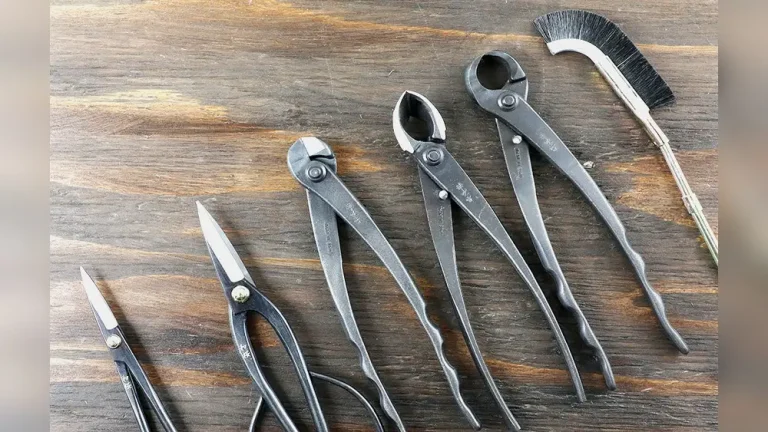
Pruning: This shapes the tree. It encourages new growth in specific ways. Done carefully, it keeps the tree small.
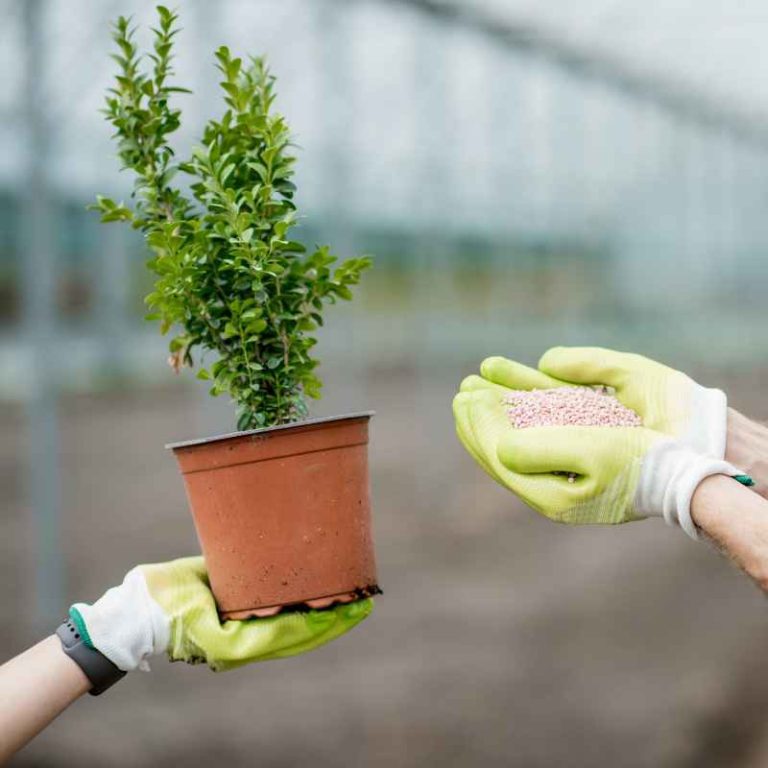
Fertilizing: Use a special bonsai fertilizer. Follow package directions. This provides needed nutrients.
My Own Bonsai Story
I remember getting my first bonsai tree. It was a small juniper. I was so excited but also a little scared.
I read every book I could find. I watched videos online. For the first few months, I worried constantly.
Was I watering it too much? Not enough? Was it getting enough sun?
One hot summer day, I forgot to water it for a whole day. The needles started to droop. I felt a pang of real panic.
I quickly gave it a good drink. Thankfully, it perked up. That experience taught me to be more consistent and observant.
It was a small mistake, but it felt big at the time.
Symbolism Carried in Tiny Branches
Bonsai trees carry deep symbolic meanings. In Japanese culture, where bonsai art is most developed, they represent harmony, balance, and patience. The miniature size itself is a powerful symbol. It shows how nature’s grandest elements can be captured and appreciated in a small space.
Trees are often symbols of life and strength. Bonsai take this further. They represent resilience. They show how something can endure and thrive despite limitations. This enduring quality is a powerful message for any family. It’s a reminder to stay strong through challenges.
The slow growth of a bonsai also mirrors the slow, steady progress of life and family. It teaches us to appreciate the journey, not just the destination. Each new leaf or tiny branch is a small victory. This patience is a virtue that families often need.
Quick Scan: Bonsai Symbolism
Longevity: Their long lives symbolize enduring family ties.
Harmony: The balance of roots, trunk, and branches reflects life’s balance.
Patience: The slow growth teaches the value of waiting and persistence.
Nature’s Power: Capturing grand nature in a small form shows its deep influence.
A Living Piece of Family History
Think about a family photo album. It captures moments in time. A bonsai tree is like a living photo album. It grows and changes, but it’s always rooted in the past. The tree might have been styled by a grandfather. Its pot might be a souvenir from a family trip decades ago.
When a bonsai is passed down, it carries these memories. The new owner can look at the tree and remember the person who cared for it before. They might recall stories told about the tree or the times they spent with that relative tending to it. It’s a tangible link to their ancestors.
This makes the tree incredibly valuable, not in monetary terms, but in emotional and historical terms. It’s a connection to heritage. It’s a way to keep the spirit of past generations alive. In a fast-paced world, these anchors to our past are very important.
What to Look for in a Family Bonsai
The Pot: Is it old? Does it have unique markings? It might have been chosen by a previous owner.
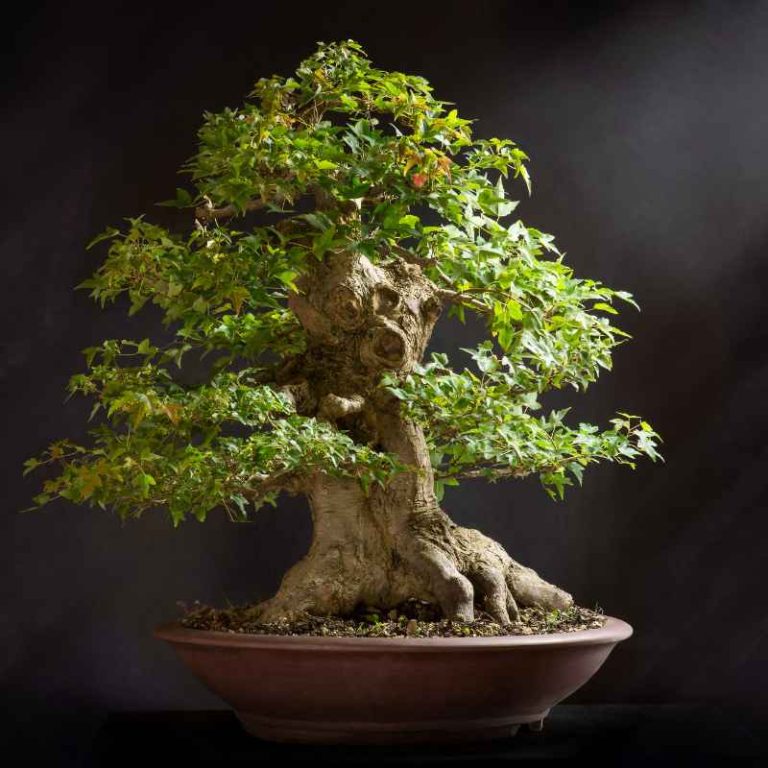
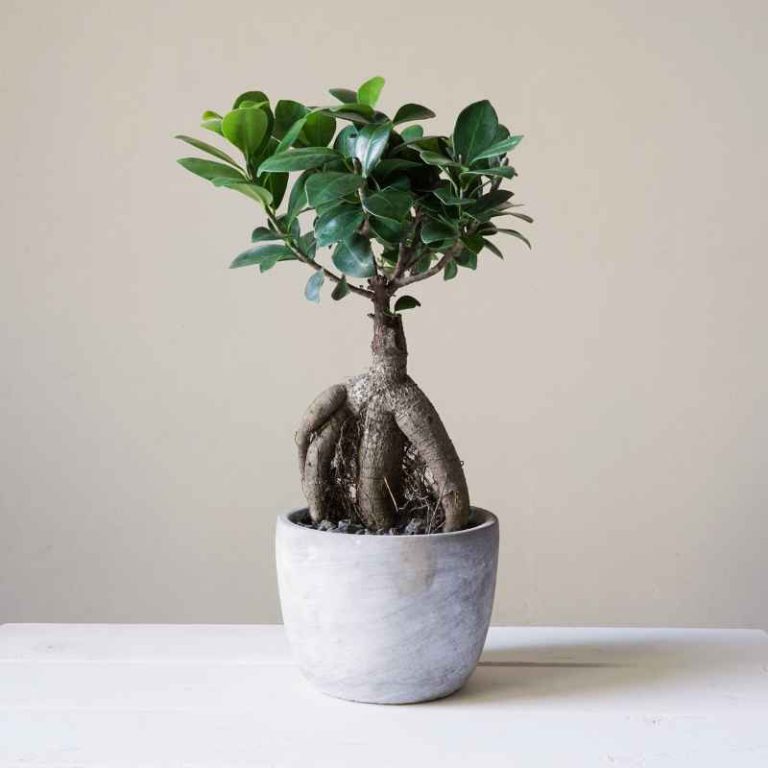
Trunk & Roots: Are there signs of age? Exposed roots (nebari) can show a tree’s long history.
Styling: How was it shaped? The style can reflect trends or the personal taste of past caretakers.
Overall Health: A well-cared-for old bonsai shows a continuous lineage of good care.
The Art of Bonsai Styling
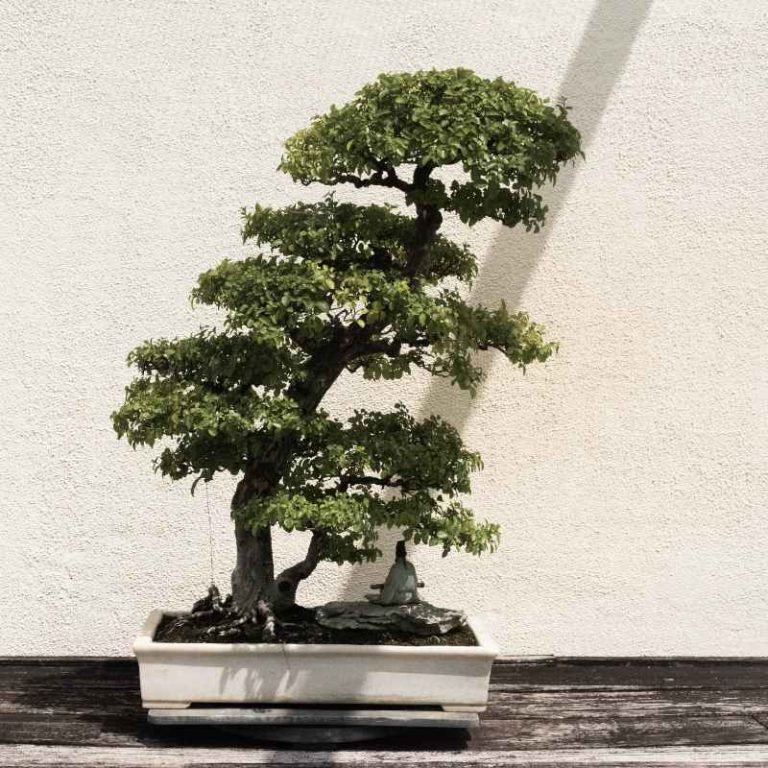
Bonsai styling is where human creativity meets nature. It’s about guiding the tree’s growth to create an aesthetically pleasing miniature landscape. Techniques like wiring, pruning, and repotting are used to achieve a desired form. This form often evolves over time, just like family traditions.
The styles themselves can be passed down. A family might have a tradition of styling their pines in a specific way, perhaps a windswept look or a formal upright. This shared artistic vision becomes another layer of connection. It’s a creative dialogue across generations.
Learning these styling techniques is a skill. It requires understanding the tree’s biology and the principles of art. When this skill is passed from one family member to another, it’s a transfer of expertise. It’s a way of honoring the tradition and the people who mastered it.
Popular Bonsai Styles
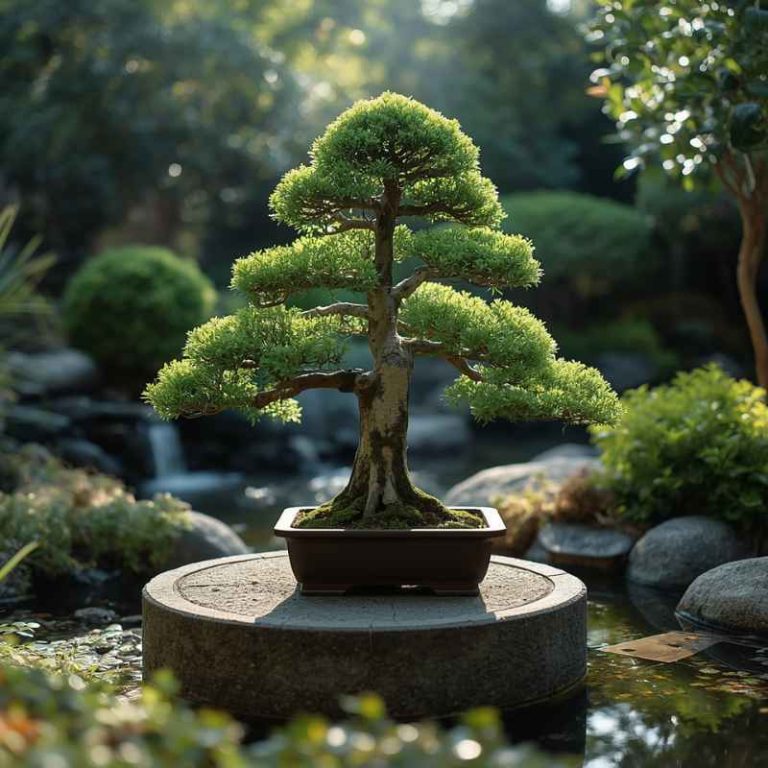
Formal Upright (Chokkan): Straight, tapering trunk. Calm and dignified.
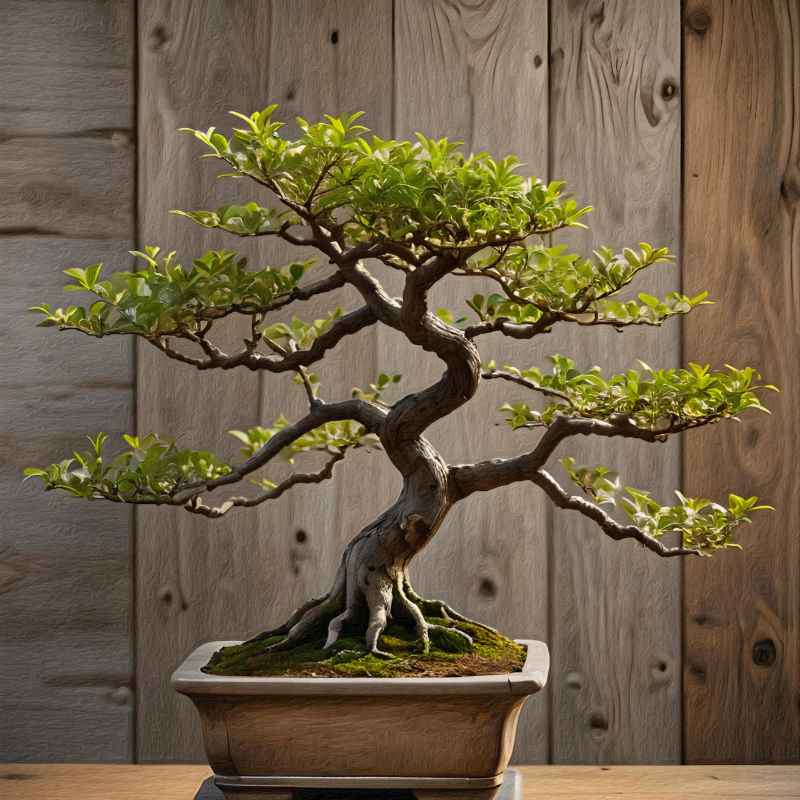
Informal Upright (Moyogi): Gentle curves in the trunk. More natural and free.
Slanting (Shakan): Trunk leans to one side. Shows resilience against wind.
Cascade (Kengai): Trunk grows downwards, below the pot. Like a tree on a cliff.
Connecting Generations Through Shared Responsibility
Taking on a family bonsai is a big responsibility. It means you are now the guardian of something precious. This shared responsibility can strengthen family bonds. Siblings might share care duties. Parents and children can work on the tree together.
This shared activity creates opportunities for connection. It’s a chance to talk, to teach, and to learn from each other. It’s a break from the usual routines. It’s time spent together on a project that has meaning for everyone.
Sometimes, a family might even start new bonsai trees together. They might take cuttings from the old family tree to start new ones. This ensures the lineage continues. It’s a way of planting future heirlooms. It’s an act of hope and continuity.
Tips for Sharing Bonsai Care
Clear Roles: Decide who waters, who prunes, and who fertilizes.
Regular Check-ins: Talk about the tree’s health and needs.
Teach Each Other: Share what you’ve learned about bonsai care.
Celebrate Successes: Enjoy the tree’s new growth or flowering together.
When is a Bonsai Tree Just a Tree?
It’s important to remember that not every old tree is an heirloom. Some trees are simply old. They might have been cared for by people who didn’t have a deep emotional connection to them. Or they might have been part of a commercial nursery for a long time.
The “passed down” aspect comes from the personal touch. It’s about the memories, the love, and the stories attached to the tree. It’s the feeling you get when you see it. You sense the care and history woven into its very being.
A family bonsai is often identifiable by its unique character. It might have a scar from a childhood accident. It might have a particular shape that reflects a family inside joke. These imperfections make it special. They tell a story that only that family knows.
The Future of Family Bonsai
As time goes on, the meaning of family bonsai might evolve. More people are becoming aware of the therapeutic benefits of gardening. The slow, mindful practice of bonsai care can be a great stress reliever. This might make these trees even more appealing for future generations.
Technology could also play a role. Apps might help track watering schedules or identify potential problems. However, the core of bonsai care will always be about the human connection. It’s about the hands-on touch and the personal attention.
The tradition of passing down bonsai trees is a beautiful one. It connects us to our past, teaches us patience, and offers a living symbol of enduring beauty. It’s a way to keep family stories alive, one tiny leaf at a time.
Frequently Asked Questions
How old can bonsai trees get?
Bonsai trees can live for a very long time. Some of the oldest known bonsai are over 1,000 years old. Many family bonsai are passed down for generations, meaning they could be decades or even centuries old.
What makes a bonsai tree special enough to pass down?
A bonsai tree becomes special through years of dedicated care. It develops a unique character and history. The personal bond formed by its caretaker, along with its symbolic meanings of longevity and harmony, makes it a cherished heirloom.
Do I need special skills to care for a family bonsai?
While bonsai care is an art, you don’t need to be an expert overnight. Often, the family member passing down the tree will share their knowledge. Learning takes time, patience, and observation, which you can develop as you care for the tree.
Can bonsai trees be moved to a new home?
Yes, bonsai trees can be moved to a new home. It’s important to research the specific needs of the tree species and help it adjust to its new environment. This might involve changes in light, temperature, or watering routines.
What is the monetary value of a family bonsai?
The monetary value of a family bonsai is usually less important than its sentimental and historical value. While some rare or ancient specimens can fetch high prices, for most families, the tree’s worth is in the memories and connections it holds.
How do I ensure my family bonsai stays healthy for the next generation?
Consistent, proper care is key. This includes regular watering, appropriate light, feeding, and occasional repotting and pruning. Paying attention to the tree’s specific needs and learning about its species will help ensure its health for years to come.
Conclusion
The tradition of passing down bonsai trees is a testament to their enduring appeal. They are more than just plants. They are living links to our past, symbols of growth, and quiet companions through life’s journey. Cherishing a family bonsai means honoring generations of care and love. It’s a beautiful way to keep stories and connections alive.