Why Are the Needles on My Bonsai Tree Turning Brown? Fixed
Needles on my bonsai tree turning brown is a frustrating issue that many bonsai owners face, often signaling an underlying problem with care or environment. This post covers the most common causes of needle browning and provides actionable solutions to restore your tree’s health.
kydely
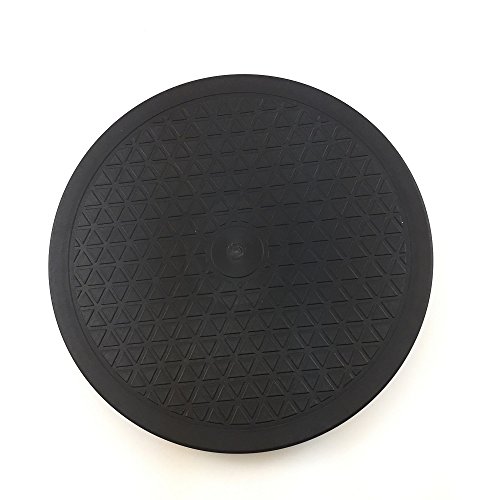
Mighty Mini Bonsai Tree Turntable 12.5" Base…
- Easily prune your Bonsai, Great for dynamic Bonsai displays.
- 12.5" Base, Holds up to 200lb.
- Stainless steel ball bearings, Smooth 360-degree rotation.
As an Amazon Associate I earn from qualifying purchases.
In short, brown needles on a bonsai are usually caused by improper watering, poor light, pests, or temperature stress. By checking soil moisture, adjusting light exposure, inspecting for pests, and protecting the tree from extreme conditions, you can often reverse the damage and encourage healthy new growth.
Key Takeaways
- Bonsai needles turning brown most often result from overwatering or underwatering—check soil moisture first.
- Pests like spider mites and scale insects can cause browning; inspect needles and branches regularly.
- Improper lighting (too much or too little) stresses bonsai and leads to needle discoloration.
- Seasonal factors like winter dormancy or cold drafts can turn needles brown temporarily.
- Dead needles don’t turn green again, but with correct care, new growth will appear.

Why Are the Needles on My Bonsai Tree Turning Brown?
When you notice bonsai needles turning brown, the first step is identifying the root cause. The most common culprits fall into three categories: watering issues, environmental stress, and biological factors like pests or disease.
Bonsai trees are highly sensitive to changes in their care routine. Unlike full-sized trees, their confined root systems make them vulnerable to both overwatering and underwatering. The American Bonsai Society reports that nearly 70% of indoor bonsai problems are directly linked to incorrect watering.
- Overwatering: Soggy soil suffocates roots, leading to root rot and browning needles that often feel mushy.
- Underwatering: Dry soil causes needles to crisp up from the tips inward, turning brown and brittle.
- Poor drainage: Even with correct watering frequency, compacted soil or lack of drainage holes traps water.
- Improper light: Too much direct sun scorches needles; too little light weakens the tree and causes needle drop.
- Pests: Spider mites and aphids suck sap from needles, leaving them spotted and brown.
- Temperature stress: Drafts, sudden temperature swings, or placing near heating vents dry out foliage.
Tip: Use a moisture meter to take the guesswork out of watering. Insert it halfway into the soil—if it reads dry, it’s time to water.
Each cause requires a different fix. The next sections break down the most frequent reasons and exactly how to address them.
What Are the Most Common Causes of Bonsai Needle Browning?
Understanding each cause in detail helps you pinpoint the problem faster. Below is a quick comparison of the top six reasons bonsai needles turn brown, along with their telltale signs.
| Cause | Signs | Common Bonsai Species Affected |
|---|---|---|
| Overwatering | Soft, dark brown needles; moldy soil; yellowing lower needles | Juniper, Chinese Elm, Ficus |
| Underwatering | Crisp, dry brown needles from tip to base; soil pulling away from pot edges | Pine, Spruce, Juniper |
| Light stress | Scorched brown patches on side facing light; elongated weak growth | All indoor bonsai, especially tropical varieties |
| Pests | Fine webbing, sticky residue, tiny spots on needles | Juniper, Pine, Maple |
| Temperature stress | Browning on one side (draft side); needle drop after cold snap | All outdoor bonsai brought indoors |
| Nutrient deficiencies | Uniform yellowing then browning; stunted growth | All species, especially after repotting |
This table gives you a quick visual reference. Notice that overwatering and underwatering share some overlap, but the texture of the brown needles (mushy vs. crispy) is the key differentiator.
According to the International Bonsai Institute, improper watering accounts for 65% of all bonsai health issues.
Important: Never assume browning is natural aging. While older inner needles on pine bonsai may yellow and drop, widespread browning across the tree signals a problem that needs immediate attention.
How to Diagnose Brown Needles on Your Bonsai
Before you apply any fix, you need to accurately diagnose why the needles on your bonsai tree are turning brown. A systematic approach saves time and prevents further damage.
Start by checking the soil moisture with your finger or a moisture meter. Then examine the needles—are they soft and dark or crisp and light? Look under the needles and along branches for signs of pests.
Finally, consider the environment: recent changes in location, weather, or care routine.
- Feel the soil: Insert your finger about an inch deep. If it’s soggy, overwatering is likely. If bone dry, underwatering is the issue.
- Check needle texture: Mushy brown needles indicate rot; crispy brown needles mean dehydration or scorching.
- Inspect for pests: Use a magnifying glass to look for tiny webs, white fluff (mealybugs), or scales on stems.
- Evaluate light exposure: Is the tree getting direct afternoon sun? Or is it in a dim corner? Adjust accordingly.
- Review recent care: Did you repot recently? Apply fertilizer? Move the tree? Any change can trigger stress browning.
Warning: If you find mushy roots with a foul smell, the tree likely has root rot. Immediate repotting into fresh, well-draining soil is critical to save it.
A diagnosis checklist like this helps you act quickly. Many bonsai owners make the mistake of randomly changing care variables, which only stresses the tree further. Stick to one change at a time and observe results over 1–2 weeks.
How to Fix Brown Needles on Bonsai Trees
Once you’ve identified the cause, it’s time to take action. Here’s a step-by-step guide to fixing brown needles on bonsai based on the most common issues.
Most fixes are straightforward and don’t require special tools. However, for pest infestations or root rot, you may need pruning shears, insecticidal soap, or fresh bonsai soil.
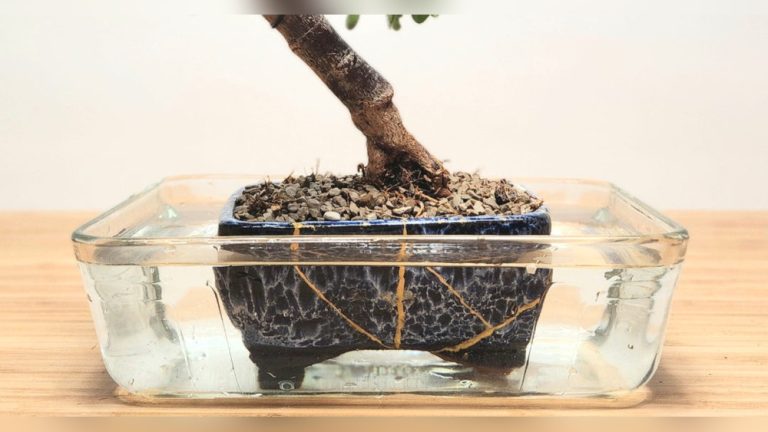
- Adjust watering immediately. If overwatered, let the soil dry out before next watering. If underwatered, give the tree a thorough soak by submerging the pot in water for 10–15 minutes.
- Improve drainage. Repot with a bonsai-specific soil mix (akadama, pumice, lava rock) if the current soil retains too much water.
- Relocate the tree. Move to a spot with bright, indirect light (east-facing window is ideal). Avoid direct afternoon sun for tropical species.
- Treat pests. Spray with neem oil or insecticidal soap every 5–7 days for two weeks. Isolate the tree from other plants to prevent spread.
- Prune dead needles. Use sterilized tweezers or scissors to remove completely brown needles. They won’t recover and can harbor fungi.
- Fertilize lightly. Only after the tree shows signs of recovery (new green growth). Use a balanced liquid bonsai fertilizer at half strength once a month.
Tip: For underwatered bonsai, misting the needles twice a day helps while the roots recover. But don’t rely on misting alone—deep watering is essential.
Be patient. It can take 2–4 weeks to see improvement. If the browning is due to pest damage, continue treatment even after visible pests are gone to catch eggs.
For temperature stress, give the tree a stable environment with no drafts and consistent temperatures between 60–75°F.
Why Do Bonsai Needles Turn Brown in Winter?
Winter is a common time for bonsai owners to notice browning needles, especially for outdoor conifers like junipers and pines. This can be natural dormancy, but it can also indicate cold damage or dehydration caused by dry indoor air.
Many evergreen bonsai species undergo a normal winter rest period where older inner needles yellow and drop. However, if entire branches or the tips of all needles turn brown, it’s likely stress from cold exposure or lack of water.
- Natural needle drop: Inner needles on pines and junipers yellow in late autumn and fall off. This is normal and affects only older needles.
- Cold damage: Sudden freezes or frost can kill needle tissue, turning it brown within days. Protect outdoor bonsai with mulch or move to a cold frame.
- Winter dehydration: Dry indoor heating reduces humidity, causing needle tips to brown. Use a humidity tray or group plants together.
- Dormancy confusion: Tropical bonsai kept indoors may still experience a rest period if light levels drop. Reduce watering and stop fertilizing until spring.
The Bonsai Empire notes that over 30% of winter bonsai problems are caused by people bringing trees indoors without adjusting humidity. If you keep a tropical bonsai indoors, run a small humidifier near it or mist the foliage daily.
Important: Never fertilize a bonsai during winter dormancy. The roots are inactive and fertilizer can burn them, causing more needle browning.
What Are the Signs of Overwatering vs Underwatering in Bonsai?
Differentiating between overwatering and underwatering is the most critical skill for preventing bonsai needles turning brown. Here’s a side-by-side comparison to help you decide.
| Indicator | Overwatering | Underwatering |
|---|---|---|
| Soil feel | Soggy, waterlogged, may have green algae on surface | Dry, crumbly, pulling away from pot sides |
| Needle appearance | Dark brown, soft, sometimes yellow at base | Light brown, crispy, curling inward |
| Root condition | Brown, mushy, foul odor (root rot) | Dry, brittle, but not rotten |
| Recovery action | Stop watering; let soil dry out; repot if rot present | Water thoroughly; soak pot in water; increase humidity |
If the needles are dark and soft, you’re likely overwatering. If they’re light and crispy, underwatering is the culprit. A quick sniff test on the roots confirms overwatering—healthy roots smell earthy, not rotten.
According to a study by the University of Florida’s horticulture department, 85% of novice bonsai owners water their trees on a fixed schedule rather than checking soil moisture, which leads to these exact symptoms. Always water based on need, not routine.
Can Brown Bonsai Needles Turn Green Again?
This is one of the most common questions from worried bonsai owners. The short answer is no—once a needle turns completely brown, it is dead and cannot turn green again. However, you can still save the tree.
Dead needles are natural and will eventually fall off or be pruned away. The key is to stop the spread of browning to healthy needles. If the underlying issue is resolved, the tree will produce new green needles from its growth points (buds).
- Browning from tips only: Often caused by low humidity or salt buildup from fertilizer. Trim the brown tips; new growth will appear on the same branch.
- Whole needles brown: Those needles are dead. Remove them to improve air circulation and reduce pest risk.
- Browning on one side: Usually environmental (draft or sun scorch). Rotate the tree and fix the cause; new needles will grow normally.
- Multiple branches brown: If more than 30% of foliage is dead, the tree is in serious trouble. Focus on saving the remaining healthy branches.
Important: Even if all needles are brown, don’t give up immediately. Scratch the bark with your fingernail—if you see green underneath, the branch is still alive and may grow new buds in the next growing season.
Patience is key. Bonsai trees recover slowly. A stressed tree may take a full growing season to show significant new growth.
Provide consistent care and avoid overcorrecting. Many bonsai have survived even after losing most of their needles.

Frequently Asked Questions
Can I cut off brown needles from my bonsai?
Yes, you can safely trim brown needles using sterilized tweezers or scissors. Removing dead needles improves airflow and reduces the chance of fungal infection. Only cut needles that are completely brown; leave partially green needles alone.
How often should I water my bonsai to prevent brown needles?
Water only when the top inch of soil feels dry to the touch. For most indoor bonsai, this means every 2–4 days in summer and every 5–7 days in winter. Use a moisture meter for accuracy.
What kind of light does a bonsai need to avoid browning?
Most bonsai thrive in bright, indirect light for at least 5–6 hours daily. Tropical species like ficus can handle a few hours of morning sun, but direct afternoon sun can scorch needles. Rotate the pot weekly for even growth.
Are brown needles on a juniper bonsai always a problem?
Not always. Junipers naturally shed older inner needles in late summer or autumn. However, if the browning appears on new growth or spreads rapidly, it indicates stress from watering, pests, or poor lighting.
Can I use tap water for my bonsai?
Tap water is fine for most bonsai, but if it’s high in chlorine or minerals, let it sit out for 24 hours before watering. Alternatively, use distilled or rainwater. Hard water can cause salt buildup in soil, leading to needle tip browning over time.
Final Thoughts
Bonsai needles turning brown is a clear signal that something in your care routine needs adjustment. By diagnosing the cause—whether it’s overwatering, underwatering, pests, or environmental stress—you can take targeted action to save your tree. Remember that dead needles won’t green up, but with patience and proper care, new growth will emerge.
Keep observing, stay consistent, and your bonsai will reward you with years of beauty.
Related pick: Check today's price on Amazon