How Much Sunlight Does a Fukien Tea Bonsai Tree Need Daily?
Understanding how much sunlight a Fukien tea bonsai tree needs daily is the single most important factor for keeping this tropical species healthy indoors. Without the right light exposure, leaves yellow, branches weaken, and the tree becomes vulnerable to pests.

Triple Leaf Tea
Triple Leaf Tea Relaxing Herbal Tea, 20…
- Triple Leaf Tea Relaxing Herbal Tea, 20 Tea Bags per Box (Pack of 3 Boxes)
As an Amazon Associate I earn from qualifying purchases.
Readers comparing bonsai options may also find How to Fertilize a Fukien Tea Bonsai the Right Way useful before choosing a tree or pot.
This guide explains the exact daily sunlight requirements, how to measure light intensity, and what to do when natural light is not enough.
Simply put, a Fukien tea bonsai needs 4 to 6 hours of bright, indirect sunlight every day. Direct morning sun is fine, but harsh afternoon rays scorch its small leaves. East-facing windows provide the best light year-round, and supplementing with a grow light is highly recommended during shorter winter days.
Key Takeaways
- Fukien tea bonsai sunlight needs are 4–6 hours of bright, indirect light daily for optimal health.
- Direct morning sunlight (until 11 a.m.) is beneficial; direct afternoon sun causes leaf burn.
- Insufficient light leads to leaf drop, leggy growth, and increased pest susceptibility.
- East or south-facing windows are best; north windows are too dim and west windows are too harsh.
- A full-spectrum grow light can easily supplement indoor lighting during cloudy weather or winter.

What Is the Ideal Sunlight for Fukien Tea Bonsai?
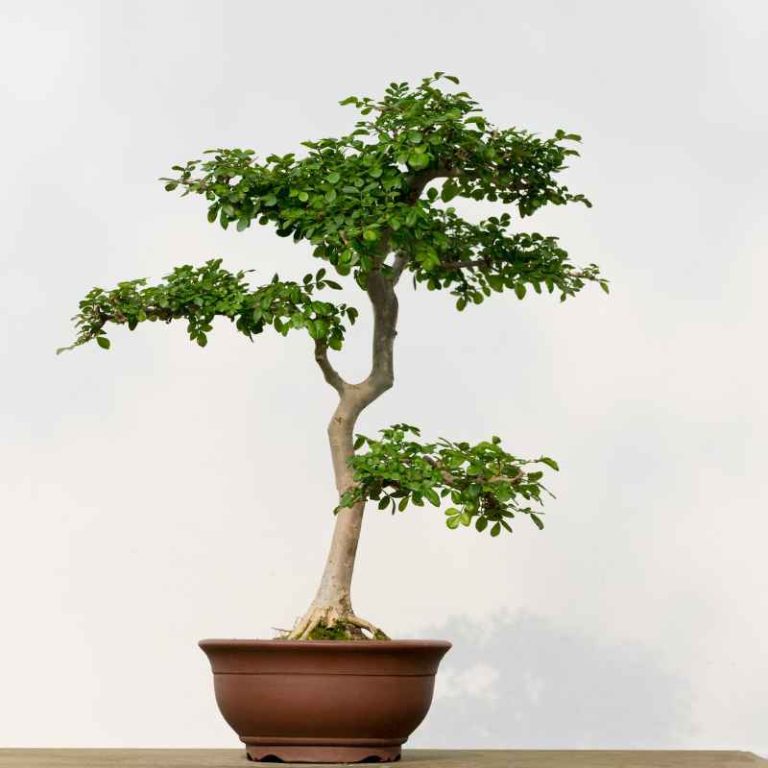
The Fukien tea bonsai (Carmona retusa or Ehretia microphylla) is a tropical evergreen native to Southeast Asia. In its natural habitat, it grows under the canopy of larger trees, receiving bright but filtered light for most of the day.
Indoors, you need to replicate that dappled sunlight. The tree craves high light intensity but cannot tolerate the full, direct blaze of summer midday sun through a window.
Light Quality vs. Duration
It is not just about hours of exposure — light quality matters just as much. Here is what you should know:
- Bright indirect light: Place the tree within 1–2 feet of a sunny window but not directly in the sunbeam.
- Morning direct sun: 1–2 hours of gentle morning sun (before 11 a.m.) is ideal for flowering.
- No afternoon direct sun: South and west-facing windows can burn leaves after 1 p.m. unless filtered by a sheer curtain.
- Full-spectrum light: Blue and red wavelengths both matter — blue supports leaf growth, red supports flowering.
- Consistency: Sudden changes in light exposure stress the tree. Rotate the pot weekly for even growth.
How Many Hours of Direct Sunlight Does It Need Daily?
This is the most common question from new bonsai owners. The short answer is: 4 to 6 hours of bright indirect light, plus 1–2 hours of gentle direct sun in the morning if possible.
However, the specific number of hours varies based on your location, window orientation, and season. Let’s break it down by window direction.
Sunlight Hours by Window Orientation
| Window Direction | Daily Sunlight Quality | Suitability Rating |
|---|---|---|
| East | Bright indirect + direct morning sun (4–6 hrs) | Excellent — best choice |
| South | Strong direct afternoon sun (6–8 hrs) | Good with sheer curtain |
| West | Harsh afternoon direct sun (4–6 hrs) | Fair — high burn risk |
| North | Low indirect light only (1–2 hrs) | Poor — needs grow light |
If your only option is a south or west window, place the bonsai 2–3 feet away from the glass or use a thin white curtain to diffuse the harsh midday rays. This prevents leaf scorch while still providing the high light levels the tree needs.
Warning: Never place a Fukien tea bonsai directly on a south-facing windowsill in summer without shade. The glass amplifies heat and UV, which can kill leaves in just a few hours.
What Are the Signs of Too Much or Too Little Sunlight?
Your Fukien tea bonsai communicates its lighting conditions through visible changes. Learning to read these signs helps you adjust placement before permanent damage occurs.
Signs of Insufficient Light (Too Little)
When the tree does not get enough Fukien tea bonsai sunlight, it enters survival mode. Look for these symptoms:
- Leaf drop: Older leaves turn yellow and fall off; the tree thins out visibly.
- Leggy growth: New shoots stretch long and thin, with large gaps between leaves as the plant reaches for light.
- Small, pale leaves: New growth appears lighter green or yellowish and stays undersized.
- No flowering: The small white blooms require adequate light energy; low light means no flowers.
- Weak branches: Stems become soft and prone to bending or breaking.
- Pest outbreaks: Stressed trees are more susceptible to spider mites and scale insects.
Signs of Excessive Light (Too Much)
Too much direct sun, especially in afternoon, causes physical burn damage:
- Brown or crispy leaf edges: The most common sign; edges dry out while the center stays green.
- White or bleached patches: Intense UV kills chlorophyll, leaving discolored spots on leaf surfaces.
- Leaf curling: Leaves curl inward to reduce surface area and limit water loss.
- Sudden leaf drop: The tree sheds leaves rapidly to protect itself from further exposure.
- Soil drying too fast: The potting medium dries out within hours, requiring multiple daily waterings.
Where Should You Place Your Fukien Tea Bonsai for Best Light?
Placement is not just about window direction — it also depends on distance from the window, obstacles, and room layout.
Light intensity drops dramatically as you move away from a window. At 3 feet from an east window, the light is only about 50% as strong as at the windowsill. At 6 feet, it drops to around 10%.
Optimal Placement Guidelines
- East-facing windowsill: Best location. Place the pot directly on the sill or within 12 inches of the glass.
- South-facing window: Place 2–3 feet back from the glass, or use a sheer curtain for filtration.
- West-facing window: Only use if you have no other option. Place 3–4 feet away and never in direct afternoon beam.
- North-facing window: Not suitable as primary light source. Combine with a full-spectrum grow light for 10–12 hours daily.
- Outdoor summer placement: Move the tree to a shaded patio or under a tree canopy for 4–6 hours of dappled morning light.
Measuring Light Intensity
If you want to be precise, use a light meter or a smartphone app (like Lux Meter) to measure foot-candles or lux:
- Recommended range: 10,000 to 20,000 lux (approximately 1,000 to 2,000 foot-candles).
- Minimum threshold: Below 5,000 lux (500 foot-candles) will cause leaf drop within weeks.
- Too high: Above 40,000 lux (4,000 foot-candles) direct on leaves causes burn.
- How to measure: Hold the meter at leaf level, pointing toward the window. Take readings at 9 a.m., 12 p.m., and 3 p.m. to see the daily pattern.
Tip: Place a white paper next to your bonsai. If the paper casts a distinct shadow, the light is bright enough. If the shadow is faint or absent, the tree likely needs more light.
How Does Seasonal Change Affect Sunlight Requirements?
Light conditions change dramatically across seasons, and your Fukien tea bonsai responds accordingly. You must adjust placement to maintain consistent daily light exposure year-round.
Seasonal Light Variations
| Season | Day Length | Adjustment Needed |
|---|---|---|
| Spring | 12–14 hours | Perfect for east windows; start outdoor acclimation |
| Summer | 14–16 hours | Move back from south/west windows; shade needed |
| Fall | 10–12 hours | Move back to windowsill; reduce outdoor time |
| Winter | 8–10 hours | Grow light essential; south window best |
During winter, even the best east window provides only 2–3 hours of usable bright light. This is insufficient on its own. A grow light becomes essential for maintaining healthy foliage and preventing dormancy stress.
Why Winter Is Critical
The American Bonsai Society notes that many Fukien tea trees are lost during winter due to light deficiency — not cold temperatures. Indoor heating does not harm the tree, but the combination of short days and weak sunlight forces the tree to deplete its stored energy. By February, the tree may appear healthy but has no reserves left for spring growth.
Important: Do not increase watering in winter to compensate for low light. Overwatering when light is low causes root rot. Instead, add a grow light and maintain the same watering schedule.
What Should You Do If Natural Light Is Insufficient?
For many indoor bonsai enthusiasts, natural light alone is not enough — especially in northern climates or apartments with limited window access. The solution is a full-spectrum LED grow light.
Choosing the Right Grow Light
Not all grow lights are equal. For a Fukien tea bonsai, these specifications matter:
- Full spectrum: Includes both blue (400–500 nm) and red (600–700 nm) wavelengths for balanced growth and flowering.
- Power output: 20 to 40 watts for a single small tree. High-output 100-watt lights are overkill and may cause burn.
- Distance from canopy: Keep the light 6–12 inches above the top leaves. Too close causes leaf burn; too far provides insufficient intensity.
- Duration: 10 to 12 hours per day, timed to match natural day length. Do not exceed 14 hours — trees need a dark period too.
- Timer recommended: Use an outlet timer to maintain consistent daily cycles. Inconsistent lighting confuses the tree.
Setting Up a Grow Light Schedule
- Place the grow light directly above the tree, not to the side. Side lighting causes the tree to lean.
- Set the timer for 10 hours daily in winter (6 a.m. to 4 p.m. or similar).
- Check leaf color after one week. If leaves seem pale, increase to 12 hours. If leaf edges brown, increase the light distance.
- Rotate the pot 90 degrees every 3 days to ensure even light distribution.
- In spring, gradually reduce grow light hours as natural daylight increases. Abrupt changes stress the tree.
Tip: Clip-on LED grow lights with flexible necks work perfectly for a single Fukien tea bonsai. They are affordable, adjustable, and easy to position over a windowsill setup.
Common Mistakes to Avoid When Managing Sunlight
Even experienced bonsai owners make these lighting errors. Avoid them to keep your tree thriving:
Mistake 1: Moving the Tree Too Suddenly
Taking a tree from a dim corner and placing it on a bright south windowsill causes shock. Leaves curl, drop, or burn within 24 hours. Acclimate slowly — increase daily light exposure by 30 minutes every 3 days until desired placement is reached.
Mistake 2: Ignoring Heat from Grow Lights
Some LED lights still produce heat. If the leaves feel warm to the touch, the light is too close. Raise the fixture or reduce hours.
Heat stress looks identical to sunburn but is caused by proximity, not intensity.
Mistake 3: Forgetting to Clean Leaves
Dust on leaves reduces photosynthesis efficiency by up to 30%. Wipe leaves gently with a damp cloth every 2 weeks. Clean leaves absorb more light and grow better.
Mistake 4: Using Only One Light Source
A single window provides light from one side, causing the tree to grow toward it. This leads to lopsided growth. Rotate the pot weekly or add a second grow light on the opposite side for even growth.
Mistake 5: Over-Reliance on Artificial Light
Grow lights are not a perfect substitute for natural sunlight. They lack the full UV spectrum and cannot replicate the gentle morning sun angle. Use them as a supplement, not a replacement, whenever possible.

Frequently Asked Questions
Can a Fukien tea bonsai survive in low light?
No, it cannot survive long-term in low light. While it may persist for a few weeks, the tree will gradually drop leaves, weaken, and become vulnerable to pests. Low light is the most common cause of indoor Fukien tea bonsai decline.
Should I put my Fukien tea bonsai outside in summer?
Yes, but only in dappled shade or morning-only sun exposure. A shaded porch or under a tree canopy provides the bright indirect light the tree loves. Bring it back indoors before nighttime temperatures drop below 60°F (15°C).
How do I know if my bonsai is getting enough light without a meter?
Look at the leaf color and internode spacing. Deep green leaves with short, compact spacing between leaves indicate good light. Pale leaves with 1–2 inch gaps between leaves indicate insufficient light.
Does flowering require more sunlight than normal growth?
Yes. The small white blossoms require higher light energy. Aim for the upper end of the 4–6 hour range with morning direct sun to encourage blooming.
Low light results in lush green growth but no flowers.
What is the best grow light color temperature for Fukien tea bonsai?
Choose a grow light with a color temperature between 5000K and 6500K (daylight white). This range mimics natural sunlight and supports both leaf growth and flowering. Avoid warm white bulbs (2700K–3000K) as they lack blue wavelengths.
Final Thoughts
Getting the light right is the foundation of healthy Fukien tea bonsai care. Aim for 4–6 hours of bright indirect light daily, supplement with a grow light during winter, and watch for leaf signals to fine-tune placement. When your tree receives consistent, adequate Fukien tea bonsai sunlight, it rewards you with compact growth, dark glossy leaves, and delicate white blooms that make this species so beloved.
Related pick: Check today's price on Amazon