How to Tell If Your Juniper Bonsai Needs to Be Repotted
The art of bonsai is a captivating blend of horticulture and aesthetics, where patience and precision meet to shape living sculptures. Among the most popular species for bonsai enthusiasts is the Juniper bonsai, prized for its delicate foliage and resilient nature. However, even the most robust junipers require careful maintenance to thrive, and knowing when to repot is one of the most critical tasks for their long-term health. Repotting is not just about refreshing the soil—it’s about ensuring the tree’s roots have the space and nutrients needed for vibrant growth. Misjudging the timing can lead to stagnation, disease, or even the loss of your cherished bonsai.
Identifying whether your juniper bonsai needs repotting involves more than just glancing at its pot. It requires a keen understanding of root behavior, growth patterns, and environmental cues. This comprehensive guide unpacks the science and art behind repotting juniper bonsai, equipping you with the knowledge to recognize signs, evaluate conditions, and make informed decisions.
Whether you’re a beginner or a seasoned bonsai grower, mastering the nuances of repotting will elevate your practice and help your juniper bonsai flourish for years to come.
Key Takeaways
- Repotting frequency depends on tree age, pot size, and growth rate—typically every 2-3 years for healthy junipers.
- Root-bound symptoms like poor drainage, slow growth, or roots circling the pot indicate a need for repotting.
- Visual cues such as yellowing needles or soil compaction are reliable indicators.
- Proper timing, usually in early spring, is essential for minimal stress and rapid recovery.
- Case studies demonstrate how timely repotting can revive struggling juniper bonsai.
- Comparing soil types and pot sizes helps optimize future repotting decisions.

Credit: www.bonsaiempire.com
Understanding Juniper Bonsai Growth And Root Dynamics
The Unique Growth Habits Of Juniper Bonsai
Juniper bonsai trees , including varieties like Juniperus chinensis and Juniperus procumbens, are renowned for their vigorous yet controlled growth. They develop intricate root networks and compact foliage, making them ideal for bonsai styling. Unlike other species, junipers maintain a steady growth rate, with root expansion often outpacing above-ground development. This tendency results in soil exhaustion and root crowding, which, if unchecked, can hinder the tree’s vitality.
Junipers are adaptive to various environments but are particularly sensitive to root health. The roots must have adequate space and access to nutrients for the tree to maintain its signature lush appearance. Over time, the confined space of a bonsai pot leads to root congestion, requiring intervention through repotting.
This is especially true in cases where the bonsai is displayed outdoors and subject to environmental fluctuations such as heavy rain, drought, or temperature swings, all of which can impact root health and soil structure.
Additionally, junipers are evergreens, which means their foliage persists year-round, putting continuous demand on the root system. Unlike deciduous species that go dormant and give their roots a seasonal break, juniper roots are nearly always active, albeit at a slower rate in winter.
This persistent activity means the soil depletes more consistently, making regular monitoring essential.
Juniper Root System Structure
The root system of a juniper bonsai is composed of primary roots, which anchor the tree, and fine feeder roots, responsible for nutrient uptake. Feeder roots are especially vulnerable to soil compaction and depletion. As these roots proliferate, they can form dense mats that restrict water flow and oxygen exchange. The dense network of roots, while necessary for stability and nutrient absorption, can become problematic if the roots circle excessively or begin to grow into themselves, leading to girdling and subsequent decline.
A healthy root system will show:
- White or tan feeder roots that are firm and branching out in multiple directions.
- Minimal circling along the pot edges, indicating roots have room to grow and spread.
- Good drainage and soil aeration, evidenced by water moving through the soil at a moderate rate and the absence of foul odors.
An unhealthy root system, in contrast, may present:
- Brown, mushy roots that may emit a sour smell, a sign of root rot or fungal infection.
- Excessive circling or root ball formation, which restricts new root growth and can result in the tree lifting itself out of the soil.
- Poor soil structure and compacted medium, where roots are forced to grow on the surface or up the sides of the pot, further impairing function.
The presence of fungi or mold in the root zone can also be an indicator of poor root health and the need for immediate intervention.
Typical Growth Rates And Repotting Needs
Juniper bonsai exhibit moderate growth rates, with most varieties requiring repotting every 2-3 years. Younger trees often demand more frequent repotting due to rapid root expansion, while mature bonsai can go longer between interventions. Environmental factors—such as temperature, humidity, and light exposure—also influence root growth.
According to a study by the American Bonsai Society, juniper bonsai in optimal conditions can increase root mass by up to 15% annually, necessitating regular monitoring to prevent root-bound states (American Bonsai Society). In addition, seasonal changes can prompt periods of more aggressive root growth, especially in early spring and late summer, when temperatures are mild and resources are abundant. Monitoring root growth during these periods is particularly important for maintaining bonsai health.

Credit: www.youtube.com
Signs Your Juniper Bonsai Needs Repotting
Visual Symptoms In Foliage And Soil
The first signs that your juniper bonsai requires repotting often appear in the foliage and soil surface. Key indicators include:
- Yellowing or browning needles, which may start at the base and move outward as root issues intensify.
- Wilting despite regular watering, suggesting roots are unable to absorb or transport water effectively.
- Soil that remains wet or dries out too quickly, signaling either poor drainage or depleted, hydrophobic soil.
- Compacted soil surface with little aeration, often visible as a hard crust or a lack of fine root hairs on the soil surface.
Junipers are resilient but will exhibit stress signals when roots are crowded or the soil is depleted. These symptoms can be mistaken for pest or disease issues, so it’s crucial to assess the root environment alongside leaf health. For example, pale or brittle needles often point to chronic root stress, while a sudden decline may be more indicative of acute root rot or suffocation.
Root-bound Conditions
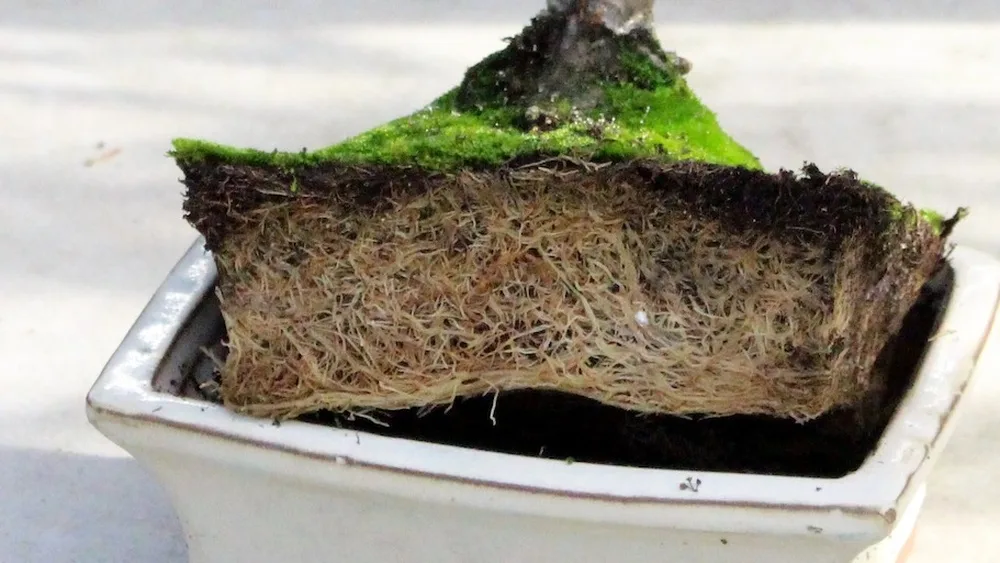
A root-bound bonsai is one where roots have grown so densely that they fill the pot, often circling the edges or forming a thick mat. This restricts water and nutrient flow, leading to stagnation. You can check for root-bound conditions by gently lifting the tree from its pot:
- If roots are heavily intertwined and there’s little visible soil, the bonsai is root-bound.
- Roots circling the bottom or sides of the pot indicate overcrowding.
- Presence of dead or brown roots alongside healthy ones is a sign of declining root health.
When inspecting, notice if the root mass holds the shape of the pot when removed—this is a clear sign of root-bound conditions. In severe cases, roots may even push the tree upwards, causing instability and exposing the root collar.
Water Drainage And Soil Quality
Proper drainage is essential for juniper bonsai. Poor drainage can lead to root rot and fungal issues. Signs of compromised drainage include:
- Water pooling on the soil surface after watering, which can suffocate roots and promote disease.
- Water draining too quickly, indicating dry, depleted soil that no longer retains moisture.
- Soil that feels hard or compacted, preventing root penetration and healthy gas exchange.
Another sign is the presence of moss or algae growth on the soil surface, which often points to consistently wet conditions and poor air circulation.
Growth Rate And Overall Vigor
A healthy juniper bonsai should exhibit:
- Steady new growth each season, with shoots extending and foliage thickening.
- Vibrant green needles, which are firm and flexible to the touch.
- Responsive recovery after pruning, where trimmed areas heal and produce new shoots within weeks.
If your tree shows slow or halted growth, sparse foliage, or fails to respond to care, root congestion may be the culprit. Consistent monitoring of growth patterns and comparing them to previous years can help identify subtle declines before they become severe.
Real-world Example: Juniper Rescue Case
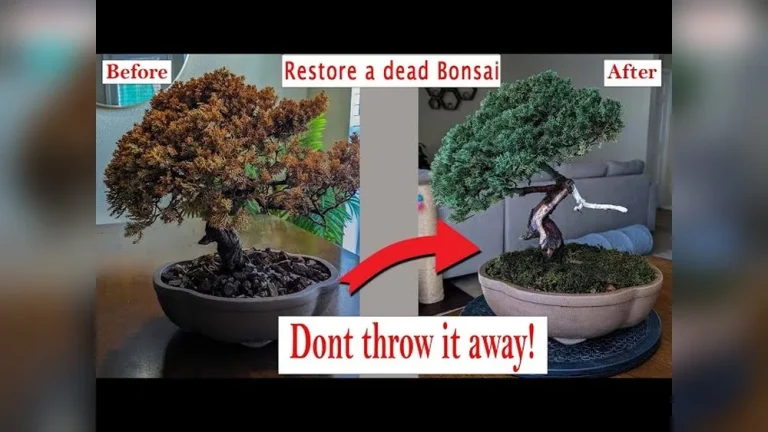
A bonsai enthusiast in California noticed her Juniperus procumbens developing pale needles and weak new growth. Upon inspection, she found a dense root mat and compacted soil. After repotting with a fresh mix and minor root pruning, the tree rebounded, producing healthy foliage and improved vigor within three months. This case highlights the dramatic improvement that proper repotting can have, even when a tree appears to be in decline.

Credit: www.youtube.com
Timing And Frequency Of Repotting Juniper Bonsai
Optimal Repotting Season
The best time to repot juniper bonsai is early spring, just before new growth begins. This timing allows the tree to recover rapidly and establish new roots as the growing season starts. Avoid repotting during extreme heat or cold, as these conditions increase stress and risk of damage.
In temperate regions, early spring typically means repotting just as buds begin to swell but before the onset of vigorous growth. In subtropical climates, late winter may be preferable, as it avoids the intense summer heat. If you must repot outside the ideal window due to an emergency (such as root rot), take extra precautions with aftercare to support recovery.
How Often Should You Repot?
The frequency depends on several factors:
- Age of the bonsai: Younger trees (under 5 years) often need repotting every 1-2 years; mature specimens (over 10 years) can go 3-5 years between repots.
- Pot size and root volume: Smaller pots require more frequent repotting.
- Growth rate and health: Vigorous trees may outgrow their pots more quickly.
| Juniper Age | Recommended Repotting Interval | Pot Size (inches) | Root Growth Rate |
|---|---|---|---|
| 1-5 years | Every 1-2 years | 4-6 | High |
| 6-10 years | Every 2-3 years | 6-8 | Moderate |
| 11+ years | Every 3-5 years | 8+ | Low |
Factors Influencing Repotting Frequency
- Climate: Warmer climates accelerate root growth, especially in long growing seasons.
- Watering habits: Frequent watering can lead to soil compaction, necessitating earlier repotting.
- Fertilizer use: High-nutrient soils may need more frequent refreshing to prevent salt buildup.
Additionally, trees grown in less-than-ideal conditions (such as poor light or inconsistent watering) may develop root issues more quickly, requiring unplanned repotting.
Example: Seasonal Repotting Adjustment
In the Pacific Northwest, a bonsai club observed that juniper trees repotted in late winter struggled due to unexpected cold snaps. Adjusting repotting to early spring improved survival rates and post-repotting growth. This underlines the importance of aligning repotting schedules with local climate patterns, rather than fixed calendar dates.
Step-by-step Assessment: How To Evaluate If Repotting Is Needed
Inspecting The Root System
Carefully remove your bonsai from its pot to inspect the roots. Look for:
- Dense root mats that are difficult to separate by hand.
- Roots circling the edges, indicating they have exhausted available space.
- Discolored or mushy roots that may smell sour or rotten.
Healthy roots are firm and light-colored; unhealthy roots are soft, dark, or foul-smelling. Gently teasing apart the root ball can help you determine the extent of compaction and root health.
Soil Analysis And Drainage Test
Perform a drainage test:
- Water the bonsai and observe how quickly water drains.
- If water pools or drains unevenly, soil compaction or depletion is likely.
Check soil texture:
- Loose, crumbly soil is ideal and allows roots to proliferate.
- Hard, compacted soil signals a need for repotting.
Additionally, insert a wooden skewer or chopstick into the soil and see if it comes out clean (a sign of compaction) or with soil clinging to it (indicating good structure).
Foliage And Growth Inspection
Review the foliage:
- Vibrant green needles and consistent new growth suggest healthy roots.
- Yellowing, browning, or sparse foliage indicates root stress.
Track growth rates over several months to spot changes. A sudden drop in growth, especially after a previously healthy season, is a strong warning sign.
Checklist For Repotting Decision
Use this checklist to decide if repotting is needed:
- Roots fill the entire pot or circle the edges
- Soil is compacted or drains poorly
- Foliage shows stress symptoms (yellowing, wilting)
- Growth rate has slowed or halted
- Soil appears depleted or contains excessive salts/mineral buildup
If two or more items are present, repotting is likely necessary. Keeping a seasonal log of your observations can help you anticipate when repotting will be needed.
Case Study: Juniper Bonsai In Urban Conditions
A New York bonsai collector found that his juniper bonsai, exposed to city pollution and irregular watering, developed compacted soil and weak roots within two years. A thorough assessment confirmed root-bound conditions, and repotting restored vigor within the growing season.
Urban conditions often exacerbate soil breakdown, requiring closer attention to root health and faster intervention.
How To Repot Your Juniper Bonsai: Best Practices And Tips
Preparing For Repotting
- Gather tools: Root rake, shears, chopsticks, bonsai soil mix, and a new or cleaned pot.
- Choose a high-quality soil mix, such as akadama, pumice, and lava rock, which ensures drainage and aeration.
- Prepare the bonsai by watering it a day before repotting for easier removal.
Additionally, lay out your tools and soil components in an organized workspace. Sterilize shears and other tools before use to prevent disease transmission.
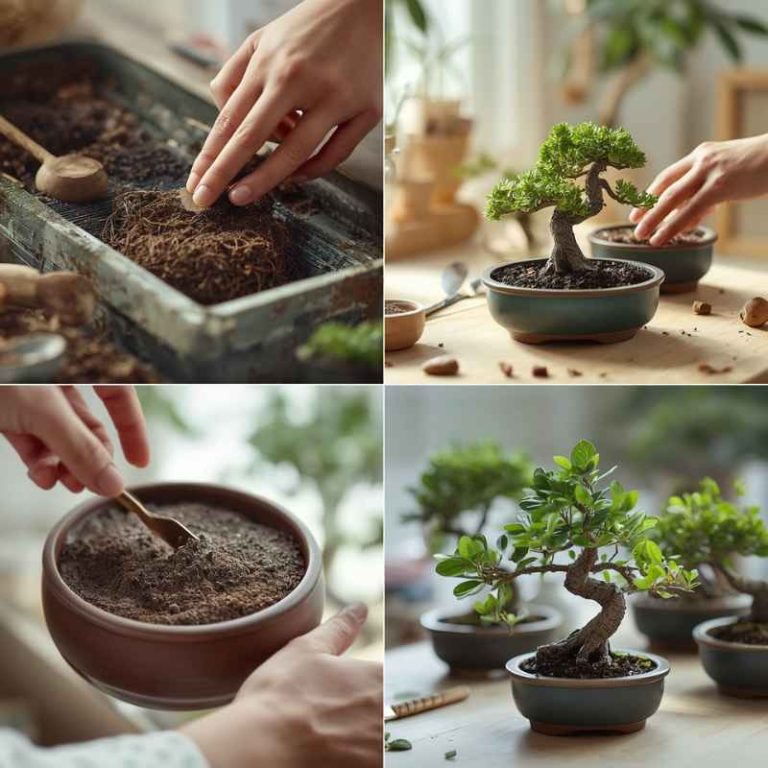
Step-by-step Repotting Process
- Remove the tree gently from its pot, supporting the trunk and root ball.
- Loosen the root ball using a root rake or chopsticks, teasing out compacted roots.
- Trim dead or excess roots with sharp shears, cutting cleanly to avoid ragged edges.
- Clean the pot or select a new one of appropriate size, ensuring all debris and old soil are removed.
- Add a layer of fresh soil to the pot, forming a gentle mound in the center.
- Position the bonsai and spread roots evenly over the soil mound.
- Fill around the roots with soil, using chopsticks to eliminate air pockets and ensure good contact.
- Water thoroughly to settle the soil and hydrate the roots, checking for even drainage.
Throughout the process, avoid exposing roots to direct sunlight or wind, as they can dry out rapidly.
Root Pruning Guidelines
- Remove up to one-third of the root mass to stimulate new growth.
- Avoid aggressive pruning, especially for older trees.
- Trim only dead, damaged, or excessively long roots.
Fine root pruning encourages the development of feeder roots, which are most effective at absorbing water and nutrients.
Soil Selection And Preparation
Choose a soil mix that promotes drainage and aeration:
- Akadama: For moisture retention and structure
- Pumice: For aeration and root health
- Lava rock: For drainage
Avoid organic soils that compact quickly. For detailed soil composition, refer to the Wikipedia Bonsai Page.
For larger or older junipers, you can adjust the mix to include more pumice or lava rock, increasing drainage to accommodate slower water uptake. Sifting soil components to uniform particle size further improves structure.
| Soil Component | Drainage | Aeration | Retention | Recommended Ratio |
|---|---|---|---|---|
| Akadama | Medium | High | Good | 50% |
| Pumice | High | High | Moderate | 25% |
| Lava Rock | High | Moderate | Poor | 25% |
Aftercare Following Repotting
- Place the bonsai in partial shade for 2-3 weeks to minimize stress and protect it from wind and direct sun.
- Water lightly until new roots establish, avoiding waterlogging.
- Avoid fertilizing for 4-6 weeks post-repotting to allow root recovery without additional chemical stress.
Monitor the tree closely for signs of wilting or leaf drop and adjust care as needed. In dry climates, consider misting the foliage to maintain humidity.
Example: Successful Repotting Recovery
A bonsai nursery in Oregon repotted dozens of juniper bonsai using a mix of akadama, pumice, and lava rock. Within six weeks, 90% showed new growth and improved foliage color, demonstrating the efficacy of proper soil selection and aftercare. The remaining 10% required minor adjustments in watering and light exposure, illustrating the importance of individualized care.
Common Mistakes And How To Avoid Them
Repotting Too Frequently
Frequent repotting can shock the tree and impede growth. Stick to recommended intervals unless clear signs indicate a need. Over-handling roots can disrupt the delicate balance of feeder and anchor roots, leading to long-term decline.
Over-pruning Roots
Removing too much root mass can lead to slow recovery or death. Limit pruning to unhealthy or excessively long roots. When in doubt, err on the side of caution and prioritize the tree’s health over drastic reshaping.
Using Poor Soil Mixes
Avoid soils that compact quickly or retain too much moisture. Organic garden soils are unsuitable for bonsai and can foster fungal growth. Always use specialized bonsai soil blends or create your own based on research and local recommendations.
Repotting Out Of Season
Repotting during extreme temperatures increases stress and risk of failure. Always aim for early spring, and avoid repotting in the heat of summer or depths of winter unless absolutely necessary.
Neglecting Aftercare
Post-repotting, failing to provide shade or proper watering can undermine recovery. Monitor the tree daily for signs of stress and adjust care accordingly. In addition, check for pests, as weakened trees are more susceptible to infestations.
Case Study: Repotting Failure And Recovery
A Florida hobbyist repotted his juniper bonsai in midsummer and used garden soil. The tree suffered root rot and poor growth. After consulting experts and switching to a proper soil mix, the bonsai recovered over the following year. This example underscores the impact of soil choice and timing on bonsai health.
Comparing Pots, Soil Mixes, And Repotting Outcomes
Pot Size And Shape Effects
Selecting the right pot size is crucial. Too small a pot leads to rapid root congestion; too large can cause water retention issues. Traditional bonsai pots are shallow, promoting root spread and health. The shape and depth of the pot also influence water flow and root orientation.
| Pot Size | Root Spread | Drainage | Repotting Interval |
|---|---|---|---|
| 4-6 inches | Limited | Excellent | 1-2 years |
| 6-8 inches | Moderate | Good | 2-3 years |
| 8+ inches | Ample | Variable | 3-5 years |
Soil Mix Comparison
- Inorganic mixes (akadama, pumice, lava rock) offer superior drainage and aeration, supporting long-term root health.
- Organic mixes (peat, compost) compact quickly, increasing repotting frequency and risk of root rot.
The right soil mix can be fine-tuned to your climate and watering habits. For detailed soil recommendations, visit the Bonsai Empire Juniper Guide.
Repotting Outcomes: Data-driven Results
A survey of 200 juniper bonsai conducted by the International Bonsai Society found:
- Trees repotted with proper soil and timing had a 92% survival rate.
- Poor repotting practices reduced survival to 65%.
Proper technique and materials are key to successful repotting. These results highlight the importance of education and attention to detail in bonsai care.
Advanced Tips For Experienced Growers
Monitoring Root Health Between Repots
Use a root rake to gently probe the soil annually, assessing root density and health. This proactive monitoring prevents emergency repotting. Some experts use moisture meters or pH testers to further evaluate soil conditions and root environment.
Adjusting Repotting Frequency For Climate
In hot, humid climates, soil breaks down faster. Adjust repotting intervals to match local conditions, possibly repotting more frequently or modifying soil mix to improve durability.
Incorporating Mycorrhizal Fungi
Adding mycorrhizal inoculants to your soil mix can enhance root health and nutrient uptake (USDA Forest Service Study). Mycorrhizae form symbiotic relationships with roots, increasing resistance to stress and disease.
Fine-tuning Soil Mix
Experiment with ratios for your local environment. For example, increase lava rock in rainy regions for extra drainage, or add more akadama in arid areas to retain moisture.
Example: Advanced Juniper Bonsai Care
A Japanese bonsai master incorporates annual soil testing and micro-adjustments to his juniper bonsai soil mix, achieving consistent growth and award-winning specimens (Japanese Bonsai Association). He also monitors mineral content and pH, adjusting amendments as needed.
Long-term Health Strategies
- Rotate pots to ensure even root development and sunlight exposure.
- Use wire mesh to prevent root escape through drainage holes.
- Track repotting history for each tree, noting soil mix, pot size, and observed outcomes.
For more advanced care tips, consult resources like the Royal Horticultural Society Juniper Guide.
Frequently Asked Questions
How Do I Know If My Juniper Bonsai Is Root-bound?
A juniper bonsai is root-bound if you notice roots densely circling the pot, a lack of visible soil, poor drainage, or the tree exhibits stunted growth and yellowing foliage. Gently remove the tree from its pot to inspect for these signs.
What Is The Best Soil Mix For Repotting Juniper Bonsai?
The ideal soil mix for juniper bonsai combines akadama, pumice, and lava rock in a ratio of 50:25:25. This blend ensures proper drainage, aeration, and moisture retention, supporting healthy root development.
Can I Repot My Juniper Bonsai During The Summer?
It’s not recommended to repot during summer, as high temperatures increase stress and risk of root damage. The best time for repotting is early spring, when the tree is preparing for new growth.
How Much Root Should I Prune During Repotting?
Prune no more than one-third of the root mass, focusing on dead, damaged, or excessively long roots. Over-pruning can shock the tree and slow recovery.
How Long Should I Wait Before Fertilizing After Repotting?
Wait 4-6 weeks after repotting before applying fertilizer. This allows the roots to recover and establish themselves in the new soil without additional stress.
The vitality and beauty of your juniper bonsai rest on timely and well-executed repotting. By learning to spot the signs, understanding the process, and applying best practices, you’ll ensure your bonsai remains healthy and visually stunning. With the guidance in this article, you’re ready to confidently manage your juniper bonsai’s repotting needs and enjoy the rewards of expert care for years to come.