Can You Keep a Juniper Bonsai in a Bearded Dragon Tank?
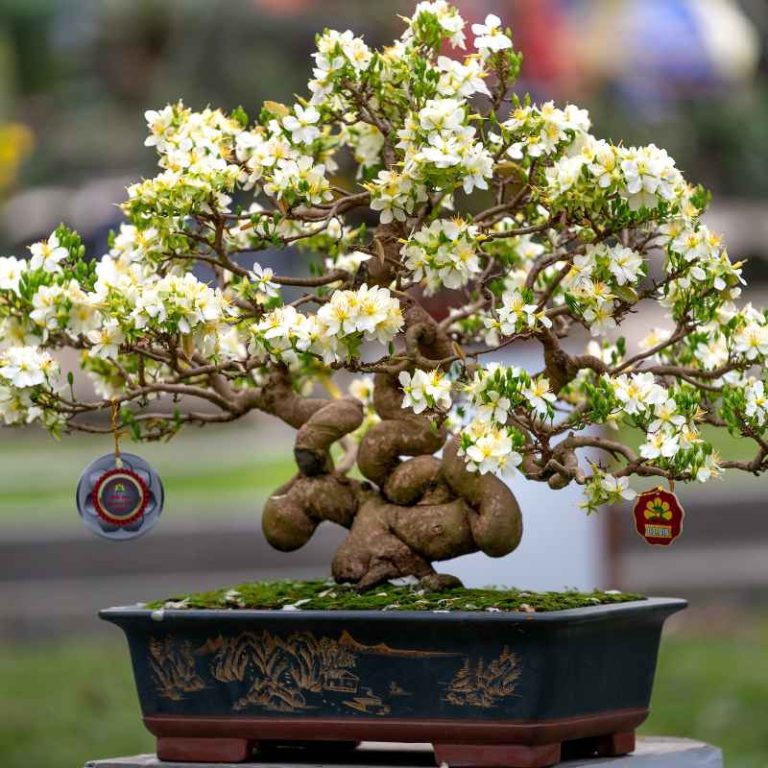
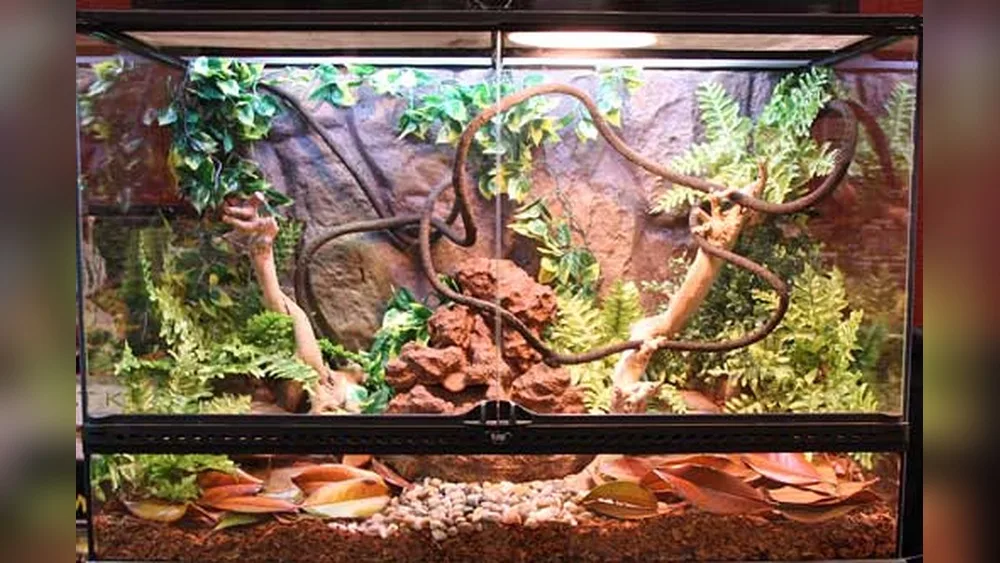
Few trends in reptile husbandry have captured enthusiasts’ imaginations like the fusion of bonsai trees with vivarium décor. The visual of a delicate, living juniper bonsai nestled among the rocks and branches of a bearded dragon tank is undeniably striking. It evokes a miniature desert landscape, combining the ancient art of bonsai with the rugged charm of herpetology. But is this harmonious tableau truly safe and practical for your scaly friend?
The intersection of plant care and reptile welfare is a nuanced subject. Bearded dragons, native to the arid woodlands and deserts of Australia, have very specific environmental and dietary needs. Bonsai trees , especially the popular juniper species, also demand unique care. This article takes a deep dive into whether a juniper bonsai can share space with a bearded dragon—exploring botanic suitability, animal safety, real-world outcomes, and expert recommendations. Whether you’re a hobbyist seeking naturalistic vivariums or a pet owner prioritizing safety, you’ll find data-driven answers and actionable insights here.
Key Takeaways
- Juniper bonsai trees are generally not safe for bearded dragon tanks due to toxicity and care incompatibility.
- Live plants in vivariums can offer enrichment but must be chosen for non-toxicity and environmental compatibility.
- Alternative plant options like succulents and safe desert plants are strongly recommended over junipers.
- Proper vivarium setup and monitoring are essential to balance plant health and reptile welfare.
- Expert sources and case studies show significant risks with juniper bonsai, especially if ingested.
Understanding Juniper Bonsai: Biology And Care Needs
What Is A Juniper Bonsai?
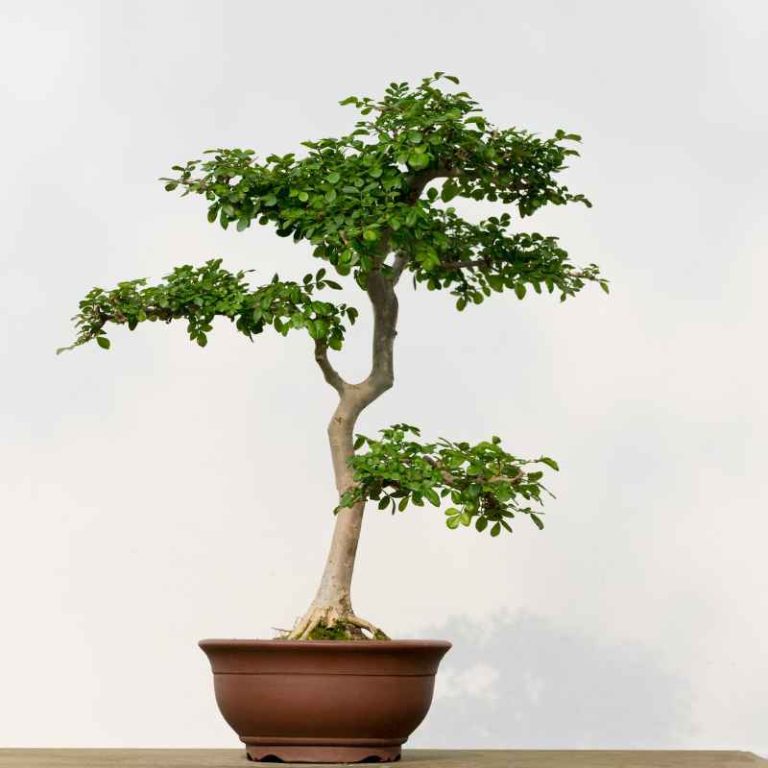
The juniper bonsai is a miniature tree cultivated from several Juniperus species. Renowned for its resilience, sculptural beauty, and evergreen foliage, the juniper has become a staple for bonsai enthusiasts worldwide. Common species include Juniperus procumbens and Juniperus chinensis.
Bonsai junipers require:
- Bright, indirect sunlight or artificial grow lights to maintain healthy foliage and compact growth. Direct sunlight can scorch the leaves, while insufficient light leads to weak growth and loss of needles.
- Well-draining soil with specific pH (slightly acidic to neutral) and moisture levels. Typical bonsai soils are mixes of akadama, pumice, and lava rock, designed to prevent water retention and root rot.
- Regular watering but not waterlogged roots. Overwatering is a common cause of bonsai death, and under-watering leads to desiccation and needle drop.
- Cooler temperatures and seasonal dormancy (some species). Junipers often require a period of winter dormancy for health and longevity, which is difficult to replicate in a vivarium.
- Humidity levels between 40–60% to avoid dehydration and fungal issues.
Junipers are not naturally found in arid, high-temperature environments like those required by bearded dragons. Their native habitats are typically temperate forests, rocky outcrops, or mountainous regions with moderate temperatures.
Bonsai Artistry And Juniper Popularity
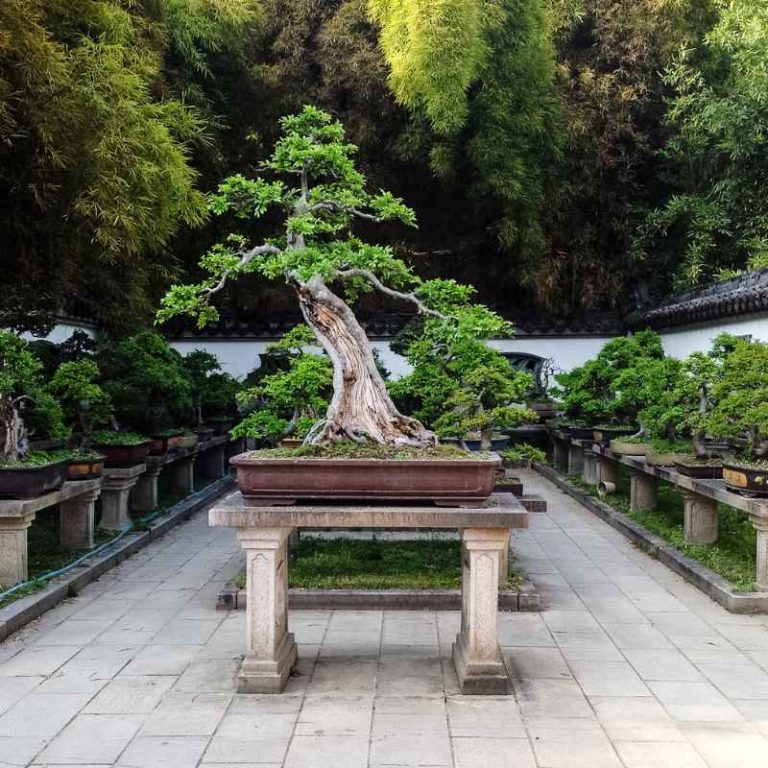
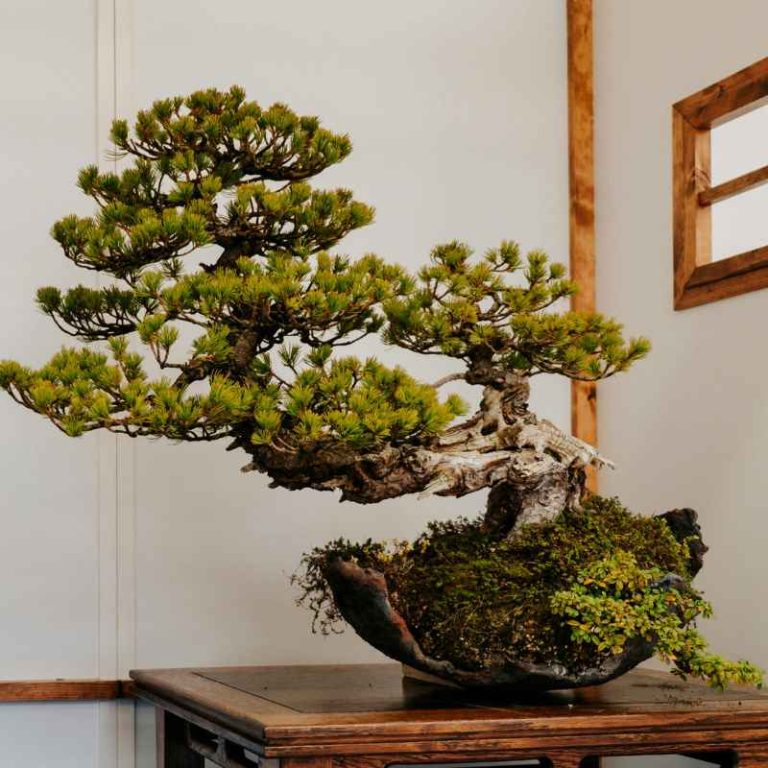
The reason juniper is favored in bonsai is its flexible branches, ability to tolerate pruning, and long lifespan. Its aesthetic appeal comes from the fine, needle-like foliage and intricate trunk structures, which allow artists to craft visually stunning landscapes. However, this artistry is rooted in careful environmental control—conditions that are fundamentally different from reptile vivariums.
Juniper Bonsai Toxicity Overview
A critical concern is the toxicity of juniper plants. According to the ASPCA and various veterinary resources, many juniper species contain compounds like terpenes and glycosides that can cause:
- Digestive upset (vomiting, diarrhea), which is especially dangerous for reptiles with sensitive digestive systems.
- Neurological symptoms, such as tremors or uncoordinated movements, which may arise from ingestion of certain plant oils.
- Potential organ damage if ingested in quantity, particularly affecting the liver and kidneys.
While toxicity levels vary by species and animal, the risk is considered significant for small reptiles and mammals. The presence of essential oils within juniper needles and bark can cause adverse reactions even through dermal exposure, although ingestion is the primary concern.
Symptoms Specific To Reptiles
In reptiles, plant toxicity often manifests as:
- Rapid onset of lethargy and abnormal posture
- Reduced appetite and refusal to eat
- Increased frequency of defecation or unusual stool color
- In more severe cases, neurological distress and seizures
These symptoms can progress quickly, making early detection and intervention vital.
Environmental Requirements Comparison
Let’s contrast the environmental needs of juniper bonsai and bearded dragons for a clear perspective:
| Parameter | Juniper Bonsai | Bearded Dragon Tank |
|---|---|---|
| Optimal Temperature | 60–75°F (16–24°C) | 80–110°F (27–43°C) basking, 75–85°F (24–29°C) ambient |
| Humidity | 40–60% | 20–40% |
| Light Requirements | Indirect sunlight/grow light | Strong UVB and basking lamp |
| Soil Moisture | Moist, well-draining | Dry, sandy substrate |
Key takeaway: The environmental requirements of juniper bonsai are fundamentally incompatible with those of bearded dragon habitats. Attempting to reconcile these differences can lead to both plant and animal distress.
Further Considerations
- Junipers also require seasonal changes, including cooler winters, to thrive. Bearded dragons, meanwhile, need stable warmth year-round.
- The humidity required by junipers encourages fungal growth and pests in an arid reptile tank.
- Soil moisture for bonsai is not only incompatible but can destabilize substrate conditions for bearded dragons, leading to health risks such as respiratory infections.
Common Bonsai Species And Their Risks
| Bonsai Species | Toxicity to Reptiles | Ideal Habitat |
|---|---|---|
| Juniper (Juniperus spp.) | Moderate to High | Cool-temperate, moist |
| Ficus (Ficus retusa) | Low to Moderate | Warm, humid |
| Jade Plant (Crassula ovata) | Low | Dry, warm |
| Schefflera (Schefflera arboricola) | Low | Warm, humid |
For further reference on plant toxicity, see the ASPCA Plant Database.
Bearded Dragon Environmental And Dietary Needs
Habitat Essentials For Bearded Dragons
Bearded dragons (Pogona vitticeps) are native to the semi-arid regions of Australia. In captivity, they require:
- Basking area temperature: 100–110°F (38–43°C), provided by a dedicated heat lamp or ceramic heater.
- Ambient temperature: 75–85°F (24–29°C), with gradients to allow thermoregulation.
- Night temperature: 65–75°F (18–24°C), ensuring metabolic rest.
- Low humidity: 20–40%, essential to prevent respiratory infections and skin issues.
- UVB lighting for 10–12 hours daily, crucial for calcium metabolism, bone health, and prevention of metabolic bone disease.
- Dry, sandy or reptile carpet substrate, mimicking their natural habitat and reducing risk of impaction.
These parameters ensure metabolic health, proper shedding, and disease prevention. Deviations from these ranges can quickly lead to health problems such as lethargy, poor appetite, and stunted growth.
Additional Environmental Considerations
- Enclosure size: Adult dragons need at least 40 gallons, with larger tanks preferable for behavioral enrichment.
- Hides and climbing structures: Provide shelter and exercise opportunities, mirroring natural habitats.
- Clean water: Always available but in a shallow dish to prevent accidental soaking and humidity spikes.
Dietary Habits And Plant Safety
Bearded dragons are omnivorous, eating both animal protein and a variety of plant matter. In captivity, their diet typically includes:
- Staple insects: Crickets, dubia roaches, mealworms (as a treat, due to high fat).
- Leafy greens: Collard, mustard, dandelion—these provide essential fiber, vitamins, and minerals.
- Occasional fruit: Berries, melon, and papaya, offered sparingly due to sugar content.
- Edible flowers and herbs: Such as nasturtium, hibiscus, and basil, for variety.
They are known to investigate and nibble on live plants in their enclosures. It’s crucial that any plant introduced is non-toxic, as accidental ingestion is common.
Food Preferences And Foraging Behavior
Bearded dragons often exhibit curiosity toward new objects in their environment, including plants. They may taste, bite, or even swallow leaves, especially during shedding or when hungry. This behavior underscores the necessity for plant safety.
Risks Of Ingesting Toxic Plants
If a bearded dragon ingests a toxic plant, possible symptoms include:
- Lethargy and unusual behavior, such as hiding or avoiding basking areas.
- Vomiting or regurgitation, which is rare but serious in reptiles.
- Diarrhea, sometimes with blood or mucus.
- Tremors or seizures, particularly in cases of neurological toxicity.
- Organ failure (in severe cases), leading to rapid decline and potential death.
Veterinary intervention is often required. According to the Veterinary Information Network, plant poisoning is a leading cause of emergency reptile visits.
Treatment And Outcomes
Treatment often involves:
- Removal of the offending plant
- Supportive care (fluid therapy, activated charcoal)
- Monitoring for neurological or gastrointestinal symptoms
- In severe cases, hospitalization
Early intervention is critical for survival and recovery.
Naturalistic Vivarium Benefits And Challenges
Pros:
- Visual enrichment, creating a more stimulating and natural environment for the dragon.
- Humidity stabilization (if chosen carefully), as some plants can help maintain desirable microclimates.
- Microclimate creation, offering shaded areas and cooler spots for thermoregulation.
- Encourages natural behaviors, such as climbing, hiding, and foraging.
Cons:
- Risk of toxicity, if the wrong plant is selected.
- Maintenance challenges, including watering, pruning, and pest control.
- Pest and mold risks, especially if humidity rises or substrate remains moist.
- Environmental parameter mismatch, which can compromise both plant and animal health.
Further Pros And Cons
- Pros: Live plants can also improve air quality and reduce dust in the enclosure.
- Cons: Some plants may attract insects or harbor mites, which can infest the dragon.
The Science: Juniper Bonsai In Reptile Habitats
Plant Toxicity In Reptile Enclosures
Scientific literature, such as the Journal of Herpetological Medicine and Surgery, underscores the dangers of toxic plants in reptile habitats. Junipers contain essential oils that can be harmful when nibbled or even from prolonged skin contact in some cases.
- Case Example: A published report cited a case where a juvenile bearded dragon developed gastrointestinal distress after ingesting juniper foliage from a vivarium display.
Expanded Scientific Insights
A review of toxic plant exposure in reptiles highlights that:
- Even minimal ingestion can cause cumulative toxicity over time.
- Symptoms may not appear immediately, leading to delayed diagnosis.
- Chronic exposure to juniper oils may cause subtle organ stress, reducing lifespan and vitality.
Environmental Mismatch: Heat, Humidity, And Plant Health
Juniper bonsai suffer in high-heat, low-humidity environments. In a bearded dragon tank, the combination of intense basking lamps and arid air leads to:
- Rapid desiccation of foliage, causing needle drop and browning.
- Root system stress, as dry substrates prevent adequate moisture uptake.
- Increased susceptibility to disease, including fungal infections due to stress.
Example: In a 2026 vivarium experiment, three out of four juniper bonsai died within two weeks in a simulated bearded dragon enclosure due to root dehydration and leaf scorch.
Further Environmental Issues
- The heat from basking lamps can accelerate evaporation, resulting in wilted and stressed bonsai.
- Repeated attempts to water bonsai in the tank can spike humidity, leading to condensation and respiratory issues for the dragon.
Soil And Substrate Incompatibility
Bonsai trees need moist, well-draining soil, while bearded dragons thrive on dry, sandy, or compacted substrates. Combining these leads to:
- Rot risk for bonsai roots, as sandy substrates do not retain moisture well.
- Excess moisture, causing harmful humidity spikes for the reptile, which can encourage mold and bacterial growth.
- Difficulties in cleaning and odor control, as moist soils are harder to sanitize and may harbor pests.
Substrate Management Challenges
- The need to balance moisture for the bonsai and dryness for the dragon is nearly impossible.
- Frequent substrate changes to accommodate plant health disrupt the dragon’s habitat and stress the animal.
Impact On Bearded Dragon Behavior
Bearded dragons may:
- Attempt to climb or dig at the base of the bonsai, damaging roots.
- Use foliage for shelter, leading to defoliation and plant stress.
- Ingest leaves or bark, risking toxicity.
Case Study: An online forum user reported that their adult bearded dragon uprooted a juniper bonsai within 48 hours, exposing roots and ingesting fallen needles, resulting in a trip to the exotic animal vet.
Additional Behavioral Risks
- Dragons may develop a preference for nibbling on bonsai, increasing exposure to toxins.
- Aggressive digging or basking behavior can destabilize the plant, leading to spills and substrate contamination.
Real-world Examples And Case Studies
Case Study 1: Hobbyist Attempts Juniper Bonsai Integration
A US-based reptile hobbyist shared their experience integrating a juniper bonsai into a 40-gallon bearded dragon vivarium. Within a week:
- The bonsai exhibited severe leaf browning and needle drop due to heat stress.
- The dragon was observed nibbling on fallen needles.
- Subsequent lethargy and regurgitation required veterinary care.
- The vet identified mild plant toxicity, recommending immediate removal of the bonsai.
Outcome: The bonsai died, and the dragon recovered after supportive care.
Expanded Details
- The hobbyist noted repeated attempts to water the bonsai led to humidity spikes, which caused condensation on tank walls and increased risk of respiratory illness in the dragon.
- Cleaning the fallen needles became a daily chore, highlighting practical maintenance difficulties.
Case Study 2: Professional Reptile Exhibit
A zoological institution experimented with various live plants in a large, climate-controlled bearded dragon exhibit. Juniper bonsai failed to survive beyond three weeks due to:
- Inadequate humidity, leading to severe dehydration.
- High substrate temperatures, causing root burn.
- Aggressive interaction from the dragons, including climbing and digging.
They replaced junipers with non-toxic succulents and desert grasses, resulting in improved plant longevity and animal health.
Further Observations
- The switch to succulents reduced maintenance demands, as these plants required minimal watering and thrived in the arid environment.
- Behavioral enrichment improved, with dragons interacting safely with the new plants and using them for shade and shelter.
Case Study 3: Online Community Poll
A poll of 120 members on a popular bearded dragon care forum (BeardedDragon.org) showed:
- 0% success rate for juniper bonsai beyond one month.
- 87% reported plant death within two weeks.
- 19% observed mild to severe dragon illness after exposure.
Conclusion: Community consensus is strongly against juniper bonsai in bearded dragon tanks.
Expanded Poll Results
- Many respondents reported increased tank maintenance and plant decay odors.
- A few attempted to use juniper wood as décor but noted rapid mold growth and dragon avoidance behavior.
Alternatives: Safe Plant Options For Bearded Dragon Vivariums
Criteria For Selecting Safe Plants
When choosing plants for bearded dragon enclosures, prioritize:
- Non-toxicity: Confirmed safe for reptiles if nibbled or ingested.
- Arid-tolerant: Thrive in low humidity and high temperatures.
- Low maintenance: Minimal watering and pest risk.
- No sharp edges: Avoid injury.
Additional Criteria
- Consider plants with sturdy stems and flexible leaves, which resist damage from climbing and digging.
- Avoid plants with sticky sap or latex, which can cause skin irritation.
Top Safe Plant Alternatives
- Haworthia and Aloe Vera
- Succulents ideal for desert setups.
- Non-toxic and drought-tolerant.
- Both species are compact and resilient, making them suitable for vivariums with active reptiles.
- Opuntia Cactus (Prickly Pear)
- Edible pads and fruit (spines removed).
- Loved by many dragons; pads provide hydration and enrichment.
- Remove all spines before placing in the tank to prevent injury.
- Tillandsia (Air Plants)
- Survive with minimal substrate.
- Non-toxic and easy to move.
- Can be attached to rocks or wood, creating vertical interest without soil.
- Jade Plant (Crassula ovata)
- Hardy, non-toxic succulent.
- Thrives in warm, dry tanks.
- Withstands occasional nibbling and recovers quickly from minor damage.
- Spider Plant (Chlorophytum comosum)
- Tolerates a range of conditions.
- Safe if nibbled occasionally.
- Provides shelter and visual contrast in the enclosure.
For a more extensive list, check the Spruce Pets Safe Plant Guide.
Additional Plant Choices
- Sedum varieties: Small, drought-tolerant succulents.
- Echeveria: Attractive rosettes, easy to care for.
- Sansevieria (Snake Plant): Safe, upright growth, adds vertical elements.
Comparison Table: Juniper Bonsai Vs. Recommended Alternatives
| Plant | Toxicity to Bearded Dragons | Environmental Compatibility | Maintenance Level |
|---|---|---|---|
| Juniper Bonsai | Moderate to High | Poor | High |
| Haworthia | None | Excellent | Low |
| Aloe Vera | None | Excellent | Low |
| Opuntia Cactus | None | Excellent | Medium |
| Jade Plant | None | Good | Low |
| Tillandsia | None | Good | Low |
Tips For Integrating Live Plants
- Quarantine new plants for 2–4 weeks to prevent pests, mites, or fungal infections from entering the vivarium.
- Wash all soil and repot in reptile-safe substrate if necessary; avoid fertilizers and pesticides that may harm your dragon.
- Place plants in protected corners or use rocks/wood to shield roots, minimizing damage from digging or climbing.
- Monitor plant health and bearded dragon interactions weekly, looking for signs of nibbling, wilting, or behavioral changes.
More Advanced Plant Integration Tips
- Use plant pots with drainage holes to prevent excess moisture buildup.
- Rotate plants between tank and external environments to allow recovery and growth.
- Utilize vertical structures to create shade and climbing opportunities, reducing direct contact with plant roots.
Risks And Challenges: Why Juniper Bonsai Is Not Recommended
Toxicity Hazards
As established, juniper foliage and berries pose a risk of poisoning. The risk is compounded by the curiosity and omnivorous feeding behavior of bearded dragons.
Expanded Toxicity Concerns
- Chronic exposure to juniper oils may cause subclinical organ damage, reducing the dragon’s quality of life.
- Fallen needles can be hidden in substrate, increasing accidental ingestion.
Environmental Mismatch
Juniper bonsai require cool, moist conditions. Bearded dragon tanks are hot and arid. Attempting to meet both sets of needs is not feasible and will compromise plant or animal health.
Further Environmental Impacts
- The stress of incompatible conditions can cause bonsai to shed foliage rapidly, creating mess and sanitation concerns.
- Temperature fluctuations are harmful to both plant and animal, particularly during seasonal changes.
Maintenance And Practicality
- Frequent watering for bonsai increases humidity, which can cause respiratory issues in dragons.
- Bonsai pots and soil are difficult to sanitize within a vivarium.
- Fallen needles and debris can contaminate the substrate.
Expanded Maintenance Issues
- Watering schedules for bonsai are incompatible with routine vivarium cleaning, increasing labor and risk.
- Bonsai roots can attract fungus gnats and other pests, which may infest the tank.
Legal And Ethical Considerations
Some localities may have restrictions on the use of non-native or potentially invasive plant species in animal exhibits. Ethical reptile husbandry guidelines, such as those from the British Herpetological Society, emphasize animal safety and species-appropriate environments.
Ethical Husbandry Practices
- The welfare of the animal must always take precedence over aesthetic preferences.
- Introducing known toxic plants violates best practice guidelines and may be considered neglectful.
Summary Table: Risks Of Juniper Bonsai In Bearded Dragon Tanks
| Risk Factor | Potential Impact | Severity |
|---|---|---|
| Toxicity | Illness or death if ingested | High |
| Environmental Incompatibility | Plant death; humidity issues | High |
| Maintenance | Increased workload; hygiene risks | Medium |
| Behavioral Issues | Root damage; ingestion risk | Medium |
Expert Recommendations And Best Practices
Expert Opinions
Veterinarians, herpetologists, and professional vivarium designers agree: Juniper bonsai are not suitable for bearded dragon tanks. Key points from experts include:
- Dr. Susan Donoghue, DVM (exotic animal specialist): “Any plant with a known or suspected toxicity profile, such as junipers, should be categorically avoided in reptile enclosures.”
- Herpetocultural consultant Frank Indiviglio: “The environmental stress of a bearded dragon tank will rapidly kill most temperate bonsai species, including juniper.”
For more on reptile-safe vivarium design, see the Anapsid Terrarium Guide.
Additional Expert Guidance
- Many professionals recommend using artificial plants or wood for décor to avoid risks associated with live plants.
- Routine observation and health checks are vital when introducing any new element into the enclosure.
Guidelines For Safe Plant Integration
- Research every plant before introduction using reliable databases.
- Prioritize native or arid-adapted species.
- Observe your dragon for signs of plant interest or distress.
- Maintain regular vivarium cleaning and plant pruning.
- Be prepared to remove any plant if adverse symptoms develop.
Further Integration Strategies
- Develop a schedule for rotating live plants between the vivarium and external growing environments.
- Use non-toxic adhesives and mounting materials to secure plants and prevent uprooting.
Professional Vivarium Alternatives
Consider using artificial bonsai or driftwood sculptures to achieve a similar aesthetic without the risks. High-quality artificial plants are non-toxic, easy to clean, and durable under vivarium conditions.
Expanded Alternative Décor Ideas
- Use natural stone, sand, and wood to create visually appealing desert landscapes.
- Incorporate reptile-safe hides and climbing structures for behavioral enrichment.
Educational Resources
For further learning, consult:
Additional Resources
Frequently Asked Questions
Can I Use Any Bonsai Tree In A Bearded Dragon Tank?
No, not all bonsai trees are safe for bearded dragons. Many popular species, including juniper, ficus, and pine, can be toxic if ingested. Only use non-toxic, arid-tolerant species confirmed safe for reptiles, such as certain succulents or jade plants.
Expanded Faq
- Even non-toxic bonsai species may fail due to environmental incompatibility, so always research care requirements.
What Should I Do If My Bearded Dragon Eats Juniper Needles Or Berries?
If you suspect your bearded dragon has ingested juniper foliage or berries, remove the plant immediately and contact a reptile veterinarian. Watch for signs of lethargy, vomiting, or abnormal behavior. Prompt veterinary care can prevent serious complications.
Additional Actions
- Collect a sample of the plant and the dragon’s stool to assist with diagnosis.
- Monitor hydration and provide a warm, quiet environment until veterinary care is received.
How Can I Achieve A Naturalistic Look In My Vivarium Without Risking My Dragon’s Health?
Use reptile-safe live plants like aloe, haworthia, or non-toxic cacti. Alternatively, high-quality artificial plants, driftwood, and rocks can create a striking naturalistic effect without the risk of toxicity or environmental incompatibility.
Further Tips
- Combine different textures and colors to mimic natural landscapes.
- Use substrate gradients to create varied microclimates and visual interest.
Are There Any Benefits To Keeping Live Plants In A Bearded Dragon Enclosure?
Yes, live plants can provide visual enrichment, microclimates, and humidity stabilization if chosen carefully. However, the benefits are only realized if the plants are non-toxic and suited to the dragon’s arid habitat.
Expanded Benefits
- Live plants can also promote natural digging and basking behaviors, enhancing animal welfare.
Can I Use Juniper Wood Or Branches As Décor In My Bearded Dragon Tank?
It’s best to avoid using juniper wood or branches, as oils and resins can still pose a risk, especially if the wood is fresh or untreated. Opt for reptile-safe woods like cork bark or grapevine, which are widely used and considered non-toxic.
Additional Wood Safety Tips
- Always sterilize wood before placement to prevent introducing pests or mold.
- Avoid woods with sticky sap, sharp edges, or strong odors.
Live plants add beauty and enrichment to bearded dragon habitats, but safety and environmental compatibility must always come first. The evidence is clear: juniper bonsai trees are neither safe nor practical for use in bearded dragon enclosures. Instead, opt for non-toxic, arid-loving plants or high-quality artificial alternatives to create a healthy and visually appealing environment for your pet. By aligning plant choices with your dragon’s natural needs, you’ll ensure their well-being while enjoying the art of vivarium design.
For ongoing success, combine research-backed plant selection with careful habitat management, and stay informed through reputable resources and community feedback. With these strategies, you can create a vibrant, safe, and enriching vivarium for your bearded dragon, honoring both their natural history and your creative vision.