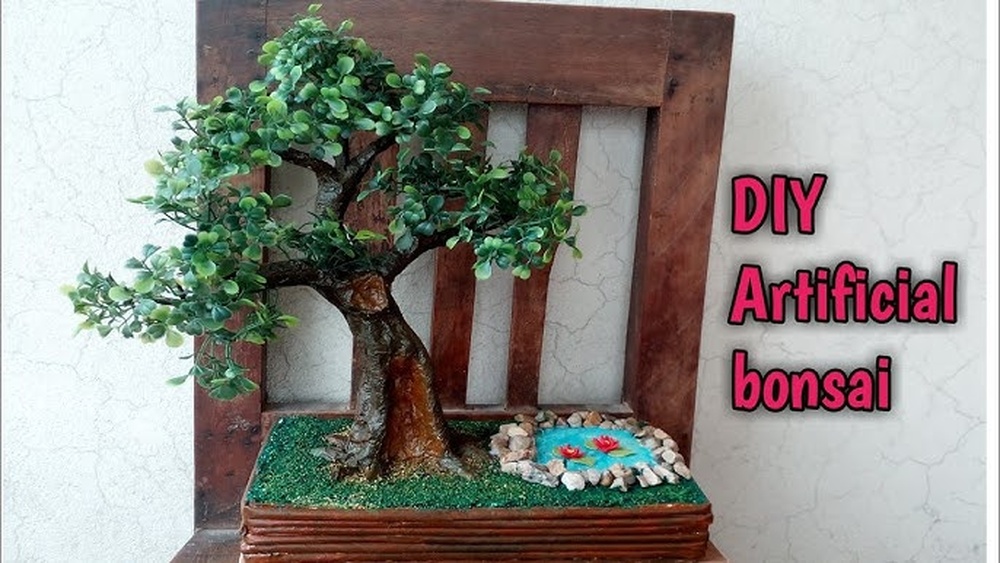
How to Make an Artificial Bonsai Out of Newspaper
Transforming ordinary newspaper into an elegant artificial bonsai tree is both a creative journey and an eco-friendly craft project. In an era where sustainability is celebrated and upcycling is on trend, making a bonsai out of newspaper offers a unique way to combine artistry and environmental responsibility.
This hands-on project requires minimal investment, everyday materials, and a willingness to experiment, making it accessible to enthusiasts of all ages and skill levels.
Artificial bonsai trees crafted from newspaper don’t just serve as beautiful home decor—they also embody the spirit of patience, mindfulness, and respect for nature that traditional bonsai represent. As you twist, fold, and shape recycled paper into miniature trees, you’ll discover new techniques, practice precision, and gain a sense of accomplishment.
Whether you’re seeking a fun weekend project, a unique gift idea, or a classroom activity, this guide will walk you through every step of making a lifelike, lasting bonsai from humble newsprint.
Key Takeaways
- Artificial bonsai trees made from newspaper are a sustainable, low-cost craft project suitable for all skill levels.
- The process involves structural assembly, shaping, texturing, and painting to achieve a realistic effect.
- Choosing the right materials and tools is crucial for durability and aesthetics.
- Creative variations can mimic different bonsai species using specific techniques and finishing touches.
- Well-made newspaper bonsai trees can serve as impressive home decor, gifts, or educational projects.

Understanding Artificial Bonsai And Upcycling
Creating an artificial bonsai from newspaper is more than just a craft—it’s a conscious choice to upcycle, turning discarded materials into lasting beauty. Understanding the principles behind bonsai and the environmental impact of upcycling helps frame the project’s significance.
What Is A Bonsai?
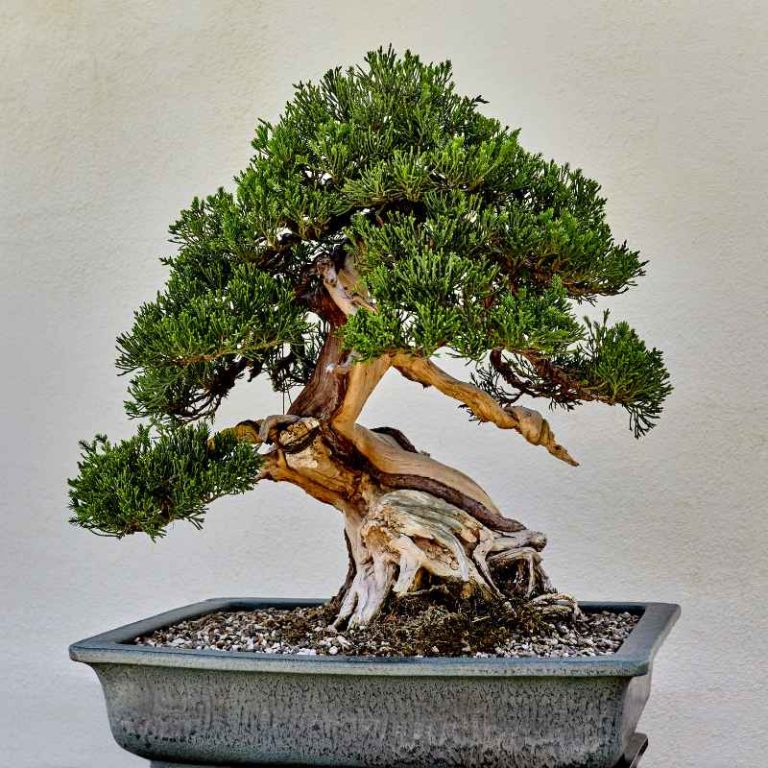
A bonsai is a miniature tree cultivated in a container, shaped to reflect the beauty and balance of mature trees in nature. The art, originating in China and refined in Japan, emphasizes harmony, patience, and artistic vision. Traditional bonsai requires years of pruning and care, but artificial bonsai offers a lasting, maintenance-free alternative.
Bonsai artists use meticulous techniques such as wiring, pruning, and root trimming to create living sculptures that evoke ancient trees in miniature form. The practice is deeply meditative, requiring both technical skill and an intuitive understanding of growth patterns. By mimicking these forms with newspaper, crafters pay homage to a rich cultural heritage while making the art form more accessible.
The Art And Benefits Of Upcycling
Upcycling transforms waste materials into new products of higher value, reducing landfill waste and conserving resources. According to the U.S. Environmental Protection Agency, Americans generated 292.4 million tons of municipal solid waste in 2018, with paper products accounting for nearly 23% ([EPA](https://www.epa.gov/facts-and-figures-about-materials-waste-and-recycling/paper-and-paperboard-material-specific-data)). By reusing newspaper, crafters help divert waste and lower their carbon footprint.
Upcycling also fosters creativity and problem-solving. Instead of seeing old newspaper as trash, you learn to recognize its potential as a versatile, moldable material. The act of upcycling can spark new ideas for other household items, encouraging a broader sustainable mindset.
Artificial Bonsai In Modern Decor
Artificial bonsai trees are increasingly popular in contemporary homes and offices. They deliver the calming aesthetic of greenery without the need for watering or sunlight. Custom, handmade bonsai trees—especially those crafted from recycled materials—add a personal touch and spark conversation about sustainability and creativity.
Their versatility allows them to blend seamlessly with a variety of interior design styles, from minimalist to bohemian. Unlike mass-produced plastic plants, handmade newspaper bonsai reflect the personality and values of their creator, making them perfect for thoughtful gifts or statement pieces in communal spaces.
Real-world Example: Upcycled Art Installations
In 2026, artist Yuken Teruya created a series of intricate bonsai sculptures using discarded newspapers, exhibiting them in museums worldwide. These works highlighted both the beauty of bonsai and the importance of environmental consciousness, inspiring DIYers globally ([Smithsonian Magazine](https://www.smithsonianmag.com/arts-culture/yuken-teruyas-trees-from-trash-180952286/)). Teruya’s art demonstrates how upcycled materials can transcend their origins, inviting viewers to reconsider the lifecycle of everyday objects.

Gathering Materials And Tools
Selecting quality materials and the right tools is key to a successful artificial bonsai project. While newspaper is the star ingredient, several other items ensure durability, structure, and realism.
Essential Materials
You’ll need the following:
- Newspaper: At least 10–20 full sheets, uncoated and clean.
- Wire: Thin, flexible wire (22–24 gauge) for the trunk and branches.
- Adhesives: White PVA glue or a strong craft glue.
- Masking tape: For binding and shaping.
- Paint: Acrylics in brown, green, and other natural hues.
- Plaster of Paris or paper clay: Optional, for texture.
- Container: A shallow pot or tray for the base.
- Stones, moss, or fake grass: For finishing the base.
Consider using recycled or eco-friendly adhesives and paints to further reduce the environmental impact of your project. For a rustic look, you can also experiment with natural dyes or earth pigments for coloring the trunk and leaves.
Recommended Tools
- Wire cutters
- Scissors
- Paintbrushes (various sizes)
- Hot glue gun (optional)
- Sponge or cloth
- Tweezers (for fine work)
- Protective gloves (for messy steps)
A small bowl for mixing glue and water, as well as toothpicks or thin sticks for detailing, can be very helpful. For those aiming for greater realism, sculpting tools meant for clay can be used to add fine texture to trunks and branches.
Comparison Table: Newspaper Bonsai Vs. Commercial Artificial Bonsai
| Aspect | Newspaper Bonsai | Commercial Artificial Bonsai |
|---|---|---|
| Cost | Low (Under $10) | Medium to High ($20–$100+) |
| Customization | Highly customizable | Limited to manufacturer designs |
| Environmental Impact | Eco-friendly, upcycled | Often plastic-based, less sustainable |
| Skill Required | Beginner to intermediate | None (ready-made) |
| Durability | Moderate (if sealed properly) | High |
Sourcing Recycled Materials
Look for clean, unprinted newspaper (such as end rolls from local printers) for a neutral base. Hardware stores and craft shops offer suitable wire and adhesives. Repurpose containers or trays from thrift stores for a more sustainable approach.
In addition to newspapers, you may find that packing paper, paper grocery bags, or even old book pages provide interesting textures and colors. Local recycling centers and art supply swaps can be excellent sources for inexpensive materials.
Safety And Preparation
Work in a well-ventilated area, cover surfaces with old newspapers or plastic sheets, and keep sharp tools out of reach of children. Always let adhesives and paints dry fully between steps for best results.
If working with children or large groups, pre-cut wire and paper strips to streamline the process and minimize risks. Wearing gloves during gluing and painting helps prevent skin irritation and keeps hands clean.
Step-by-step Guide: Crafting An Artificial Bonsai From Newspaper
This section provides a comprehensive, detailed walkthrough for creating your own artificial bonsai tree from newspaper. Each phase builds on the last, ensuring your finished piece is sturdy, realistic, and visually appealing.
Preparing The Trunk And Main Branches
- Forming the Core Structure: Cut several lengths of wire (about 18–24 inches each). Bundle 5–8 wires together for the trunk, twisting them tightly. Separate the top ends into 3–5 groups to form primary branches.
For a thicker trunk, use more wires or double up thinner wires. Twisting wires tightly ensures the structure will hold its shape during the next steps. For a more aged appearance, create subtle bends and kinks in the trunk as you twist.
- Bulking Out with Newspaper: Tear newspaper into strips (2–3 inches wide). Wrap the wire trunk and branches with crumpled strips, building volume. Secure with masking tape as you go.
This step is essential for achieving the desired thickness and texture. Crumple the paper loosely for a more rugged, organic look, or wrap tightly for a smoother finish. Pay special attention to the base of the trunk, adding extra layers for stability.
- Shaping: Bend the trunk and branches gently to mimic natural growth patterns. Refer to bonsai photos for inspiration ([Bonsai Empire](https://www.bonsaiempire.com/origin/bonsai-history)).
Study images of real bonsai trees to replicate elegant curves and realistic proportions. Don’t be afraid to adjust the shape as you go—bonsai art is about embracing asymmetry and natural forms.
Creating Secondary Branches And Twigs
- Adding More Wire: Attach thinner wires to main branches for secondary limbs. Repeat the wrapping process with smaller strips of newspaper.
Use thinner wire (26–28 gauge) for more delicate twigs. Attach these to primary branches by wrapping tightly and securing with tape. Vary branch lengths and angles for a lifelike appearance.
- Refining Structure: Use masking tape to smooth transitions between trunk and branches. Shape twigs with your fingers for natural irregularity.
Bend twigs outward and upward, mimicking new growth. Where branches meet, blend newspaper and tape for a seamless look.
Sculpting Roots And Base
- Exposing Surface Roots: Divide the bottom of the trunk wire into several sections and splay them outward on the container base.
Bonsai roots often radiate outwards, anchoring the tree. Separate the wires into 4–7 sections, bending each outward and slightly downward.
- Building Up Roots: Wrap exposed wire with newspaper strips, blending into the trunk. Secure with tape.
Sculpt thick, uneven roots for realism, tapering them as they move away from the trunk. Overlap paper and tape so the transition between trunk and root is natural.
- Securing the Tree: Glue the roots to the container’s bottom. For extra stability, use a base of plaster of Paris, clay, or stones.
If using plaster or clay, allow it to partially set before pressing roots in, ensuring they’re embedded. For added realism, build up “soil” around the roots with sand or fine gravel.
Applying Texture And Bark
- Papier-Mâché Layer: Mix PVA glue with water (1:1 ratio). Dip newspaper strips and layer over the trunk and branches, smoothing with a sponge.
Apply at least two layers for durability. This is your opportunity to create subtle ridges, knots, and bark-like folds. Shape wet papier-mâché with your fingers or tools for added detail.
- Creating Bark Texture: While papier-mâché is wet, score gently with a toothpick or fork to mimic bark patterns.
Try vertical lines, swirls, or rough patches. Refer to photos of real trees for inspiration. For older-looking bark, add small notches or cracks.
- Optional Texture: For a rougher bark, apply a thin layer of paper clay or plaster, then score for realism.
Paper clay dries slower, giving you more time to sculpt. Use a damp brush to smooth or blend edges.
Forming Leaves And Canopy
- Leaf Templates: Cut leaf shapes from newspaper or tissue paper. For realism, vary size and shape.
Use reference images to mimic the leaf shape of your chosen bonsai species. For a fuller canopy, cut more leaves than you think you’ll need.
- Coloring Leaves: Paint leaves in shades of green, adding veins with a fine brush. Let dry.
Mix several greens for a natural look, and consider adding subtle yellow, red, or brown accents for seasonal variation. Painting the back as well as the front of each leaf increases realism.
- Attaching Leaves: Glue leaves individually or in small clusters to twigs. Use tweezers for precision.
Start at the branch tips and work inward, layering leaves to create depth. Secure each leaf firmly, holding in place until glue sets.
- Canopy Style: Shape the leaf clusters to mimic classic bonsai forms (e.g., dome, umbrella, windswept).
Adjust the density and position of leaves for your desired style. For a windswept effect, angle leaves and branches in one direction.
Painting And Finishing Touches
- Painting the Trunk and Branches: Use brown, gray, or reddish acrylics. Dry brush lighter colors over bark texture for depth.
Start with a dark base color, then highlight raised areas with lighter shades. For added realism, dab on small amounts of green or white to simulate moss or lichen.
- Sealing: Once dry, seal with clear acrylic spray for durability.
Apply multiple light coats, allowing each to dry thoroughly. This protects the paint and papier-mâché from humidity and dust.
- Decorating the Base: Add faux moss, pebbles, or miniature figurines to the container for a finished look.
Use hot glue to secure heavier items. For a Zen garden effect, arrange pebbles in patterns or create a miniature path.
Troubleshooting Common Issues
- Trunk too thin: Add more newspaper layers before final papier-mâché.
- Tree unstable: Use heavier base materials or secure with hot glue.
- Leaves falling off: Use extra glue and ensure surfaces are dry before attaching.
- Papier-mâché not drying: Place in a warm, dry area, and avoid overly thick layers.
- Branches sagging: Reinforce with additional wire or let each section dry before adding weight.

Techniques For Realism And Artistic Variation
Achieving a lifelike appearance is both an art and a science. The right techniques can transform newspaper into a convincing miniature tree.
Mimicking Natural Growth Patterns
Study real bonsai trees and note trunk curves, branch angles, and leaf distribution. Avoid perfect symmetry; a slightly uneven trunk or irregular foliage cluster appears more authentic.
Try creating subtle bulges or “scars” along the trunk to reflect years of natural growth. Use reference photos to capture the unique character of each bonsai species, such as the sweeping branches of a juniper or the upright posture of a pine.
Creating Different Bonsai Styles
- Formal Upright (Chokkan): Straight trunk, evenly spaced branches.
- Informal Upright (Moyogi): Curved trunk, staggered branches.
- Slanting (Shakan): Diagonal trunk with balanced roots.
- Cascade (Kengai): Trunk and branches cascade below the pot rim.
Each style can be replicated by bending wire and shaping newspaper accordingly. For advanced realism, consider varying the root spread and trunk taper to match each style’s traditional characteristics.
Adding Naturalistic Texture
For bark, use a combination of papier-mâché and dry brushing. For moss effects, dab green acrylic with a sponge. For aged trees, add subtle gray or white highlights to simulate lichen.
You can also glue on small flecks of dried moss or coconut fiber for additional texture. Experiment with stippling or spattering paint for a weathered, natural look.
Case Study: Classroom Bonsai Project
A 2026 art teacher in Portland, Oregon, led a class of 25 students in making newspaper bonsai. Students researched different bonsai styles, used recycled classroom newspapers, and exhibited their creations at a local library. The project increased recycling awareness and developed fine motor skills.
Students also wrote short artist statements about their design choices, deepening their connection to both the environmental and artistic aspects of the project. The exhibit attracted local media attention, highlighting the educational value of upcycling in the arts.
Advanced Tips And Creative Variations
Once you’ve mastered the basics, explore these advanced tips and design variations to elevate your artificial bonsai.
Using Different Papers And Mixed Media
- Tissue or crepe paper: For delicate, realistic leaves.
- Colored newspaper: Adds subtle hues to branches and foliage.
- Recycled magazine pages: For a unique, glossy finish.
Experiment with layering different paper types for varied textures. You can also incorporate metallic or iridescent papers for a modern twist or seasonal effect.
Integrating Natural Elements
Incorporate real stones, sand, or twigs at the base for added authenticity. Dried moss or lichen can enhance realism, but ensure all natural elements are clean and pest-free.
Try embedding a small “water” feature using clear resin or a mirror tile. For added artistry, use driftwood or bark chips as part of the trunk or roots.
Light And Shadow Effects
Paint shadows directly onto the trunk and under leaf clusters for enhanced depth. Position your bonsai near a light source to highlight texture and form.
You can also experiment with LED fairy lights to create a magical, illuminated effect at night, especially for display in dark corners or during special events.
Scaling Up Or Down
Adjust wire thickness and newspaper quantity to create miniature or large-scale bonsai. For tiny versions, use floral wire and fine paper.
Miniature bonsai are ideal for terrariums or desk displays, while larger versions can serve as statement pieces in public spaces or events. Consider the scale of the base and leaves to ensure proportionality.
Table: Material Substitutes For Newspaper Bonsai
| Component | Standard Material | Alternative Options |
|---|---|---|
| Leaves | Newspaper | Tissue paper, crepe paper, fabric scraps |
| Trunk/Base | Wire + newspaper | Pipe cleaners, cardboard rolls |
| Texture | Papier-mâché | Paper clay, plaster bandages |
| Finishing | Acrylic paint | Spray paint, watercolors (sealed) |
Collaborating And Sharing
Share your finished bonsai on social media or craft forums. Participate in online upcycling challenges or local art exhibitions. Join communities like [Instructables](https://www.instructables.com/) or [Reddit r/crafts](https://www.reddit.com/r/crafts/) to showcase your work and gather inspiration.
Document your process with photos or time-lapse videos to inspire others. Collaborative projects, such as community art installations or classroom exhibitions, can magnify the impact of your craft.
Preserving, Displaying, And Gifting Your Newspaper Bonsai
A well-crafted newspaper bonsai can last for years with proper care and display. This section covers maintenance, creative display solutions, and gifting ideas.
Preserving Your Artificial Bonsai
- Sealing: Always use a clear acrylic spray or Mod Podge to protect from moisture and dust.
- Dusting: Clean gently with a soft brush or compressed air.
- Avoiding Sunlight: Prolonged direct sunlight can fade paper and paint.
For added longevity, consider displaying your bonsai in a glass cloche or acrylic display case. Regularly inspect for signs of wear or loose elements, and make minor repairs as needed.
Display Ideas For Home And Office
- Centerpiece: Place on coffee tables, shelves, or mantels.
- Terrarium: Display inside a glass dome for a modern look.
- Zen Garden: Pair with sand, stones, and miniature rakes for a meditative arrangement.
You can also mount several bonsai together on a driftwood slab or decorative tray for a “forest” effect. For offices, place your bonsai near a workspace to promote calm and focus.
Gifting And Customization
Personalize bonsai with miniature figurines, nameplates, or themed decorations (e. g. , cherry blossoms for spring). Package in a decorative box with a note about its eco-friendly origins.
Consider including a care card or a brief story about the upcycling process to make your gift even more meaningful. For special occasions, add seasonal touches—tiny ornaments for winter, blossoms for spring, or colored leaves for autumn.
Example: Corporate Sustainability Gift
A Seattle startup gifted custom newspaper bonsai trees to employees for Earth Day, each with a tag explaining its environmental impact. The gesture reinforced the company’s commitment to sustainability and creativity.
This initiative not only boosted employee morale but also sparked ongoing discussions about other ways to reduce office waste and support environmental causes.
Table: Longevity Factors For Newspaper Bonsai
| Factor | Impact on Longevity | Care Recommendation |
|---|---|---|
| Sealing | High | Seal with acrylic spray |
| Humidity | Medium | Keep in dry areas |
| Sunlight | Medium | Display away from direct sun |
| Handling | Low | Minimize touching |
Event And Classroom Display
Display several bonsai in a row for a dramatic effect at events, art shows, or educational exhibitions. Label each with the creator’s name and a brief description.
For added engagement, set up a hands-on demo area where visitors can try basic bonsai-making techniques. Offer take-home kits with pre-cut materials for workshops or fundraisers.
Sustainability And Educational Value
Creating artificial bonsai from newspaper is not only an artistic endeavor, but also an educational and environmental statement.
Environmental Impact
Each bonsai project diverts paper waste from landfills. According to the American Forest & Paper Association, recycling one ton of paper saves more than 3.3 cubic yards of landfill space ([AF&PA](https://www.afandpa.org/priorities/recycling)). By crafting with newspaper, you contribute to this positive impact.
On a larger scale, schools or community groups making dozens of bonsai trees can divert significant amounts of paper while raising public awareness about the importance of recycling and creative reuse.
Teaching Sustainability
Teachers and parents can use this project to discuss:
- Recycling and resource conservation
- The importance of creative reuse
- Connections between art and environmental stewardship
Incorporating lessons about the lifecycle of materials, carbon footprint, and personal responsibility can turn a simple craft into a powerful educational experience. Students often feel empowered by seeing tangible results from their efforts.
Real-world Example: School Eco-fair
At a 2026 eco-fair in Boston, students presented newspaper bonsai trees alongside data on paper recycling. The interactive display encouraged visitors to try upcycling and sparked conversations about sustainable living ([NRDC](https://www.nrdc.org/stories/paper-recycling-facts)).
This kind of experiential learning leaves a lasting impression, motivating participants to adopt sustainable habits in other areas of life. The project also fostered teamwork and communication skills as students collaborated on their designs.
Promoting Mindfulness And Patience
The process of slowly shaping and assembling the bonsai tree mirrors the meditative aspects of traditional bonsai cultivation. This craft can be used in therapeutic settings or mindfulness workshops to promote focus and relaxation.
Taking time with each step—shaping, texturing, painting—can be a calming counterbalance to daily stress. Many crafters find that the repetitive motions and attention to detail foster a sense of peace and satisfaction.
Frequently Asked Questions
How Long Does It Take To Make A Newspaper Bonsai?
The time required depends on complexity and drying times. A simple bonsai may take 2–3 hours over two days (including drying), while intricate designs could require up to 8 hours across several sessions. Allow ample time for glue and paint to dry between steps for best results.
Some crafters choose to work in stages—assembling and shaping one day, texturing and painting the next—making the process flexible for busy schedules.
What Are The Best Types Of Newspaper To Use?
Uncoated, black-and-white newsprint is ideal, as it absorbs glue and paint easily. Avoid glossy or heavily inked papers, which can resist adhesives and warp. For special effects, experiment with colored or foreign-language newspapers.
If sourcing from local newspapers, check that the ink does not bleed excessively when wet. For a neutral base, request end rolls from print shops, which are often available for free or a small donation.
Can I Make A Bonsai Without Using Wire?
Wire provides essential structure and flexibility for shaping trunks and branches. However, you can use pipe cleaners or tightly rolled paper tubes as alternatives for small or child-friendly projects. The finished tree may be less sturdy and harder to pose.
For very small models or classroom activities, omitting wire can simplify the process and improve safety, but expect less dramatic bends and structural integrity.
How Can I Make My Bonsai More Durable?
To enhance durability:
- Use extra layers of papier-mâché or paper clay on the trunk.
- Seal the finished tree thoroughly with acrylic spray.
- Choose a sturdy, weighted base to prevent tipping.
Proper care—keeping the bonsai away from moisture, direct sunlight, and excessive handling—will also extend its lifespan.
Are There Online Communities Or Resources For Newspaper Bonsai?
Yes, vibrant online communities and tutorials are available. Try:
- [Instructables](https: //www.instructables.com/) for step-by-step guides
- [Reddit r/crafts](https: //www.reddit.com/r/crafts/) for inspiration and feedback
- [Bonsai Empire](https: //www.bonsaiempire.com/) for traditional bonsai styles to replicate
Sharing your project can inspire others and connect you with like-minded creators worldwide. Many platforms host seasonal challenges or themed contests, providing extra motivation and recognition for your work.
Creating an artificial bonsai out of newspaper is a rewarding blend of art, sustainability, and hands-on learning. With a few simple tools and a creative mindset, you can transform recycled paper into a lasting symbol of beauty and mindfulness. Whether displayed at home, given as a thoughtful gift, or used as an educational project, your handmade bonsai will stand as a testament to both craftsmanship and care for the environment.