How to Get Back Buding on a Japanese Maple Bonsai
Cultivating a Japanese maple bonsai is a pursuit of patience, artistry, and horticultural finesse. Few sights rival the delicate, intricate branching and fiery autumn hues of an Acer palmatum styled as a miniature tree. Yet, even the most experienced enthusiasts face a common challenge: loss of back budding. When a bonsai stops producing new shoots along older branches, the resulting leggy growth can compromise both health and design. The quest to restore back budding is not only a technical endeavor but also essential for maintaining the tree’s balance, ramification, and beauty.
Mastering the science and art behind back budding in Japanese maple bonsai demands a blend of biology, timing, horticultural practice, and careful observation. This guide provides a comprehensive, actionable roadmap—whether you’re a hobbyist with a single cherished specimen or a serious collector managing a refined collection.
Drawing on the latest research, expert techniques, and real-world bonsai case studies, you’ll discover how to rejuvenate old wood, stimulate dormant buds, and unlock the full potential of your Japanese maple bonsai.
Key Takeaways
- Back budding is vital for maintaining branch density and balanced, aesthetic structure in Japanese maple bonsai.
- Achieving reliable back budding requires understanding the tree’s biology, optimal timing, pruning techniques, and environmental factors.
- Strategic fertilization, light management, and water control dramatically influence bud activation on old wood.
- Real-world case studies show that proper care can restore even neglected or overgrown bonsai to vibrant health.
- Common mistakes—including overpruning, improper wiring, or nutrient imbalances—can hinder back budding and should be avoided.
- Resources from expert growers and authoritative sites provide ongoing support for successful bonsai cultivation.
Understanding Back Budding In Japanese Maple Bonsai
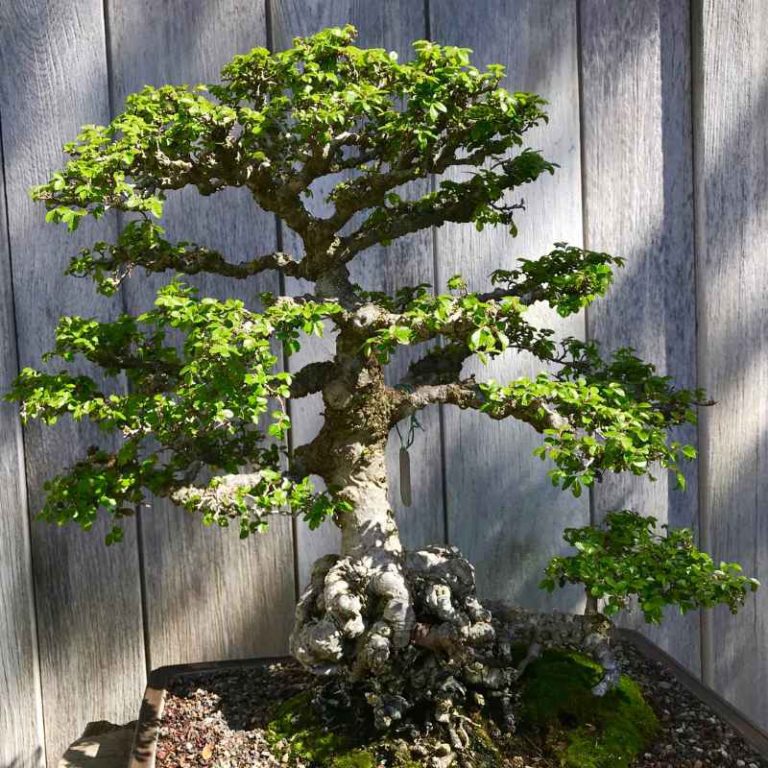
Back budding is the process where new shoots and leaves emerge from older branches or trunks, not just from the tips of growth. In bonsai, especially with Japanese maples, this process is crucial for maintaining fine ramification (the division of branches into small twigs) and a compact, naturalistic appearance.
The Biology Of Bud Formation
Japanese maples possess adventitious buds—tiny, often invisible, dormant buds along older wood. Under the right conditions, these can be triggered to grow, giving rise to new shoots exactly where the artist needs them. However, these buds are suppressed by hormones (like auxins) produced in the growing tips, a phenomenon known as apical dominance. Overcoming this natural tendency is the key to encouraging back budding.
Adventitious buds are a vital adaptation for survival, allowing trees to regenerate after damage or environmental stress. In the wild, these buds might remain dormant for years until a branch is broken, shaded, or otherwise rendered noncompetitive. In bonsai cultivation, artists can use this natural process to their advantage by manipulating the environment and pruning regimen to coax out new growth exactly where it is needed for design or health.
Why Japanese Maples Lose Back Budding
Several factors can reduce or eliminate back budding:
- Over-mature wood: Older branches may become less responsive over time as the vascular tissue becomes more lignified and less capable of supporting new shoots. This is especially true in trees that have been allowed to grow unchecked for several seasons.
- Excessive shade: Inner branches starved of light will not bud out. Without light, the energy needed for cell division and bud break is unavailable, and the tree will naturally allocate resources to areas with higher light exposure.
- Nutrient imbalances: Too much nitrogen or too little potassium and phosphorus can inhibit bud activation. High nitrogen promotes lengthening of shoots but can suppress the development of lateral or dormant buds.
- Improper pruning: Cutting at the wrong time or in the wrong way can remove dormant buds or stimulate growth only at the tips, perpetuating legginess.
- Age and species: Some maple varieties bud back more readily than others. For example, Acer palmatum ‘Deshojo’ is known for vigorous budding, while others, like ‘Shishigashira,’ are more reluctant.
Additionally, environmental stressors like wind, drought, or pest damage can further diminish the tree’s ability to activate dormant buds, making it vital to maintain overall health.
Importance For Bonsai Design
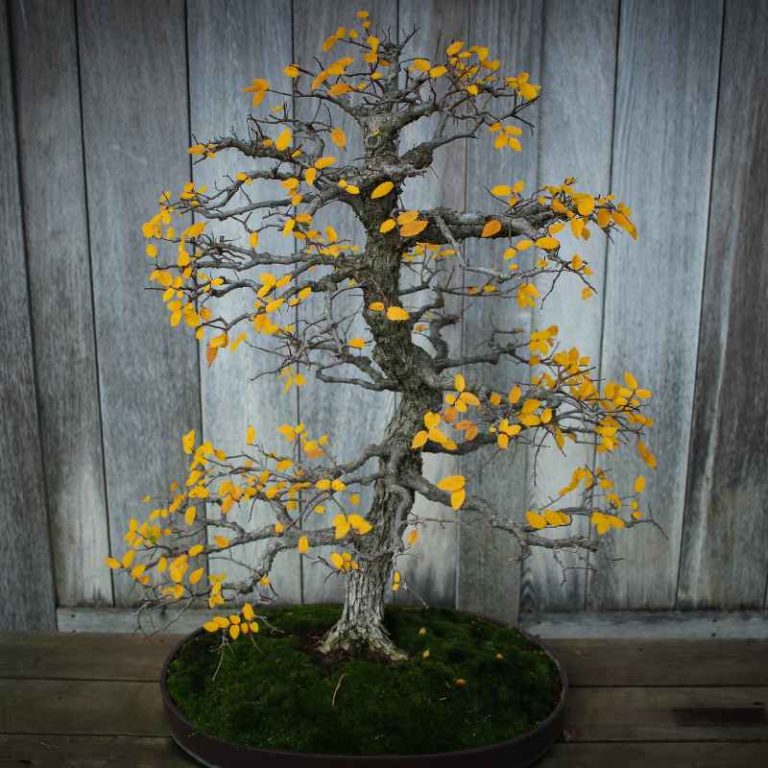
Without back budding, the structure of a bonsai becomes sparse and “leggy,” losing the illusion of a mature, full-sized tree in miniature. Skilled growers use back budding to:
- Rejuvenate old branches and restore lost ramification, which is essential for the fine, cloud-like pads characteristic of Japanese maple bonsai.
- Correct design flaws such as misplaced branches or gaps in the silhouette.
- Create denser canopies that mimic the complexity of ancient trees in nature.
- Maintain health and vigor by ensuring that no part of the tree is left without foliage, which can lead to dieback.
In essence, back budding is the primary way to maintain artistic control over the tree’s structure and continually refresh its appearance.
Essential Factors For Promoting Back Budding
Achieving consistent back budding on a Japanese maple bonsai is not accidental. It involves the harmonious interplay of pruning, light, nutrition, and water management.
Timing: When To Encourage Back Budding
- Late spring to early summer is optimal for pruning and encouraging back budding. This aligns with the tree’s peak growth and energy reserves, maximizing the chances that the tree will respond by activating dormant buds.
- After the first flush of growth: Wait until the new leaves have hardened off before major pruning. This ensures the tree has built up enough energy to recover from the shock and direct resources to new buds.
- Early autumn can also be effective in some climates, allowing new buds to form before dormancy. However, growth will be slower, and new shoots may require protection from early frosts.
The timing of interventions is crucial. Pruning too early in spring can lead to excessive sap bleeding, especially with maples, and pruning too late in summer may not give new buds enough time to mature before winter.
Pruning Techniques For Back Budding
Proper pruning is the single most powerful tool for stimulating new growth along old wood.
- Tip pruning: Remove apical (tip) growth to disrupt hormonal dominance and redirect energy. This is often done by cutting just above a pair of leaves or a node, encouraging lateral buds below to break.
- Selective defoliation: Remove leaves in shaded interior areas to increase light penetration and trigger bud growth. This technique can be targeted to problem areas without stressing the entire tree.
- Partial branch removal: Cut back long, leggy branches to just above dormant nodes. This not only stimulates new buds but also helps maintain the desired silhouette.
- Pinching: Use fingers to pinch soft new growth, rather than scissors, to avoid damaging adjacent buds. Pinching is often less traumatic and more precise, preserving the potential for future buds.
Example Pruning Sequence
- In late May, prune back all shoots to 1-2 pairs of leaves. Use sharp, sterile scissors to avoid crushing tissue.
- Selectively defoliate dense areas, especially where inner branches are shaded out.
- Monitor for new buds along the branch within 2-4 weeks, keeping a close eye on areas that have historically failed to produce new growth.
- As new shoots emerge, thin them if necessary to prevent overcrowding and ensure even ramification.
Regular monitoring and adjustment are key. If buds fail to swell or appear, reassess light, watering, and fertilization protocols.
Light Management
Light is crucial for photosynthesis and bud activation.
- Place the bonsai where morning sun and dappled afternoon light reach all sides. Too much direct midday sun can scorch delicate maple leaves, but insufficient light will suppress bud development.
- Rotate the tree weekly to balance light exposure, ensuring that all sides of the canopy receive adequate illumination.
- Use grow lights in shaded environments, ensuring a minimum of 8 hours of indirect light daily. High-quality LED grow lights can mimic the full spectrum of sunlight, supporting healthy growth in indoor or urban settings.
- Consider pruning or thinning nearby plants or trees that might cast shade on your bonsai during critical growing months.
Consistent, balanced light exposure is one of the most often overlooked yet crucial factors in promoting back budding.
Nutritional Strategies
Fertilization must be balanced to avoid lush, weak growth or nutrient-starved wood.
- Use a balanced fertilizer (e.g., 6-6-6 NPK) during the growing season. This supports overall health and stable growth.
- Shift to a low-nitrogen, high-phosphorus feed in late summer to encourage bud set. Phosphorus is essential for strong root and bud development, while excess nitrogen can push the tree to focus on elongation rather than ramification.
- Apply micronutrients (iron, magnesium, zinc) to support overall health and help prevent deficiencies that can impact bud viability.
- Organic fertilizers, such as fish emulsion or well-rotted compost, can provide a gentle, steady nutrient supply and improve soil structure.
Fertilizer Comparison Table
| Fertilizer Type | Nitrogen (N) | Phosphorus (P) | Potassium (K) | Best For |
|---|---|---|---|---|
| Spring Growth Blend | 10 | 6 | 6 | Early-season vigor |
| Ramification Blend | 4 | 8 | 8 | Back budding & branching |
| Organic Slow-Release | 5 | 5 | 5 | General maintenance |
It’s also wise to test your water and soil for pH balance. Japanese maples prefer slightly acidic conditions (pH 5. 5-6. 5); soil that is too alkaline can lock out vital nutrients.
Watering Practices
- Keep soil evenly moist but not waterlogged. Japanese maples are sensitive to both drought and excessive wetness. Overwatering can suffocate roots, while underwatering can lead to leaf scorch and bud death.
- Allow the surface to dry slightly between waterings to encourage root activity and prevent fungal infections.
- Avoid overhead watering that keeps leaves and branches damp for extended periods, as this can promote fungal diseases like powdery mildew and reduce bud viability.
- In hot or windy weather, check soil moisture daily, as shallow bonsai pots dry out faster than garden beds.
A consistent watering schedule, adapted to the tree’s stage of growth and seasonal needs, is fundamental to promoting strong back budding.
Environmental Stress And Dormancy
- Controlled stress (e.g., light root pruning, slight drought) can sometimes trigger bud activation as a survival mechanism. This is known as “stress-induced adventitious budding.”
- Avoid severe stress, which can kill dormant buds and reduce recovery. Only attempt moderate stress techniques on healthy, established trees.
- Recognize the importance of winter dormancy. Japanese maples need a cold rest period to reset hormonal balances and prepare for vigorous spring growth. Protect roots from deep freezes but avoid bringing the tree indoors for extended periods.
Proper management of both growth and rest periods ensures that the tree remains responsive and capable of producing new buds where needed.
Advanced Techniques To Stimulate Back Budding
While foundational care sets the stage, advanced methods can maximize back budding potential—especially on older, stubborn wood.
Strategic Defoliation
Defoliation involves removing all or most leaves from selected branches or the entire tree.
- Promotes light penetration and air flow, countering the effects of dense outer foliage.
- Triggers a hormonal response, activating dormant buds due to the sudden loss of photosynthetic area.
- Best performed on healthy, vigorous trees only. Weak or recently repotted trees may not recover.
Step-by-step Guide
- Wait until mid-spring when leaves are mature and the tree has recovered from winter dormancy.
- Use sharp scissors to remove leaves, retaining petioles (leaf stems) as these help protect developing buds and minimize shock.
- Water and fertilize lightly, as the tree’s water needs will temporarily drop.
- Observe over 2-3 weeks for new bud formation, especially along previously bare branches.
- Once new shoots appear, gradually reintroduce regular care and avoid further major interventions for the season.
Strategic, partial defoliation (removing leaves from only certain branches) is a safer option for beginners or when working with less vigorous trees.
Carving And Scarification
- Gently score the bark above dormant nodes using a sterile knife. The shallow wound interrupts hormonal flow and can encourage nearby buds to break.
- This disrupts the cambium and can stimulate dormant buds to break. The technique mimics natural damage, which often triggers regeneration.
- Use with caution—overdoing it can harm the tree or invite infection. Always sterilize tools and treat wounds with a sealant if necessary.
This method is best reserved for advanced practitioners or when other methods have failed, and only on branches that are otherwise healthy.
Grafting Techniques
For branches that refuse to bud back, thread grafting or approach grafting can introduce new shoots exactly where needed.
- Thread grafting: Drill a hole through the branch and thread a young shoot from another part of the tree. As the shoot thickens, it fuses with the host branch, establishing new growth in the desired location.
- Approach grafting: Bind a new shoot onto the old wood and allow it to fuse over months. This technique is useful for larger branches or where a more substantial union is needed.
Grafting is an advanced but powerful technique for solving otherwise intractable design issues, and can also be used to introduce different varieties or improve autumn color.
Hormonal Treatments
- Specialized cytokinin-based pastes can be applied to dormant buds. Cytokinins promote cell division and can encourage bud break.
- Caution: Only use products designed for ornamental trees and follow label directions precisely. Overuse or incorrect application can damage the tree.
- Not widely used in hobby bonsai but has shown success in commercial production, particularly for propagating rare cultivars.
Always research local regulations and product safety before using hormonal treatments.
Case Study: Rejuvenating An Old Maple
A 35-year-old Japanese maple with bare lower branches was revitalized using selective defoliation, tip pruning, and two thread grafts. Within 18 months, over a dozen new shoots emerged along the old wood, restoring the classic broom-style silhouette. The owner meticulously documented each intervention, noting that the combination of increased light, balanced fertilization, and careful aftercare were just as important as the more dramatic techniques.
Common Mistakes And How To Avoid Them
Even experienced bonsai artists make mistakes that can inhibit back budding. Awareness and prevention are key to long-term success.
Overpruning
- Removing too much foliage at once weakens the tree and reduces stored energy. The tree may struggle to recover, and dormant buds may die before activating.
- Always leave at least one pair of leaves on each branch when pruning for ramification. This ensures continued photosynthesis and energy reserves.
Incorrect Timing
- Pruning during active sap flow (early spring) can cause excessive bleeding and slow healing, especially in maples, which are notorious for “bleeding” sap.
- Avoid heavy work during extreme heat or drought, as trees are less resilient and recovery is slower.
Poor Light Management
- Dense canopies block light from reaching inner branches, leading to dieback and zero back budding.
- Regularly thin and rotate your bonsai for even light exposure, using selective defoliation or minor pruning to open the canopy.
Overfertilization
- High-nitrogen feeds produce lush, weak shoots prone to pests and disease, and can suppress back budding by encouraging elongation instead of ramification.
- Use low-nitrogen, high-phosphorus blends in late summer and autumn, or switch to organic fertilizers for gentler feeding.
Neglecting Soil Health
- Compacted, old bonsai soil restricts root growth and water movement, leading to poor nutrient uptake and weak overall health.
- Repot every 2-3 years in a free-draining mix with components like akadama, pumice, and lava rock to encourage vigorous root systems and healthy back budding.
Wiring Mistakes
- Excessive or tight wiring damages bark and cambium, killing dormant buds and sometimes even girdling branches.
- Check wires monthly and adjust as branches thicken, using protective wraps if needed.
Data Table: Key Mistakes And Solutions
| Mistake | Effect | Recommended Solution |
|---|---|---|
| Overpruning | Weak growth, few buds | Prune moderately, leave foliage |
| Poor light | Bare branches | Rotate tree, thin canopy |
| Overfertilizing | Lush, weak shoots | Switch to balanced or low-N fertilizer |
| Old soil | Root binding, poor uptake | Repot with fresh mix |
| Tight wiring | Bark damage, bud death | Monitor and adjust wire regularly |
Preventing these common errors is not just about technique, but also about cultivating the patience and observation skills that define skilled bonsai artistry.
Real-world Examples And Case Studies
Understanding theory is valuable, but nothing compares to seeing these principles in action. The following real-world examples illustrate how back budding can be restored in Japanese maple bonsai.
Case Study 1: Urban Patio Maple Rescue
A hobbyist in New York inherited a 20-year-old Japanese maple bonsai with almost no foliage inside the canopy. After careful research, they:
- Pruned all long branches back to the first pair of leaves in late May, focusing on areas with the least ramification.
- Used a shade cloth to protect new growth from midday sun, preventing leaf scorch and encouraging gentle, steady development.
- Applied a phosphorus-rich liquid fertilizer every two weeks, alternating with a seaweed extract to boost micronutrient availability.
- Regularly rotated the tree to ensure even light exposure and prevent new shoots from favoring only one side.
- Within six weeks, new buds appeared along the interior branches, allowing the tree to be restyled into a compact, multi-trunk form.
- Over the following year, the hobbyist continued to thin and shape new growth, achieving a lush, full canopy that was previously thought impossible.
Case Study 2: Professional Grower’s Revival
A commercial bonsai nursery in California had several 30-year-old maples with minimal ramification. Their process included:
- Complete defoliation in early June, ensuring each tree was healthy and well-established before the procedure.
- Partial root pruning and repotting in a pumice-rich soil mix to invigorate root growth and maximize nutrient uptake.
- Application of a cytokinin-based bud paste on selected branches, carefully following manufacturer instructions.
- Strategic wiring to open the canopy and direct emerging shoots into the desired structure.
- By autumn, over 70% of the treated branches produced healthy new shoots, dramatically improving the trees’ value and appearance.
- Regular documentation allowed the nursery to refine their approach and share best practices with their customers.
Case Study 3: Thread Grafting For Impossible Budding
A collector in the UK faced a main branch that refused to bud back despite ideal culture. By thread grafting a young shoot from the same tree through the old branch, they successfully established new growth in the desired location, avoiding a major design flaw and preserving the tree’s symmetry.
- The collector carefully selected a vigorous shoot, drilled a small hole through the target branch, and threaded the shoot through.
- After securing the shoot and ensuring good contact, they maintained high humidity and protected the graft site from direct sun.
- Over several months, the shoot thickened and began to fuse with the host branch, eventually producing new leaves exactly where needed.
- Once the graft was successful, the original connection was severed, leaving a seamlessly integrated new branch.
These cases underscore the importance of:
- Patience and persistence in applying techniques and waiting for results.
- Tailoring techniques to each tree based on health, age, and specific challenges.
- Documenting results for future reference, which allows for continuous improvement and knowledge sharing.
For more inspiration and examples, visit the Bonsai Empire website, which features community galleries and expert advice.
Step-by-step Action Plan For Back Budding Success
Restoring back budding in a Japanese maple bonsai is a multi-season process. Follow this structured plan for the best results.
Step 1: Assess Tree Health
- Inspect for pests, diseases, or root problems. Address any infestations or infections promptly, as a stressed tree is unlikely to respond well to back budding techniques.
- Check for signs of vigor, such as firm, green shoots and healthy root tips. Weak or declining trees should be nursed back to health before major interventions.
Step 2: Optimize Environment
- Place in a location with bright, indirect sunlight and protection from harsh winds.
- Ensure good air circulation and humidity, especially during periods of rapid growth.
- If growing indoors, supplement with grow lights to maintain consistent photoperiod and intensity.
Step 3: Prune For Structure
- In late spring, prune long shoots to 1-2 pairs of leaves, being careful to make clean, angled cuts just above a healthy bud or node.
- Remove any crossing, inward-growing, or diseased branches to open up the canopy and improve airflow.
Step 4: Encourage Light Penetration
- Defoliate dense areas to allow light to reach the interior. This can be done by removing only selected leaves or, on vigorous trees, entire sections of foliage.
- Rotate the pot weekly to ensure all sides of the tree receive adequate light.
Step 5: Fertilize And Water Wisely
- Use a balanced fertilizer every 2 weeks during the active growing season, switching to a low-nitrogen formula as summer progresses.
- Reduce nitrogen in late summer to promote bud setting rather than elongation.
- Maintain even soil moisture, adjusting frequency based on weather and pot size.
Step 6: Monitor And Adjust
- Watch for new buds; do not disturb swelling nodes as they are delicate and easily damaged.
- If no response after 4-6 weeks, consider advanced techniques like selective defoliation, bark scoring, or thread grafting.
Step 7: Document Progress
- Photograph the tree monthly from multiple angles to track changes in branching and bud development.
- Record techniques and timing for future reference, noting what works best for your specific tree and environment.
Seasonal Timeline Table
| Season | Key Actions | Expected Results |
|---|---|---|
| Spring | Prune, repot, fertilize | Vigorous new growth |
| Early Summer | Defoliate, tip prune | Bud swelling, branching |
| Late Summer | Reduce nitrogen, monitor | Buds set for next year |
| Autumn | Light pruning, prepare for dormancy | Color change, bud hardening |
| Winter | Minimal intervention | Rest, plan for spring |
Following this step-by-step plan dramatically increases your chances of successfully restoring back budding and maintaining a healthy, beautiful Japanese maple bonsai.
Resources And Further Reading
Continuing your bonsai education is essential for mastering back budding and other advanced techniques. Explore these authoritative sources:
- Wikipedia: Bonsai — Comprehensive overview of bonsai practice and history.
- Bonsai Empire: Maple Bonsai Care — Detailed species-specific guidance.
- Royal Horticultural Society: Growing Maples — Authoritative advice on Japanese maples.
- Bonsai Nut: Maple Care Guide — Community-driven tips and troubleshooting.
- ResearchGate: Adventitious Bud Induction in Maple — Scientific paper on bud activation.
Additionally, consider joining a local bonsai club, attending workshops, or participating in online forums where you can share experiences and seek personalized advice.
Frequently Asked Questions
What Is Back Budding And Why Is It Important For Bonsai?
Back budding refers to the process where dormant buds on older branches or trunks of a bonsai tree break dormancy and grow into new shoots. This is crucial in bonsai because it allows for the renewal and densification of branches, maintaining the miniature tree’s natural look and health. Without back budding, a bonsai becomes sparse, leggy, and loses its refined appearance.
Back budding also enables artists to continually refine and improve the tree’s silhouette, correct design flaws, and replace old or damaged branches, ensuring the bonsai remains vibrant and expressive for decades.
How Long Does It Take To See Back Budding After Pruning?
Depending on the tree’s health, age, and the technique used, back budding can begin as soon as 2-4 weeks after a well-timed prune in late spring or early summer. However, older or less vigorous trees may take several months or even until the following spring to show significant new growth. Consistency in care and patience are key.
Remember that some buds may swell but not break until the following growing season. If you see no progress after several months, revisit your care regimen and consider advanced techniques.
Can I Use Back Budding Techniques On Other Species Of Bonsai?
Yes, many back budding techniques—such as tip pruning, defoliation, and light management—are effective on a wide variety of deciduous bonsai species, including trident maple, hornbeam, elm, and beech. However, responsiveness varies by species; always research specific needs before applying advanced methods.
For example, some conifers, like pine and juniper, respond differently and may require specialized techniques for bud development on old wood.
Is It Safe To Defoliate My Japanese Maple For Back Budding?
Defoliation is a powerful tool but should only be performed on healthy, established trees. Young, weak, or recently repotted maples can be severely stressed or even killed by full defoliation. Always retain some foliage on weak branches, and never defoliate in extreme heat or just before winter dormancy.
Partial defoliation is a safer alternative and can still yield excellent results when combined with proper pruning and aftercare.
Where Can I Find More Guidance Or Connect With Other Bonsai Enthusiasts?
For ongoing support and expert advice, join online communities such as Bonsai Nut or visit reputable resources like Bonsai Empire. Local bonsai clubs and workshops also provide invaluable hands-on experience.
Many regional bonsai societies organize exhibitions, lectures, and collaborative projects, offering opportunities to learn from master growers and share your own progress.
Restoring back budding on a Japanese maple bonsai is a journey that blends horticultural science, artistic vision, and dedicated care. With the right strategies, even old or neglected specimens can be revived, allowing you to enjoy a dense, vibrant canopy for years to come.
By following the best practices and learning from real-world examples, you can unlock the full beauty and potential of your Japanese maple bonsai—branch by branch, bud by bud.