What Should A Well-Styled Japanese Elm Bonsai Look Like?
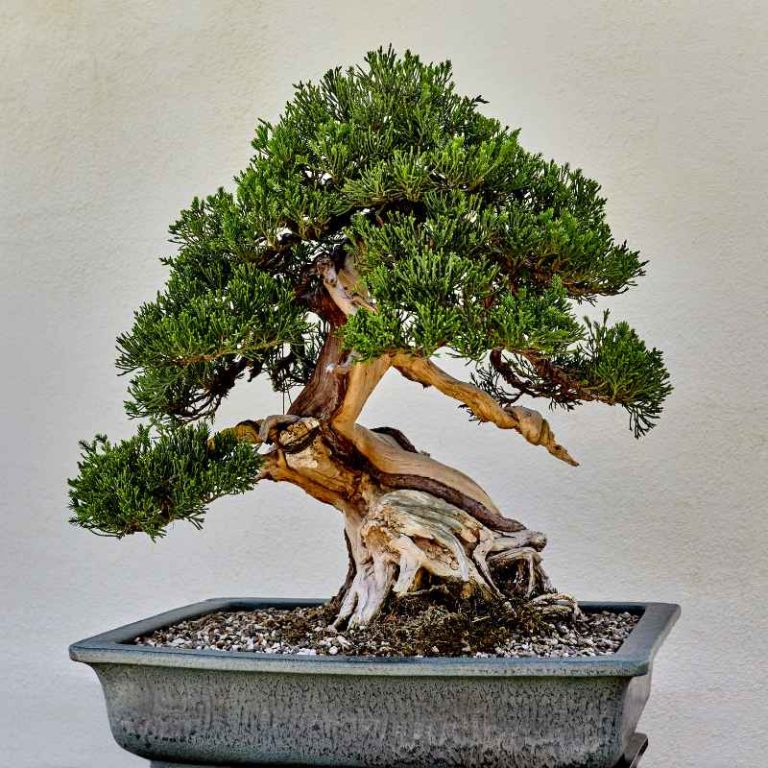
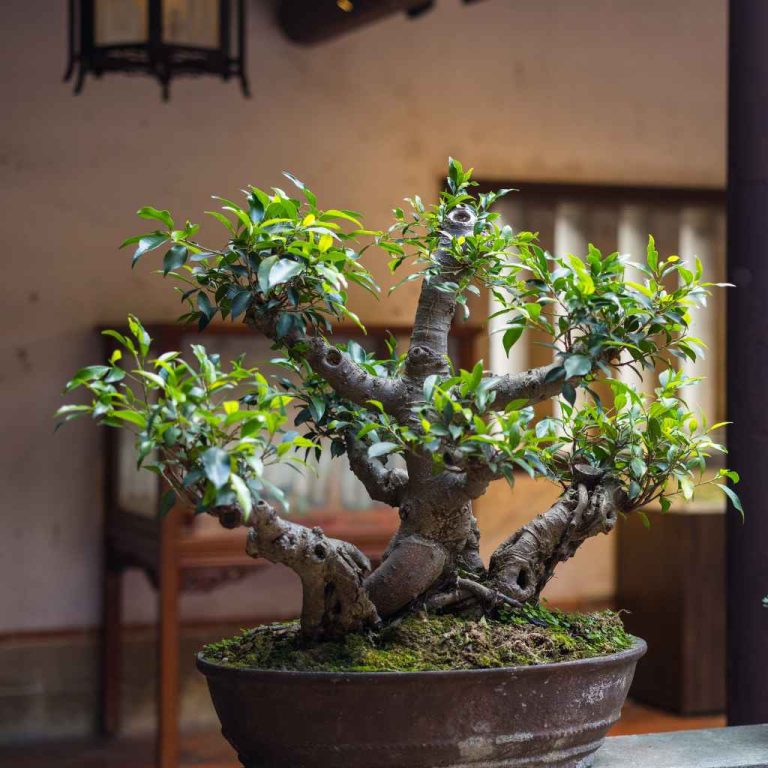
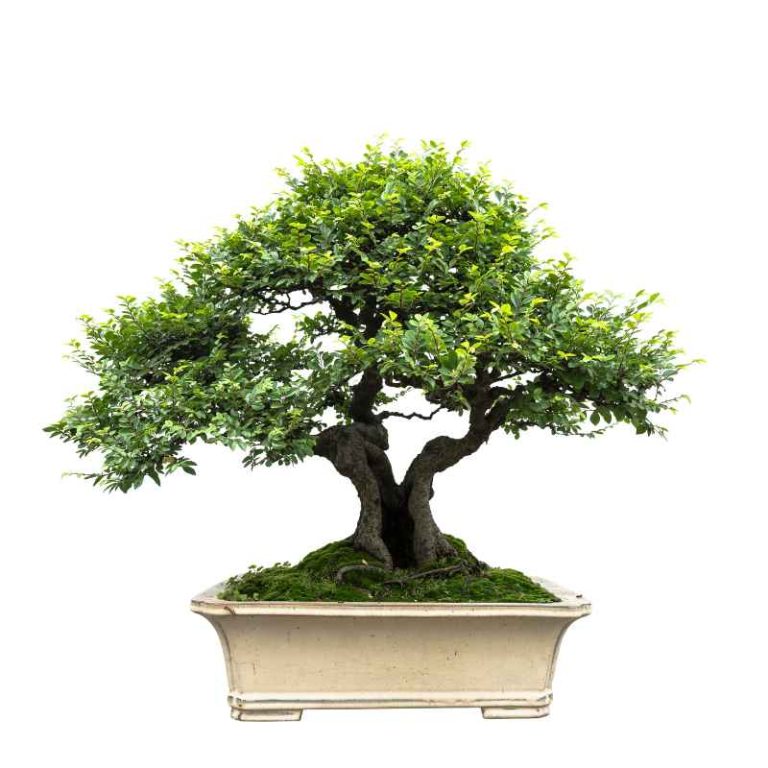
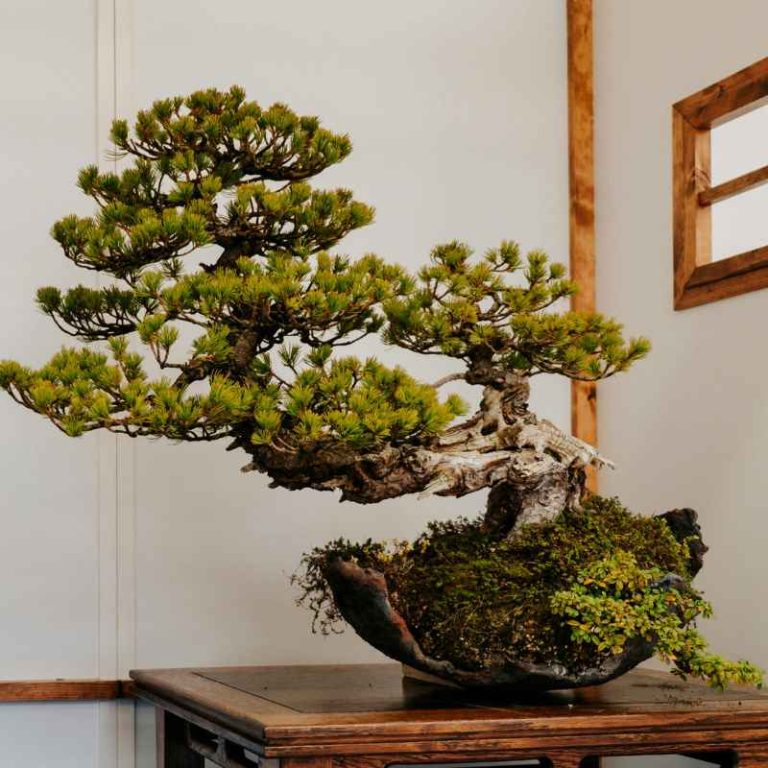
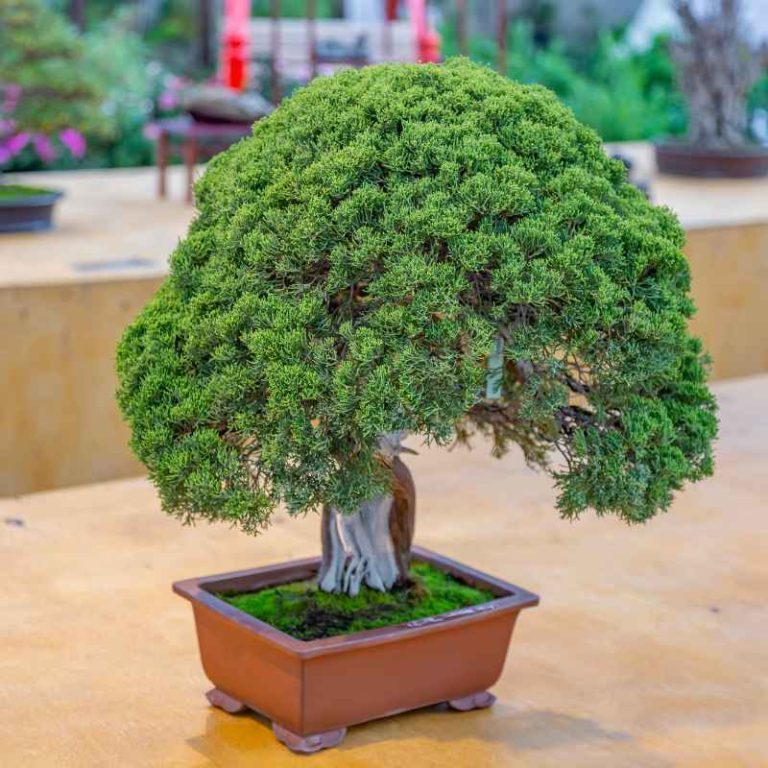
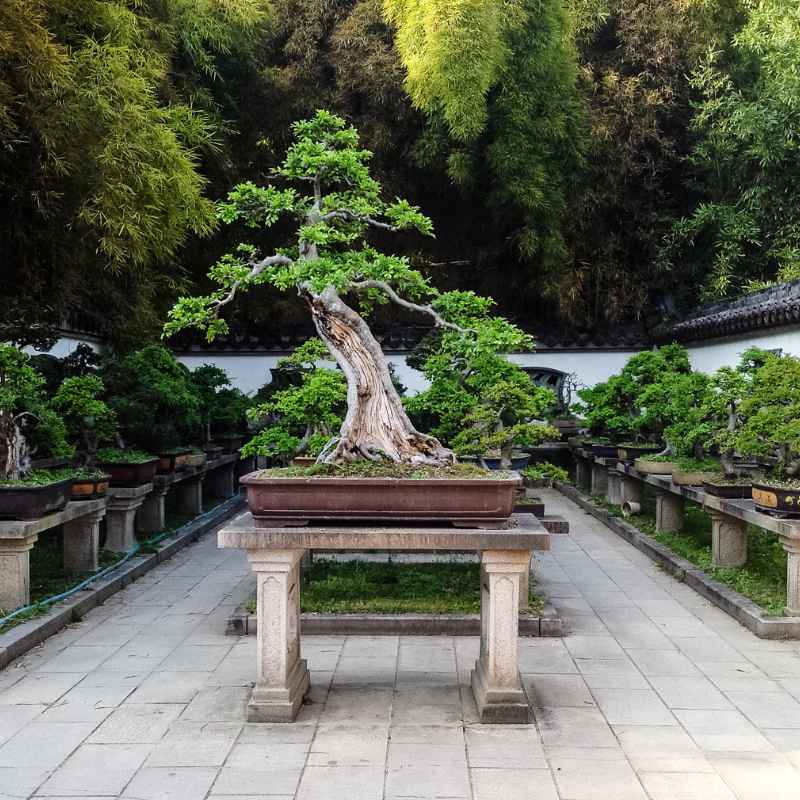
A well-styled Japanese elm bonsai shows a miniature, healthy tree. It has balanced proportions. Its leaves are small and dense.
For another bonsai-specific follow-up, How Long to Stratify Japanese Cherry Blossom Bonsai Seeds? gives readers a related care or selection angle.
For another bonsai-specific follow-up, Why Are Leaves Falling Off My Chinese Elm Bonsai? Solved gives readers a related care or selection angle.
For another bonsai-specific follow-up, How To Grow Bonsai Trees From Seed Like A Pro Gardener gives readers a related care or selection angle.
The trunk is graceful and tapers well. Exposed roots are neat and strong. Overall, it looks natural and alive.
It captures the essence of a mature elm in a small form.
The Ideal Japanese Elm Bonsai: A Deep Dive
So, what makes a Japanese elm bonsai truly beautiful? It’s more than just a small tree in a pot. It’s a living sculpture.
It tells a story of nature and careful art. We’ll look at each part of the tree. This will help you understand the perfect look.
We’ll start from the roots and go all the way to the leaves.
Japanese elms (Ulmus parvifolia) are popular for bonsai. They grow fast. They handle pruning well.
Their small leaves are a big plus. They make the miniature tree look more real. A well-styled tree looks like an old tree you’d see in a forest.
But it’s tiny. This is the magic of bonsai.
Understanding Bonsai Aesthetics
Bonsai art follows certain rules. These rules help create a natural look. They aim for balance and harmony.
Key ideas include proportion, asymmetry, and age. A good bonsai looks like a tiny version of a full-sized, old tree. It should evoke a sense of peace and wonder.
It reflects the spirit of nature.
For Japanese elms, the goal is to capture their wild spirit. They grow in rocky areas or along rivers. They can be quite wind-swept.
Or they can have a very stately, upright form. The style should match the tree’s natural tendencies. It should also fit the pot.
The pot is like the ground the tree grows from.

The Trunk: The Tree’s Backbone
The trunk is the first thing many people notice. It’s the tree’s foundation. A great Japanese elm bonsai trunk is not just a straight stick.
It has character. It tells a story of growth and struggle. It should taper from the base to the top.
Taper: This means the trunk gets thinner as it goes up. The base should be the widest part. The top should be very thin.
This gives the tree a sense of age and depth. A trunk that stays the same width all the way up looks flat. It doesn’t look real.
Imagine a giant old oak. Its base is huge. It slowly gets smaller.
That’s what we want in miniature.
Movement: A good trunk often has some curves or bends. This movement can suggest wind or growing around obstacles. It makes the tree look more dynamic.
But the movement should look natural. It shouldn’t be overly dramatic or forced. A gentle S-curve is often pleasing.
Too much wildness can look unnatural.
Bark: The bark of a Japanese elm is usually smooth when young. As it ages, it can develop fissures. These small cracks add texture.
They make the trunk look older. The bark color should be rich. It shouldn’t look dry or peeling in a bad way.
It adds to the tree’s aged appearance.
Nebari (Surface Roots): These are the roots that spread out from the base of the trunk. They are also called the “visible roots.” They anchor the tree. They show its strength.
Good nebari fans out evenly. It looks like the tree is firmly planted. The roots should be thick near the trunk.
They then get thinner as they spread. This creates a beautiful, radial pattern.
A well-developed nebari is a sign of a healthy, mature tree. It takes time to develop. It’s a key feature of advanced bonsai.
The roots should not be coiled around the trunk. They should spread outward. They connect the trunk to the soil.
This connection is vital for the tree’s life. It also adds a lot to the visual appeal.
Trunk & Root Health Check
What to Look For:
- Taper: Does it get thinner from bottom to top?
- Movement: Is there a natural, graceful curve?
- Bark: Is it healthy with some texture?
- Nebari: Are roots fanning out evenly from the base?
- No Gaps: Are there no large empty spaces under the nebari?
Branches: Shaping the Canopy
Branches are how the tree reaches out. They create the tree’s overall shape. They support the leaves.
Well-placed branches are key to a good bonsai. They should look balanced. They should also be proportional to the trunk.
Placement: Branches should grow out from the trunk at different heights. They should also grow in different directions. This avoids a “baring branch” look.
This is where branches grow directly opposite each other. Or they grow from the same point. It’s best if branches are staggered.
This creates a more natural and full canopy.
Thickness: Branches should get thinner as they extend away from the trunk. The first branches should be thicker. The higher or further branches should be thinner.
This follows the natural growth of a tree. It adds to the illusion of age and scale.
Direction: Branches should not grow straight down. They should not grow straight into the viewer’s face. They should typically grow slightly upwards or horizontally.
Some downward-sweeping branches are fine. But they need to balance with upward-growing ones. They should create layers.
These layers give the tree depth.
Ramification: This is the fine branching. It’s where small twigs come off the main branches. Good ramification creates a dense canopy.
It looks like moss or clouds. It makes the tree look old and mature. This takes time and careful pruning.
You want many fine twigs. These twigs hold the leaves.
I remember working on a Japanese elm for a friend. It was beautiful but had very few fine branches. It looked a bit sparse.
I spent a whole season just pinching back new growth. It felt slow. But then, small buds started appearing all over.
Soon, tiny twigs formed. It was like magic. The tree started to fill out.
It looked so much more alive and ancient. That’s the power of letting nature do its thing, with a little guidance.
Branch Structure Tips
- Balance: Branches should be balanced but not perfectly symmetrical.
- Layering: Create depth with branches at different levels.
- Thickness: Thicker branches closer to the trunk, thinner at the tips.
- Ramification: Aim for many fine twigs for a dense canopy.
- Natural Flow: Branches should look like they grew naturally.
Leaves: The Tree’s Foliage
The leaves are what give the tree its green color. They are vital for photosynthesis. For Japanese elm bonsai, small leaves are ideal.
They help maintain the sense of scale.
Size: Japanese elms naturally have small leaves. But good bonsai care can make them even smaller. This is often achieved through techniques like defoliation.
This is when you remove all the leaves in late spring or early summer. The new leaves that grow back are usually smaller. This creates a denser, more refined look.
Density: A healthy Japanese elm bonsai should have dense foliage. Leaves should be packed closely together. This creates a full canopy.
It shouldn’t have large gaps where you can see through it easily. Dense foliage suggests good health and vigor.
Color: Healthy leaves are a vibrant green. The exact shade can vary. It depends on the season and light.
Darker green often means good health. Yellowish or pale leaves can indicate a problem. Brown tips can mean it’s too dry.
Or it might have too much sun.
Shape: The leaves of a Japanese elm are typically oval or egg-shaped. They have a serrated edge. They are usually pointed at the tip.
They should look uniform. There shouldn’t be many deformed or misshapen leaves.
I recall a time when my Japanese elm’s leaves looked a bit dull. I was worried. I checked the watering.
I made sure it got enough sun. Then I read about fertilizing. I started using a balanced bonsai fertilizer.
Within a few weeks, the leaves perked up. They became a rich, deep green. It was so satisfying to see the tree thrive.
It showed me how important consistent care is.
Leaf Care Essentials
- Small Size: Aim for the smallest possible leaves for scale.
- Density: A full canopy is key.
- Vibrant Color: Healthy leaves mean a healthy tree.
- Uniformity: Most leaves should look similar.
The Pot: The Tree’s Home
The pot is as important as the tree itself. It’s not just a container. It’s part of the overall composition.
It complements the tree’s style and color.
Size: The pot should be in proportion to the tree. A tree that is too tall might need a shallower pot. A wider tree might need a slightly deeper or wider pot.
The pot should not overpower the tree. It should support it.
Shape: Common shapes include oval, rectangular, and round. The shape should match the tree’s style. An upright, formal tree might look good in a rectangular pot.
A more informal or windswept tree might suit an oval or round pot.
Color: The color of the pot should harmonize with the tree. Earth tones like brown, gray, or unglazed terracotta are common. They don’t distract from the green of the leaves.
Darker pots can make green leaves stand out more. Lighter pots can create a softer look.
Material: Most bonsai pots are made of ceramic. Unglazed pots allow the soil to breathe better. Glazed pots can add a splash of color or shine.
They are often used for more refined trees. The material should be durable.
A common mistake is picking a pot that’s too big. Or too small. Or the wrong color.
I once saw a stunning Japanese maple in a bright blue pot. It clashed terribly with the red leaves. It took away from the tree’s beauty.
Choosing the right pot is an art in itself. It requires looking at the tree as a whole.
Choosing the Right Pot
Consider:
- Proportion: Tree size to pot size.
- Shape: Match pot shape to tree style.
- Color: Harmonize pot color with tree foliage.
- Material: Ceramic is common; consider unglazed vs. glazed.
Overall Balance and Harmony
When you look at a well-styled Japanese elm bonsai, it just feels right. It feels balanced. It feels peaceful.
This is the result of harmony between all the parts.
Proportion: The trunk thickness should match the height. The branches should be in scale with the trunk. The leaves should be small enough to make the tree look miniature.
Asymmetry: Perfect symmetry can look unnatural. A good bonsai often has a slightly asymmetrical design. This makes it more interesting.
But it should still feel balanced. For example, a large branch on one side might be balanced by a cluster of smaller branches on the other.
Age: The tree should look old and mature. This is shown through trunk taper, bark texture, nebari, and ramification. It should not look like a young sapling.
Naturalness: The most important aspect is that it looks like a real tree. It should evoke a sense of being outdoors. It should not look like a fake or artificial creation.
The style should reflect how a tree would actually grow.
I visited a bonsai garden once. There was a Japanese elm that just stopped me in my tracks. It was in a simple, unglazed pot.
The trunk had a gentle curve. The nebari fanned out perfectly. The branches were layered and full of fine twigs.
The leaves were tiny and dense. It looked like a miniature, ancient forest tree. It felt so peaceful.
It wasn’t flashy, but it was perfect. It showed me that simplicity and naturalness are often the most beautiful.
Quick Style Checklist
Does it look like:
- A miniature, mature tree?
- It’s firmly planted and stable?
- It grew naturally in the wild?
- All parts are in good proportion?
- It evokes a sense of peace?
Common Styles for Japanese Elm Bonsai
Japanese elms can be styled in many ways. Here are a few common ones:
Formal Upright (Chokkan)
The trunk grows straight up. It has a clear taper. Branches are usually placed symmetrically.
This style suggests strength and dignity. It looks like a tree growing in open ground.
Informal Upright (Moyogi)
The trunk has gentle curves and bends. This is very common. It looks natural.
The curves should be flowing. They should not look forced or angular. This style is balanced.
It has a sense of movement.
Slanting (Shakan)
The trunk leans to one side. This suggests a tree leaning away from a strong wind or obstacle. The pot is often placed slightly off-center.
This helps balance the lean. It looks dynamic.
Cascade (Kengai) / Semi-Cascade (Han-kengai)
The trunk and branches grow downwards. They hang below the rim of the pot. This mimics a tree growing off a cliff or steep bank.
Semi-cascade has the trunk growing downwards but not past the pot’s base. Cascade goes lower.
I once saw a Japanese elm styled as a semi-cascade. It was in a shallow, oval pot. The trunk flowed gracefully over the edge.
The branches were carefully placed to look natural. It really looked like a tree clinging to a cliff face. The delicate leaves balanced the downward sweep.
It was a stunning example of capturing a dramatic natural scene in miniature.
Real-World Contexts for Japanese Elm Bonsai
To truly appreciate a well-styled Japanese elm, think about where these trees grow naturally.
Environment: Japanese elms often grow in valleys, along riverbanks, or on rocky slopes in Asia. They are tough trees. They adapt to different conditions.
This resilience is something we try to capture in bonsai.
Habits: In the wild, they face wind, rain, and sun. They grow around rocks and other plants. They might lean to get sunlight.
They develop strong root systems to anchor themselves. These natural habits influence how we style them.
Design and Materials: The pots we use are often simple. This lets the tree be the star. The soil mix is designed for good drainage.
This mimics the rocky or sandy soils they might grow in. Every element is chosen to support the tree’s natural look.
User Behavior: When people care for their bonsai, they develop a relationship with the tree. They learn its needs. They prune and shape it over years.
This ongoing interaction is part of the art. It’s about patience and understanding nature’s pace.
I saw a Japanese elm bonsai at a show that was styled like a windswept tree. It was in a low, rectangular pot. The trunk was bent sharply to one side.
The branches were also swept in that direction. It looked like it had battled harsh winds for years. The leaves were small and dense, providing a contrast to the dramatic trunk.
It made me imagine standing on a windy ridge, looking at this brave little tree.
When is it “Normal” vs. “Concerning” for Your Japanese Elm Bonsai?
It’s good to know what’s typical for a healthy bonsai and what might signal a problem.
Normal Signs of a Healthy, Well-Styled Japanese Elm
- Small, dense leaves: This is ideal for scale.
- Vibrant green leaf color: Indicates good health.
- Healthy bark with slight texture: Shows age.
- Evenly fanned nebari: Strong root system.
- Good taper in trunk and branches: Illusion of age and maturity.
- Well-developed fine branching (ramification): Creates a full canopy.
- The tree looks stable in its pot: Root system is anchoring it well.
- It responds well to pruning and care: It’s vigorous.
Concerning Signs to Watch For
- Large, sparse leaves: Might mean lack of vigor or poor pruning.
- Yellowing or pale leaves: Could be overwatering, underwatering, or nutrient deficiency.
- Brown, crispy leaf tips: Often from dry air or inconsistent watering.
- Wilting leaves when soil is moist: Possible root rot.
- White powdery mildew on leaves or branches: A fungal issue.
- Insects on the leaves or bark: Pests need to be dealt with.
- Bark peeling excessively or looking dry and dead: Could be serious.
- Lack of new growth over a long period: Indicates stress or a problem.
- Roots circling tightly around the inside of the pot: It’s root-bound.
I once had a Japanese elm that suddenly started dropping a lot of leaves. I panicked! I checked for pests.
I felt the soil. It was moist. I realized I had overwatered it after a humid spell.
The roots were starting to suffer. I repotted it with fresh, well-draining soil and let it dry out a bit more between waterings. It took a few weeks, but it bounced back.
That taught me to pay close attention to the subtle signs.
Quick Health Scan
Check These Daily/Weekly:
- Leaf color and size.
- Soil moisture (use your finger!).
- Any signs of pests or disease.
Check These Less Often (e.g., Monthly/Seasonally):
- Branch structure and vigor.
- Bark condition.
- Root health during repotting.
Tips for Achieving the Look
Getting your Japanese elm bonsai to look its best takes time and consistent effort. Here are some guiding principles.
Pruning and Shaping
Pinching: As new shoots grow, pinch off the tips. This encourages back-budding. It creates denser foliage.
Do this in the growing season.
Trimming: Cut back branches that are too long. Or that are growing in the wrong direction. Aim to maintain the tree’s overall shape.
You want to encourage fine twigging. Don’t be afraid to cut. It’s how the tree gets finer.
Wiring: Carefully wrap wire around branches. This lets you bend them into desired positions. Watch the wire closely.
Remove it before it bites into the bark. This takes practice. It helps create movement and structure.
Watering and Feeding
Watering: Water when the topsoil feels slightly dry. Water thoroughly. Let excess water drain away.
Never let the soil dry out completely. But also avoid waterlogging. Japanese elms like consistent moisture.
Feeding: Use a balanced bonsai fertilizer during the growing season. Follow the package instructions. Don’t fertilize a sick tree.
Or a recently repotted tree.
Repotting
Repot your Japanese elm every 2-3 years. Do this in early spring. Trim the roots.
Use fresh, well-draining bonsai soil. This refreshes the soil. It encourages new root growth.
I remember wiring a branch on my Japanese elm. I wanted it to sweep down a bit more. I was so nervous about breaking it.
I wrapped the wire carefully. Then I gently bent it. It creaked a little.
I held my breath! But it held. Over the next few months, the branch settled into its new position.
It looked so much more natural. It showed me that sometimes, you just have to be brave and trust the process.

Frequent Questions About Japanese Elm Bonsai Appearance
What is the ideal leaf size for a Japanese elm bonsai?
The ideal leaf size for a Japanese elm bonsai is as small as possible. This helps maintain the illusion of a miniature, mature tree. Techniques like defoliation can encourage smaller new leaves.
How do I make my Japanese elm bonsai trunk thicker?
To thicken a Japanese elm bonsai trunk, you generally need to let it grow with less restriction for a period. You can also achieve a thicker appearance by developing good nebari (surface roots) at the base, which makes the trunk look more substantial.
What if my Japanese elm bonsai has very few branches?
If your Japanese elm bonsai has sparse branching, you’ll need to focus on encouraging ramification. This is done through careful pruning and pinching back new growth. Small cuts and pinching encourage the tree to produce more buds and finer twigs, leading to a fuller canopy over time.
How can I tell if my Japanese elm bonsai is old enough?
Signs of age in a Japanese elm bonsai include a visibly tapering trunk, textured bark with small fissures, well-developed nebari (surface roots), and dense, fine branching (ramification). The overall structure should suggest resilience and a long life.
Is it normal for Japanese elm bonsai leaves to turn yellow in fall?
Yes, it is normal for many deciduous and semi-deciduous trees, including some Japanese elms, to show yellowing leaves in autumn before they drop. However, if leaves turn yellow during the main growing season, it could indicate a watering, light, or nutrient issue.
What makes a Japanese elm bonsai look unbalanced?
An unbalanced Japanese elm bonsai might have a trunk that leans too much without a counteracting element, branches that are too heavy on one side, or an uneven distribution of foliage. The pot choice can also affect balance. The goal is usually a natural-looking asymmetry that still feels stable.
Conclusion: The Living Artistry
A well-styled Japanese elm bonsai is a marvel. It’s a tiny masterpiece. It combines nature’s beauty with human artistry.
It shows a healthy, mature tree in miniature. Look for good taper, strong nebari, and balanced branches. The leaves should be small and dense.
The pot should complement the tree. It’s a journey of patience. Each tree has its own unique charm.
Appreciate its natural spirit.