How To Prune Azalea Bonsai And Grow Tertiary Branches
To grow tertiary branches on an azalea bonsai, focus on strategic pruning of secondary branches. This involves pinching or cutting back new growth on secondary branches to encourage back-budding and the development of finer, outward-reaching tertiary shoots. Consistent feeding and proper light also support vigorous growth needed for this detailed work.

Brussel's Bonsai
Brussel's Bonsai - Small Satsuki Azalea Live…
- LIVE SATSUKI AZALEA BONSAI TREE: A live flowering bonsai with vibrant blooms and compact growth, perfect for adding color and char…
- SIZE & AGE: Carefully grown at 5 years old, measuring approximately 5-8 inches tall, ideal for patios, balconies, and small garden…
- BONSAI POT & HUMIDITY TRAY INCLUDED: Arrives planted in a bonsai container with a humidity tray for easy display and maintenance.
As an Amazon Associate I earn from qualifying purchases.
For another bonsai-specific follow-up, What Kind of Bonsai Will Grow in Northern Minnesota? Top Picks gives readers a related care or selection angle.
For another bonsai-specific follow-up, Will Hawaiian Bonsai Umbrella Tree Grow Under Low Light Conditions? gives readers a related care or selection angle.
For another bonsai-specific follow-up, How To Grow Bonsai Trees From Seed Like A Pro Gardener gives readers a related care or selection angle.

Understanding Azalea Bonsai Growth
Azaleas are known for their vibrant flowers. But as bonsai, they offer more than just blooms. Their woody stems and dense foliage can create beautiful miniature trees.
Understanding how they grow naturally is key. Azaleas are shrubs that often grow in a layered fashion. They produce main branches, then smaller ones off those, and then even finer ones.
These layers are what we call primary, secondary, and tertiary branches. Primary branches are the thickest. They form the main structure of your bonsai.
Secondary branches grow off the primary ones. They add width and shape. Tertiary branches are the really fine ones.
They grow off the secondary branches. These tiny twigs give the bonsai its dense, natural look. They are where many of your leaves will sit.
For a long time, I just pruned my azaleas to keep them tidy. I’d cut back anything that looked out of place. My trees looked okay, but they never had that “wow” factor.
They were a bit sparse. I realized I wasn’t really working with the plant’s natural tendency to branch. I was just controlling it.
Learning about how to specifically encourage that third layer of branching was a game-changer for me.

Why Focus on Tertiary Branches?
Why bother with these tiny twigs? Well, they are super important for a few reasons. First, they create fullness.
Think of a mature tree in nature. It’s not just a few big branches. It’s a cloud of leaves supported by countless tiny stems.
Tertiary branches give your bonsai that same natural look. They fill in gaps and create a sense of age.
Second, they improve the overall shape. Fine branching allows you to refine the silhouette of your bonsai. You can create soft edges and a more organic form.
This makes the tree look less like a sculpted object and more like a tiny, living being. It’s this detail that often separates a nice bonsai from a stunning one.
Third, they enhance the aesthetic appeal. The delicate ramification of tertiary branches adds a layer of complexity. It shows care and patience.
It’s a sign of a well-developed bonsai. Most people admire the flowers, but they are truly captivated by the intricate branch structure. That’s what gives a bonsai its character over many years.
Azalea Branching Basics
Primary Branches: The main structural limbs. Thick and strong.
Secondary Branches: Grow from primary branches. Add width.
Tertiary Branches: Grow from secondary branches. Create density and fullness.
Quaternary (and beyond): Even finer twigs. The ultimate goal for dense foliage pads.
When to Prune for Tertiary Branches
Timing is everything in bonsai. Pruning at the right time helps your azalea grow. For encouraging tertiary branches, you generally want to prune when the plant is actively growing.
This is usually in the spring and early summer. During this time, the azalea has a lot of energy. It can recover quickly from pruning.
There are two main types of pruning you’ll do. One is pinching. The other is cutting.
Pinching is usually done on new, soft growth. This tells the plant to make more shoots nearby. Cutting is for slightly harder growth.
It’s a more direct way to guide the structure.
I used to get confused about when to do each. Sometimes I’d pinch too early. Sometimes I’d wait too long to cut.
My azaleas would then produce long, leggy shoots instead of dense pads. I learned to watch for specific signs. When new shoots on secondary branches are about an inch long, that’s often a good time to pinch.
For cutting, when a shoot has set its leaves for the season but is still green, that’s often ideal.
Pruning Techniques for Tertiary Growth
The main goal is to encourage new buds to form. These new buds will then grow into new shoots. These new shoots are your tertiary branches.
How do we get the plant to make them?
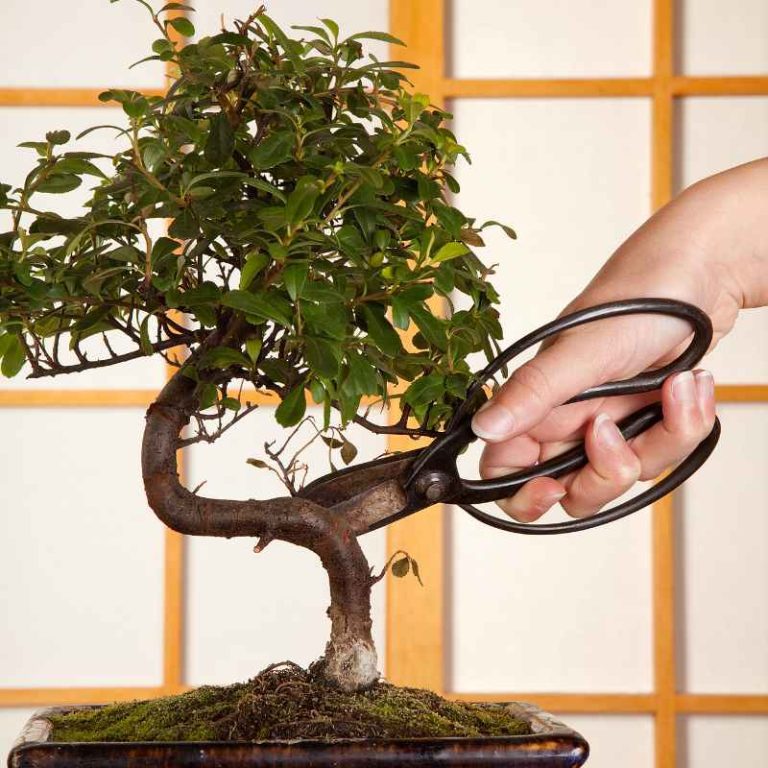
Pinching New Growth: When you see a new shoot emerging from a secondary branch, and it has a few small leaves, you can pinch off the tip. Use your fingers or small, sharp scissors. This stops the main shoot from getting too long.
It redirects the plant’s energy to dormant buds closer to the secondary branch. These dormant buds can then sprout new tertiary shoots.
Imagine you have a secondary branch. A new shoot starts growing from it. If you let that shoot grow long, it might only produce one or two sets of leaves.
It becomes a new, longer secondary branch. But if you pinch the tip when it’s small, the plant thinks, “Oh, this isn’t the end of the line. I need to make more growth.” It then activates those tiny buds right at the base of that new shoot.
Those buds become your tertiary branches.
Cutting Back Secondary Shoots: Sometimes, a new shoot on a secondary branch grows quite a bit before you can pinch it. Or perhaps you missed pinching it. In this case, you might need to cut it back.
You want to cut it back to just one or two leaf nodes. A leaf node is where a leaf attaches to the stem. Cutting it back to a node forces new growth to emerge from that node.
This new growth will be your tertiary branch.
The key is to cut back to a point where the plant can easily produce new buds. Don’t cut back too far, or you might remove all the potential for new growth. Don’t cut back too little, or the new shoot might just extend the secondary branch further.
Quick Pruning Guide
- Watch New Growth: Look for shoots on secondary branches.
- Pinch Young Shoots: When 1-2 inches long, pinch the tip.
- Cut Back Longer Shoots: Cut to 1-2 leaf nodes.
- Repeat: Do this throughout the growing season.
I remember one azalea I had. It had a nice main branch, but then a secondary branch just grew long and straight. It looked like a single stick.
I’d been too scared to cut it. So, one year, I decided to really go for it. I cut that whole long shoot back to about an inch from the main branch.
It felt drastic! For weeks, nothing happened. I started to worry.
Then, tiny little buds appeared all along the stump. When they grew, they formed a whole cluster of new, fine branches. It was exactly what I wanted.
That experience taught me that sometimes you have to be bold to get the results you desire.
Encouraging Back-Budding
Back-budding is the magic word here. It means getting new buds to form further back on a branch. Most of the time, new growth happens at the tip of a branch.
Back-budding is getting growth to pop out from closer to the trunk or a thicker branch. Pruning techniques like pinching and cutting back strongly encourage back-budding. They signal to the plant that the tip growth is not sufficient.
Azaleas are generally good at back-budding, especially healthy ones. But you can help them along. Ensure your azalea is getting enough light.
Good light helps the plant produce energy. This energy is used to create new buds. Also, proper fertilization is crucial.
A balanced fertilizer, or one slightly higher in nitrogen during the growing season, can support this growth.
I found that my azaleas in the shadier spots didn’t back-bud as well. Their new growth was weaker. Once I moved them to a spot with morning sun and afternoon shade, I saw a huge difference.
The shoots were stronger, and the back-budding became much more vigorous. It really is about providing the right conditions for the plant to thrive.
Back-Budding Boosters
Sunlight: Bright, indirect light or morning sun is best.
Fertilizer: Use a balanced bonsai fertilizer during the growing season. Follow product instructions.
Water: Keep soil consistently moist but not soggy. Good drainage is vital.
Air Circulation: Good airflow helps prevent disease and promotes healthy growth.
When Not to Prune for Tertiary Branches
There are times when you should hold back on pruning. The most important time is during the azalea’s flowering period. You want to enjoy those beautiful blooms!
Pruning during this time can reduce the number of flowers. It can also stress the plant when it’s putting a lot of energy into blooming.
Also, avoid heavy pruning when the plant is weak. If your azalea has been sick, stressed, or is recovering from repotting, give it time to regain its strength. Focus on keeping it healthy.
Once it’s robust again, you can return to detailed pruning. Pushing a weak plant too hard can be counterproductive.
I learned this the hard way one year. I had an azalea that got spider mites. It looked pretty sad.
But it was spring, prime pruning time! I went ahead and pinched and cut back like usual. The plant just wilted.
It lost even more leaves. It took me a whole season to nurse it back. Now, I’m much more mindful.
I check my plants for health before I start any detailed work.
Refining the Shape: Wiring and Pruning Together
Pruning for tertiary branches isn’t done in isolation. It works best with other bonsai techniques, especially wiring. Wiring allows you to guide the direction of your branches.
You can bend them into place. Then, you can use pruning to encourage branching along those wired lines.
For instance, you might wire a secondary branch to curve slightly. As it grows, you can pinch the tip. This encourages shoots to grow upwards and outwards from the curve.
These new shoots, your tertiary branches, will follow the curve you’ve set. They’ll then add fullness and visual interest to that part of the tree.
Wiring requires care, especially with azaleas. Their bark can be delicate. Always use the correct gauge wire.
Apply it snugly but not too tightly. Check it regularly to ensure it isn’t biting into the bark. If you wire a branch and then prune it, you can create a beautiful, flowing line that’s also dense with fine growth.
It’s a powerful combination.
Wiring + Pruning Synergy
Bend the Branch: Use wire to set the desired shape.
Encourage Growth: Prune or pinch new growth along the wired branch.
Develop Density: New shoots (tertiary) emerge and fill the space.
Refine the Look: Creates flowing lines with abundant, fine branching.
The Role of Soil and Potting
Good soil is the foundation of a healthy azalea bonsai. For azaleas, you need a well-draining mix. This is critical.
Azaleas hate sitting in soggy soil. It can lead to root rot, which is very damaging. A common mix includes akadama, pumice, and lava rock.
Some growers add a bit of organic matter, but drainage is the priority.
When you repot your azalea, you also get a chance to refine the root system. Healthy roots mean a healthy plant. A healthy plant can support more vigorous branch growth.
Pruning the roots during repotting can also help encourage the plant to produce more fine feeder roots. This contributes to overall plant health.
I learned that using the wrong soil was a big mistake early on. I used a standard potting mix. My azaleas would stay wet for too long.
Their growth was always weak. After switching to a proper bonsai soil mix, the difference was astounding. The soil dried out appropriately, and the roots became much healthier.
This made it much easier to get the plants to put out new growth for my pruning efforts.
Dealing with Leggy Growth
What happens if you’ve missed the window, and your shoots have grown too long? This is called leggy growth. It’s not ideal for dense branching.
But it’s not the end of the world. You can still fix it, but it might take more time.
First, cut back the leggy shoot. As mentioned before, cut it back to one or two leaf nodes. This is a more severe pruning.
It will stimulate new growth from those nodes. You might end up with fewer leaves initially, but the new shoots will be shorter and denser.
Sometimes, leggy growth happens because the plant isn’t getting enough light or nutrients. So, as you prune, also check your care routine. Are you providing enough light?
Are you fertilizing at the right times? Making adjustments to care can prevent future leggy growth.
I had a azalea that grew one very long, whip-like branch. It was so long it looked out of place. I waited until the end of the growing season, and then I cut it back drastically.
I cut it back to about half its length. It looked bare for a while. But in the next spring, new shoots popped out all along the cut section.
They were much finer. It took a season or two to get that branch to blend in, but it worked.
What to Expect Over Time
Developing tertiary branches on your azalea bonsai is not an overnight process. It takes patience and consistent effort. You’ll be pruning and pinching throughout the growing season.
Each time you prune, you are encouraging more and finer growth.
Over several years, you will see your azalea develop a dense network of fine branches. This ramification will make the tree look much older and more natural. The foliage pads will become fuller.
The overall silhouette will be more refined.
Don’t get discouraged if it doesn’t happen instantly. Bonsai is a journey. Each pruning session is a step towards your goal.
Watch how your plant responds. Adjust your techniques as needed. The joy is in the process and seeing your tree evolve under your care.
A Long-Term View
Year 1-2: Focus on structure and initial secondary branching.
Year 3-5: Begin consistent pinching and pruning for tertiary growth.
Year 5+: Develop finer ramification, filling in pads and refining shape.
Ongoing: Maintenance pruning to keep the dense structure.
When is My Azalea Bonsai Fully Ramified?
You’ll know your azalea is well-ramified when you have a dense network of fine twigs. These twigs will support healthy foliage. You won’t see large gaps.
The branch structure will look complex and mature. It will resemble a miniature version of an old tree in nature.
It’s a point where the main structural work is done. Now, your pruning is mostly maintenance. You are just trimming back new growth to keep the shape.
You are ensuring the density is maintained. You might still do a bit of pinching to refine a particular area. But the major effort of creating the branch structure is largely complete.
This is a very satisfying stage. It represents many years of careful work. It’s the point where your azalea bonsai truly looks like a seasoned specimen.
It has that aged appearance that is so sought after in bonsai art.
Common Mistakes to Avoid
There are a few common pitfalls that can hinder your progress. One is over-pruning. Cutting back too much at once can stress the plant.
It can also remove too much foliage, reducing its ability to photosynthesize and recover.
Another mistake is pruning at the wrong time. As discussed, avoid pruning during harsh weather or when the plant is stressed or flowering heavily. Timing is critical for encouraging new growth.
Not using sharp tools is also a problem. Dull tools crush plant tissues. This makes it harder for the plant to heal.
It also increases the risk of disease. Always use clean, sharp bonsai shears or scissors.
Finally, impatience is a major factor. Bonsai takes time. Expecting rapid results from detailed pruning is unrealistic.
Enjoy the journey. Trust the process. Your azalea will reward your patience.
Mistake Watchlist
- Over-pruning: Cutting too much at once.
- Wrong Timing: Pruning during stress or flowering.
- Dull Tools: Crushing tissues instead of making clean cuts.
- Impatience: Expecting fast results.
- Ignoring Plant Health: Pruning a stressed or sick plant.
What This Means for You
Understanding how to prune for tertiary branches means you can now take your azalea bonsai to the next level. You can move beyond just basic shaping. You can create a tree with incredible depth and natural realism.
It means you have the tools to develop a truly exquisite specimen.
It also means you’ll look at your azalea differently. You’ll see the potential for growth in every new shoot. You’ll understand how each small cut or pinch contributes to the long-term vision.
It’s about seeing the whole tree’s development, not just its current state.
This knowledge empowers you. It allows you to make informed decisions about your tree’s care. You can anticipate how pruning will affect its growth.
You can guide it more effectively towards the natural, mature look that defines great bonsai.
Quick Checks for Success
After pruning, keep an eye on your azalea. Are new buds forming along the pruned branches? Are these new shoots developing into fine twigs?
This is a good sign.
Is the overall growth vigorous? Are the leaves healthy and green? This tells you the plant is strong enough to support the new growth.
If the new shoots are weak or leggy, you might need to adjust your care (light, water, fertilizer).
Look for small, tightly spaced leaves on the new growth. This indicates good ramification. Large, sparse leaves might mean the plant needs more energy or is not yet densely branched enough.

Final Thoughts on Growing Tertiary Branches
Developing tertiary branches on your azalea bonsai is a rewarding aspect of this art. It’s where patience meets technique. By understanding how your azalea grows and applying simple, consistent pruning methods, you can create incredible fullness and detail.
Remember to observe, adjust, and enjoy the process. Your azalea will thank you with a beautiful, mature form.
Frequently Asked Questions About Pruning Azalea Bonsai
When is the best time to prune azalea bonsai for tertiary branches?
The best time is during the active growing season, typically spring and early summer. This allows the plant to recover quickly and encourages new growth from pruning cuts.
What is the difference between pinching and cutting back azalea shoots?
Pinching is removing the very tip of a young, soft shoot to encourage back-budding. Cutting back is for slightly harder shoots, where you remove a section to one or two leaf nodes to stimulate new growth from that point.
How often should I prune my azalea bonsai for tertiary growth?
Throughout the growing season, you should be monitoring new growth. Pinching can be done frequently as new shoots appear. More substantial cutting back might be done a few times during the season, depending on how quickly your plant grows.
Can I prune azaleas for tertiary branches in the fall or winter?
Generally, no. Fall and winter are dormancy periods for azaleas. Pruning during this time can stress the plant and reduce its vigor for the next growing season.
Focus detailed pruning during active growth.
My azalea has very few flowers. Should I still prune it for branches?
If your azalea is not flowering well, it might be a sign of underlying health issues or improper care. Focus on improving its overall health, light, and fertilizer first. Once it’s stronger, you can then focus on branch development.
Heavy pruning during flowering will reduce blooms.
How do I encourage growth on an older, established branch of my azalea bonsai?
Encouraging growth on older wood can be challenging. You can try a technique called “wounding” or “repotting with root pruning,” which can sometimes stimulate back-budding. Also, ensuring the plant is exceptionally healthy and receiving perfect conditions is key.
Sometimes, grafting or air layering can be used to introduce new growth where needed.
Related pick: Check today's price on Amazon